
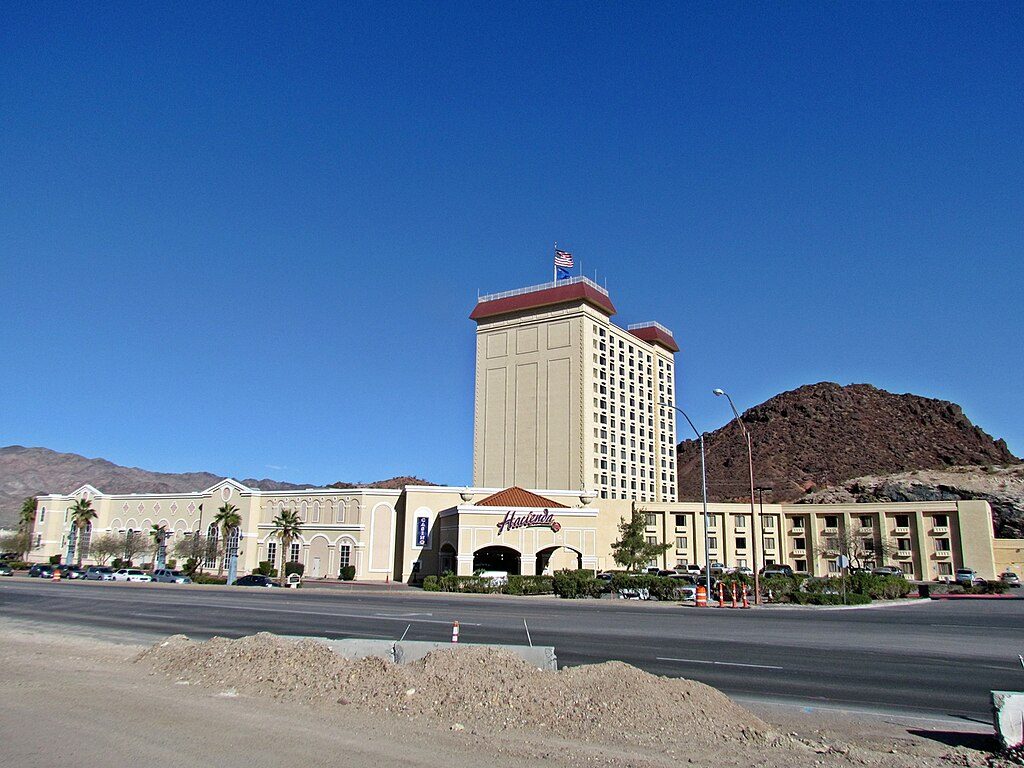
Place · 0.1 mi away
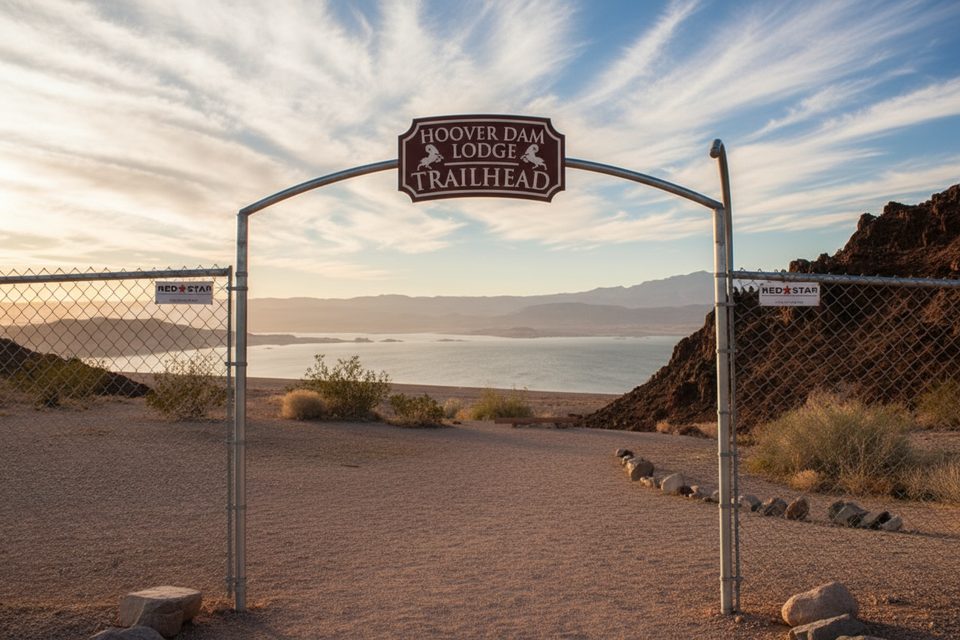
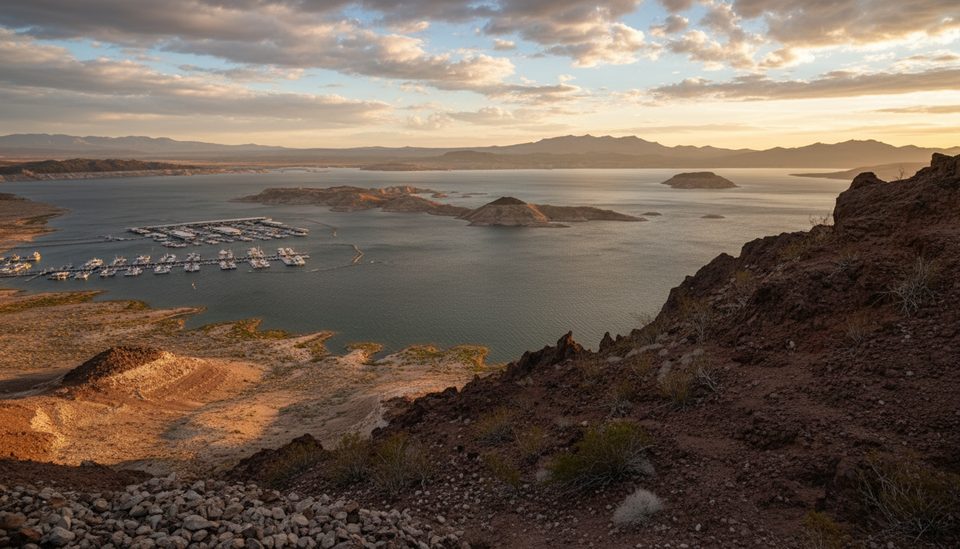
This lodge-side spur is a handy way to step straight onto the Historic Railroad Tunnel Trail without driving down to the main parking area. It sits just past the Hoover Dam Lodge, where you can leave your car and walk a short connector to reach big views of Lake Mead and the surrounding desert.
From the lodge parking area, head through the gate and follow the fence. Turn left for a quick scenic overlook; turn right to drop toward the lake and meet the Historic Railroad Tunnel Trail at a T‑junction. From there, the railroad grade leads you toward the famous tunnels and, if you keep going, all the way toward Hoover Dam.
The connector is easy on the way down but noticeably steep coming back—save a little energy and water for the return. Once you’re on the old railroad grade, the walking is broad and gentle with long sightlines, lake panoramas, and weathered rock formations. Continue far enough and you’ll pass through multiple historic tunnels.
You can park at the Hoover Dam Lodge and start walking from there. There are no restrooms or water right at this spur. If you want facilities, the primary trailhead below the Lake Mead Visitor Center has vault toilets and trash cans, and the Visitor Center offers drinking water and flush restrooms when open. An additional on‑trail vault toilet sits about 2.2 miles from the lower trailhead. This area is inside the Lake Mead National Recreation Area fee zone—keep your pass in your vehicle.
Start early for cooler temperatures and a quieter path; weekends tend to be busier late morning into mid‑afternoon. Heat is the real factor here, especially much of the year, so plan hikes for morning or the cooler months. Light is flattering in early and late hours, and the tunnels provide intermittent shade once you’re on the main trail.
Carry more water than you think you need and protect yourself from sun and heat. The downhill start means a noticeable uphill finish back to the lodge. If you plan to drive across the dam area during your visit, expect security inspections.
The trail glides across classic Basin and Range scenery. Look for pale limestone and shale from ancient seas, wind‑sculpted sandstone, and dark volcanic caps on nearby mesas. The Colorado River later carved the canyons below the dam, exposing layer upon layer of this deep geologic timeline.
Place · 0.1 mi away
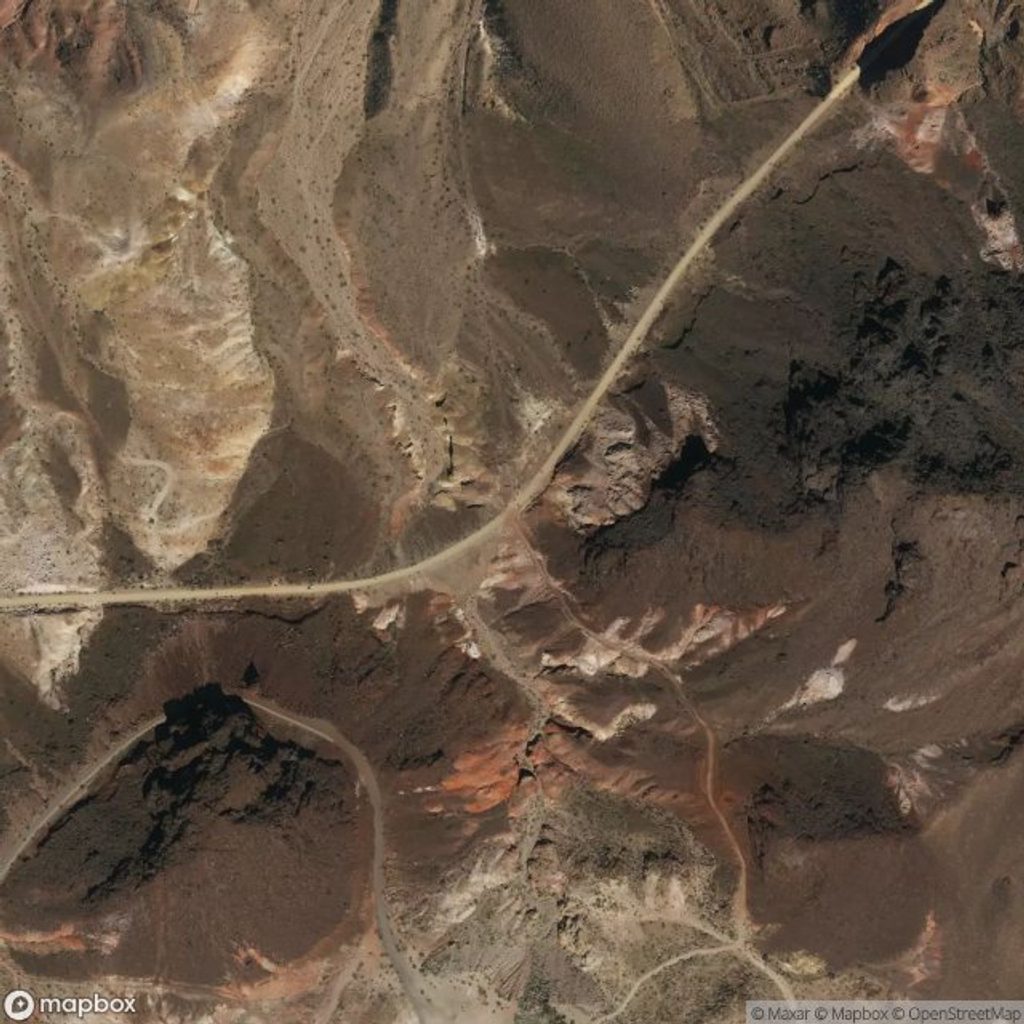
Place · 0.2 mi away

Place · 0.2 mi away
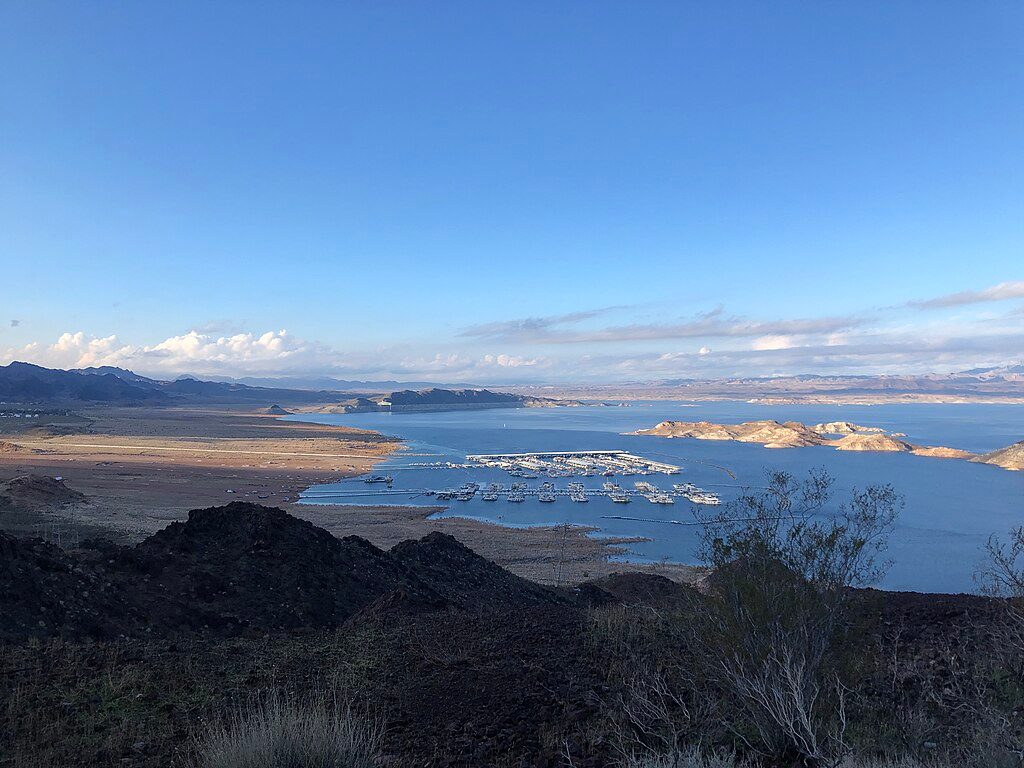
Place · 0.6 mi away
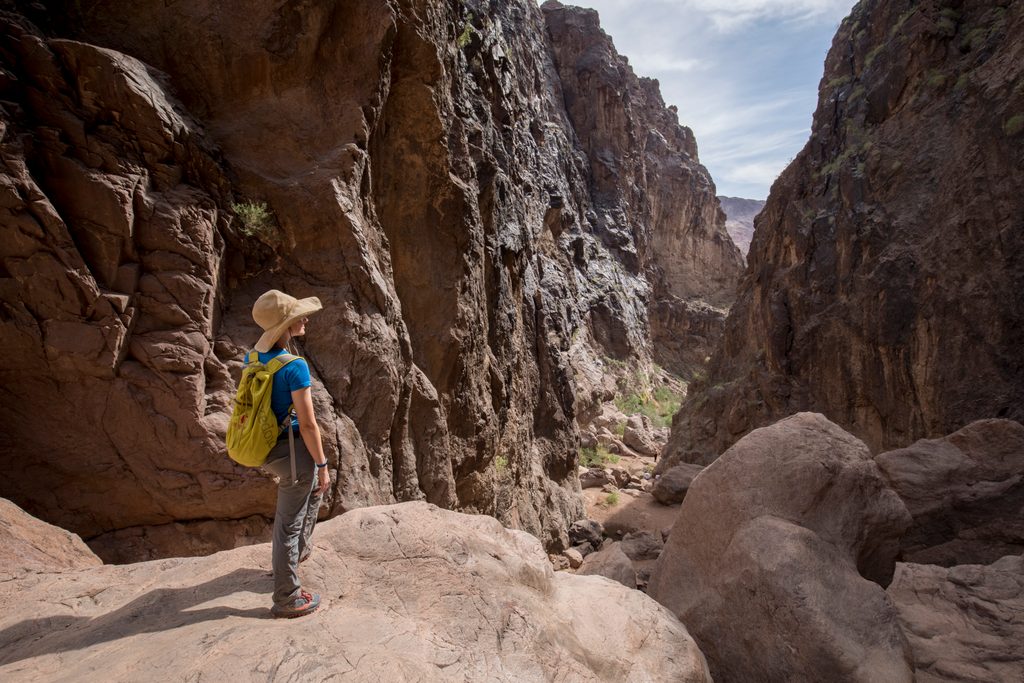
Challenging · 0.5 mi away
Easy · 1.3 mi away
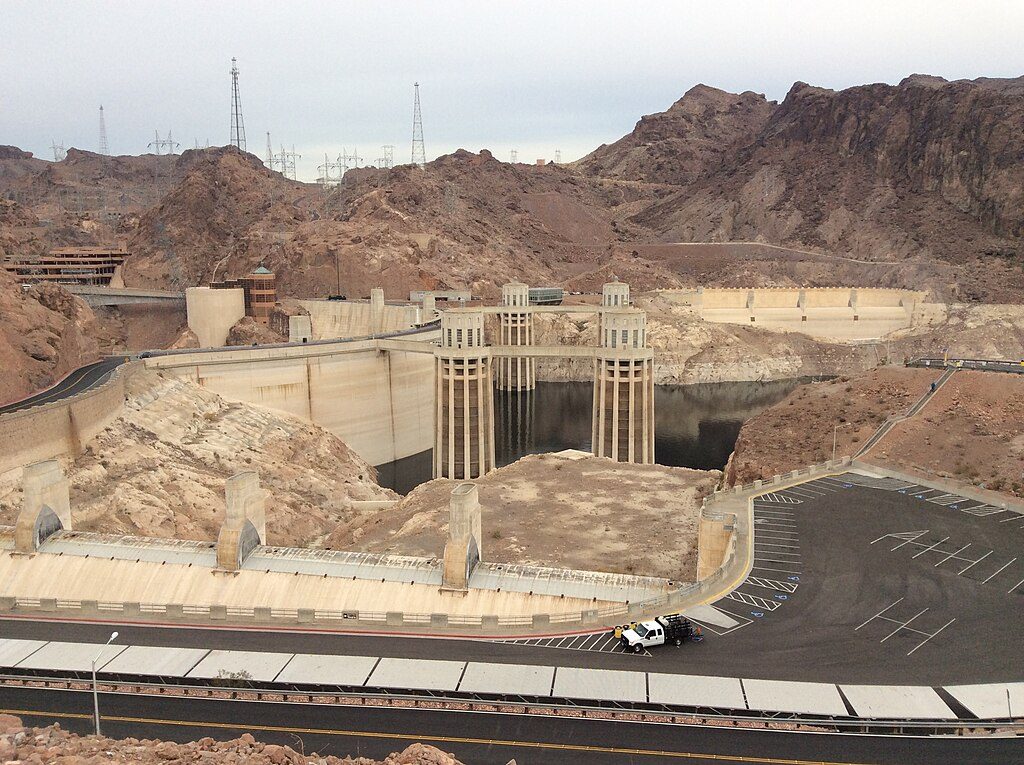
Moderate · 3.3 mi away
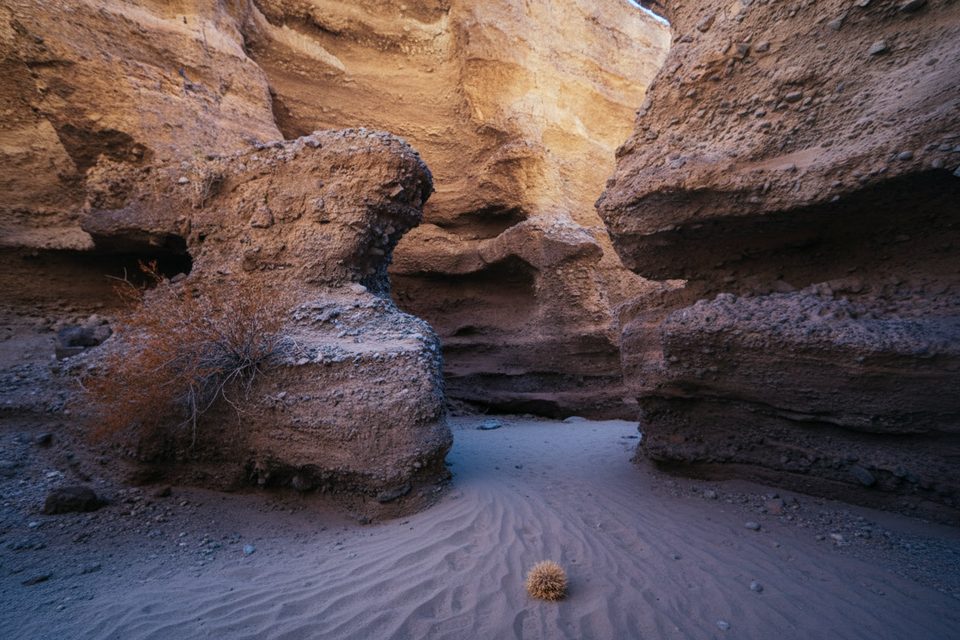
Easy · 4.7 mi away

Parkwolf Tour Guide
