
Place · 0.1 mi away
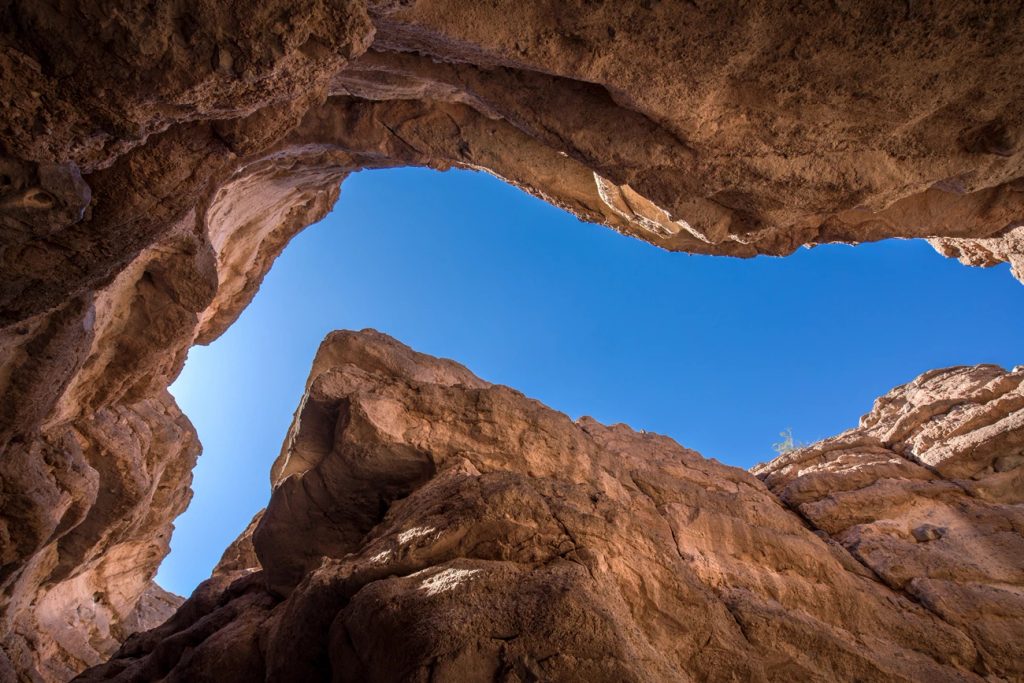
If you want a quick slot-canyon fix without a full‑day commitment, Owl Canyon delivers. It’s a moderate outing with big payoff: sinuous walls, occasional tunnels, and a real chance of spotting signs of the roosting barn owls that gave the place its name.
From the lot off 33 Hole Road, you drop steeply about 50 yards into the wash, then cross mud flats and saltcedar thickets before the walls close in. Most hikers either:
Pro tip: at the fork near the mouth of the canyon, keep left to enter the longer first narrows and to descend the steep bits rather than climb them.
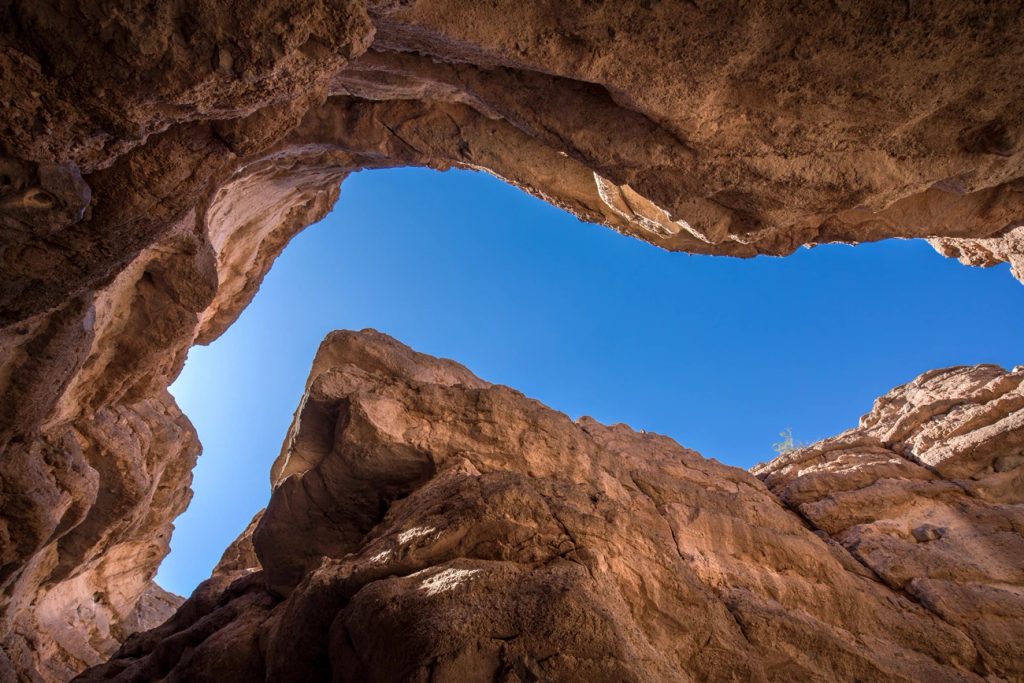
The canyon cuts through fanglomerate—ancient alluvial fan debris fused into stone—so the walls are sculpted, pebbly, and full of curves. Two culverts add a quirky, urban‑meets‑wild twist and make it easy to connect sections. It’s compact but surprisingly varied.
Barn owls occasionally roost here. Look for whitewash on the walls and pellets under ledges; that’s your giveaway. You might also hear rock wrens and Say’s phoebes working the cliffs. Give the owls space, and skip the narrows in early spring when they’re nesting.
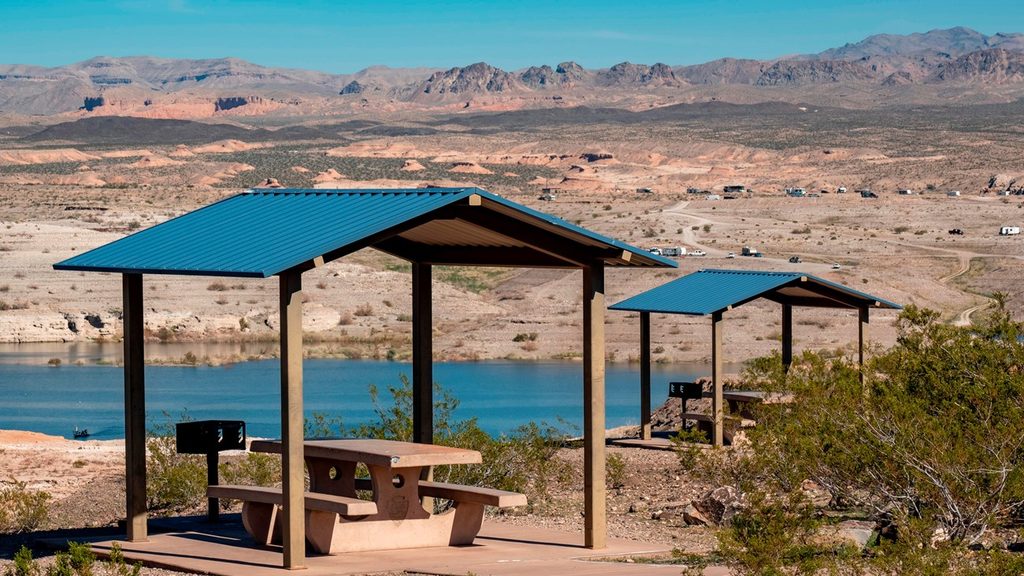
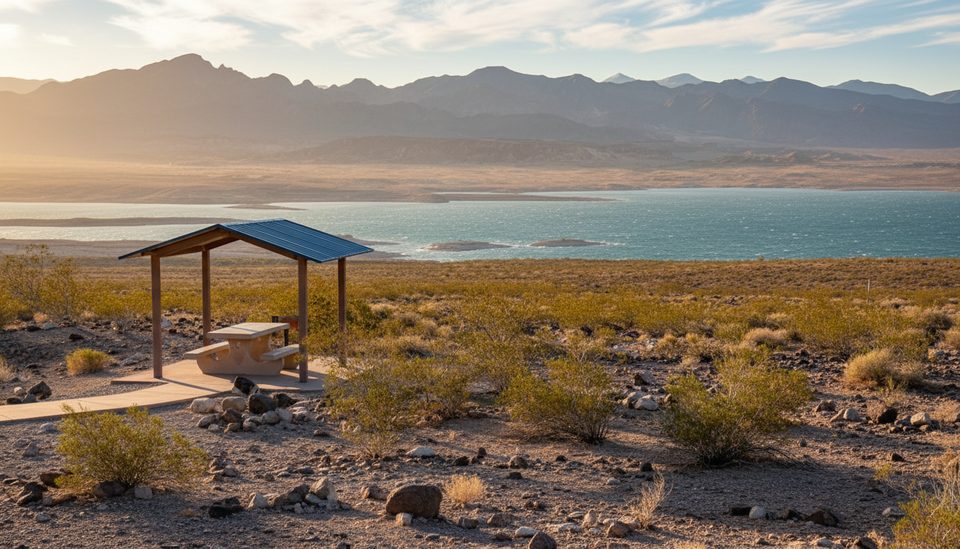
Access is via Lakeshore Road > 33 Hole Road; the first lot on the left serves the trail. You’ll find paved parking, a vault toilet, and a picnic table. No water on site. The trail is unmaintained with loose gravel and short scrambles, and cell service is spotty to nonexistent. This is a fee area—have your pass/receipt visible.
Avoid any rain or monsoon forecasts—the walls are high and exits limited. Expect some sandy and occasionally muddy sections. Dogs are allowed on a ≤6‑ft leash, but a few short drops can challenge pups. Start early and bring more water than you think you need.
October–April is prime. March and April are especially pleasant, while summer is harsh with little shade. For photography and cooler temps, start early; the narrows glow in morning light. Crowds are modest on weekdays; weekends see a bump late morning to mid‑afternoon, with Sunday around 1–3 PM often the busiest.
Place · 0.1 mi away
Place · 0.2 mi away
Place · 0.6 mi away
Place · 0.9 mi away
Moderate · 0.1 mi away
Easy · 8 mi away
Challenging · 8 mi away
Moderate · 10.1 mi away

Parkwolf Tour Guide
