
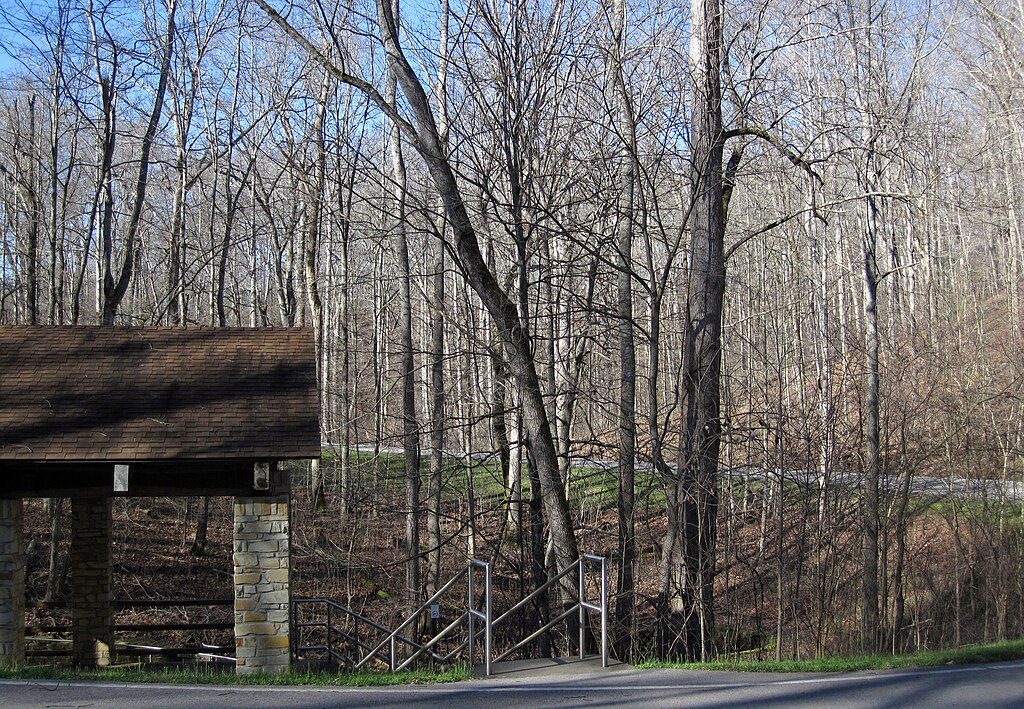
Place · 0.1 mi away
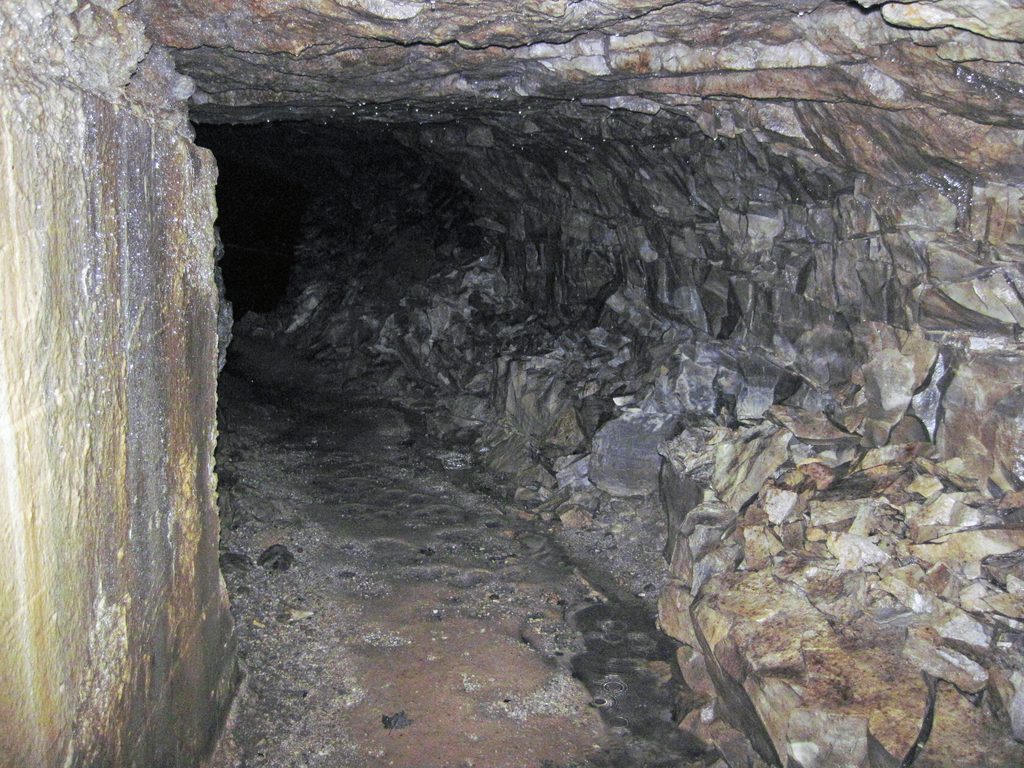
Violet City Entrance is the shuttle-accessed portal for the park’s lantern-lit tour through Mammoth Cave’s historic, upper-level passages. Expect a true “old-school” cave vibe: no modern show-cave lights—just the soft glow of lanterns and the stories your ranger brings to life.
This route explores broad, dry corridors typical of Mammoth Cave’s upper levels (fewer dripstone formations, more sweeping passageways). Highlights often include the Star Chamber and ranger storytelling about early exploration and cave history. Under lantern light, big features like Giant’s Coffin feel atmospheric and mysterious rather than brightly spotlighted.
Plan on a substantial walk: roughly 2–3 hours, about 3 miles, and a stair workout (about 147 steps up and 63 down). Surfaces are rocky and uneven, and groups can stretch out in the dark—guides usually pause to let everyone catch up.
Tours meet and check in at the Mammoth Cave Visitor Center—you’ll park there, use restrooms, refill water, and then take a park shuttle to this entrance. There are no facilities at Violet City Entrance, and only water is typically allowed on the tour. The cave sits around 54°F year‑round, so bring a light layer even in summer.
You must have a valid tour ticket to enter the cave with the group; there’s no self-guided access from this entrance.
Footing is uneven, lighting is intentionally dim, and there are lots of stairs. Closed‑toe shoes with good traction are essential, and keeping hands free helps on the stairs. Expect limited cell service away from the Visitor Center.
Bats and other cave fauna live here, though sightings are brief under lanterns. Follow ranger guidance on decontamination protocols to help protect bats from White‑nose syndrome, and stay on the established path.
Morning or weekday departures tend to be less crowded, but popular time slots sell out—book ahead. Arrive 30–45 minutes early to park, use the Visitor Center restrooms, and stage for the shuttle. Photography is challenging under lantern light, so focus on the atmosphere and the ranger’s stories rather than perfect shots.
Place · 0.1 mi away
Place · 0.3 mi away
Place · 1 mi away

Place · 1.1 mi away
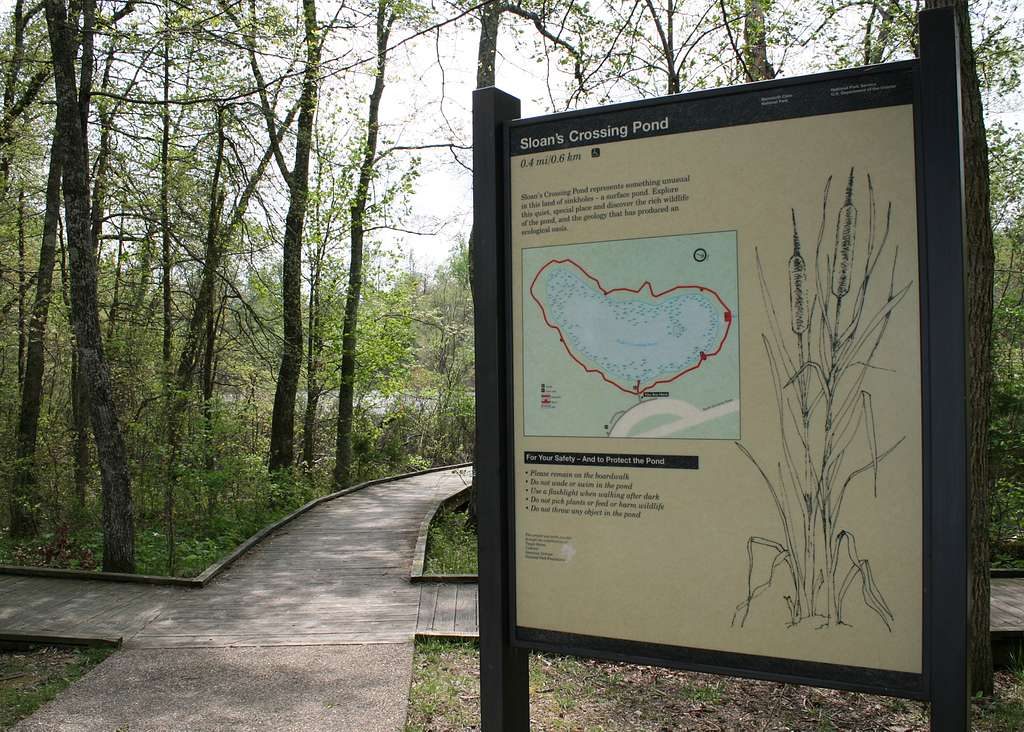
Easy · 1.3 mi away
Challenging · 1.3 mi away
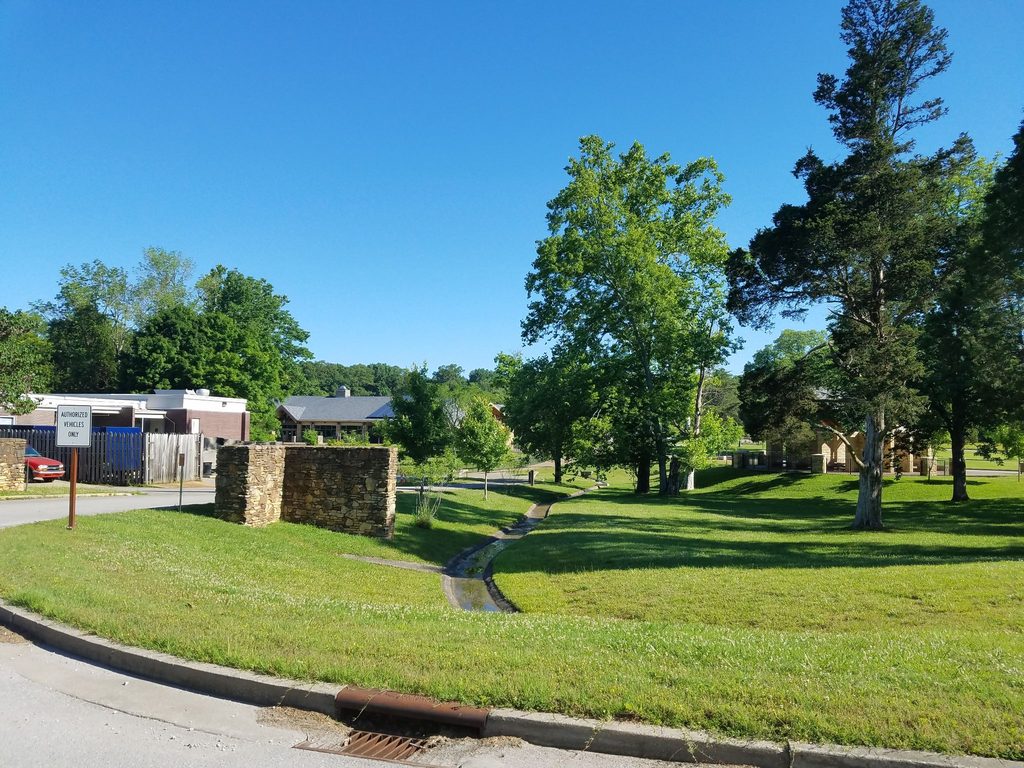
Easy · 1.4 mi away
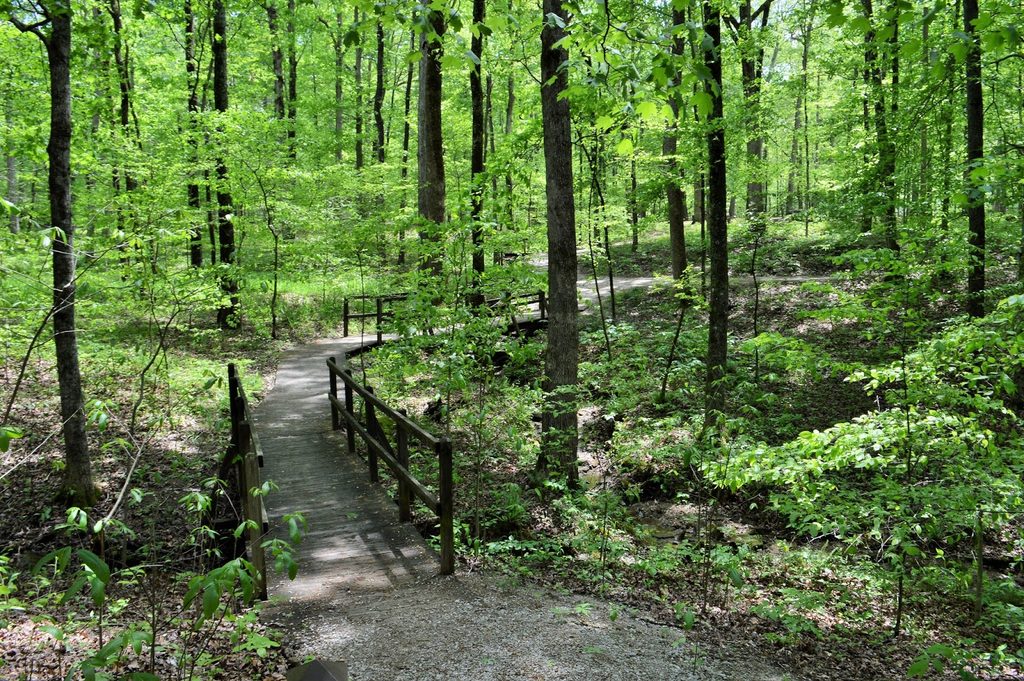
Easy · 1.4 mi away

Parkwolf Tour Guide
