
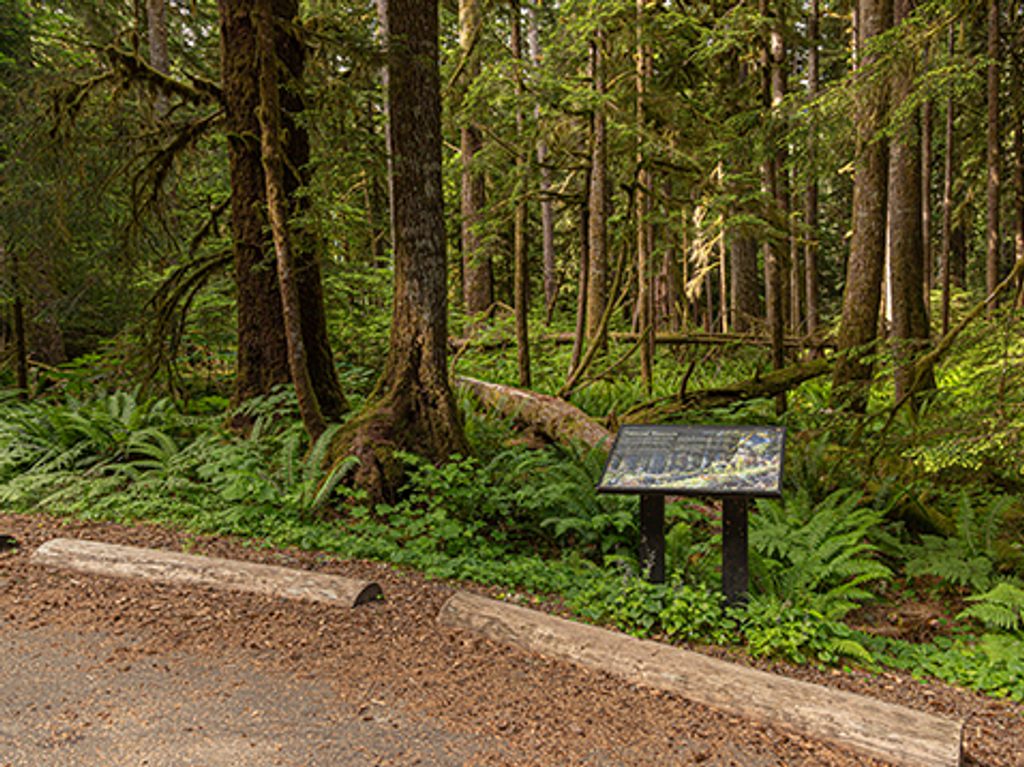
Place · 0.5 mi away
Challenging
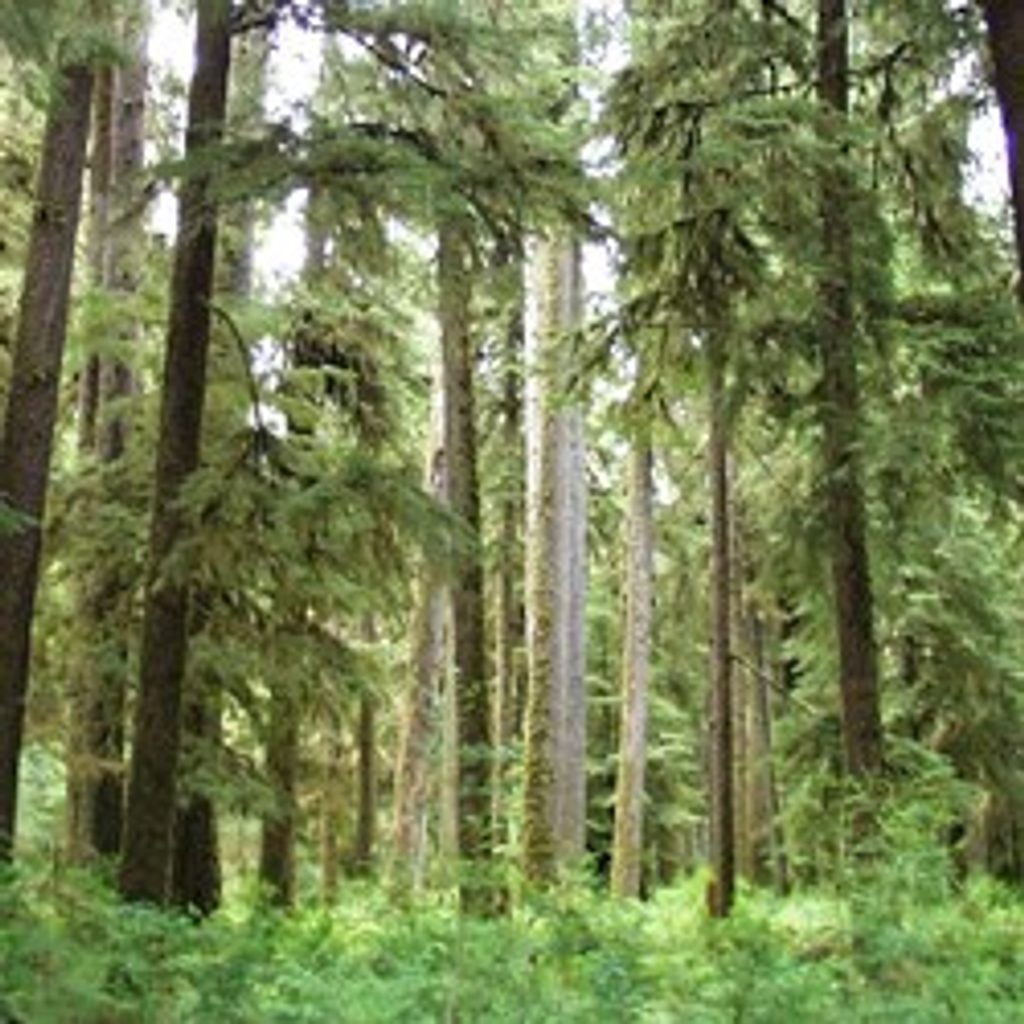
If you want solitude, big trees, and that deep, moss-draped Olympic rainforest vibe, this is your lane. The North Fork Sol Duc River Trail is a remote, lightly traveled route that trades crowds for a wild river corridor carved with clear, bedrock pools and small cascades. Expect a demanding day thanks to multiple river fords and sections that see minimal maintenance.
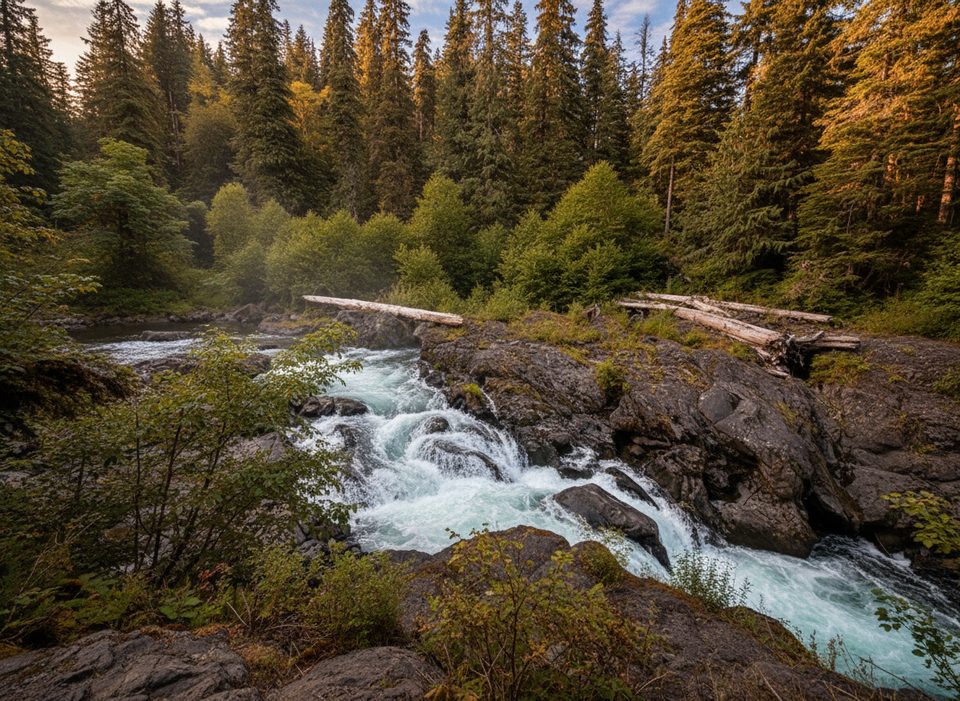
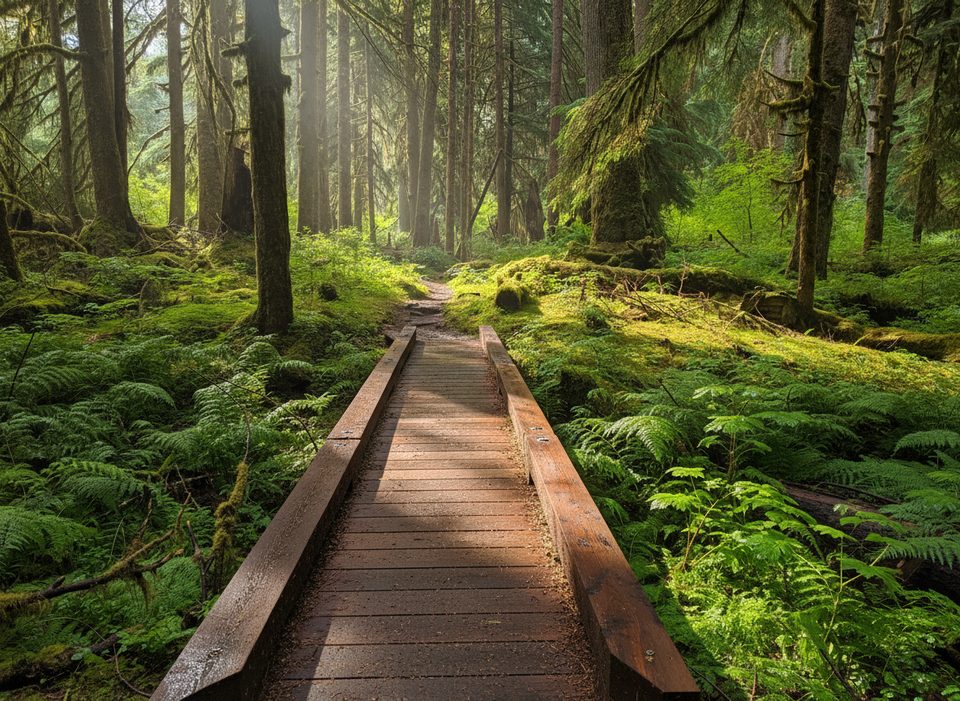
From a signed trailhead off Sol Duc Hot Springs Road, the path climbs steeply at first (roughly 400 feet) through old-growth hemlock and Douglas-fir with sword fern and vanilla leaf underfoot—forest that partly regenerated after a fire about two centuries ago. It then drops toward the river, where you’ll weave through flats of Sitka spruce and bigleaf maple, everything laced with moss. The river is the star: polished chutes, deep green pools, and quiet riffles appear again and again as you travel upstream.
Plan on several fords of the North Fork (three major crossings are noted). These define the hike: doable in late summer’s lower flows, sketchy to dangerous in spring or after heavy rain. Higher up, there’s a short-but-steep climb of about 300 feet to a tributary and another ford—many day hikers turn around here if flows look iffy.
Commonly referenced as about 13.2 miles total out-and-back with roughly 1,700 feet of cumulative gain. It’s a full day for most hikers, and the river crossings, rooty tread, and spotty maintenance bump the difficulty.
Best time is late summer (July–September) when water levels drop and crossings are most manageable. Shoulder seasons offer even more solitude, but expect high water, blowdowns, and tougher navigation. Conditions can change fast with rain—check current NPS trail conditions before you go.
If you’re after a quiet rainforest river walk with real backcountry bite, this is a rewarding, underrated outing. If you’d rather skip fords and blowdowns, consider other Sol Duc-area trails that keep your feet dry.
Small parking area/pullout along Sol Duc Hot Springs Road off US 101, with a signed trailhead just east of Lake Crescent.
Multiple river fords; water rises quickly after rain and in spring—scout carefully and turn back if flows are high. Sections beyond the initial miles may be poorly maintained; expect blowdowns and route-finding.
Place · 0.5 mi away
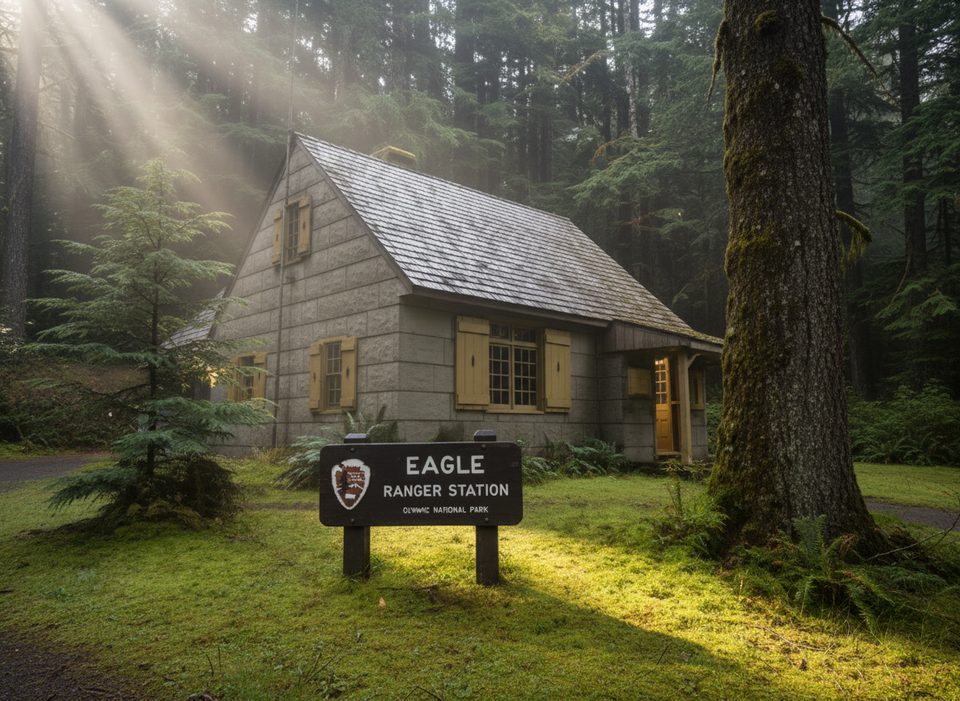
Place · 3.4 mi away
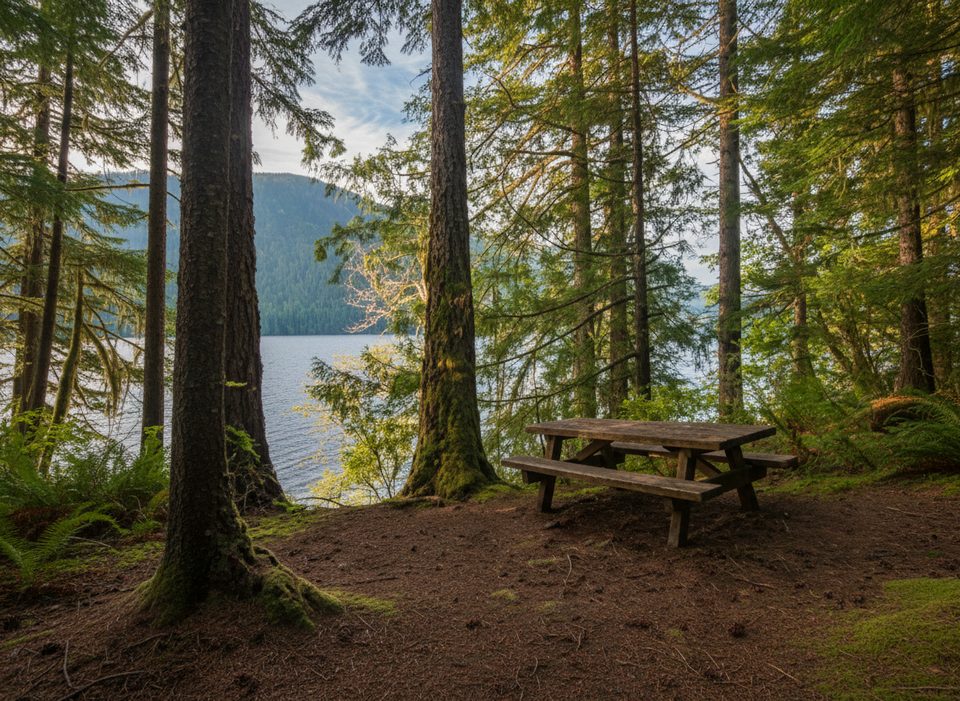
Place · 3.4 mi away
Place · 3.6 mi away
Easy · 0.5 mi away
Easy · 1 mi away
Moderate · 3.5 mi away
Moderate · 3.5 mi away

Parkwolf Tour Guide
