
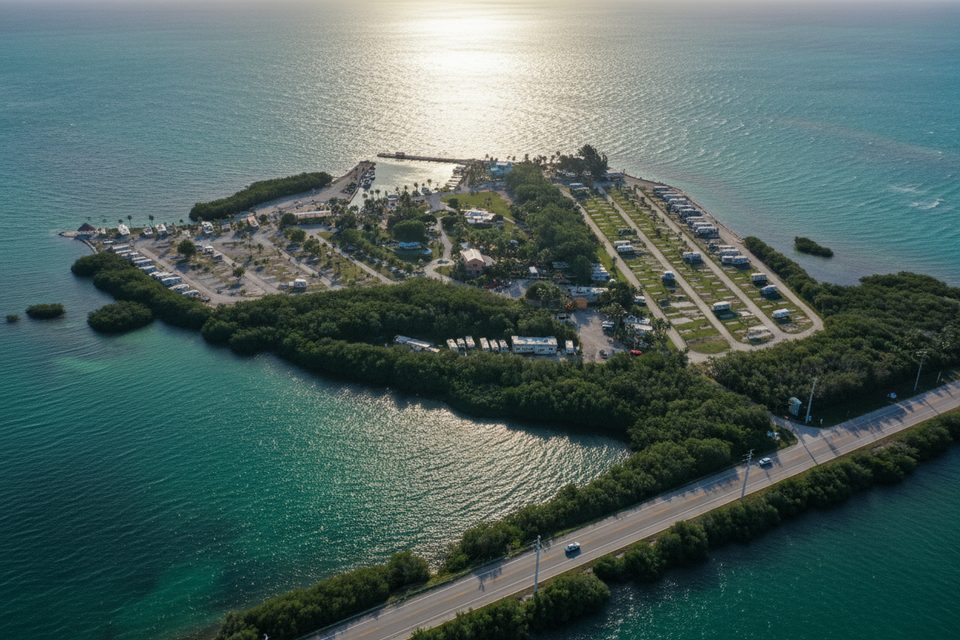
Place · 2 mi away
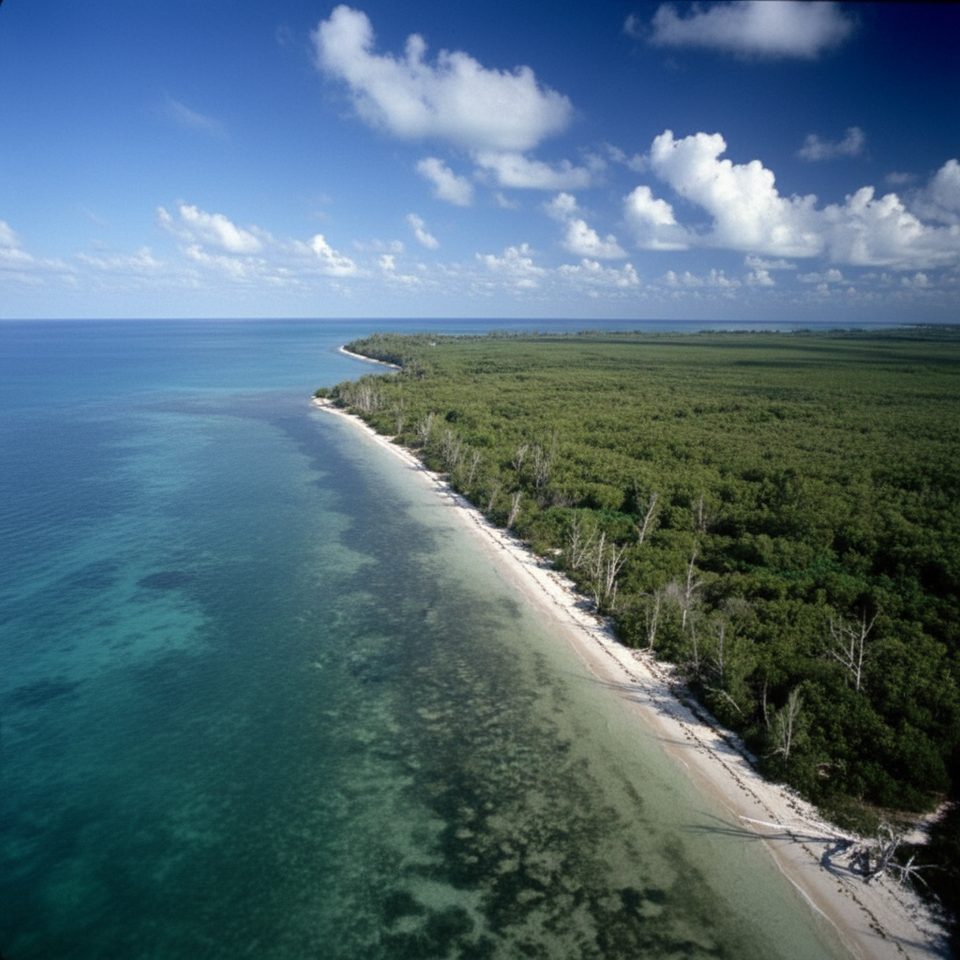
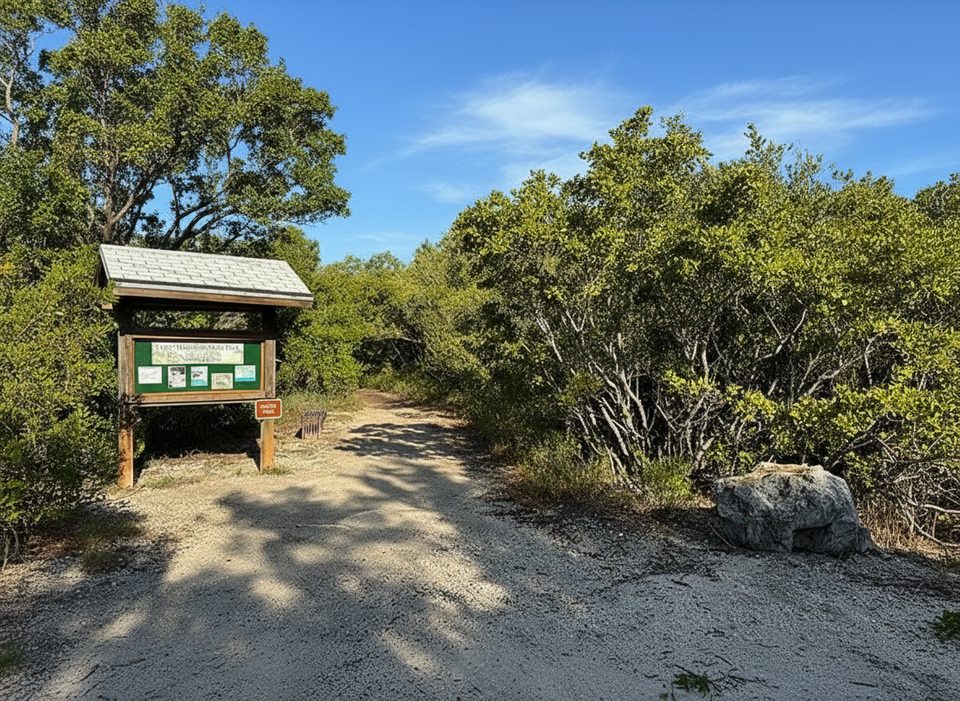
Set at mile marker 67.5 on the Overseas Highway, this 965‑acre state park is the mellow, nature‑first side of the Florida Keys. Expect mangroves, tidal flats, shallow grass beds, and a small, low‑key beach area that’s more about wading and watching wildlife than splashing in surf.
Long Key’s flats draw wading birds all winter—herons, egrets, ospreys, even roseate spoonbills—and horseshoe crabs prowl the shallows. It’s quiet, often overlooked, and ideal for slow travel: birding, paddling, photography at sunrise and sunset, and just listening to the wind in the mangroves.
Paddling here is excellent in calm conditions, but plan for high tide; at low tide the grassy flats get sticky and shallow. There’s no boat ramp, and on‑site kayak rentals are suspended—bring your own and launch from the shoreline. Swimming and snorkeling are limited to shallow designated areas with a seagrass bottom.
The campground is hike‑in, tent‑only, and primitive, set right along the Atlantic. Sites include a picnic table, grill, and hammock stand; there are no electric or water hookups. Campers get restrooms with cold outdoor showers. Reservations are available online and remain popular when conditions are good.
Winter is prime for wading birds and raptors; the flats also host horseshoe crabs. Around the mangroves, keep an eye out for small mangrove tree crabs. Bring a long lens if you’re into bird photography.
Spanish explorers dubbed the island Cayo Vívora (Rattlesnake Key) for its shape. In the early 1900s, Henry Flagler’s Long Key Fishing Camp made this a world‑class angling destination until the 1935 Labor Day Hurricane wiped it out. The state acquired the land (1961–1973) and opened the park in 1969.
Weekdays feel especially serene. Aim for early morning or the last two hours before sunset for soft light, cooler temps, and active birdlife. Time paddles to high tide for easier launches and deeper channels. On weekends and holidays, arrive early—beachside parking fills first.
This is a nature‑forward stop, not a groomed beach. Expect natural wrack and seagrass (the park lets it decompose for habitat), which can smell and make water entry mucky. Wear water shoes and pack solid bug protection.
Place · 2 mi away
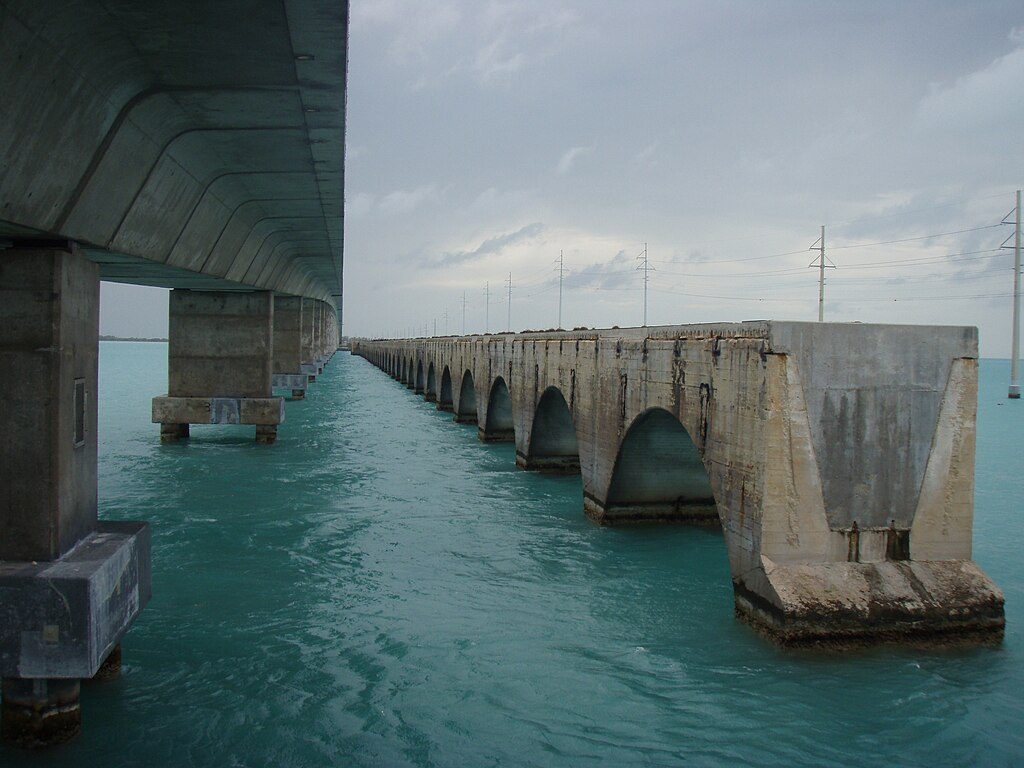
Place · 2.6 mi away
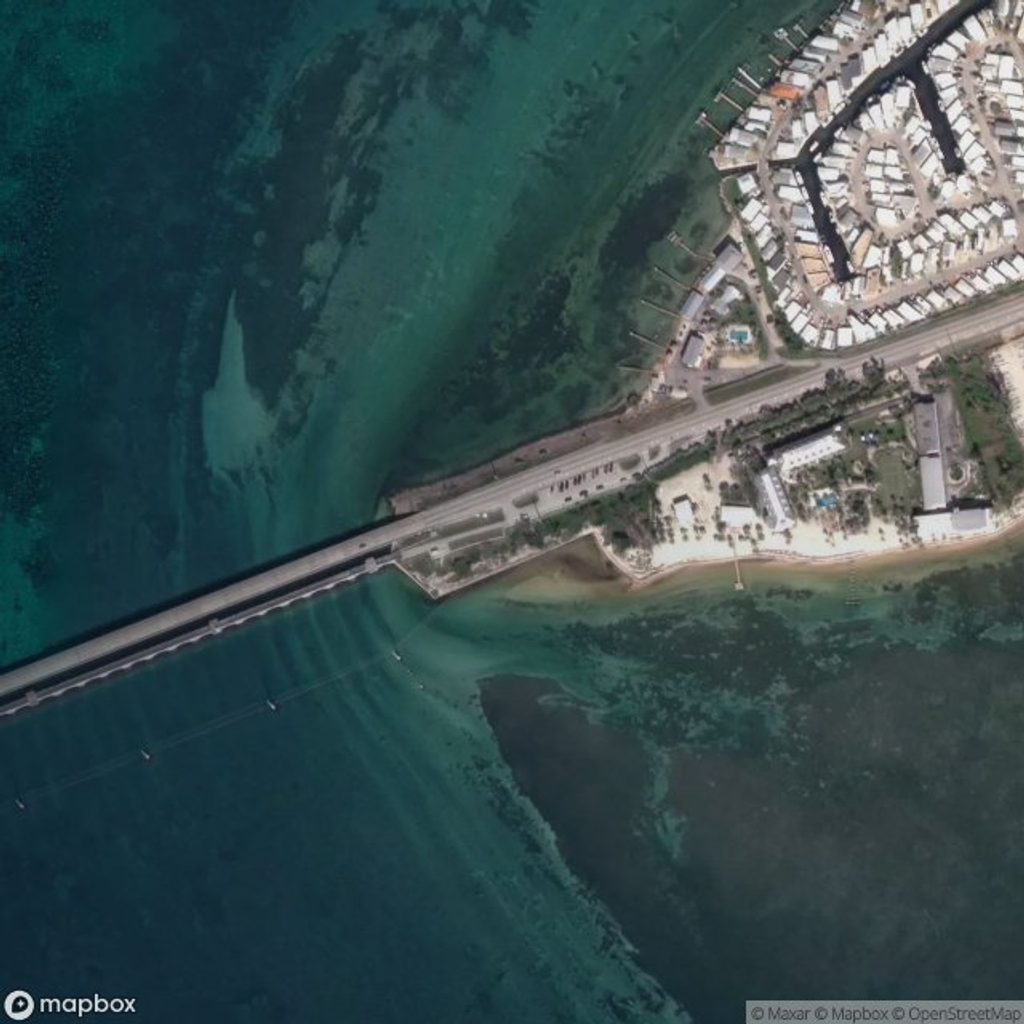
Place · 2.9 mi away
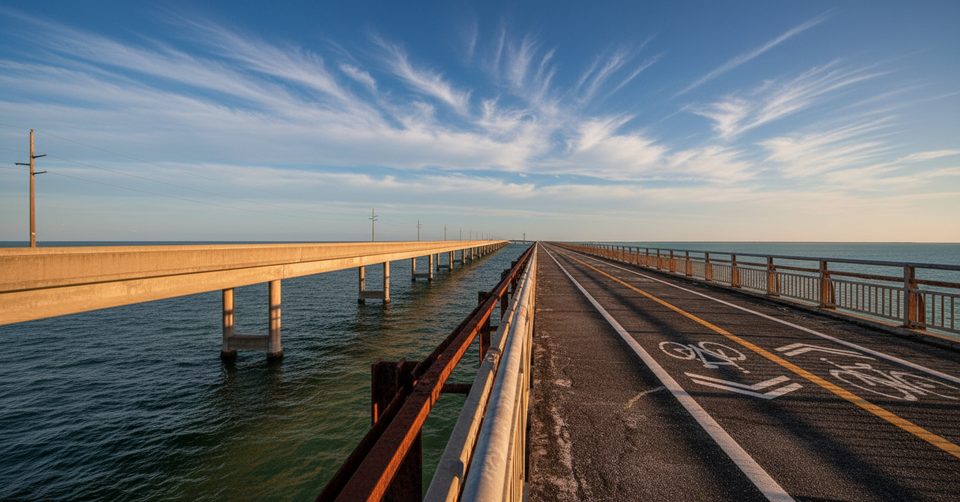
Place · 4 mi away
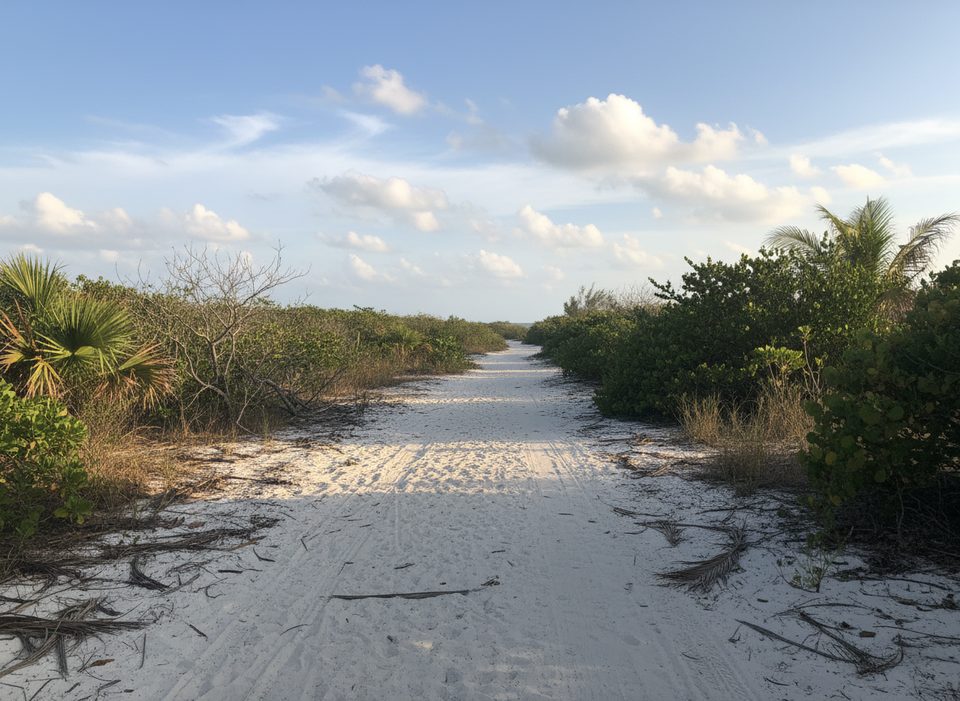
Easy · 1 mi away
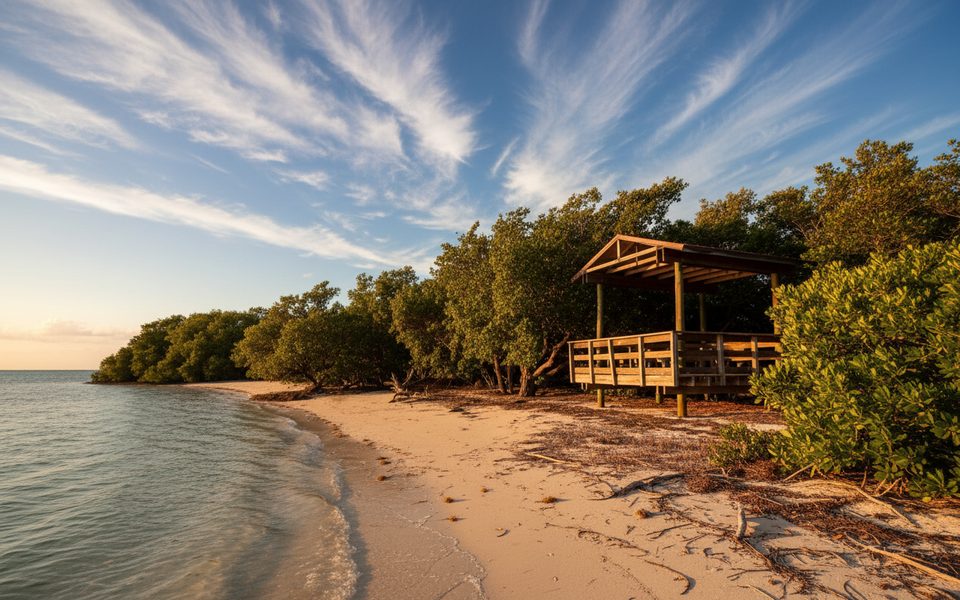
Easy · 4.7 mi away
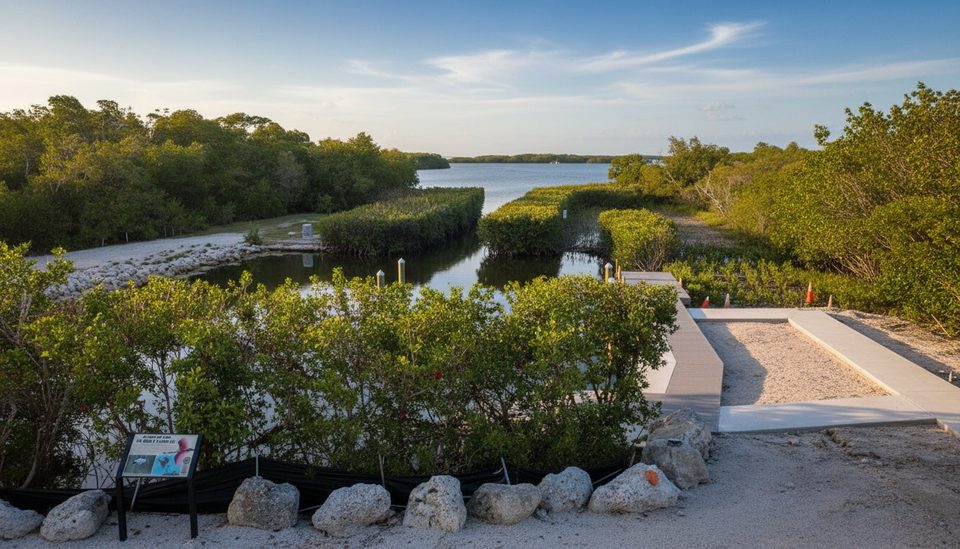
Easy · 12.1 mi away
Easy · 13 mi away

Parkwolf Tour Guide
