
Place · 0.1 mi away
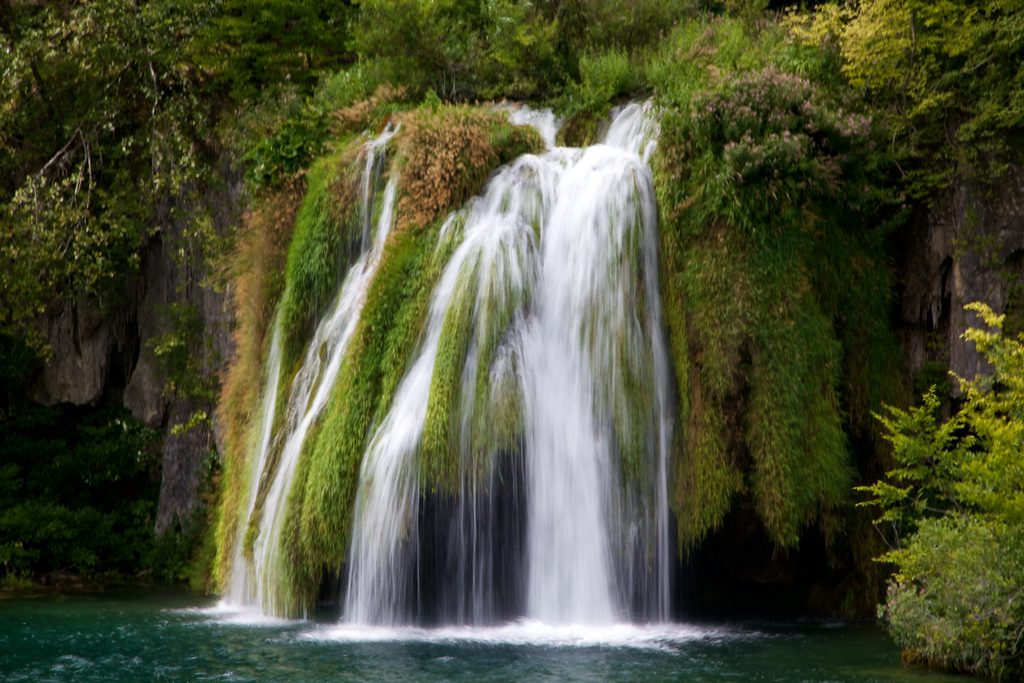
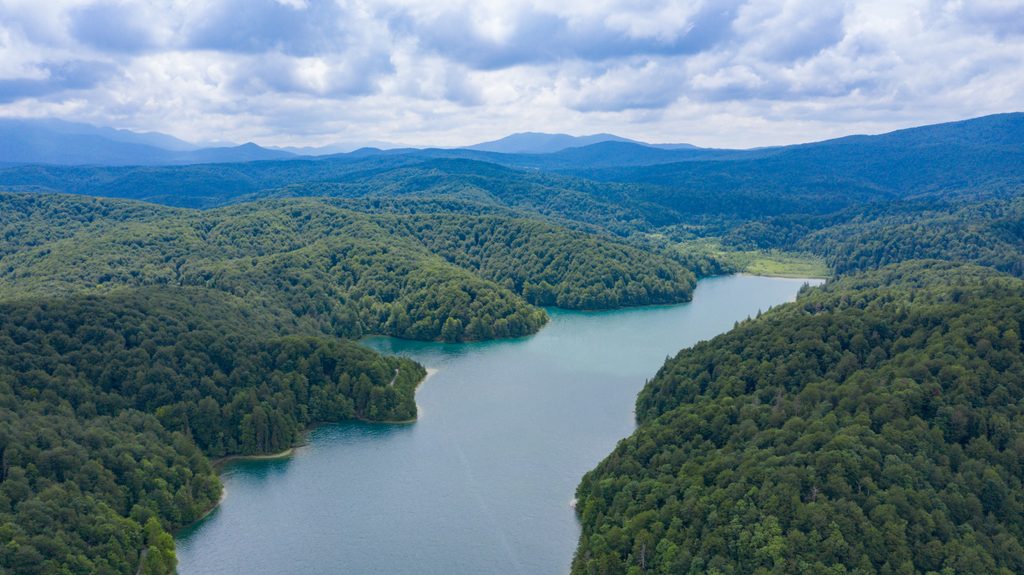
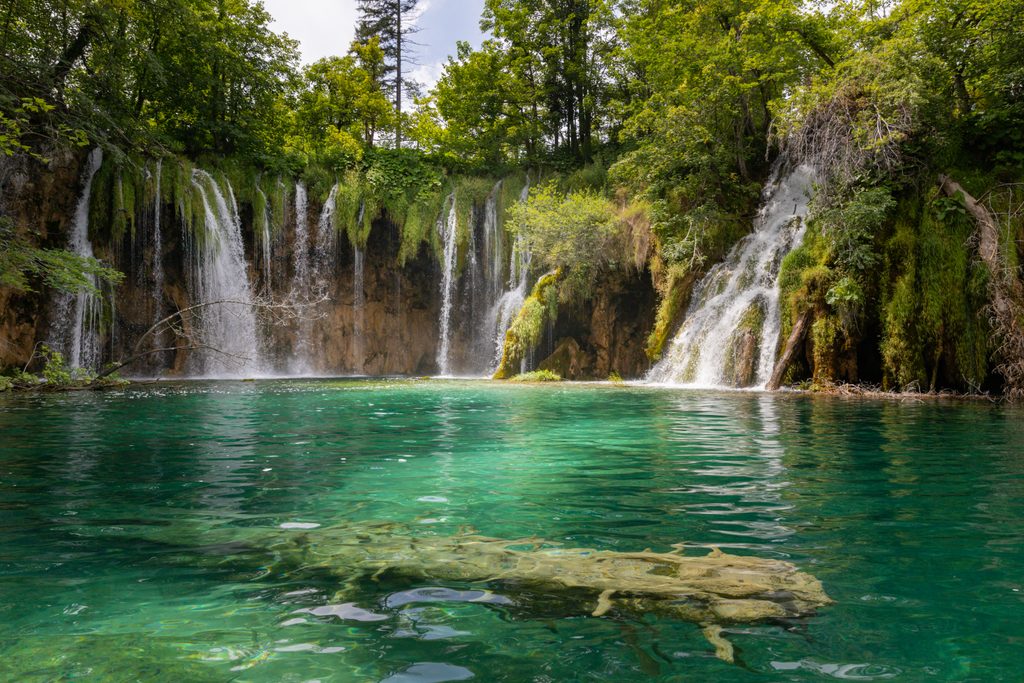
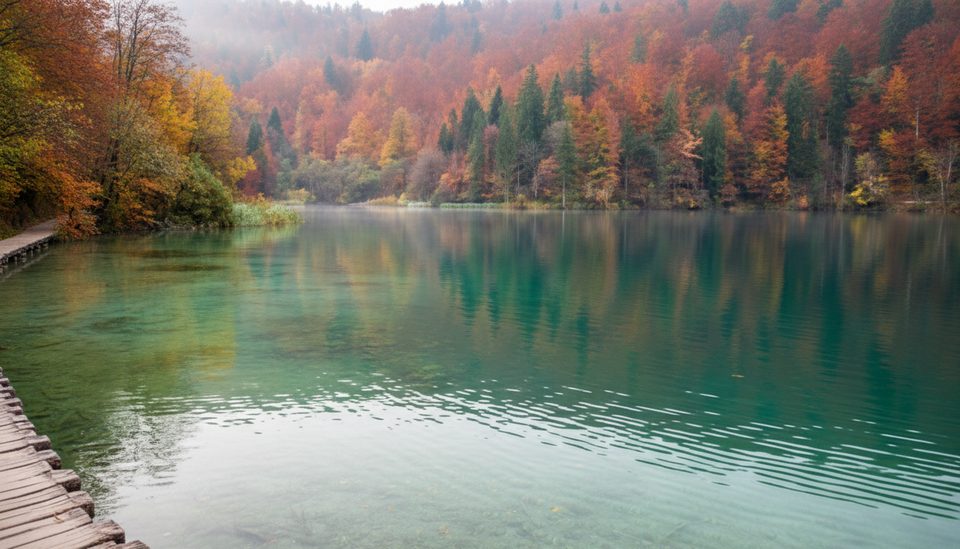
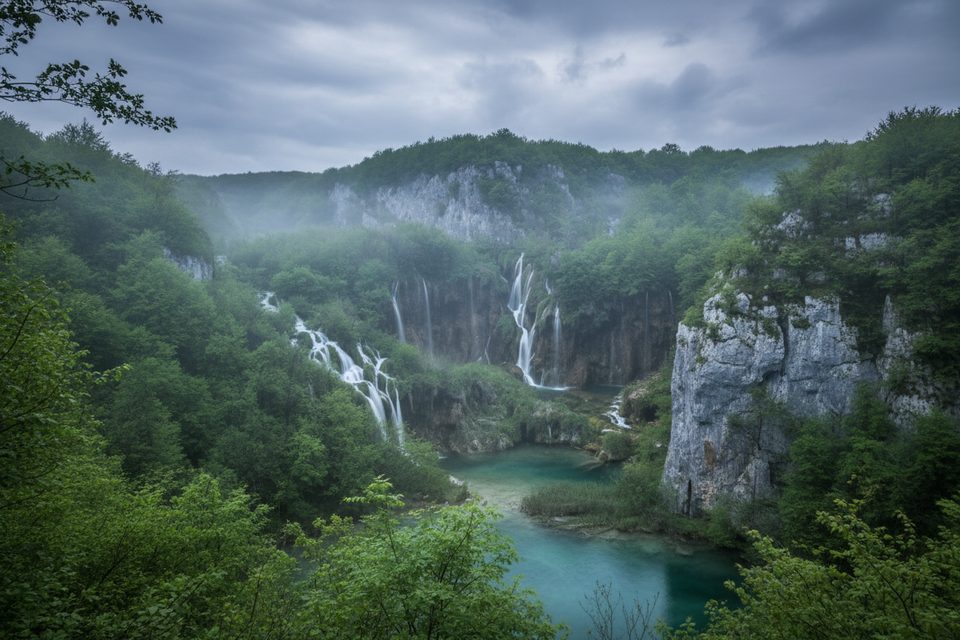
Ciginovac Lake sits in the Upper Lakes cluster, where the water shifts from azure to deep green depending on minerals and light. Wooden boardwalks skim the surface, so you’re close enough to hear—and feel—the whisper of nearby cascades.
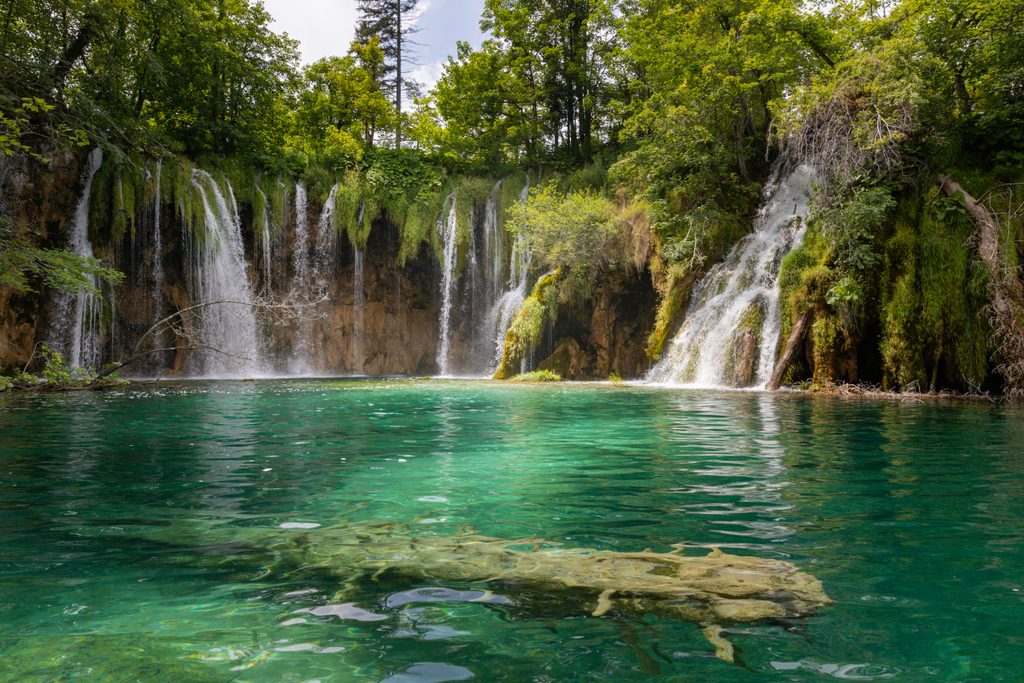
Expect calm, clear water bordered by forested slopes and living "tufa" barriers that stack the lakes like natural steps. On still days you’ll spot fish in the shallows; on breezier ones, watch the colors pop as light dances across the surface.
Unlike the canyoned Lower Lakes, the Upper Lakes—including Ciginovac—sit on less‑permeable dolomite. Over thousands of years, slightly alkaline, calcium‑rich water has precipitated calcium carbonate onto mosses and plants, creating porous travertine (tufa) dams that keep building, millimeters per year.
The surrounding beech–fir–pine forest is a refuge for diverse wildlife. In the water, you may see trout and European chub; above it, forest birds patrol the shoreline. The broader lake system is protected as a UNESCO World Heritage site for its living tufa landscape.
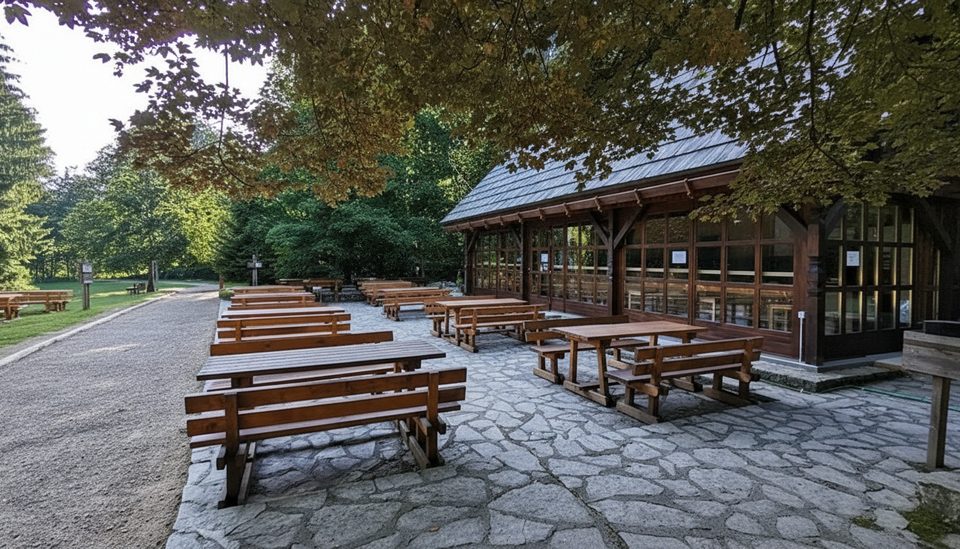
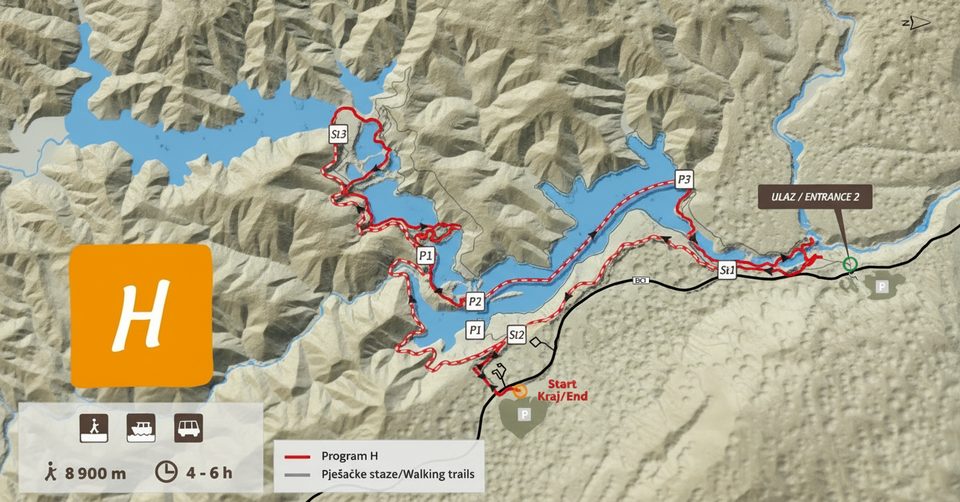
There aren’t standalone toilets on the lakeside boardwalks. Plan breaks at the panoramic “train” stops (St2 or St3 for the Upper Lakes) or the P3 electric‑boat stop if your route crosses Lake Kozjak—these are where you’ll find restrooms and simple food options. Park tickets are timed and best bought online in advance; the internal boat and panoramic vehicles are included with entry.
Weather swings quickly here. Paths can be wet, and some sections turn muddy or partially submerged in certain seasons. Winters are cold with regular snow; sections of the lakes may freeze in December–January, and some paths can close or be limited.
Go early or late in the day for softer light on the water and fewer people. Shoulder seasons offer breathing room, but come prepared for rain in spring and fall and potential winter closures or reroutes. Year‑round, stay on marked boardwalks—tufa barriers are fragile.
Place · 0.1 mi away
Place · 0.2 mi away
Place · 0.5 mi away
Place · 0.7 mi away
Easy · 1.3 mi away
Easy · 1.3 mi away
Easy · 1.3 mi away
Moderate · 2.4 mi away

Parkwolf Tour Guide
