Place · 6.5 mi away

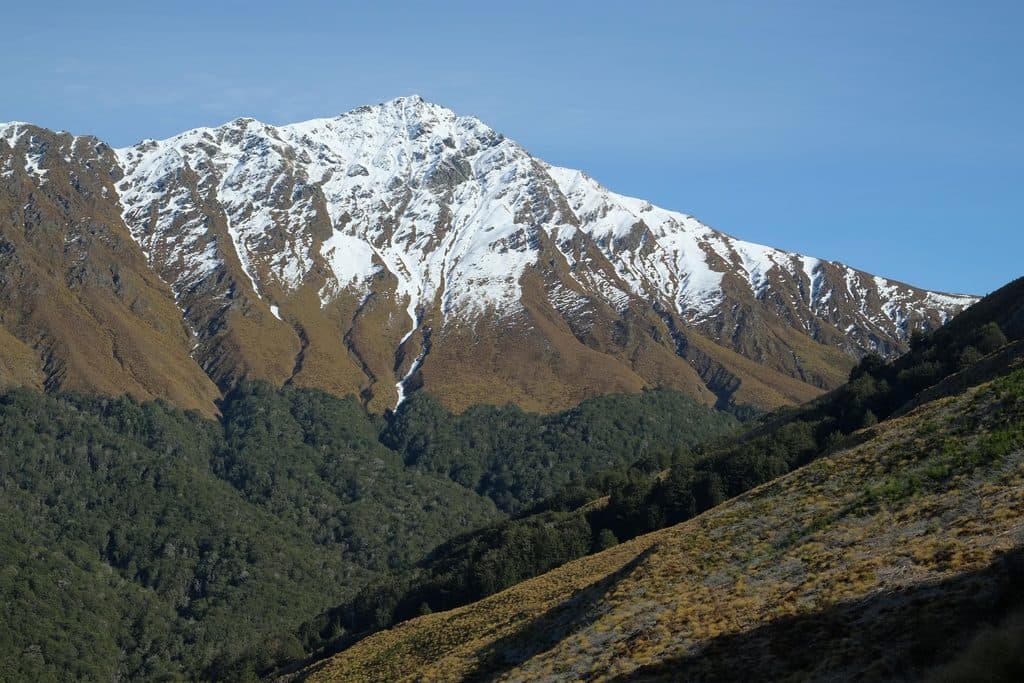
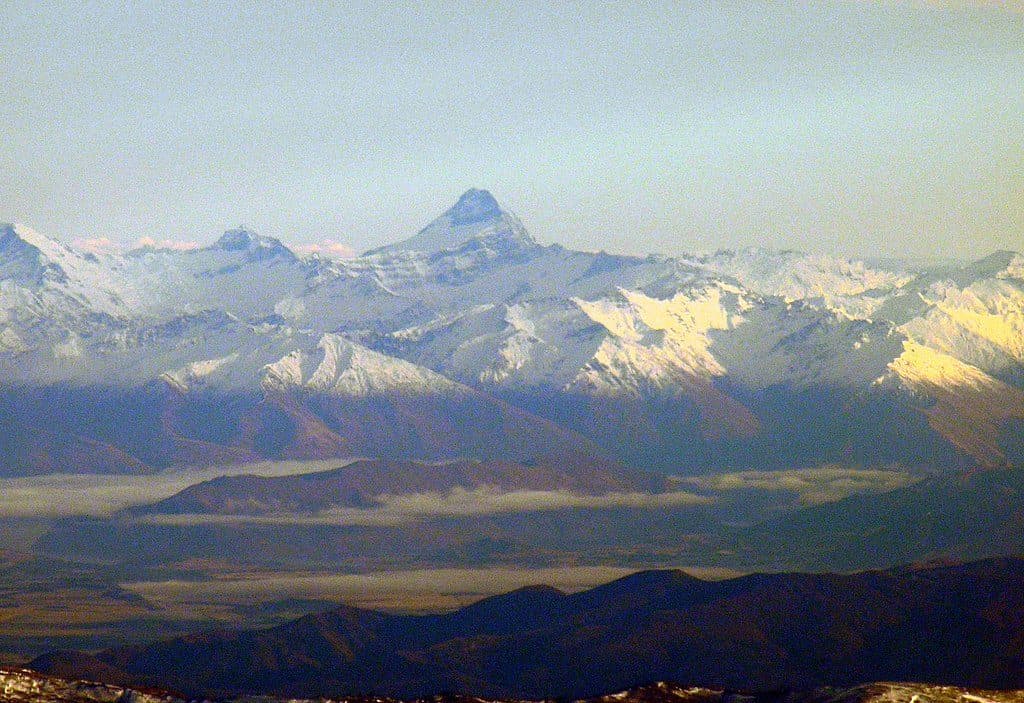
At 3,033 m, Tititea / Mount Aspiring is the namesake summit of a park famed for glaciers, river valleys, and razorback ridges. It’s the marquee alpine climb here—dramatic, committing, and unforgettable if the weather plays ball.
Most guided trips run five to seven days, with one to two training days to dial glacier travel, crampon and ice axe use. A common plan is a morning meet in Wānaka for gear checks and a heli flight to Bevan Col, then a 1–2 hour glacier approach to Colin Todd Hut, your high camp. Summit day typically kicks off around 3:00 a.m., climbing via the Ramp or NW Ridge to gain the airy upper ridge and those sweeping views. Expect a mix of walking, downclimbing, and abseils on descent.
From Colin Todd Hut, the standard options are: cross the Bonar Glacier and drop Bevan Col’s steep slabs back toward the valley (often the quickest in deteriorating weather); or, later in the season when conditions allow, traverse via Mount French to French Ridge Hut with crevasse navigation and roped descents. Some parties pre-arrange a helicopter out from Bevan Col. Huts can fill in good weather windows, so be prepared to tent or bivy. There’s no electricity, internet, or phone coverage on the trip.
Helicopter flights are usually not included in guide pricing; a typical leg to Bevan Col can be around NZD $1,500, sometimes less when sharing the load. Reputable operators include certified guides, all mountain meals, technical gear (crampons, ice axe, helmet, harness, ropes), hut/terrain fees, GST, and ground transport to staging. You’ll supply personal clothing, mountaineering boots, pack, and a sleeping bag.
New Zealand alpine weather changes fast. Itineraries are samples and shift with conditions. If weather shuts down the objective, good operators pivot to sub‑alpine skills or alternate goals; guide fees continue and only unused trip costs are typically refunded once underway. Always verify current track, hut, and avalanche info with the Department of Conservation visitor centre in Wānaka before you set out.
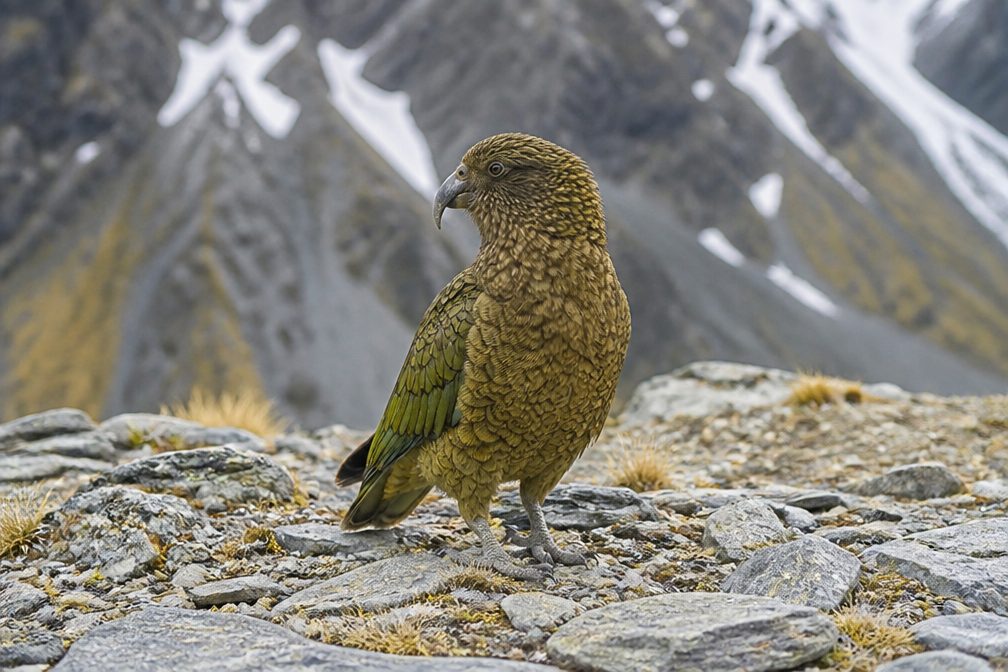
You’re in kea country—clever alpine parrots known to investigate gear. Keep packs zipped and small items stowed at huts and rest stops.
For general walking in this region, the bulk of tracks are best November through March, which is when most guided Aspiring trips also try to align with more favorable conditions. The Matukituki Valley can be walked year‑round, but the summit is always weather‑dependent—build buffer days into your plan.
If you’re keen on a big, guided alpine objective with glacier travel, exposure, and the logistics to match, Aspiring delivers. If you’re after casual valley walks or quick viewpoints, you’ll be happier sticking to the lower tracks and scenic short walks elsewhere in the park.