Overview
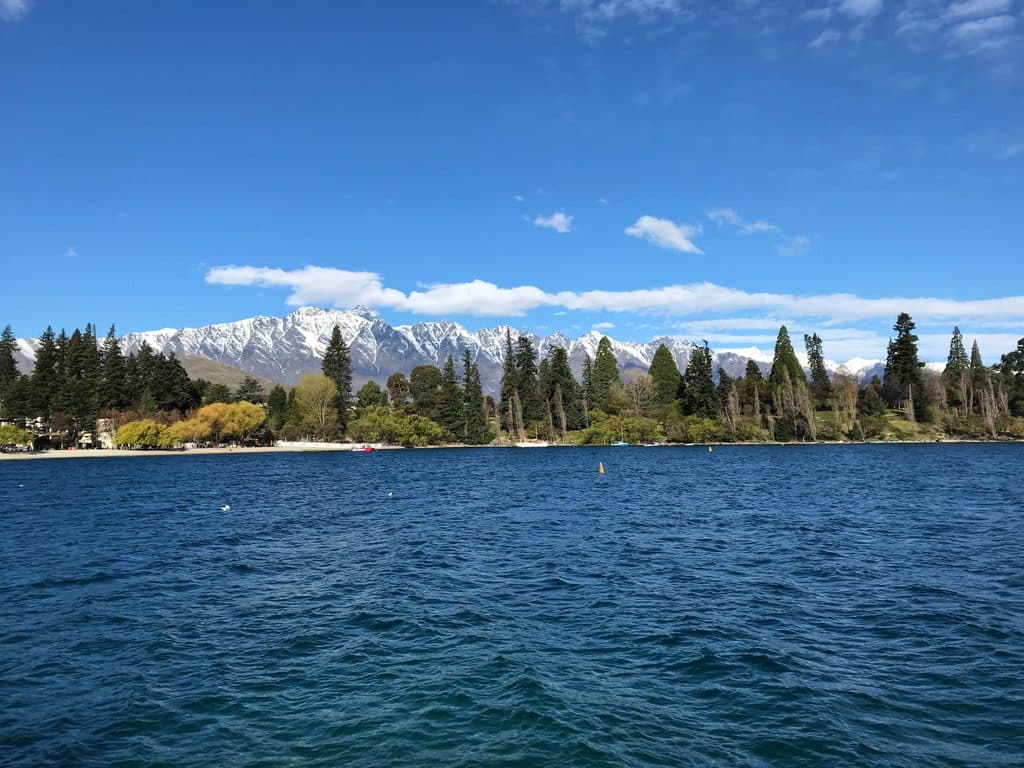
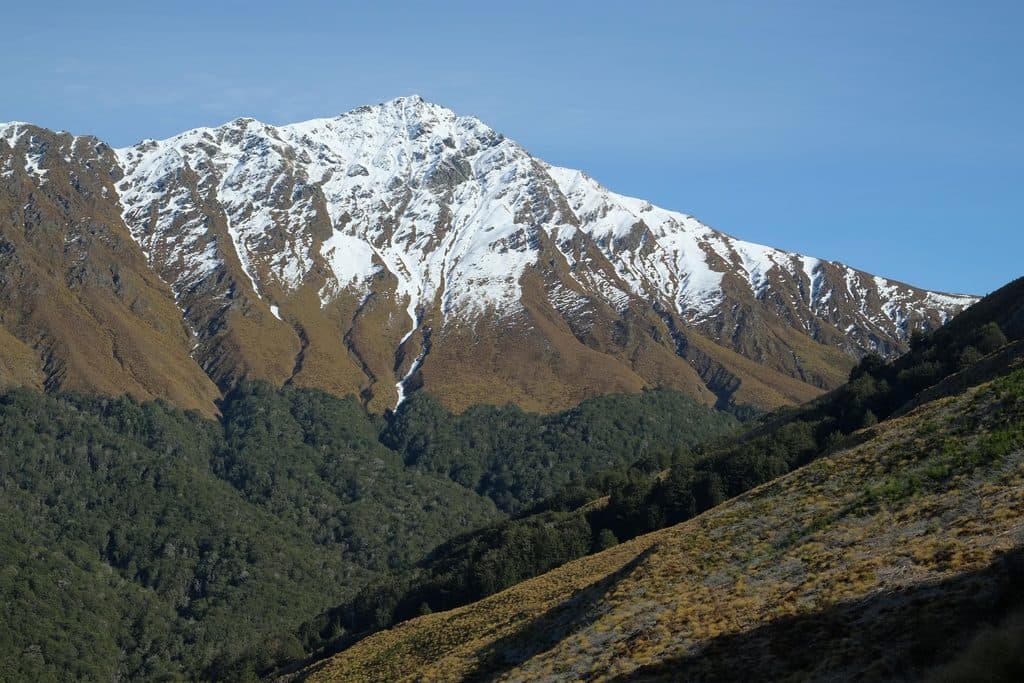
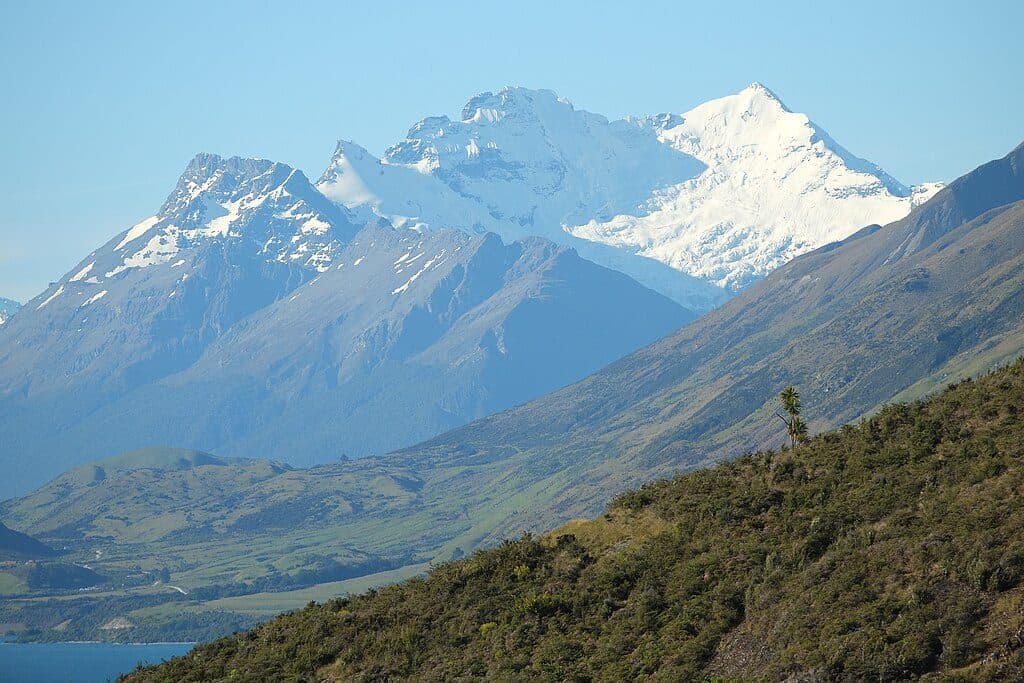
Mount Earnslaw / Pikirakatahi (2,819 m) anchors the skyline north of Glenorchy, its glaciated faces and twin summits rising starkly from Mount Aspiring National Park. The mountain holds deep Ngāi Tahu significance—honored under a tōpuni (protective cloak) and tied to pounamu journeys—so treat this place with extra respect. It even starred on screen, with the massif featured in The Lord of the Rings.
Ways to Experience It
- Earnslaw Burn Track: A demanding, Advanced tramping route from Lovers Leap Road that works through tangled forest before bursting into a broad grassy valley under the icefall. DOC suggests 4–6 hours to the bushline viewpoint; allow roughly another 2 hours to reach the glacier flats, and 10–14 hours total for fit day parties in good summer conditions. Expect roots, slips, steep gullies, and very slow travel when wet. There’s small roadside parking and no toilets at the start.
- Mountaineering: The standard ascent targets the higher East Peak via Rees Valley → Kea Basin → Birley Glacier → Wright Col. The slightly lower West Peak is trickier; the East-to-West traverse is a classic. Typical trips run 3–4 days in stable summer weather, with Earnslaw Hut (basic) and the Esquilant Bivvy providing simple shelter options.
Access Notes
- Earnslaw Burn trailhead: Lovers Leap Road off the Glenorchy–Paradise road; limited informal parking, no facilities. Do not drop to the river from the car park—head straight for the forest to pick up the marked track.
- Kea Basin side: Start from Muddy Creek in the Rees Valley. There are toilets at the car park, but you’ll need to ford the Rees River in low flows; in flood it’s impassable. High-clearance/4WD helps on the valley fords, and patience is essential after rain or snowmelt.
Hazards and Rules
Unbridged crossings, slips, avalanche terrain (seasonal), exposure, and rapidly changing weather define this area. Helicopters regularly visit the glacier—expect noise and occasional downdrafts near the head of the valley. Camping is prohibited on Earnslaw Station private land beyond the forest edge; legal camping is limited to public conservation land near the bush edge/rock biv. There are no toilets on the Earnslaw Burn Track—practice strict Leave No Trace and pack out all waste.
Huts and Bivvies (Mountaineering Routes)
- Earnslaw Hut: Rustic DOC hut below treeline.
- Kea Basin rock bivvies: Simple shelter just above the bushline.
- Esquilant Bivvy (~2,150 m): Near Wright Col, used for summit pushes.
Best Time to Visit
Summer windows (roughly December–February) offer the most reliable conditions for both long Earnslaw Burn day trips and East Peak mountaineering attempts. Start early, set a firm turnaround time, and check DOC notices and weather/avalanche advisories before committing.