
Place · 0.4 mi away
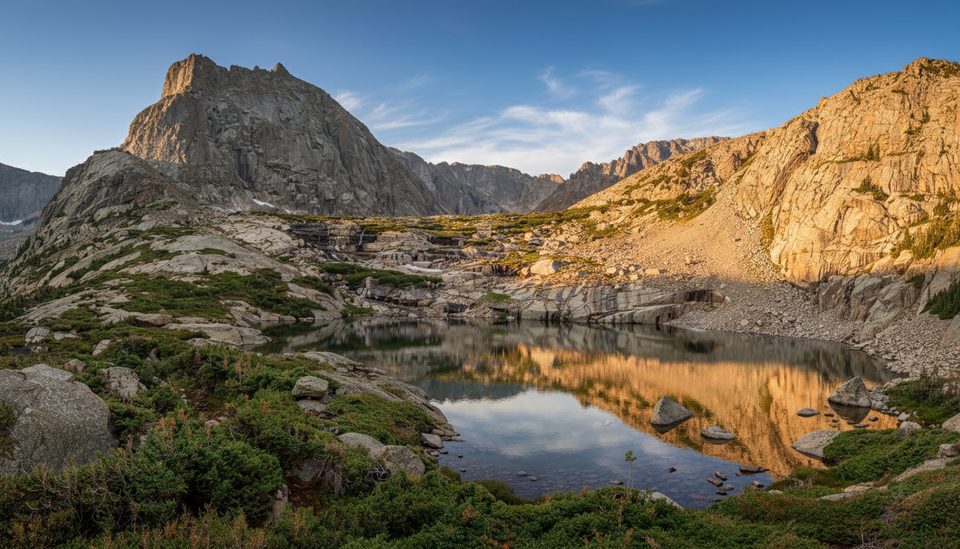
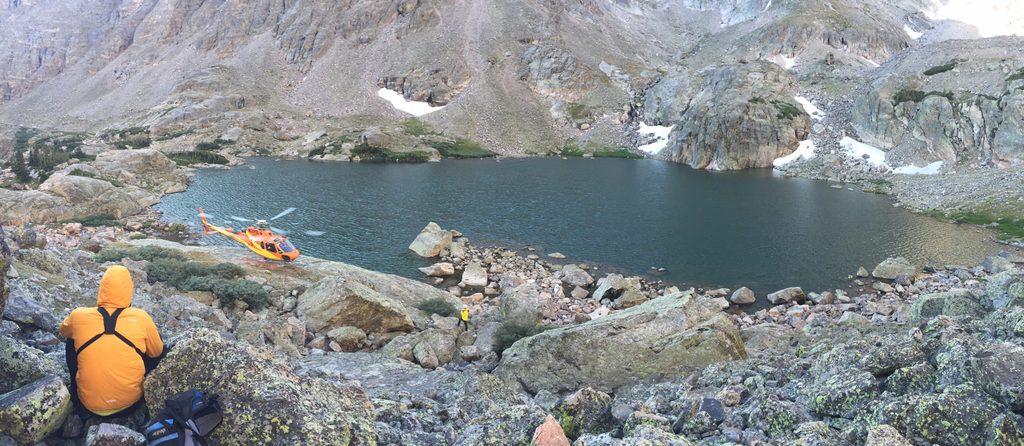
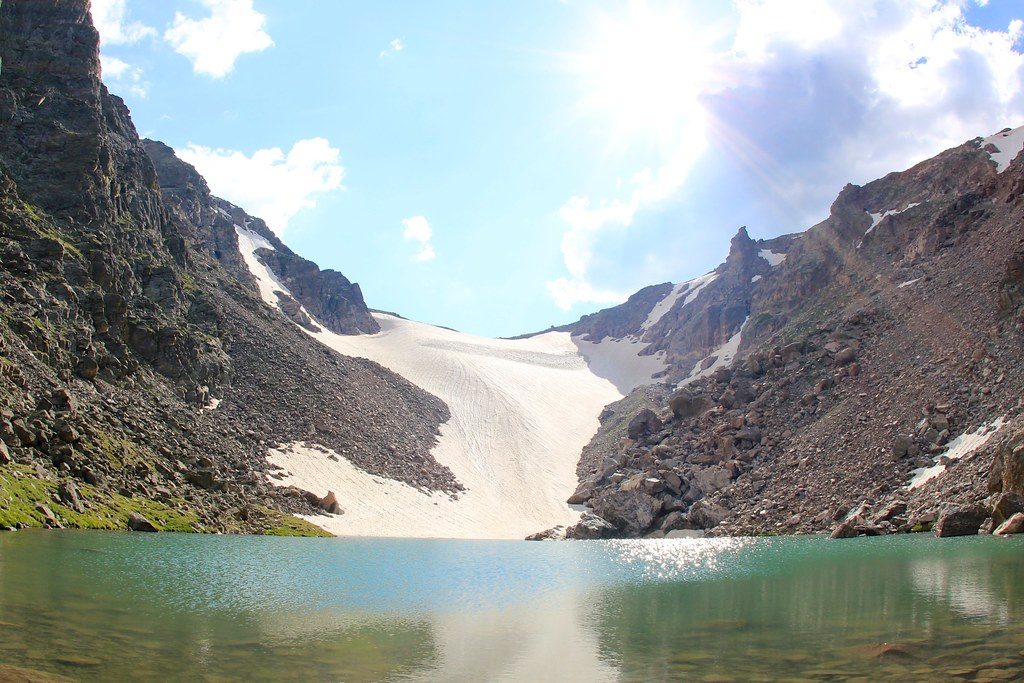
Shelf Lake is a high, tucked-away cirque above Glacier Gorge—a worthy prize for strong hikers who like a little adventure. It’s not on a maintained trail: you’ll follow the popular route past Alberta Falls, Mills and Jewel Lakes, then leave the path near a landmark locals call “Helicopter Rock.” From there, it’s a steep, rough push to a quiet shoreline with big views into the upper gorge.
Plan on roughly 9–10 miles round trip with about 2,300–2,400 feet of gain. The hiking is straightforward on the main Glacier Gorge trail, but the final half‑ to full mile goes off‑trail on a faint social path with cairns, deadfall, and loose footing. You’ll cross Glacier Creek near Helicopter Rock, climb past Shelf Creek Falls, reach Shelf Lake, and can continue a short way to Solitude Lake if you’ve got gas in the tank.
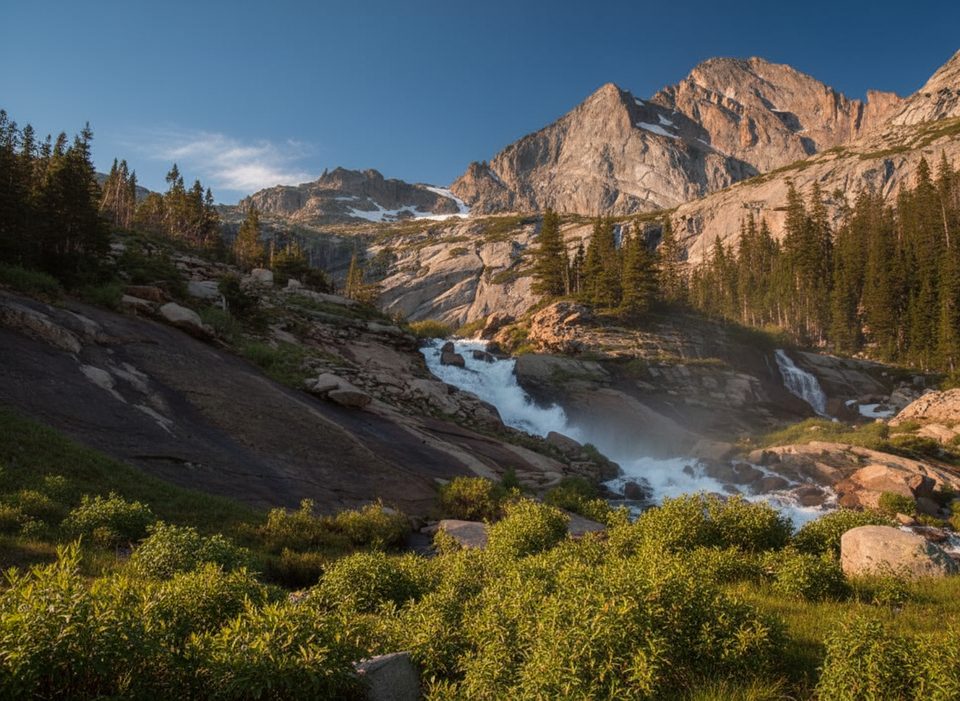
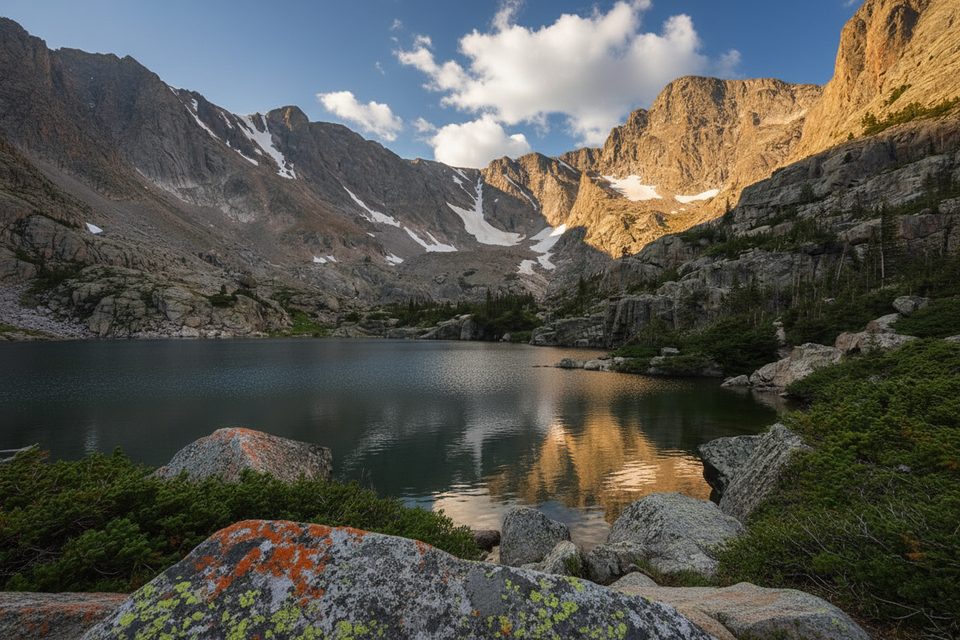
It’s a highlight reel: thundering Alberta Falls down low, the serenity of Mills and Jewel Lakes mid‑route, then cascades and polished slabs as you gain altitude. At Shelf Lake you’re ringed by rugged walls with views toward Longs Peak and the Keyboard of the Winds. Marmots are common up high; elk and deer frequent Glacier Gorge—give all wildlife plenty of space.
This is a difficult hike. Expect sustained climbing and a final, very steep mile that demands sure footing and careful route‑finding. If you’re comfortable leaving the crowds and following cairns over rough terrain, you’ll love it. If you’re after an easy lakeside stroll, turn around at Mills Lake instead.
Best window is mid‑summer through September. Snow and ice can linger early; even in July a cold front can deliver hail. Afternoon thunderstorms are routine—start early and aim to be back below treeline by early afternoon.
Glacier Gorge Trailhead parking is limited and fills early; many hikers begin from Bear Lake or use the Bear Lake corridor shuttle when it’s running. Seasonal timed‑entry permits apply here—plan ahead. There are restrooms at/near the trailhead, but nothing on the route; no potable water is available.
Carry a map/GPS and know how to use it; the upper route is easy to lose. Trekking poles help on the steep, loose descent. Bring extra layers, sun protection, and enough food and water. In winter conditions this becomes a mountaineering objective—don’t attempt without proper training and gear.
Place · 0.4 mi away
Place · 0.7 mi away
Place · 0.7 mi away
Place · 0.8 mi away
Moderate · 2.4 mi away
Challenging · 2.4 mi away
Challenging · 2.4 mi away
Challenging · 2.4 mi away

Parkwolf Tour Guide
