
Place · 0.9 mi away
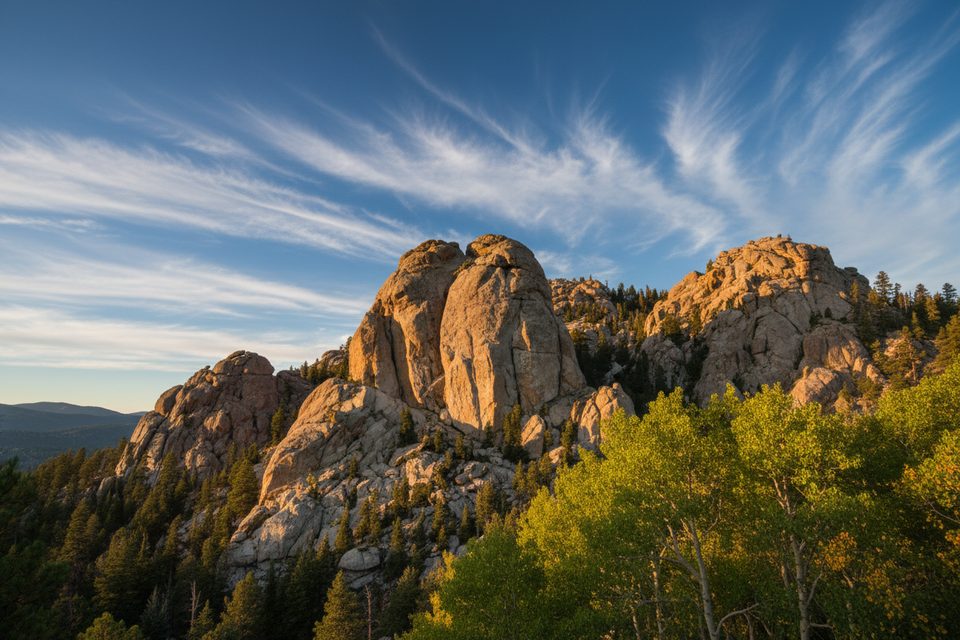
Twin Owls are two distinctive granite towers perched on Lumpy Ridge, an easy hop from Estes Park. You’re here for the sculpted stone, the roomy Front Range views, and a mellow loop that brushes the base of the formation without turning into a suffer‑fest. Climbers treat the spires as a destination; hikers get the scenery with far less commitment.
The main loop from the Gem Lake (Lumpy Ridge) Trailhead is short, signed, and on good tread. You’ll pass open ponderosa forest and slabs with frequent peeks at the skyline before the trail swings near the base of the Twin Owls. Expect wildflowers in season, big granite textures up close, and easy-to-find photo perches. Early mornings are pleasantly quiet; by late morning the area draws day‑hikers and climbers.
Start at the Gem Lake/Lumpy Ridge trailhead, which has restrooms and parking. There’s no shuttle service here, and spaces go early—especially on summer weekends. Parts of the loop pass near MacGregor Ranch lands; stay on the signed trail. Cell service can be spotty, so grab a photo of the trailhead map before you start.
Lumpy Ridge showcases coarse‑grained granite sculpted by long‑term weathering rather than recent glaciation. The Twin Owls are classic erosional remnants—stacked blocks and rounded forms that look uncannily like two perched birds when viewed from the right angle.
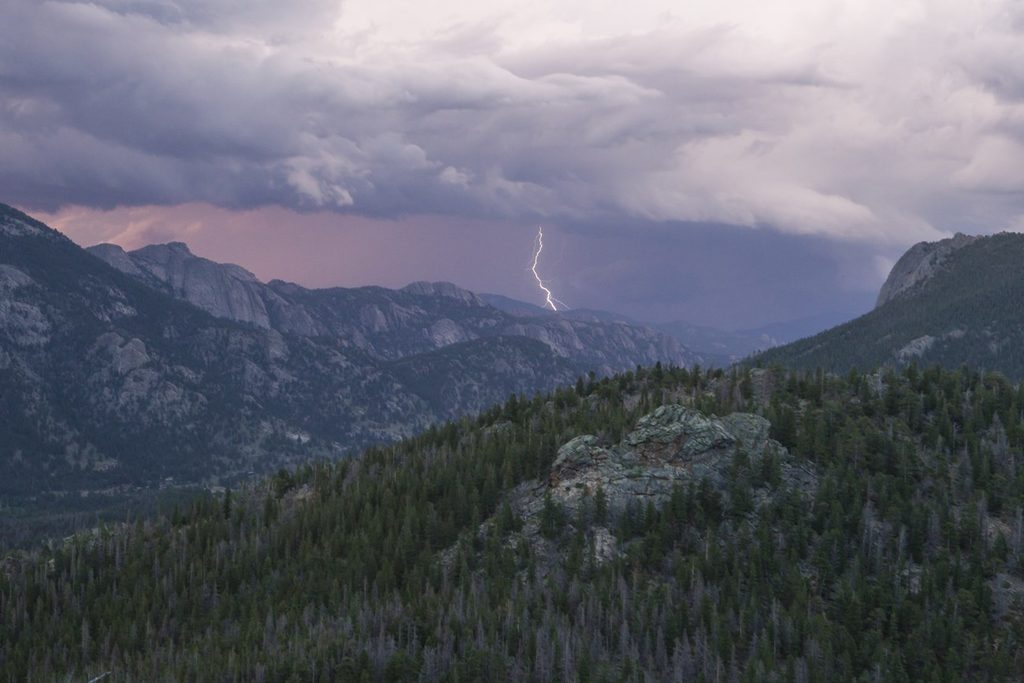
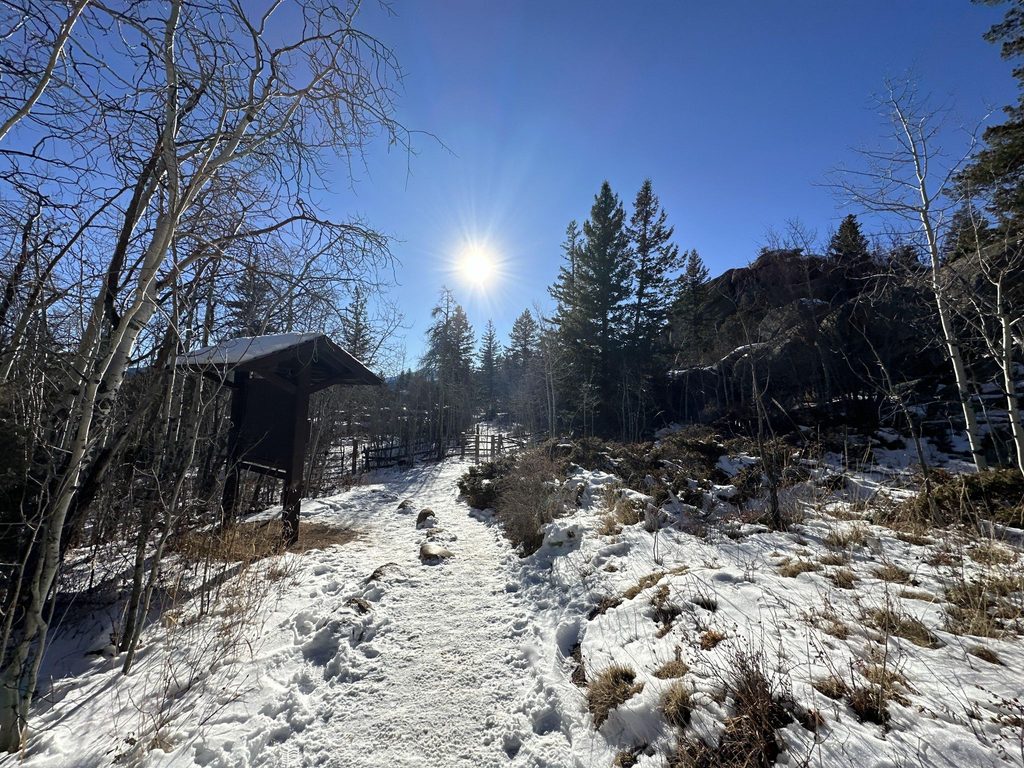
This lower‑elevation corner of the park often stays hikeable in winter and shoulder seasons, but icy patches are common—traction helps. Summer brings hot, exposed stretches and routine afternoon thunderstorms; start early and turn around if storms build. Expect climber traffic near the base.
This isn’t a wildlife hotspot, but the area does see the usual foothills visitors—keep your distance and give any animals plenty of space.
Place · 0.9 mi away
Place · 1.1 mi away
Place · 2.1 mi away
Place · 2.4 mi away
Challenging · 0.5 mi away
Moderate · 0.5 mi away
Moderate · 0.5 mi away
Moderate · 0.5 mi away

Parkwolf Tour Guide
