
Place · 0.1 mi away
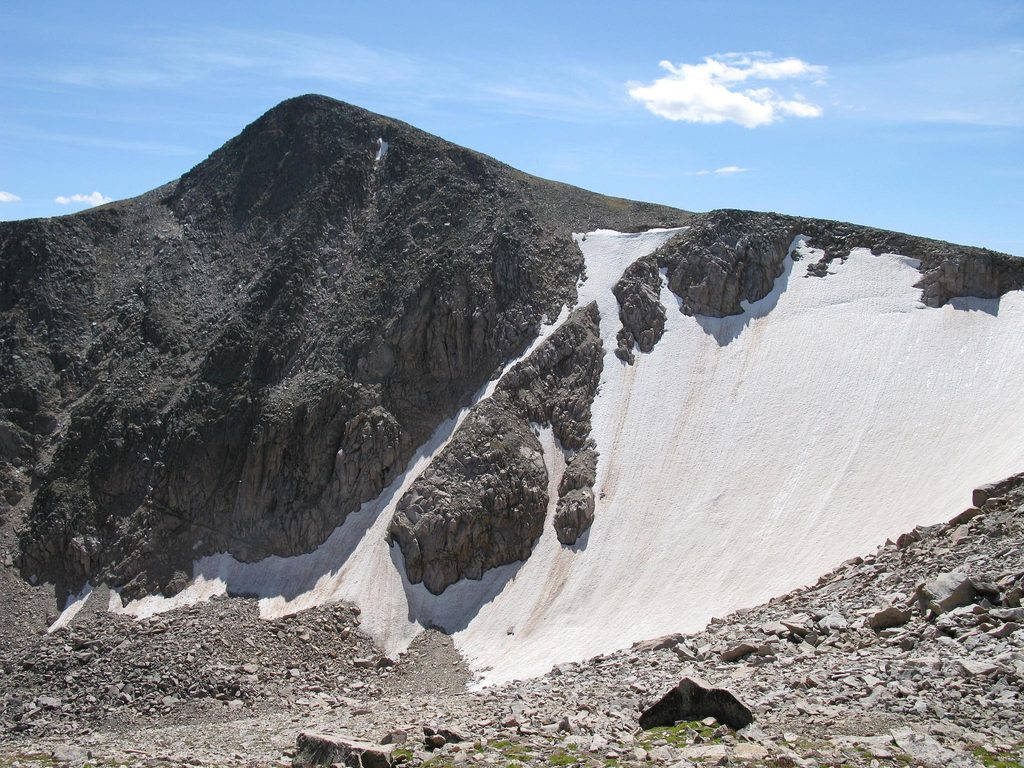
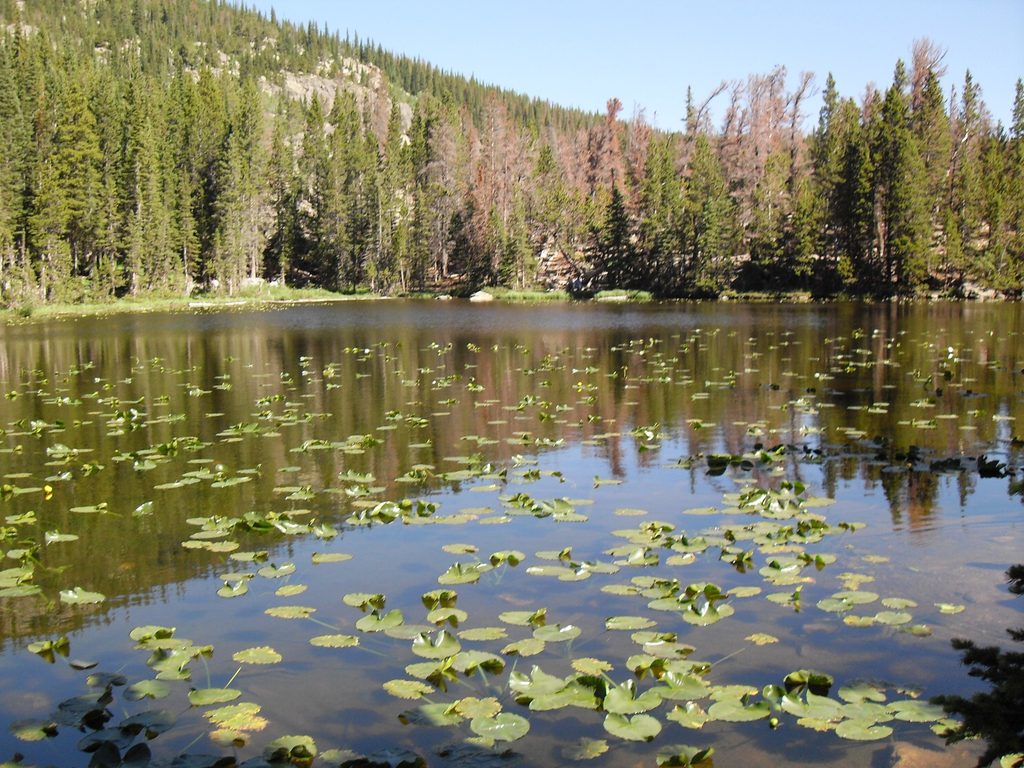
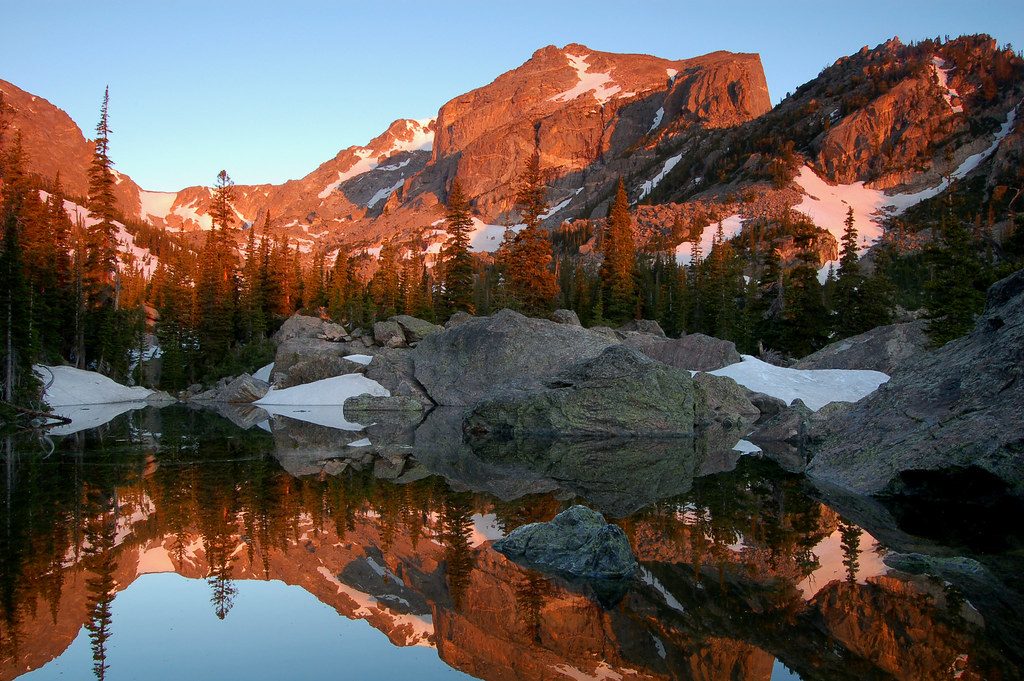
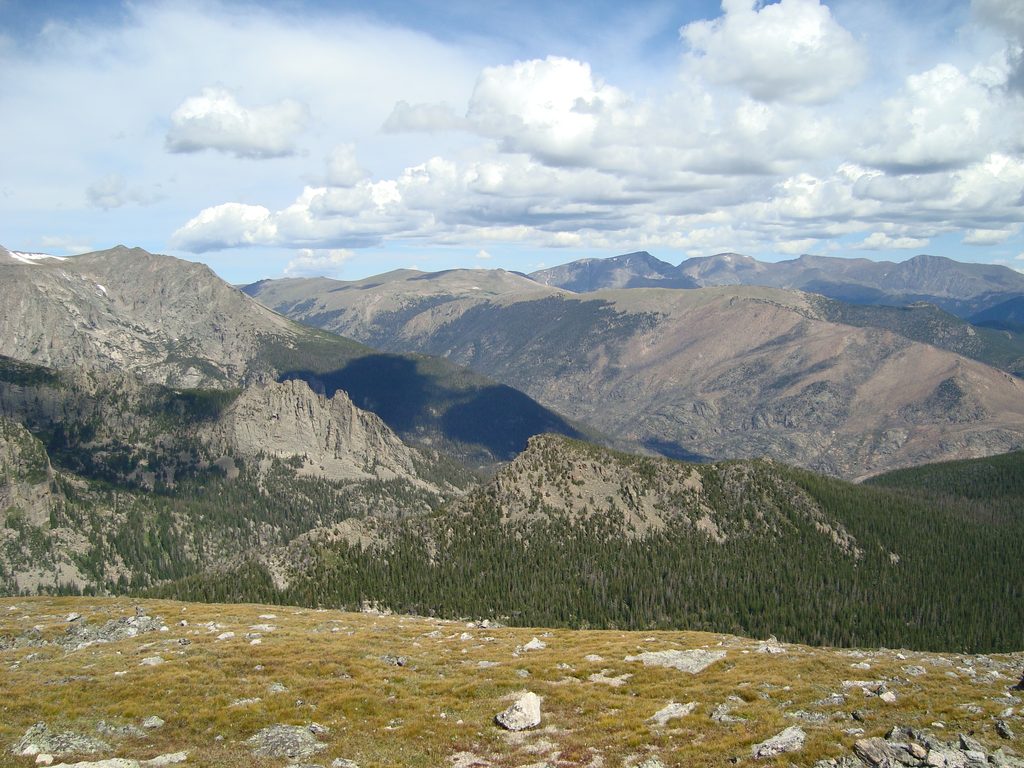
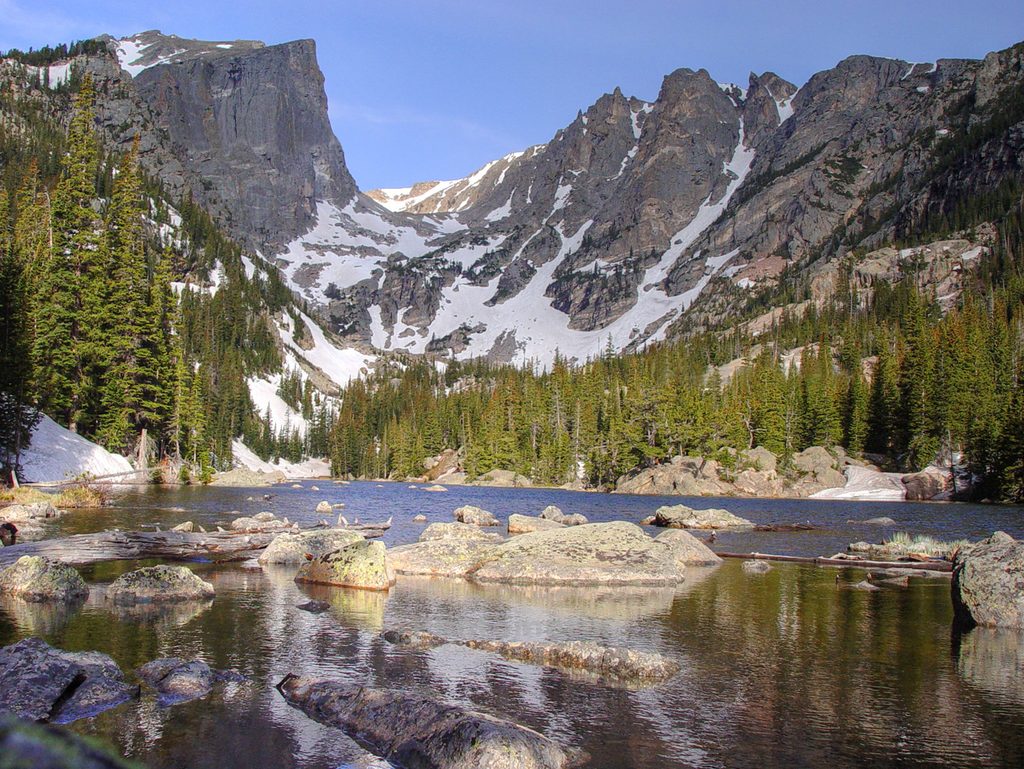
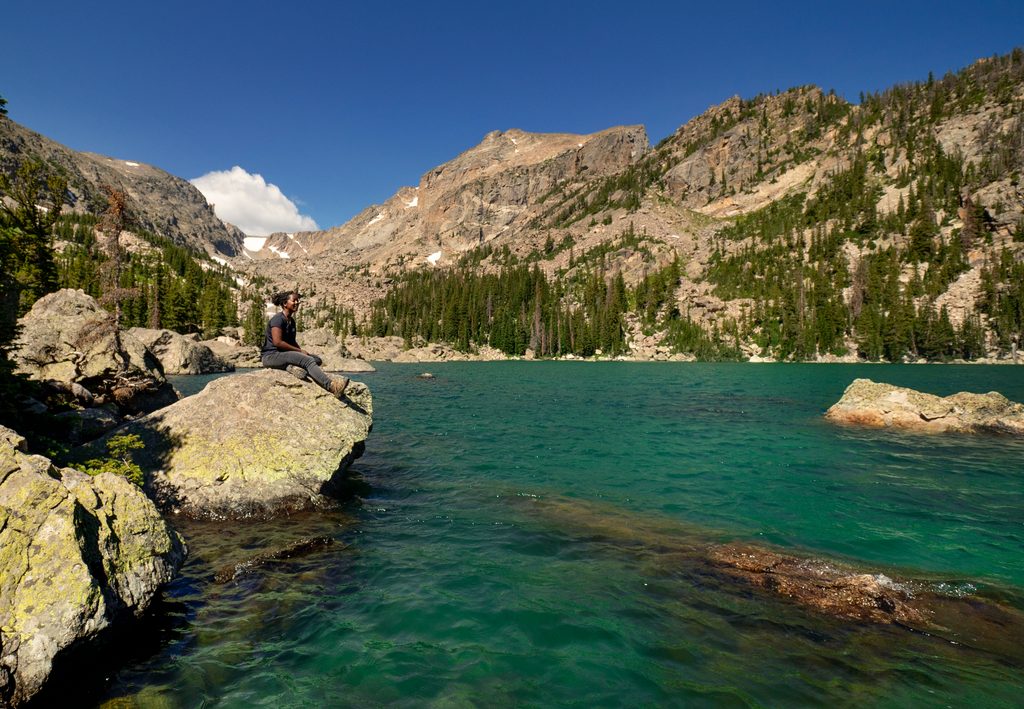
Tyndall Gorge is the dramatic, U‑shaped valley tucked between Hallett Peak and Flattop Mountain. It’s the corridor for the park’s most beloved lake trio—Nymph, Dream, and Emerald—capped by a steep cirque beneath the remnant Tyndall Glacier. Expect constant scenery: polished bedrock, stair‑stepped lakes, and sheer walls that make every turn feel like a postcard.
Most visitors hike from Bear Lake to Nymph, Dream, and Emerald Lakes and return the same way. A popular add‑on is the spur to Lake Haiyaha from the Dream Lake junction. With the Haiyaha spur, plan on roughly 5.1 miles round‑trip and about 1,100 feet of total gain, starting around 9,450 feet. Strong, experienced hikers sometimes venture off‑trail beyond Emerald toward the Tyndall Glacier headwall—this is rugged, steep scrambling and only for those who are prepared.
Access is via the Bear Lake Trailhead. The lot fills very early during peak season; if it’s full, use the Park & Ride and shuttle to Bear Lake. The park commonly requires a timed‑entry reservation for the Bear Lake Road corridor in busy months—reserve in advance and have your confirmation handy at the gate. Starting early isn’t optional here; it’s the difference between a serene morning and a shoulder‑to‑shoulder crowd.
Afternoon thunderstorms are common—plan to be off high, exposed areas by early afternoon. Shoulder seasons often mean packed snow and ice; microspikes and poles can be the difference between tip‑toeing and enjoying the hike. Watch for altitude effects (headache, nausea, dizziness). Bring more water and salty snacks than you think you’ll need; the elevation sneaks up on people.
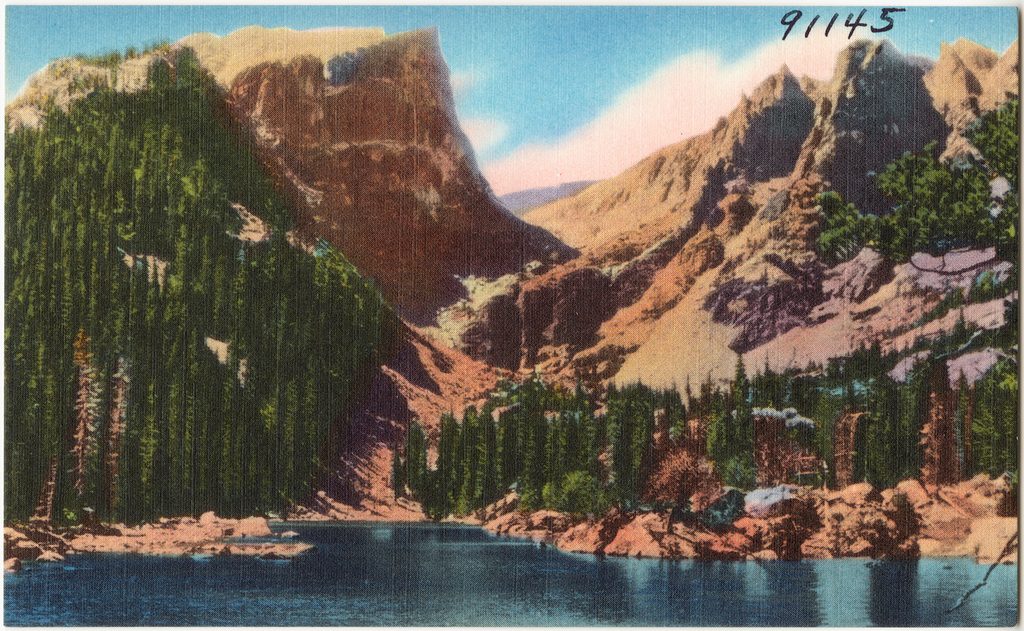
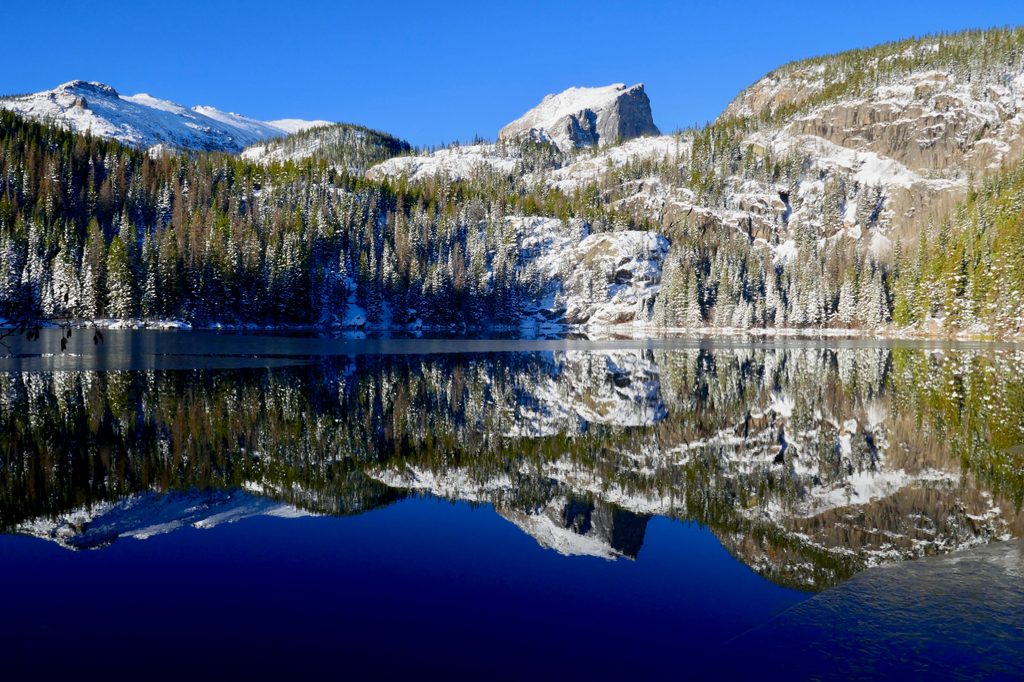
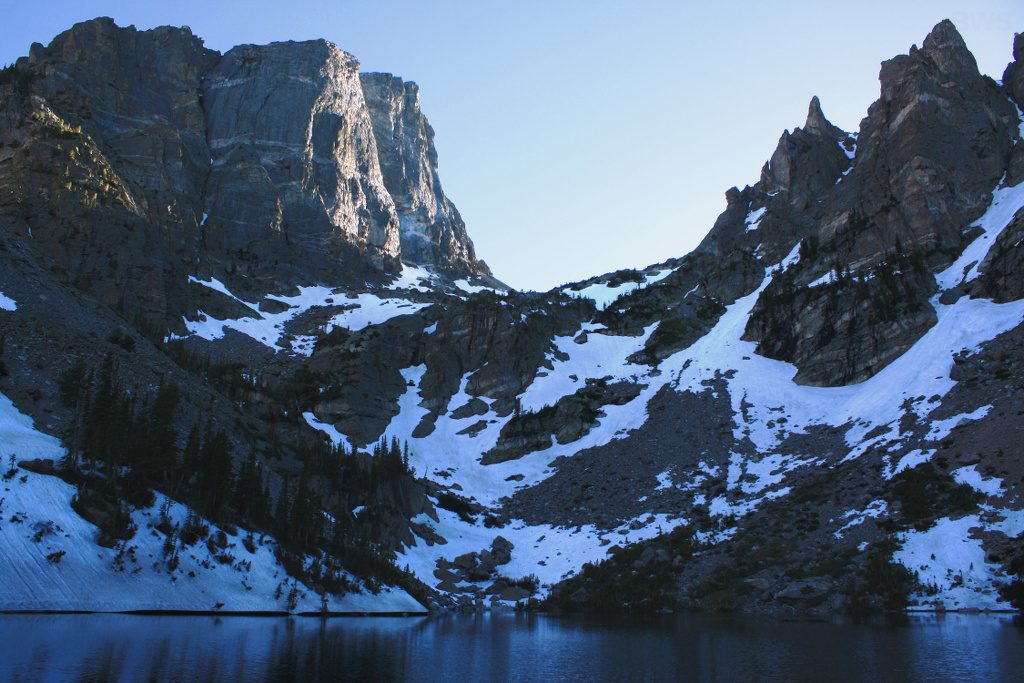
This is a textbook glacial landscape: a classic U‑shaped gorge with lakes perched in steps, dammed by bedrock and old glacial deposits. Emerald Lake sits in a steep‑walled cirque beneath the Tyndall Glacier remnant, with Hallett’s sheer east face stealing the show whenever the wind calms and reflections pop.
Keep an eye out for elk and mule deer in the meadows and forest edges, plus pika and yellow‑bellied marmots among talus. Chipmunks are everywhere—don’t feed them. Look and listen for high‑country birds like Clark’s nutcrackers and Steller’s jays. Trout are often visible cruising the lake shallows. Give all wildlife space and stay on durable surfaces to protect fragile subalpine plants.
Vault toilets are available at trailheads along Bear Lake Road (no running water—bring your own). Designated picnic areas exist elsewhere in the corridor (use those rather than lakeshores), and parking is at the trailheads or via the Park & Ride shuttle when lots are full.
Aim for an early start—think pre‑8 a.m., and earlier in peak season—to score parking, calmer winds, and fewer people, and to dodge afternoon storms. Shoulder seasons can be gorgeous but icy; summer brings the biggest crowds and the most reliable trail conditions.
Place · 0.1 mi away
Place · 0.3 mi away
Place · 0.4 mi away
Place · 0.6 mi away
Moderate · 0.4 mi away
Challenging · 0.4 mi away
Easy · 0.4 mi away
Moderate · 0.4 mi away

Parkwolf Tour Guide
