
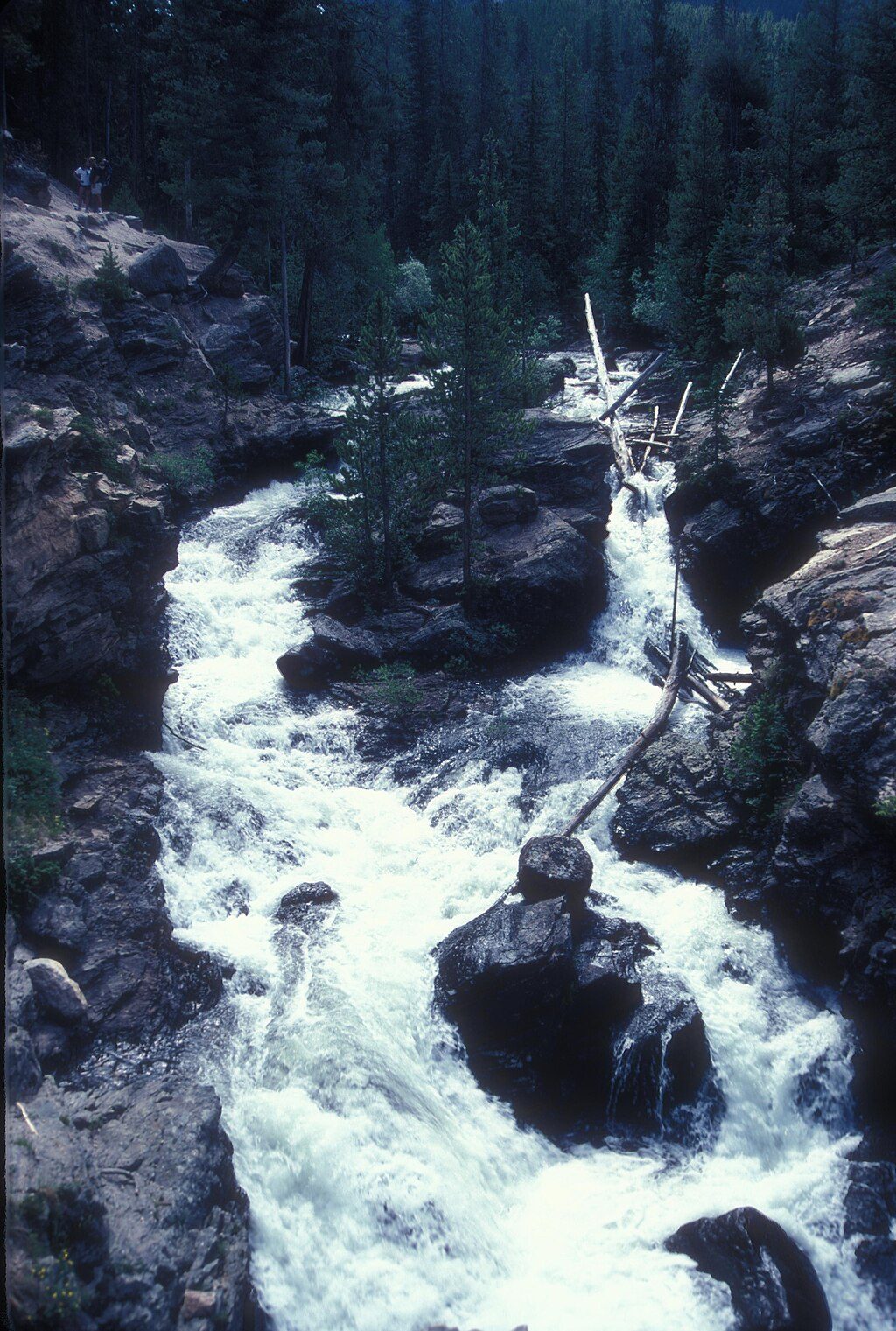
Place · 0.3 mi away
Challenging
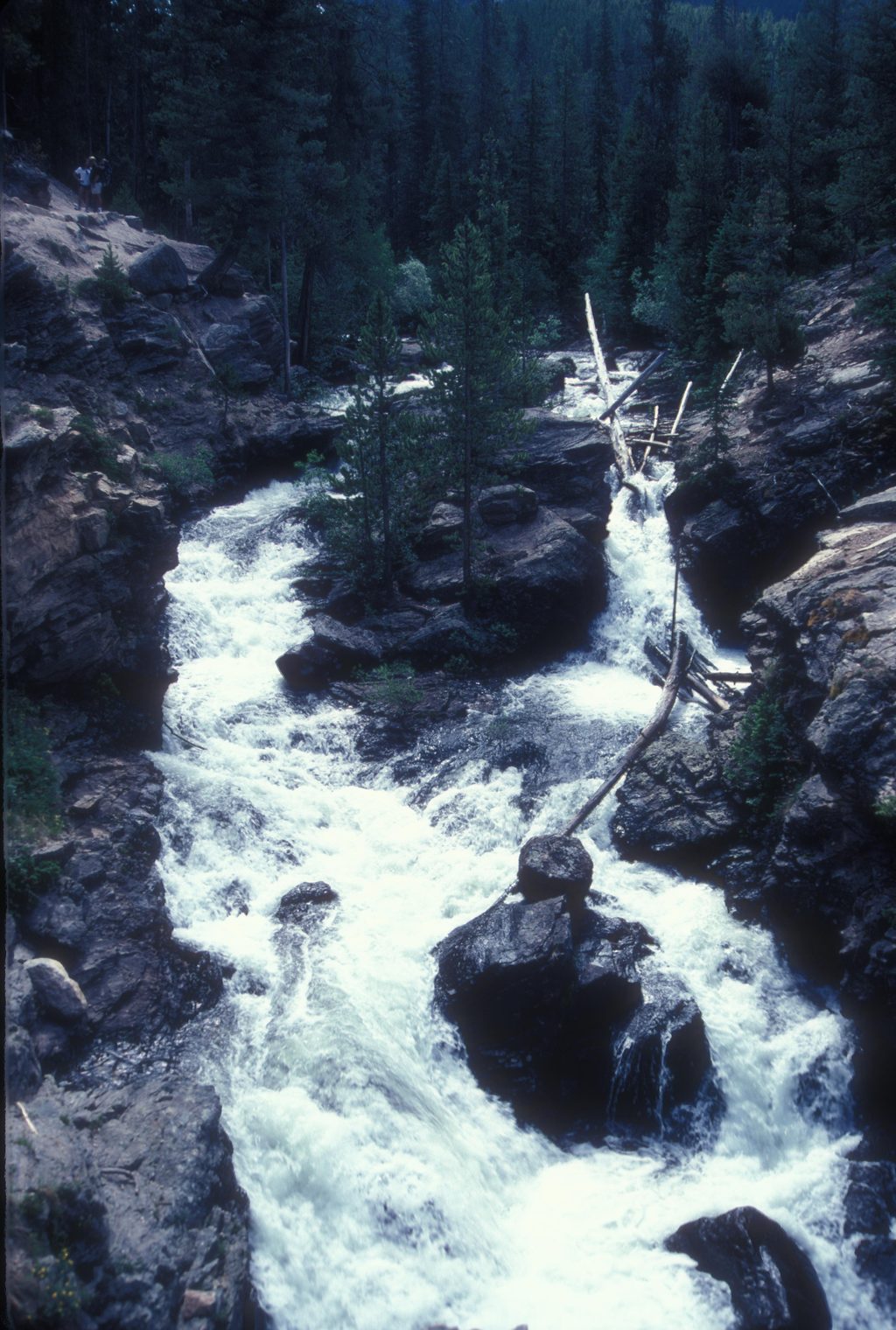
This is a big, beautiful day on Rocky’s west side: roughly 13.5 miles total out-and-back with around 2,000 feet of elevation gain to reach Lake Verna. The route follows the East Inlet Trail from the East Inlet Trailhead, easing you in past thundering Adams Falls and across the broad East Meadow before settling into a long, steady climb through aspen and spruce forest. Plan on 6–7 hours of moving time for strong hikers; add more for breaks, photos, and soaking up the lakeshore.
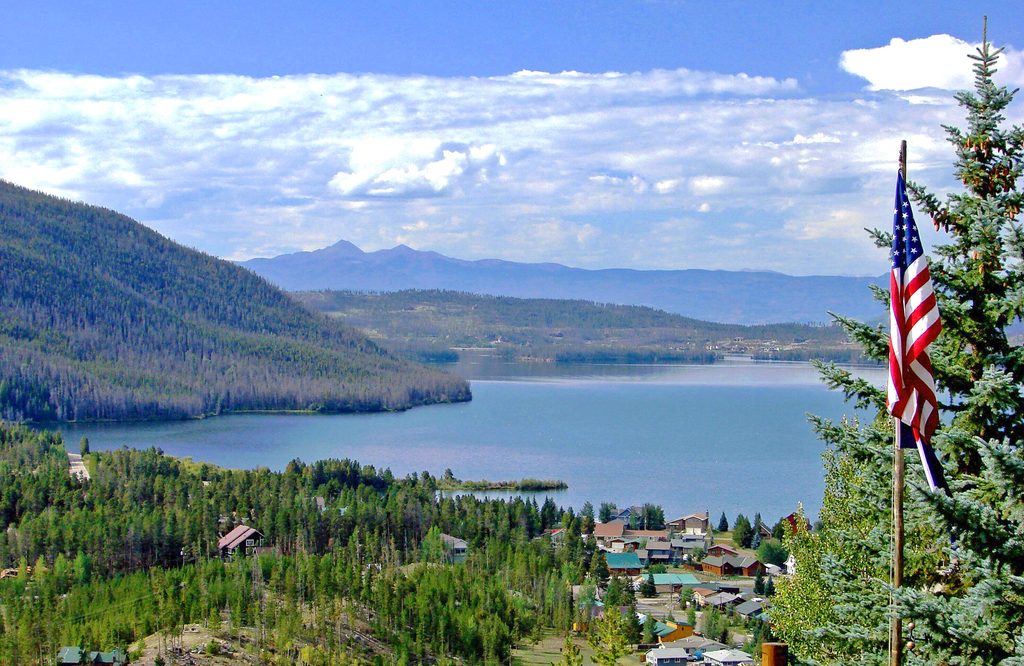
Early miles are mellow and scenic—East Inlet Creek meanders through the meadow with wide-open views. Around three miles in, a rocky outcrop offers a worthy pause and panorama toward Grand Lake. As you gain elevation, the forest closes in and the trail steepens en route to Lone Pine Lake (about 5.5 miles from the trailhead). From there it’s a final push to Lake Verna, sitting just over 10,200 feet, where the water mirrors dark conifers and granite walls. Wildlife is a real possibility here—elk frequent the meadows and moose like the willow-lined water.
Maintained trail effectively ends at Lake Verna. An unimproved path continues along the north shore toward Spirit and Fourth Lakes, and on to Fifth for capable parties. As of early August 2025, the route beyond Lake Verna has been mostly underwater and difficult to follow—don’t bank on continuing unless conditions are favorable and you’re prepared to turn around.
Late spring through September is the sweet spot. Expect lingering snow and occasional ice on higher sections into mid-summer, especially above 10,000 feet. Typical mountain pattern applies: start early to dodge afternoon thunderstorms and to enjoy calm, reflective water for photography. This is not a great winter objective.
Designated backcountry sites along the corridor make this a solid overnight. There is one site at Lake Verna near the west end of the lake (no privy). Treat all lake and outlet water before drinking. Campfires are prohibited at Lake Verna, and bear-resistant food storage canisters are required seasonally (Apr 1–Oct 31). Pets are not allowed on any trails in the park.
Conditions change fast in the Rockies—what’s dry in the meadow can be wet, muddy, or icy higher up. Carry layers, rain protection, solid footwear, and trekking poles. Limited cell service means you should download an offline map and know how to navigate if snow or blowdowns obscure the tread. Ticks are out; do frequent checks. If the trail is muddy, go straight through to protect fragile edges.
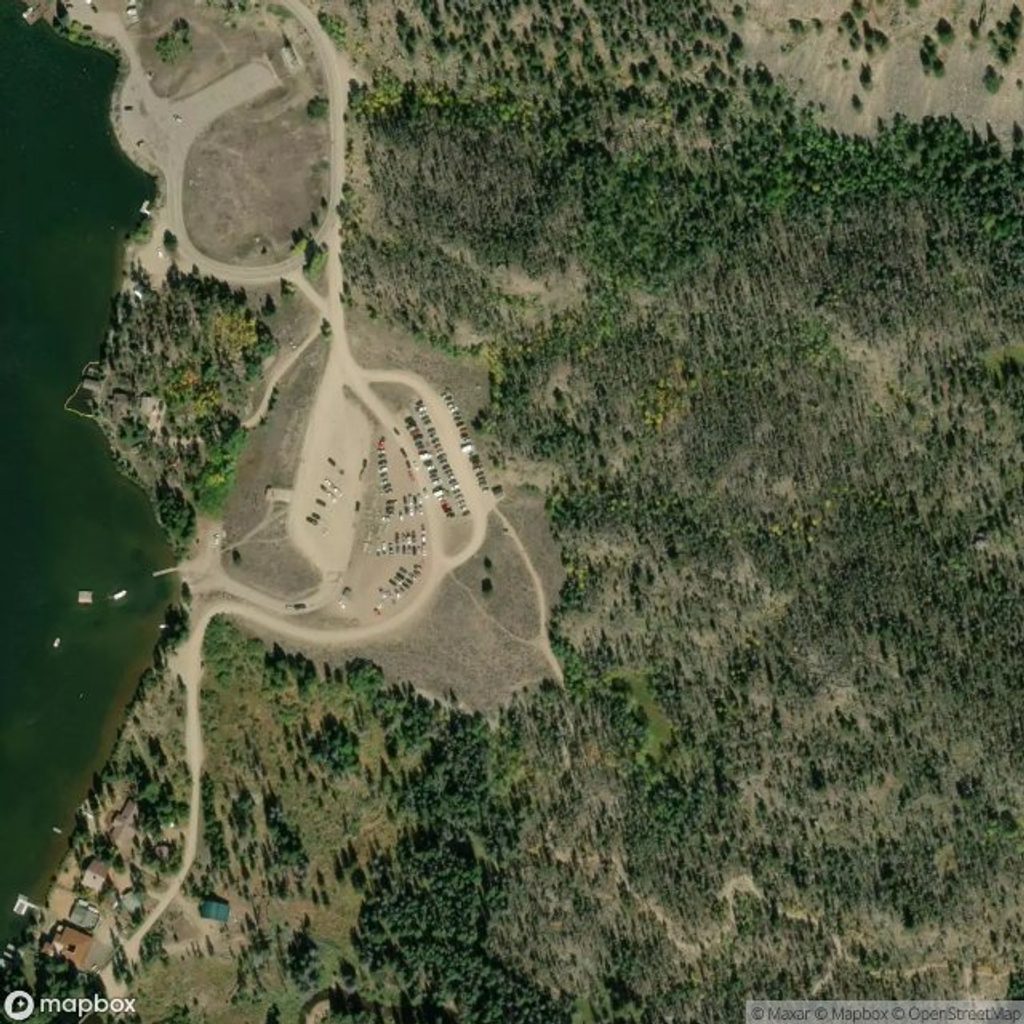
Park at the East Inlet Trailhead at the end of West Portal Road in Grand Lake. From Kawuneeche Visitor Center, drive ~1.7 miles south on US‑34, turn left on West Portal Road, then go about 2 miles to the trailhead.
Rapid weather shifts, afternoon thunderstorms, lingering snow/ice above 10,000 ft, limited cell service, ticks, and as of Aug 2025 the path beyond Lake Verna is mostly underwater and hard to follow.
Place · 0.3 mi away
Place · 0.9 mi away
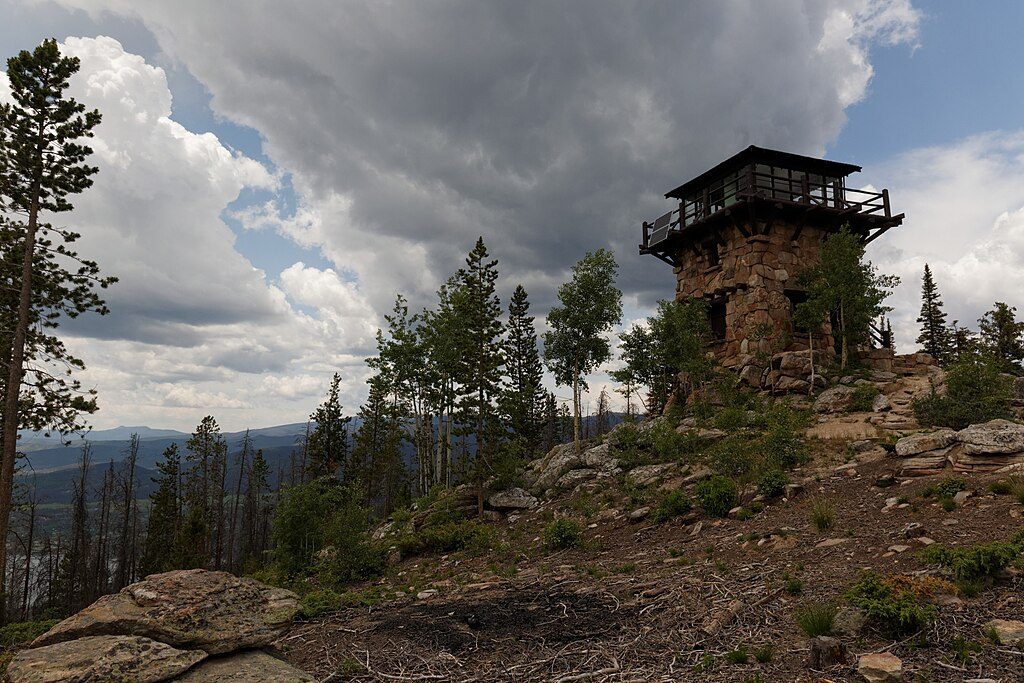
Place · 1 mi away
Place · 1.9 mi away
Challenging · 0 mi away
Challenging · 0 mi away
Moderate · 0 mi away
Easy · 0 mi away

Parkwolf Tour Guide
