
Place · 0.3 mi away
Challenging
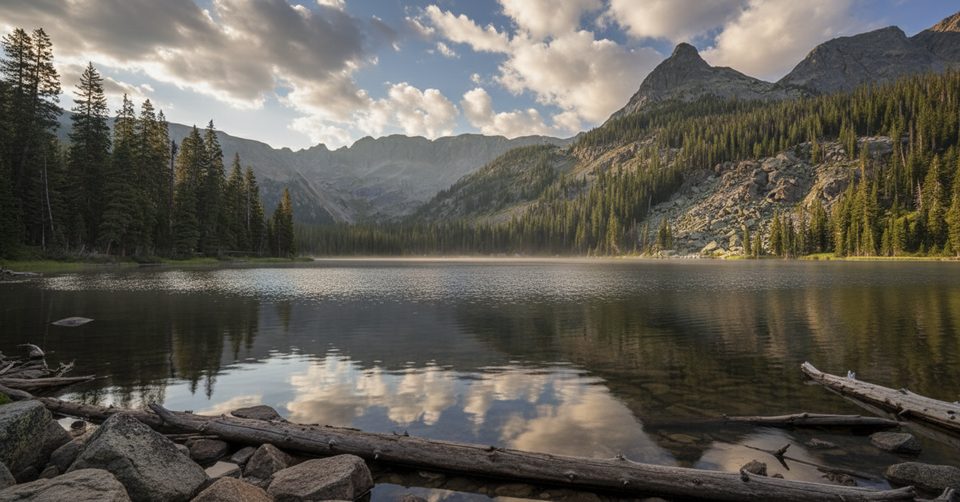
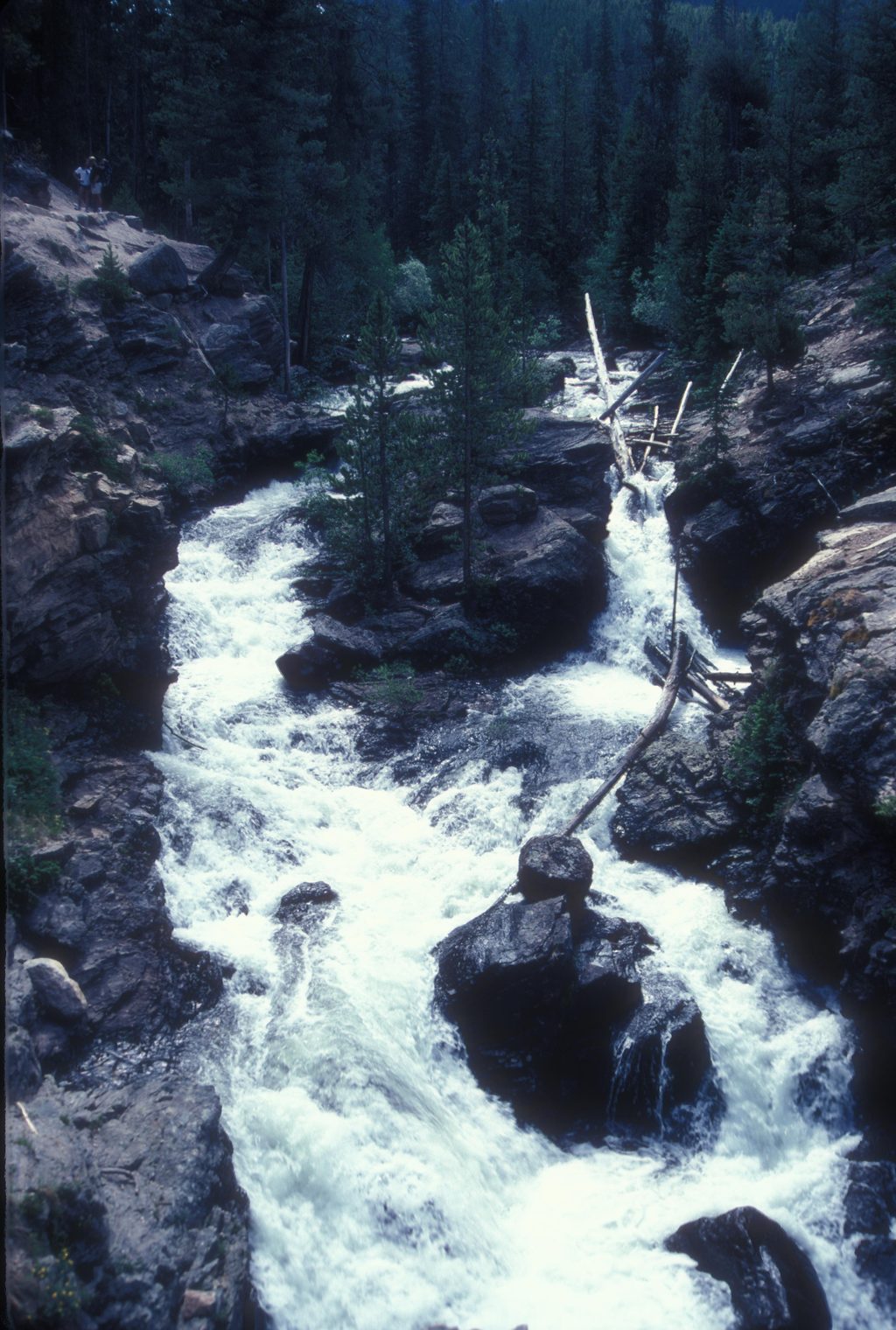
Spirit Lake via the East Inlet Trail is a big, beautiful day in Rocky Mountain National Park’s west side lake country. Expect about 16.8 miles total out-and-back with roughly 2,400 feet of gain. It’s a stout undertaking, but the payoff is a string of classic Colorado scenes: a roaring waterfall, wildlife-rich meadows, cool forest, and a trio of high-country lakes capped by Spirit Lake’s dramatic skyline.
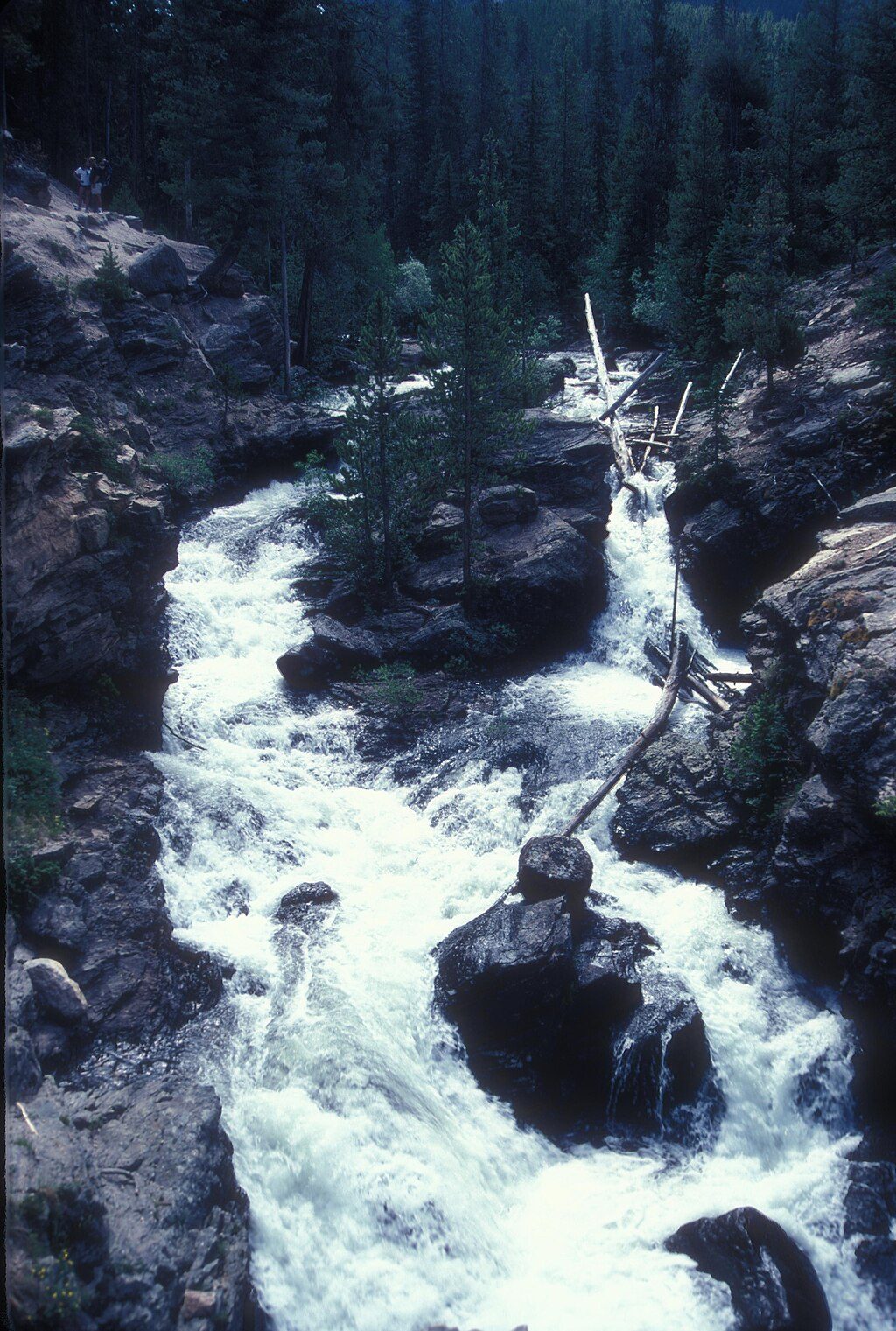
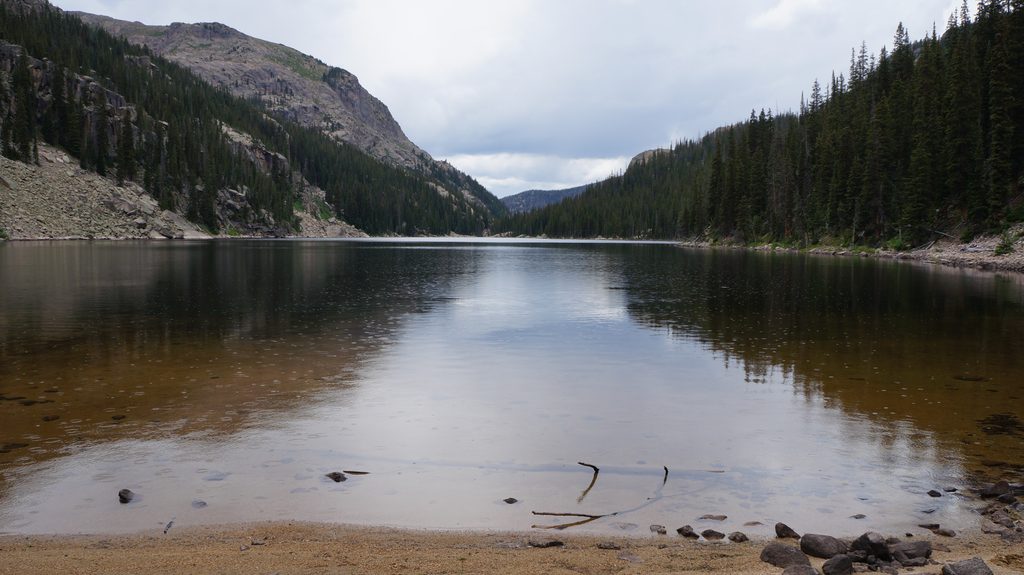
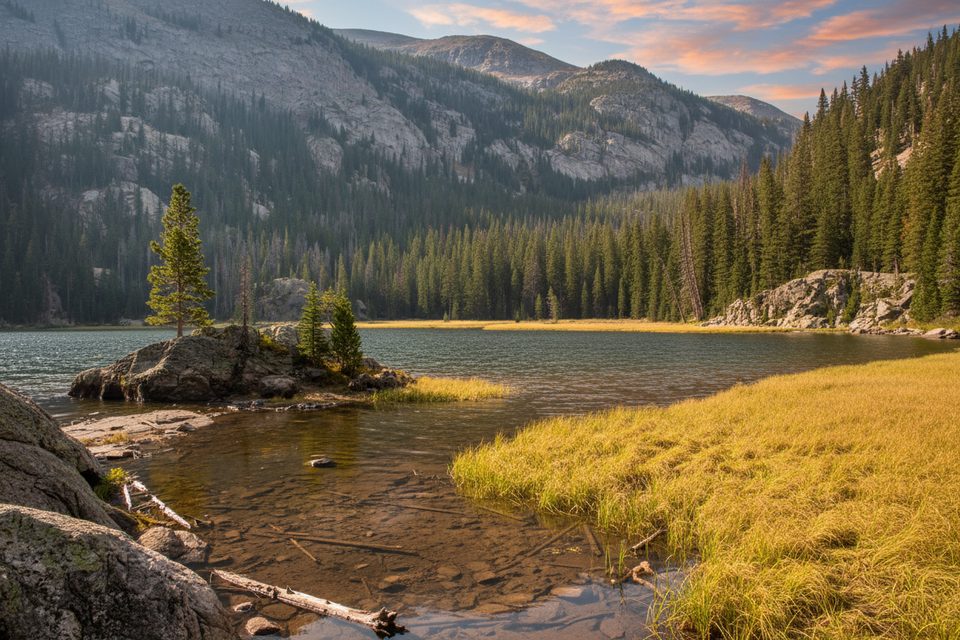
From the East Inlet Trailhead, the trail quickly climbs to Adams Falls (~0.3 mi), then eases into the broad, photogenic East Meadow (~1.5 mi), a prime spot for moose. As the valley narrows, the grade stiffens toward the lakes: Lone Pine Lake around 6 miles makes a great snack or turnaround option if you’re short on time. Continue to Lake Verna (roughly a mile farther) where the tread stays decent along the long, skinny shoreline. Beyond Verna, the path grows rougher and slower with obstacles, leading to Spirit Lake about another mile up—often singled out as the favorite thanks to the sharp, glaciated peaks piercing the horizon. Past Spirit, travel to Fourth and Fifth Lakes gets even less maintained and is best reserved for well-prepared hikers or backpackers.
This is a challenging route due to the length, steady climbing, and rougher footing after Lake Verna. Plan for an all-day push if doing it in one go. Footing can be rocky and rooty, and lingering snow or deadfall early season will slow your pace. Portions of the corridor allow horses; expect occasional churned tread and manure.
Late spring through early fall is the sweet spot. This valley holds snow well into summer, especially beyond Verna, and afternoon thunderstorms are common—start at first light and aim to be descending from the upper lakes by early afternoon. Shoulder seasons can be lovely but come with colder mornings, variable mud, and potential blowdowns. In winter, travel beyond the falls generally requires snow travel skills and appropriate gear.
A park pass is required. In peak season (roughly May–October), a timed-entry permit is required between 9 a.m. and 2 p.m. for day use on this side. Backpacking is popular along the East Inlet corridor; designated sites must be reserved in advance, permits are competitive, and hard-sided bear canisters are required. There’s a cluster of sites spaced from near the meadow up to Lake Verna, making this an excellent 1–2 night itinerary if you don’t want to do the full push in a day.
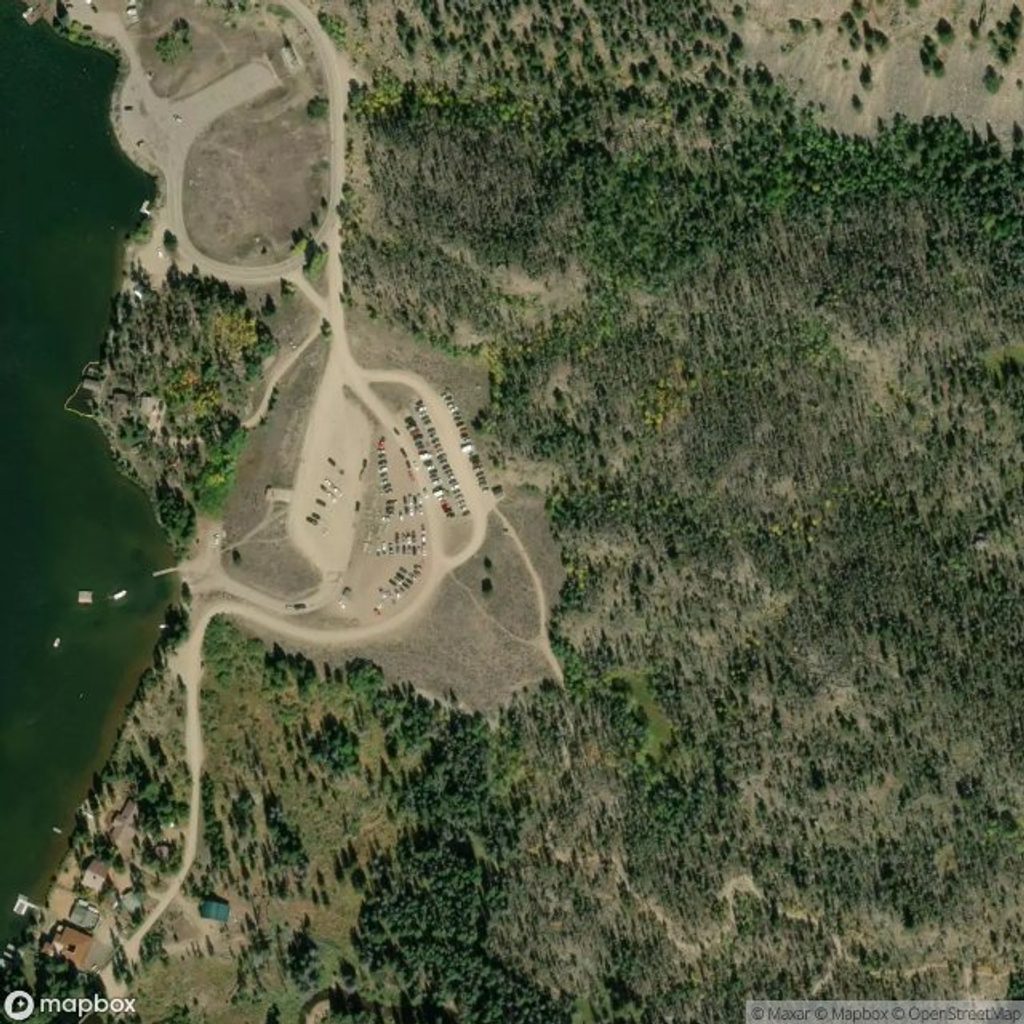
Park at the East Inlet Trailhead at the east edge of Grand Lake (off W Portal Road). The lot serves popular Adams Falls, so it fills early; arrive at first light. Vault toilets at the trailhead. In season, display your pass and timed-entry permit.
Long mileage with sustained climbing; rough, faint tread beyond Lake Verna. Limited cell service—carry an offline map. Early season snow and downed trees persist; summer thunderstorms build fast. Portions allow horses. Moose are common—give them ample space.
Place · 0.3 mi away
Place · 0.9 mi away
Place · 1 mi away
Place · 1.9 mi away
Challenging · 0 mi away
Challenging · 0 mi away
Moderate · 0 mi away
Easy · 0 mi away

Parkwolf Tour Guide
