
Place · 0.3 mi away
Moderate
This west-side Rocky Mountain National Park classic climbs the East Inlet valley from Grand Lake to Lone Pine Lake. Plan on roughly 10.3 miles total (out-and-back) with about 1,600–1,800 feet of gain. Expect 5–7 hours for most hikers, depending on pace and how long you linger at the water’s edge.
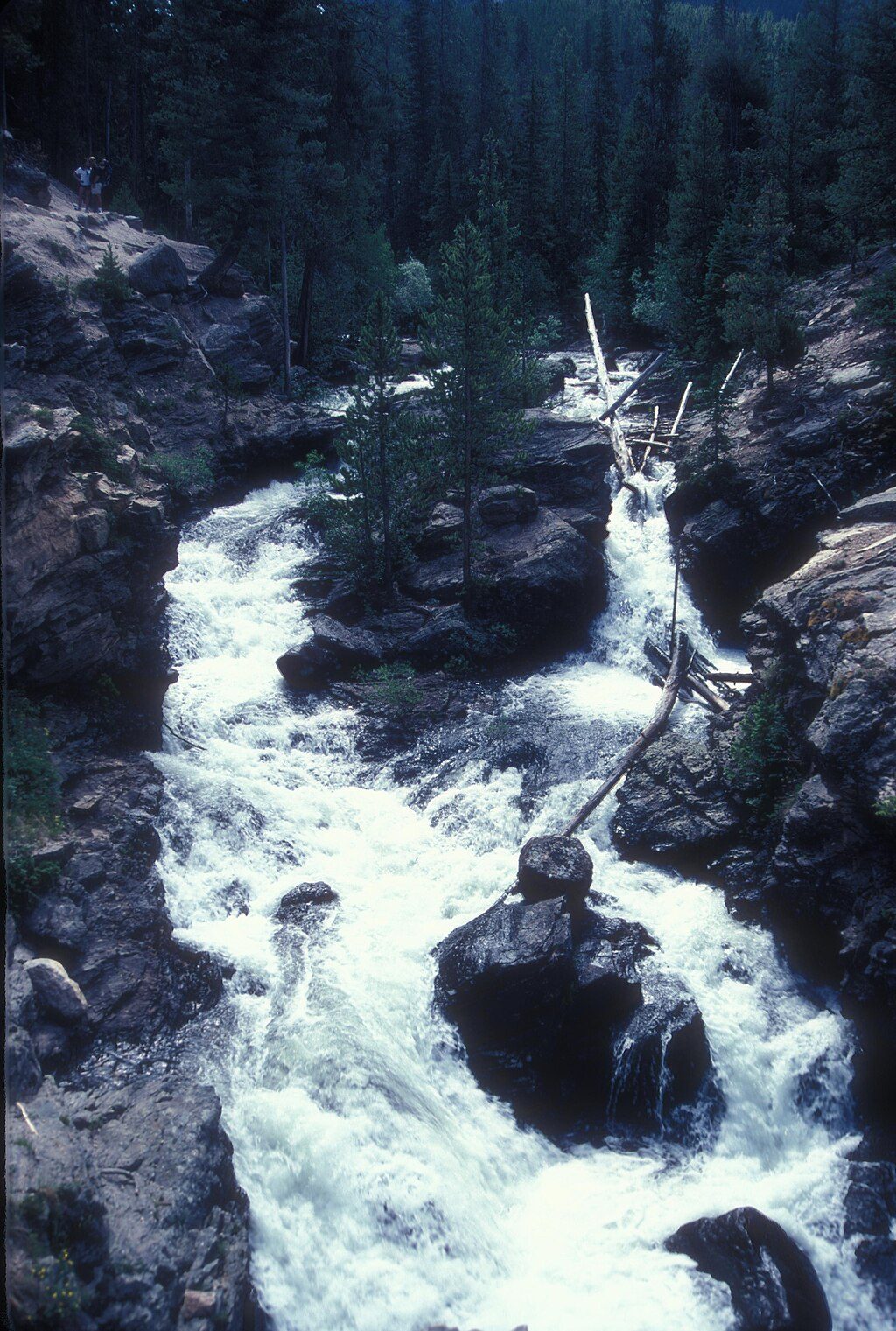
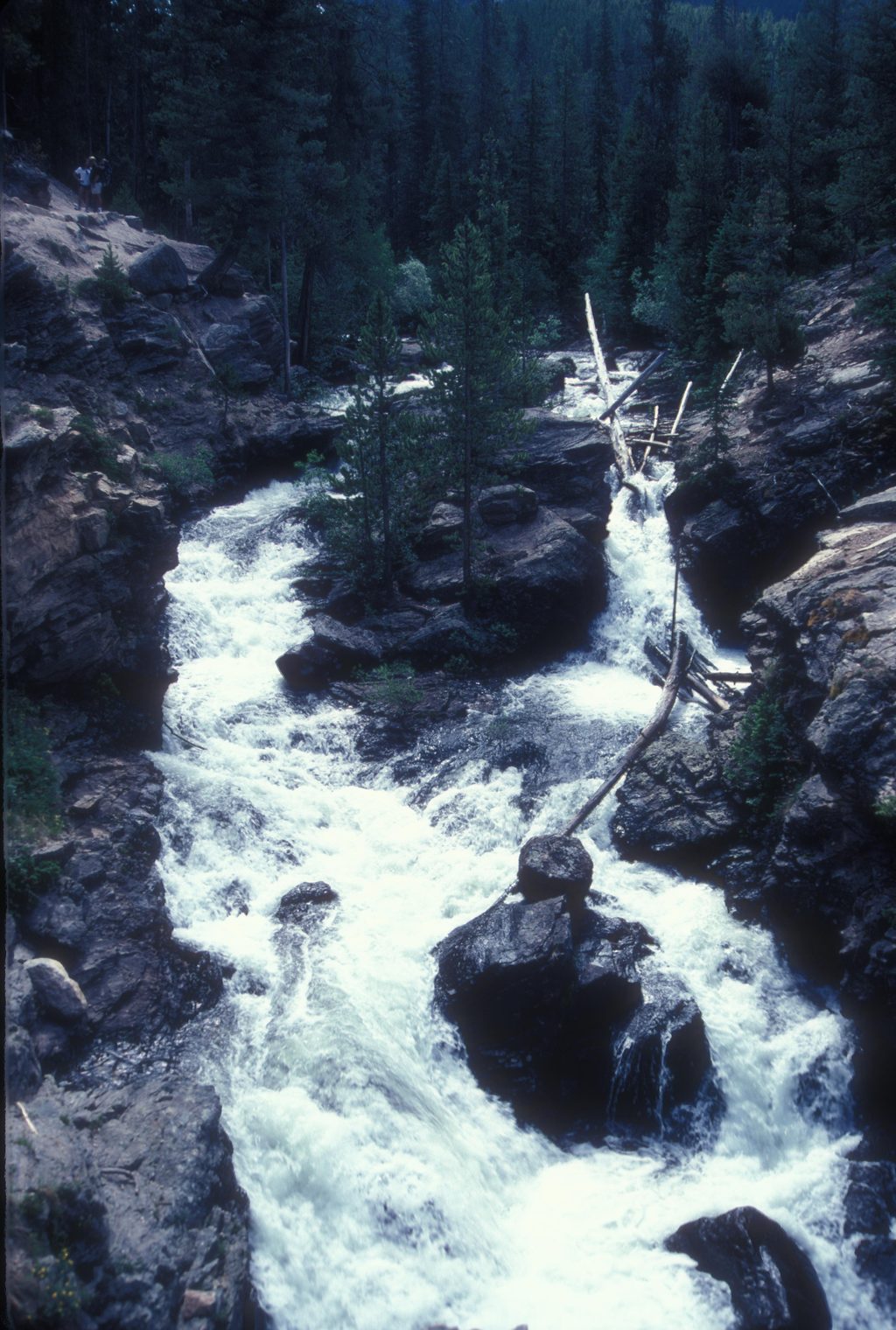
Right out of the gate you’ll pass roaring Adams Falls, then ease into East Meadow where the East Inlet braids through wide-open grasslands—prime wildlife viewing. Beyond the meadow the grade turns steady as the trail enters cool forest, threading cascades and well-built stone steps and bridges. You’ll share sections with permitted stock; the tread is generally solid and easy to follow.
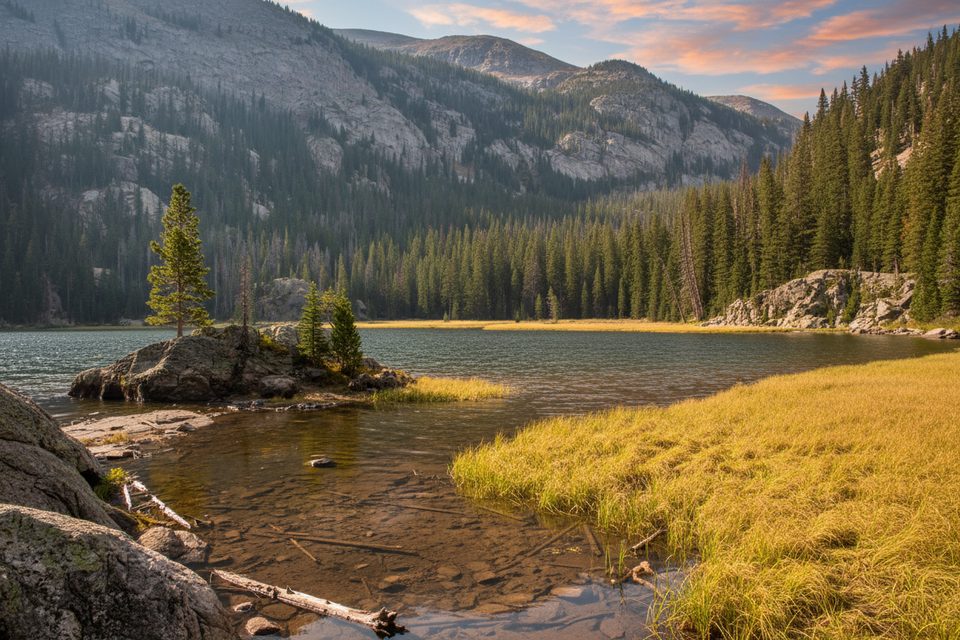
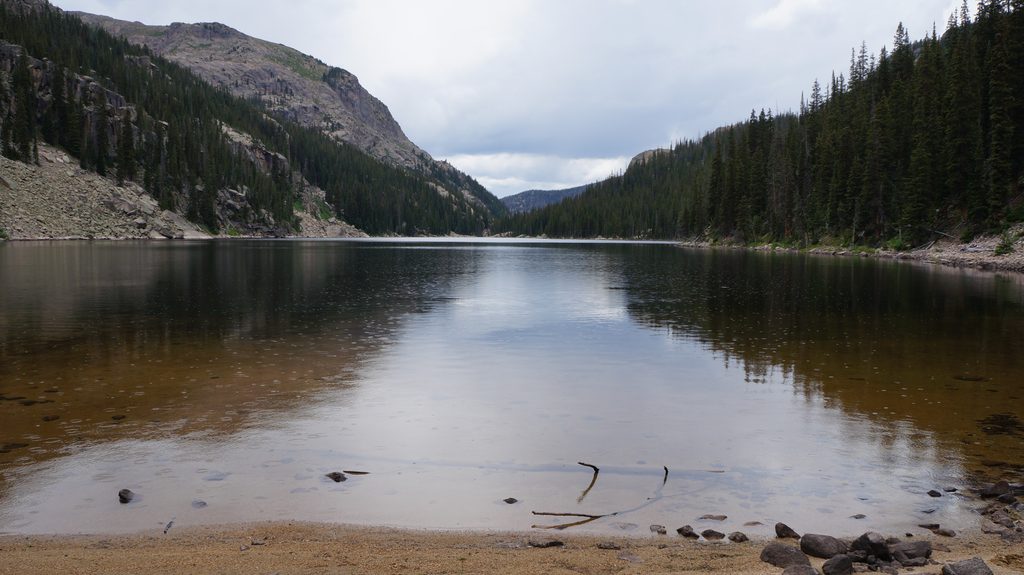
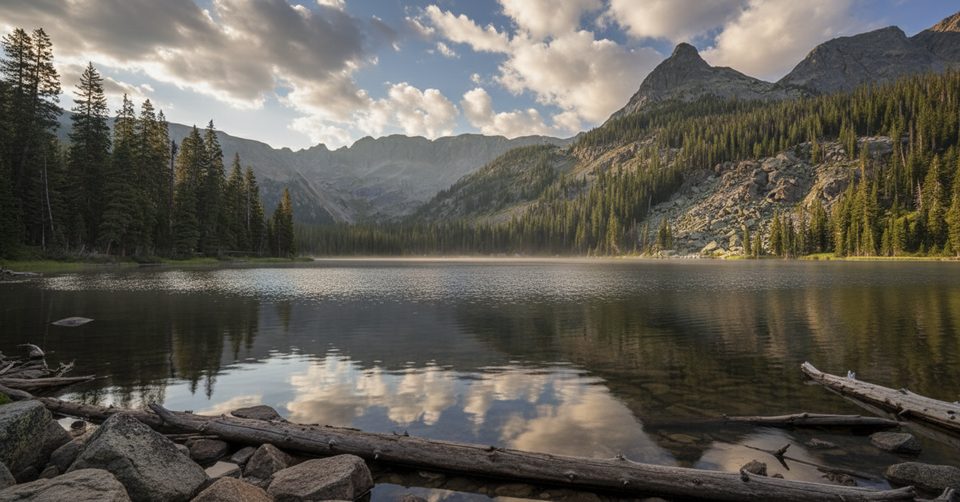
Lone Pine Lake sits in a granite basin above 9,500 feet. Smooth rock slabs make natural benches for a long snack break with views up-valley. On calm days the mirrored shoreline is a reward for the effort. If you’ve got gas left, the valley continues to a string of lakes—Lake Verna is the next logical add-on.
The climb is “relentless but reasonable”: never technical, just sustained. The distance and elevation make it moderate to strenuous. Strong hikers will cruise; casual hikers should budget the day and set a firm turnaround time.
Start early. Mornings bring better wildlife odds in the meadow and a buffer against summer thunderstorms and even surprise hail. Higher stretches can hold snow into mid-summer—early season may require traction if you encounter ice. Light is lovely in the first mile around Adams Falls and again at the lake by late morning before winds typically build.
You’re walking a classic glacial valley. Meadows along the floor give way to subalpine spruce–fir as you gain elevation, with ancient granite exposed around the lake. Keep an eye out for moose in the meadows and elk or mule deer deeper in the forest.
Feeling strong? Continue 1.5 miles past Lone Pine Lake to Lake Verna for a bigger day. If you want similar payoff with less commitment, consider shorter west-side outings near Grand Lake—just know they’ll be busier near the falls.
There’s another popular Lone Pine Lake in California on the Mount Whitney Trail. This one is in Colorado—reached from the East Inlet Trail by Grand Lake.
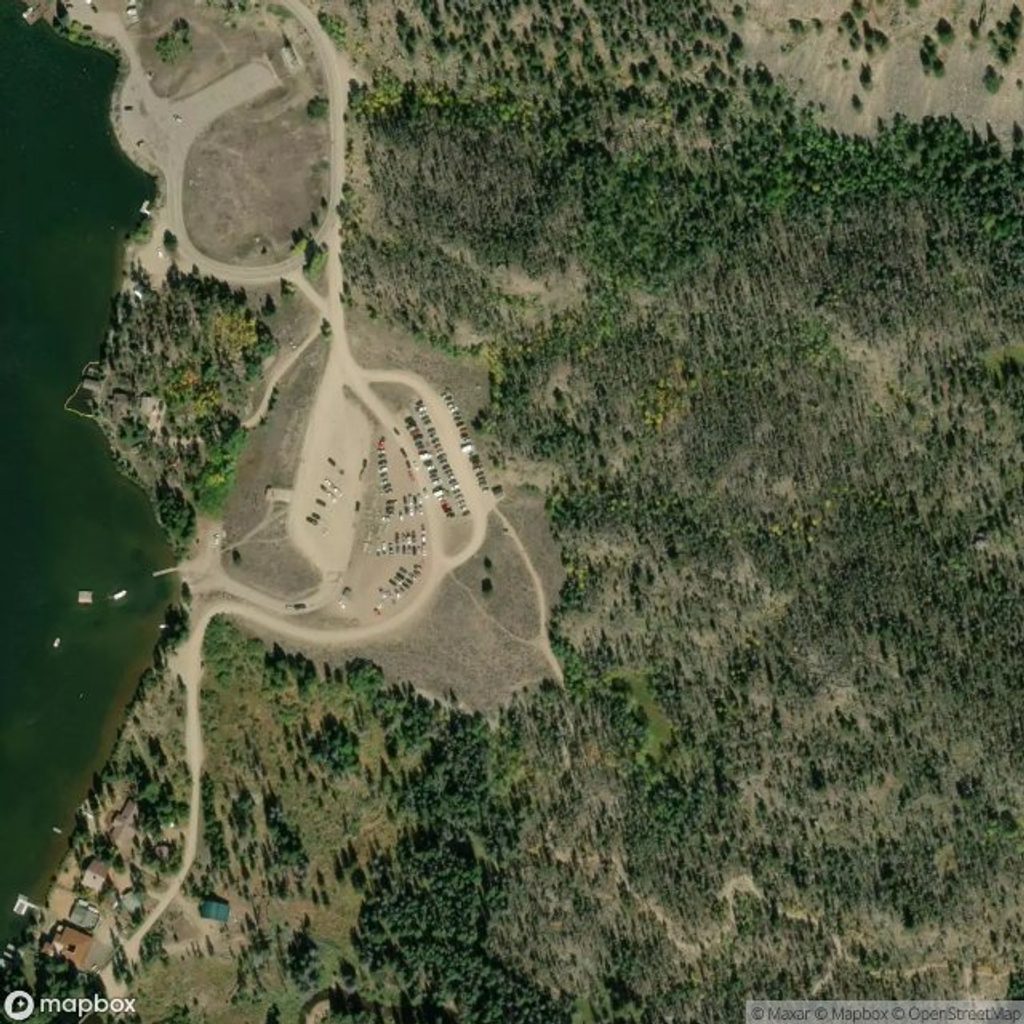
Park at the East Inlet Trailhead near Grand Lake; lot with a vault toilet at the trailhead.
Afternoon thunderstorms and even hail are common; start early and carry layers. Higher sections may hold snow and ice into mid-summer. Limited cell service—download maps. Yield to horses and give moose wide space in the meadows.
Place · 0.3 mi away
Place · 0.9 mi away
Place · 1 mi away
Place · 1.9 mi away
Challenging · 0 mi away
Challenging · 0 mi away
Challenging · 0 mi away
Easy · 0 mi away

Parkwolf Tour Guide
