
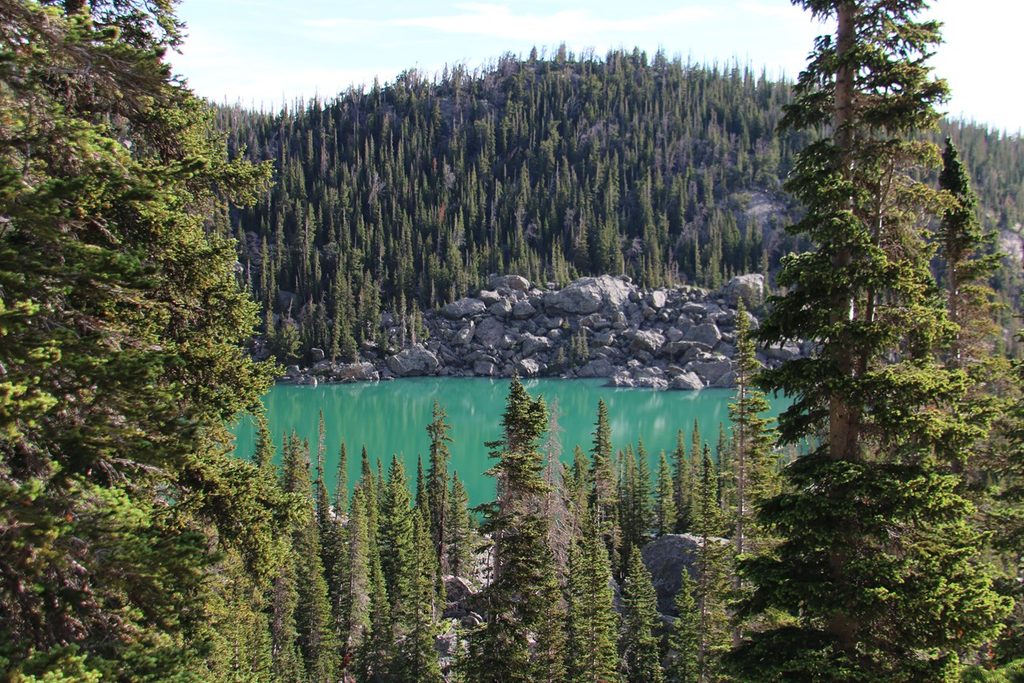
Place · 0.1 mi away
Moderate
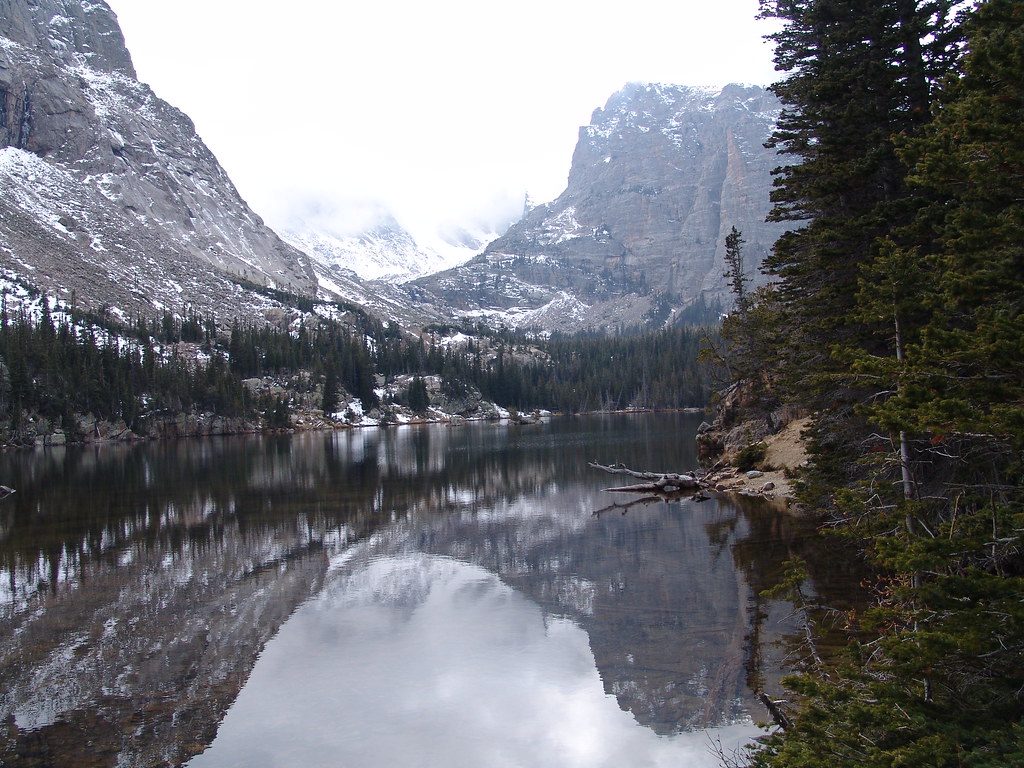
This is a classic, moderate out-and-back to a gorgeous subalpine lake hemmed in by high granite walls. It’s 5.4 miles total (out and back) with about 1,062 feet of gain from Glacier Gorge Trailhead. Most hikers take around 2 hours 40 minutes without long stops. “Loch” is the Gaelic word for lake—an apt name for this polished gem at roughly 10,190 feet.
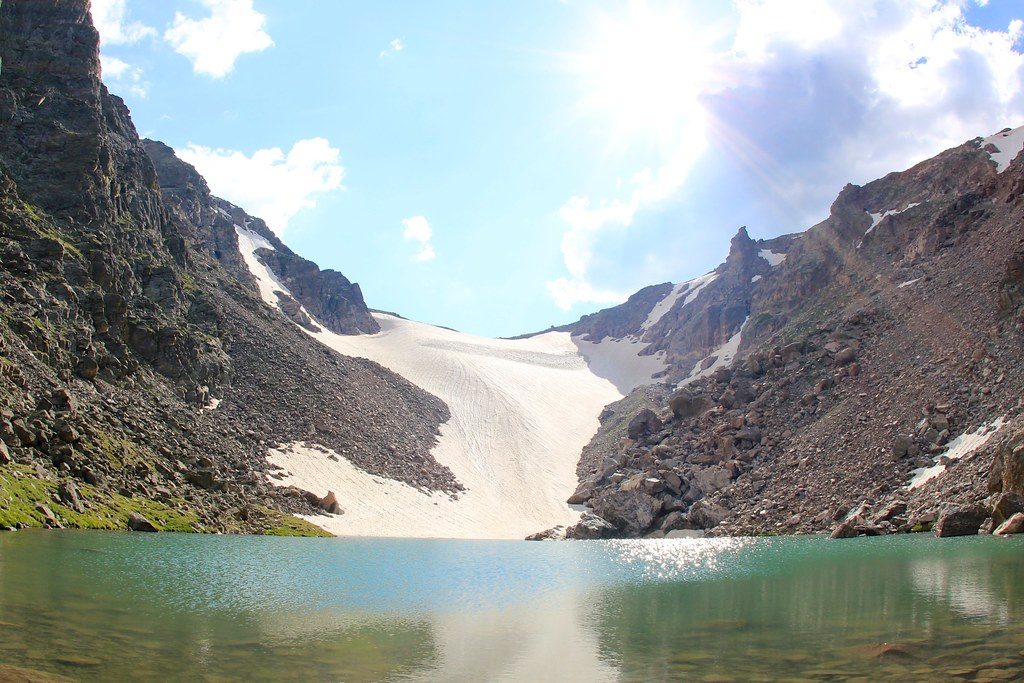
You’ll start on a gentle grade and quickly reach Alberta Falls (about 0.8 mi), a roaring crowd-pleaser that’s well worth a quick pause. Beyond, the trail rolls past the Eastern Glacier Knobs toward a series of clearly signed junctions. Stay on the path to Loch Vale, passing splits for other destinations like Mills Lake and Lake Haiyaha. The final approach steepens into switchbacks through a narrow gorge with Icy Brook tumbling alongside—there’s a nice waterfall viewpoint on the third switchback. The payoff is The Loch itself, with dramatic angles on Taylor Peak and Taylor Glacier; peaks like Thatchtop and The Sharkstooth frame the skyline, and Powell Peak reveals from the north-side shore.
Expect a greatest-hits mix of forest, a photogenic waterfall, wildflowers in season, and big glacier-and-peak vistas—all without committing to an all-day sufferfest. On calm mornings the lake can mirror the surrounding walls; by afternoon it’s often breezier and choppier.
Bear Lake Road is one of the park’s busiest corridors. Parking often fills early—use the free park shuttles when lots are full. During peak season, timed-entry reservations may be required to access this corridor. Start early for easier parking, fewer people, calmer winds, and a safer window before typical summer afternoon thunderstorms.
Conditions change fast at elevation. Early summer often brings lingering snowfields near or above The Loch; traction and poles can help. Recent reports noted the route to Sky Pond above The Loch can hold snow patches into summer and that rocks near Timberline Falls (beyond this hike) can be wet and slick—good traction footwear is smart even if you’re only going to The Loch. In winter, expect packed snow/ice on popular paths (microspikes frequently needed) and deeper snow off the beaten track (snowshoes). Trails may not be marked in winter—don’t just follow footprints; bring a map/compass or GPS and know how to use them. After rains, walk through mud to protect the trail, and stay alert for falling branches or trees.
Layer up (it’s windy and cool at the lake), wear boots with good grip, and pack sun protection, snacks, and water. Trekking poles are helpful on the steeper, rocky finish. Pets aren’t allowed on any trails here. If you have extra time and conditions allow, strong hikers commonly extend beyond The Loch toward Timberline Falls, Sky Pond, or Andrews Tarn—difficulty and exposure increase beyond The Loch. Prefer a same-day “twofer?” Consider tagging Mills Lake or Lake Haiyaha off nearby junctions.
Late spring through fall, with summer and early fall mornings being the sweet spot for calmer winds, better lighting, and lower thunderstorm risk. Winter can be beautiful but requires appropriate traction or snowshoes and solid navigation judgment.
Park at Glacier Gorge Trailhead on Bear Lake Road; lots fill early. Use the free park shuttle when full. During peak season, timed-entry reservations may be required for the Bear Lake corridor.
Rapidly changing mountain weather, frequent afternoon thunderstorms, lingering early-season snow near The Loch, muddy sections after rain (stay on trail), falling tree hazards, and icy/wet rock on steeper sections; carry traction in winter and practice real navigation—don’t rely on footprints.
Place · 0.1 mi away
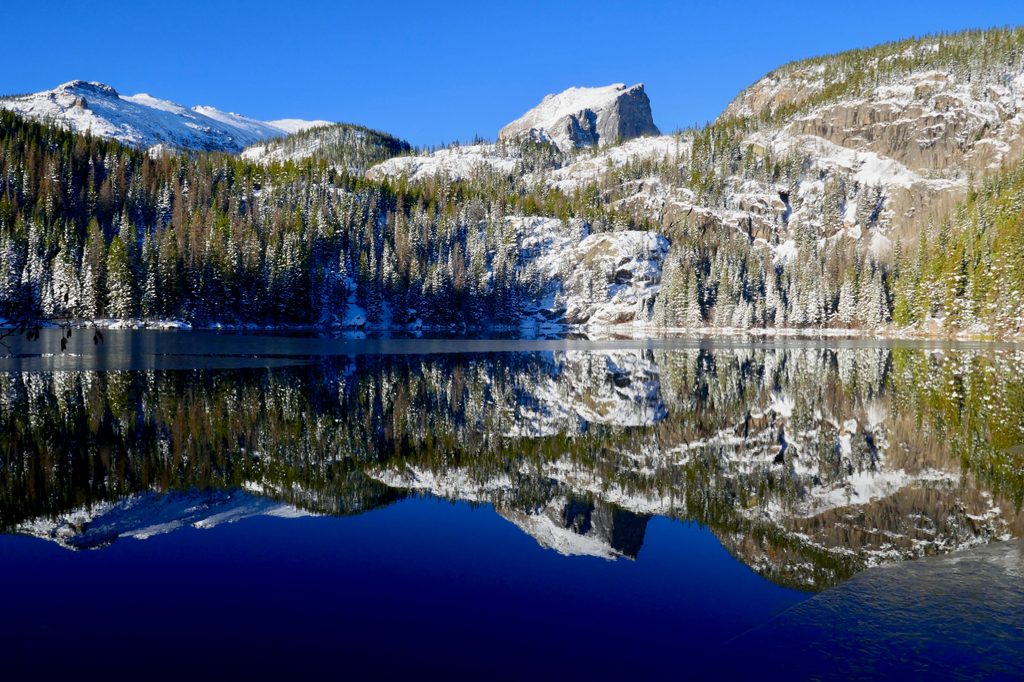
Place · 0.5 mi away
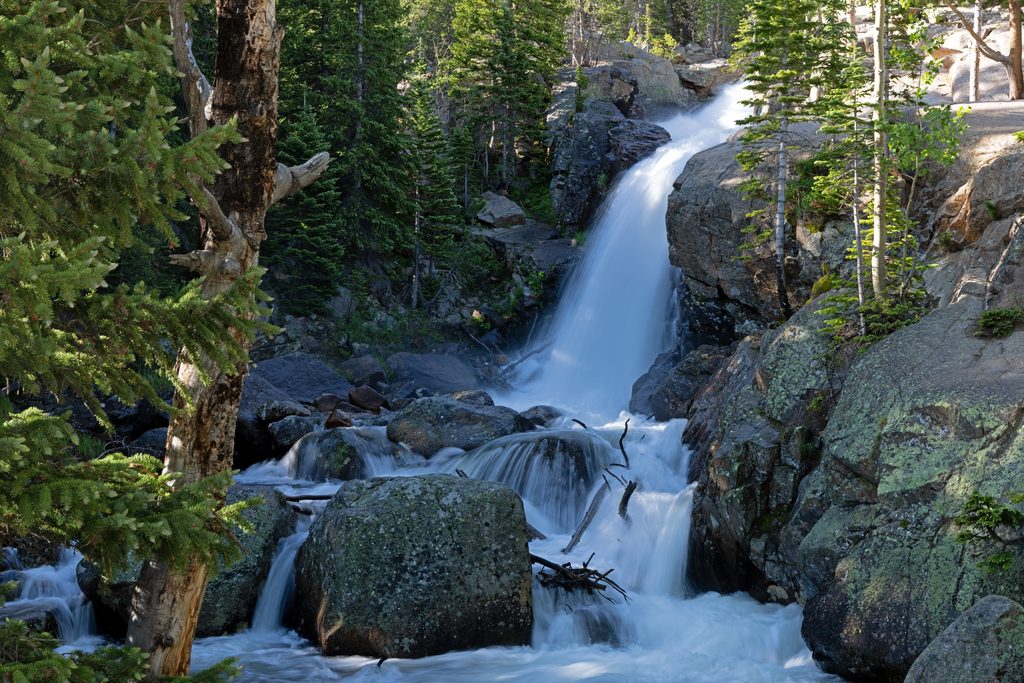
Place · 0.5 mi away
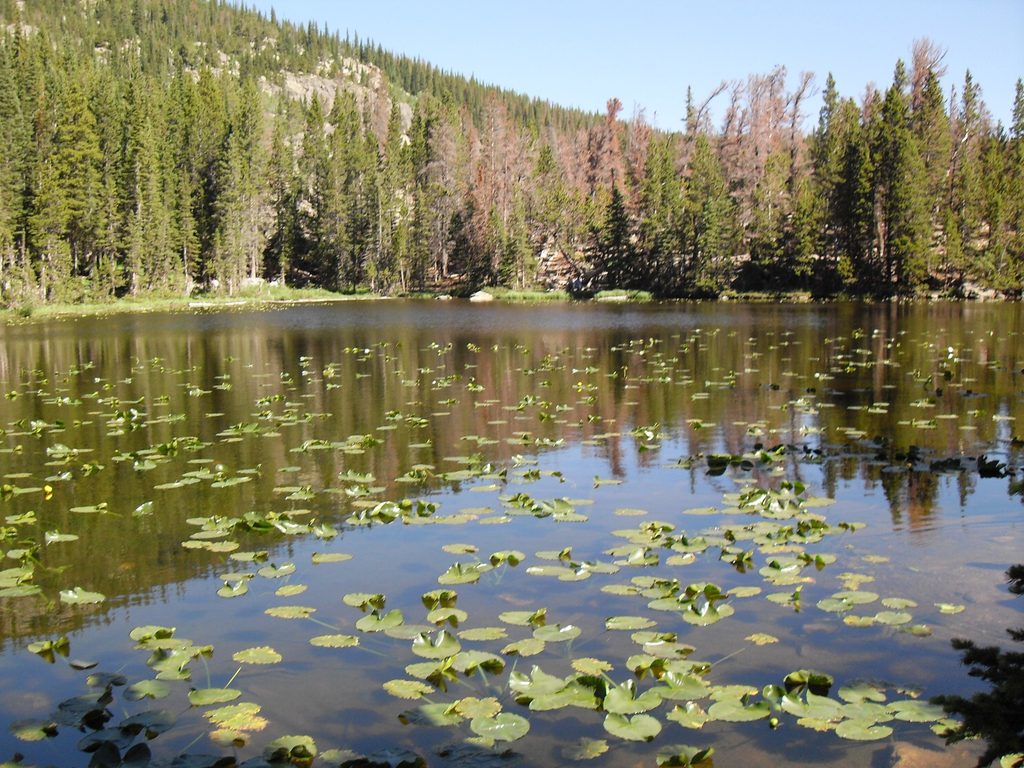
Place · 0.6 mi away
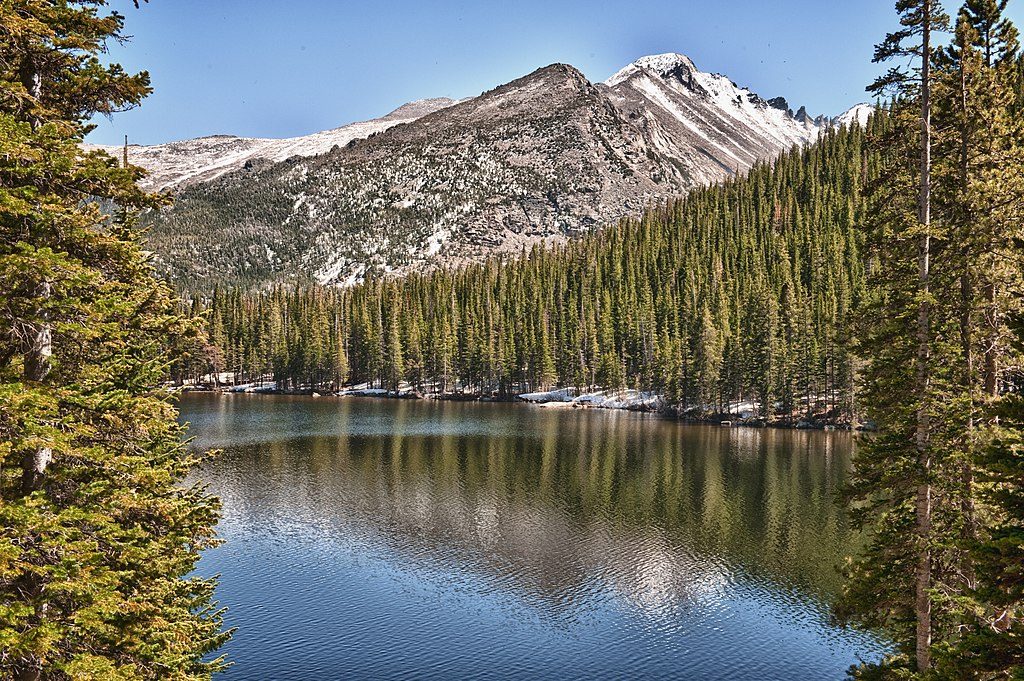
Moderate · 0 mi away
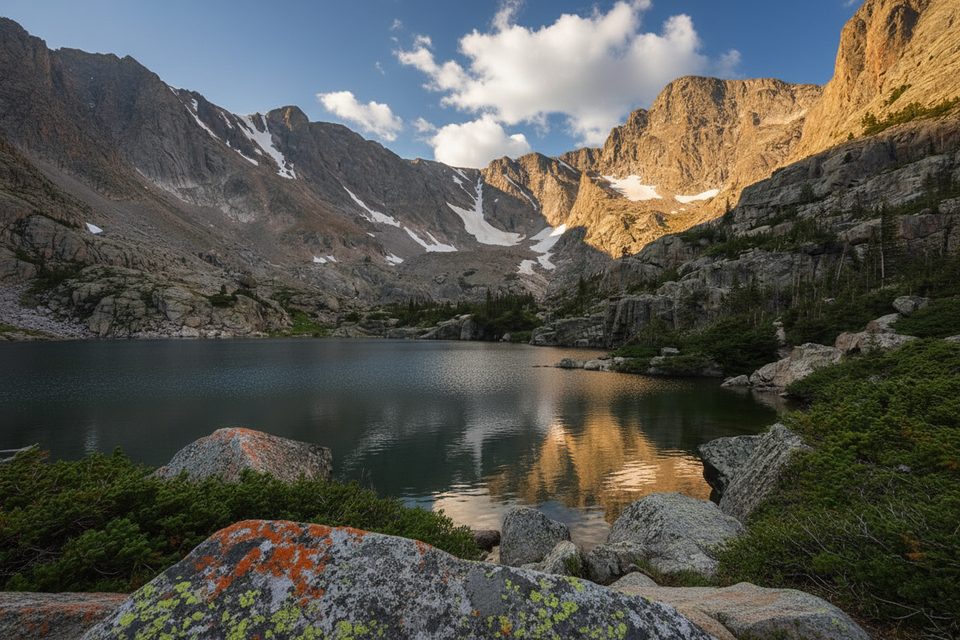
Challenging · 0 mi away
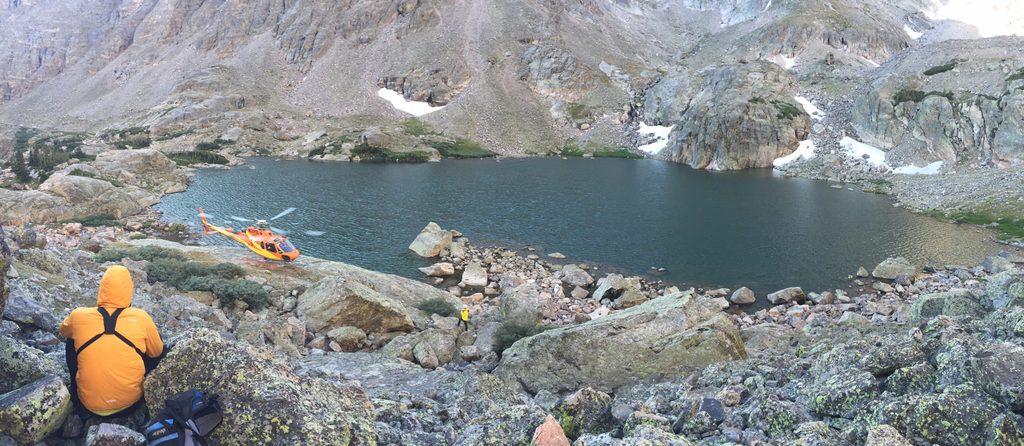
Challenging · 0 mi away
Challenging · 0 mi away

Parkwolf Tour Guide
