
Place · 0 mi away
Easy
This isn’t a marked hiking trail so much as a brief, careful walk on granite slabs to see Gong Rock and nearby Maasai rock paintings. Expect a total of about 0.3 miles on foot (total, not one‑way) with light scrambling and uneven surfaces. It’s short, memorable, and culturally rich—but you’re in big‑animal country, so everything happens at your guide’s discretion.
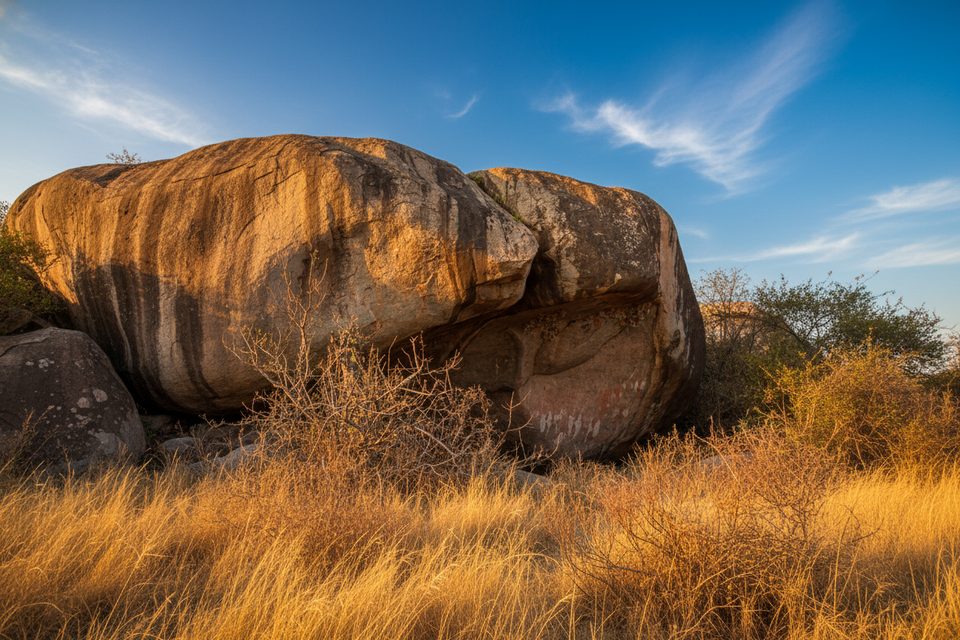
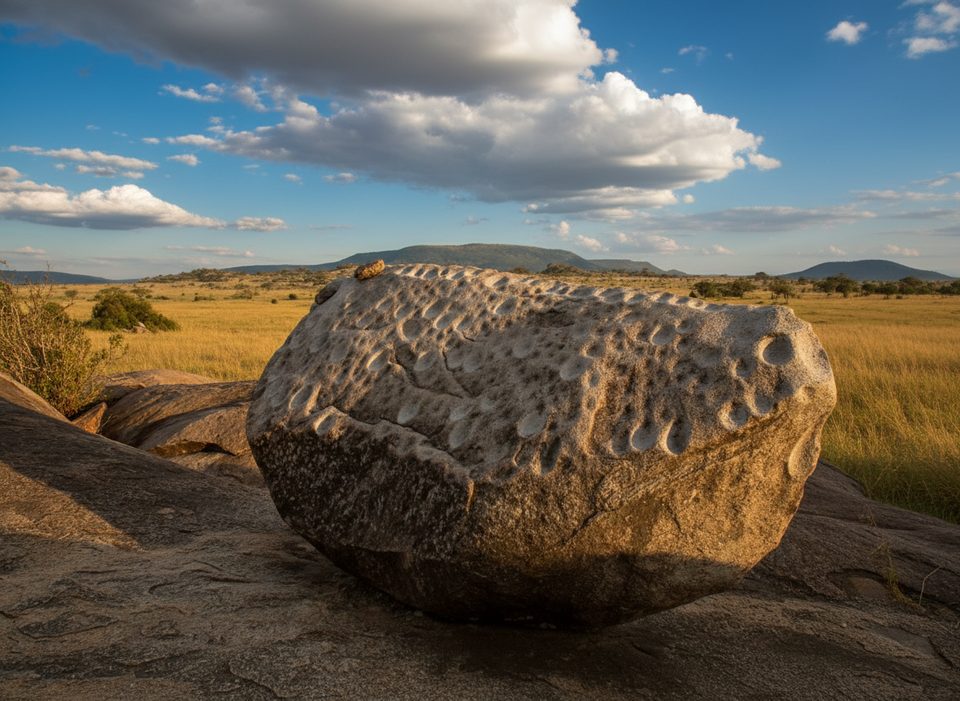
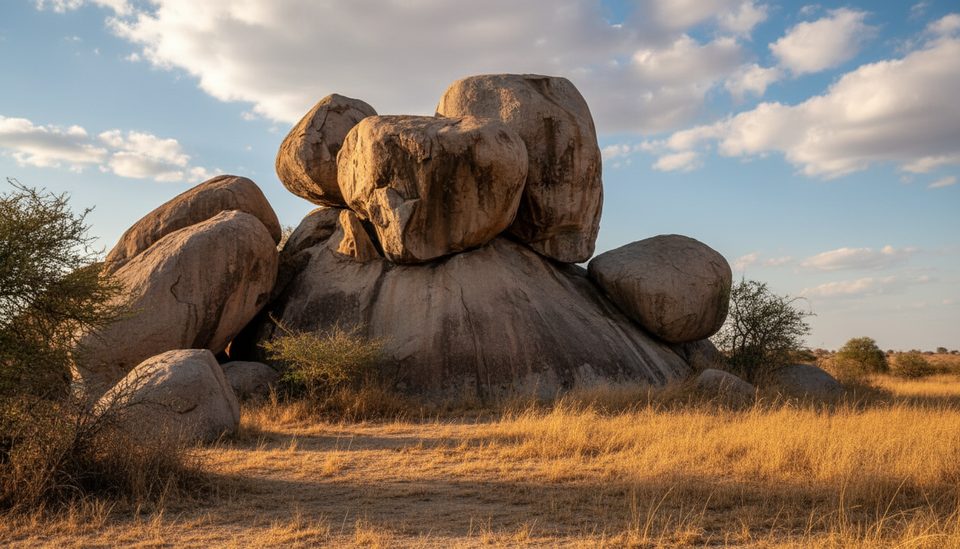
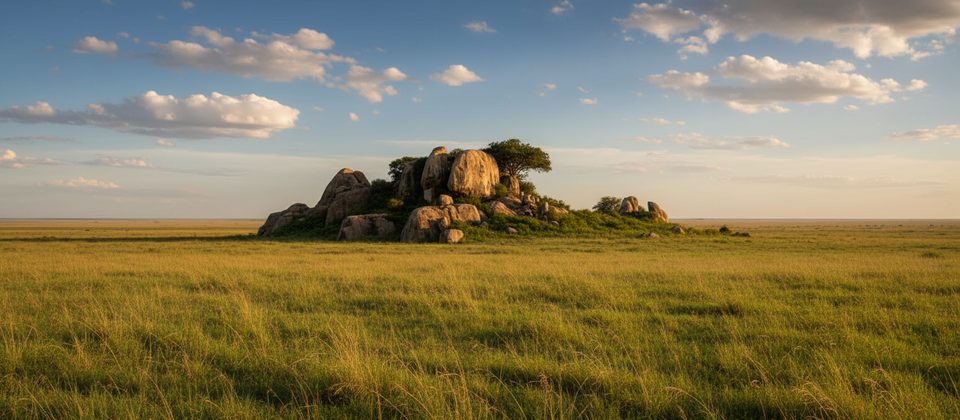
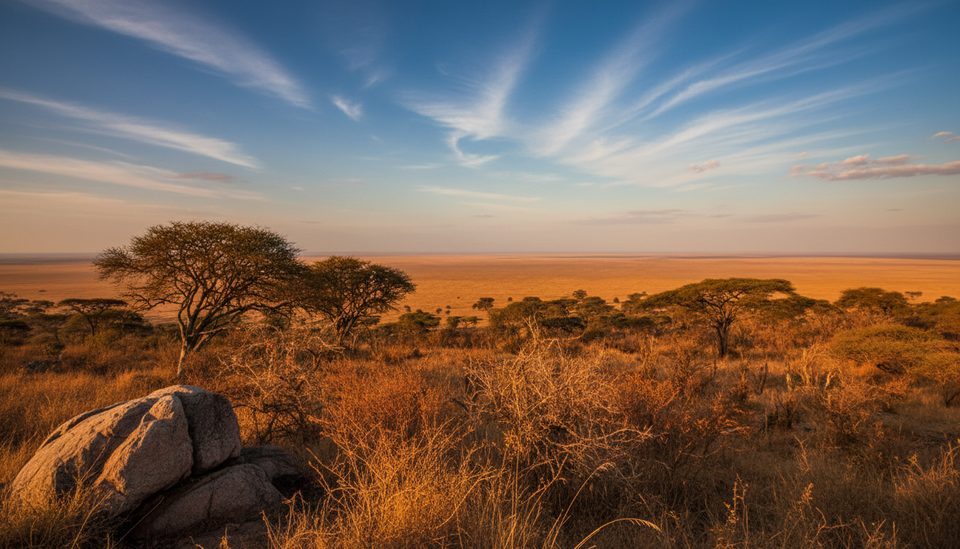
Gong Rock is a resonant boulder with shallow circular depressions, set among classic Serengeti kopjes—ancient, rounded outcrops of Precambrian granite. A small cluster of Maasai rock paintings sits close by, depicting shields, people, and wildlife in natural pigments. Views from the boulders sweep over the plains toward Lake Magadi.
Kopjes are magnets for predators—lions lounge on the rocks, while leopards and cheetahs use the heights as lookouts. Rock hyraxes hide in crevices, and the broader Moru area is a closely protected range for black rhinoceros (sightings are rare and sensitive). Lake Magadi can draw flamingos when conditions line up. The area sits in a plains‑to‑woodland transition, so you’ll see grassland meeting scattered trees, including candelabra euphorbia.
Accessible year‑round. Dry season (roughly June–October) brings firmer footing on the granite and concentrates wildlife near reliable water. The Great Migration commonly moves through/near Moru on the northbound leg around April–May and the southbound return around November–December, but timing varies with rains. For comfort and photos, aim for early or late light; midday rock can be blistering and glaring.
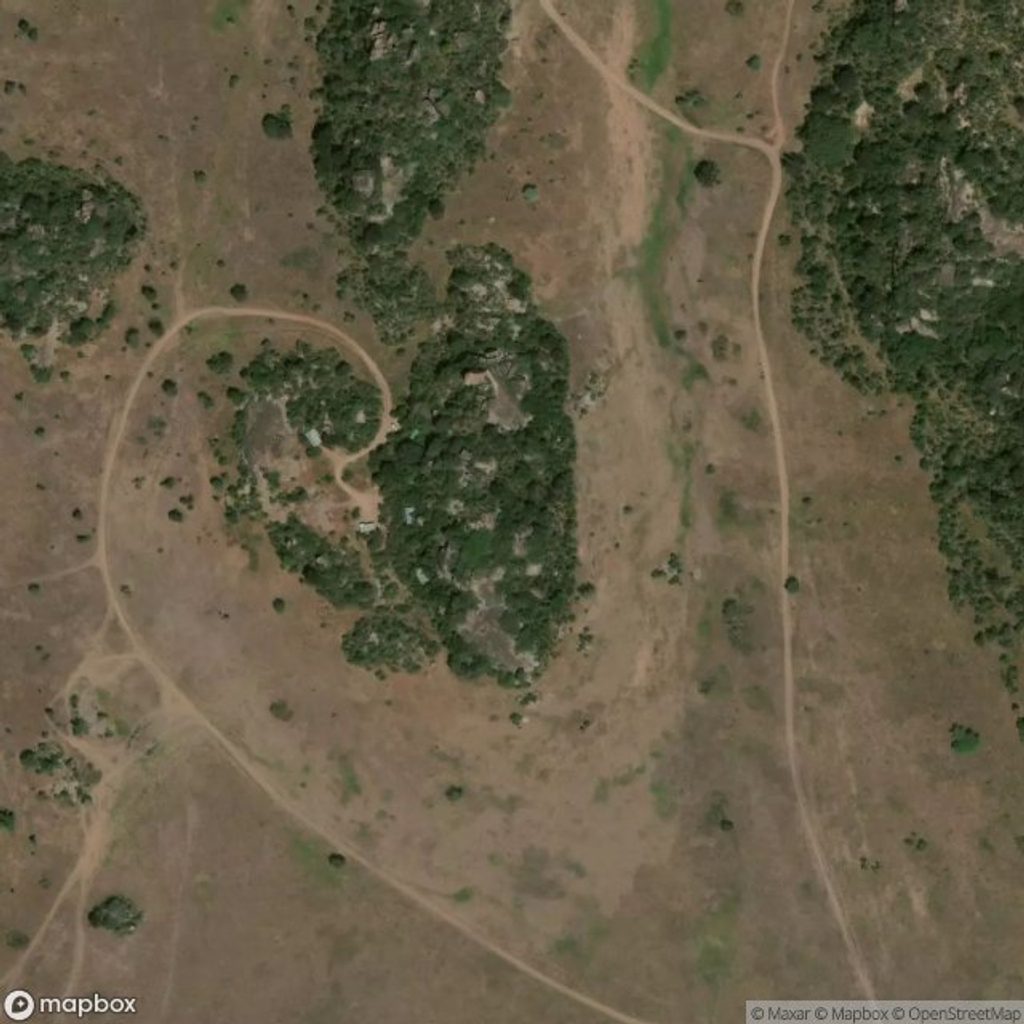
You arrive by game‑drive vehicle, pull off near the kopje, and make a short, supervised walk—usually 15–45 minutes total. Independent hiking isn’t allowed; exit only where your guide permits and stay in line of sight of the vehicle. There’s no formal trail, no railings, and no facilities.
Wear closed‑toe shoes with good grip; granite can be slick after showers. Shade is limited—bring water, sun protection, and take your time on sloped slabs. Do not touch the paintings or strike the resonant rock; oils and impacts cause irreversible damage. Give all wildlife space and never share rhino locations. Avoid reaching into rock cracks—crevices shelter hyraxes and occasionally snakes.
Yes—despite the very short distance, the combination of kopje scenery, cultural history, and regular big‑cat activity makes this a rewarding stop on a Serengeti game drive. If you want more walking time, arrange a sanctioned bush walk with a ranger elsewhere in the park.
Arrive by game‑drive vehicle; guides use a designated pull‑off near Gong Rock and the rock paintings. No formal lot.
Exit the vehicle only when your guide allows; big predators are common. Sloped granite is slick when wet and bakes in midday sun. Do not touch rock art or strike the boulder. Avoid candelabra euphorbia—its latex is caustic.
Place · 0 mi away
Place · 0 mi away
Place · 0 mi away
Place · 0 mi away
Easy · 16 mi away
Easy · 31.6 mi away
Moderate

Parkwolf Tour Guide
