
Place · 0 mi away
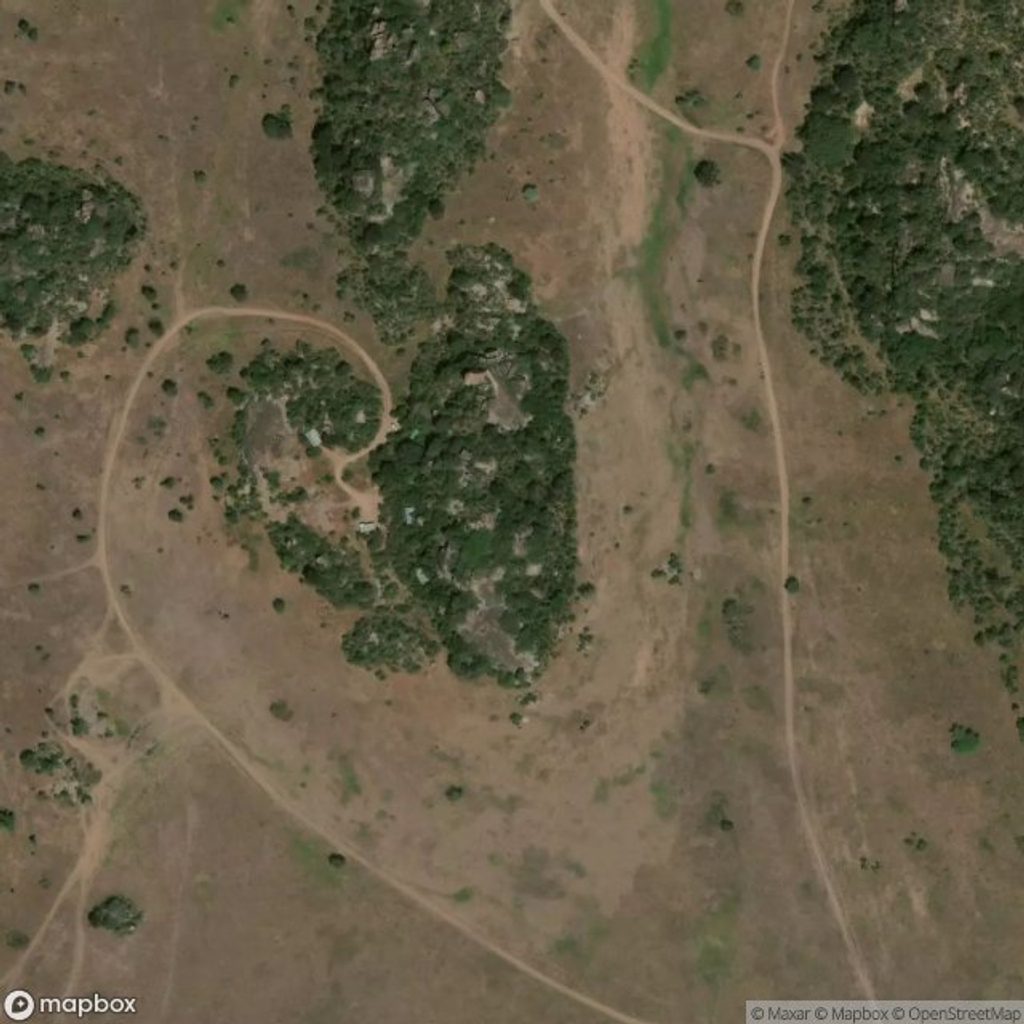
Tucked among the Moru Kopjes, this small information centre focuses on the Serengeti’s black rhino conservation story. It’s low-key and deliberately underbuilt, but it anchors the park’s rhino-protection work and is the jumping-off point for tightly controlled, ranger-led tracking.
Expect straight talk about how the rhinos here are protected: 24/7 monitoring, tracking devices in horns, dedicated patrol vehicles, and outside support for surveillance and communications. It’s conservation in action, not a splashy museum—great if you care more about impact than displays.
TANAPA’s specialist rangers run early-morning sessions when rhinos are most active. You’ll wait for the go‑ahead, then transfer to a ranger 4×4 and approach at a respectful distance. The Moru rhino zone is closed to general traffic, so everything happens on ranger terms. Sightings are carefully managed and never truly guaranteed. Fees support protection efforts; expect a per‑person conservation fee of 118 USD per trip.
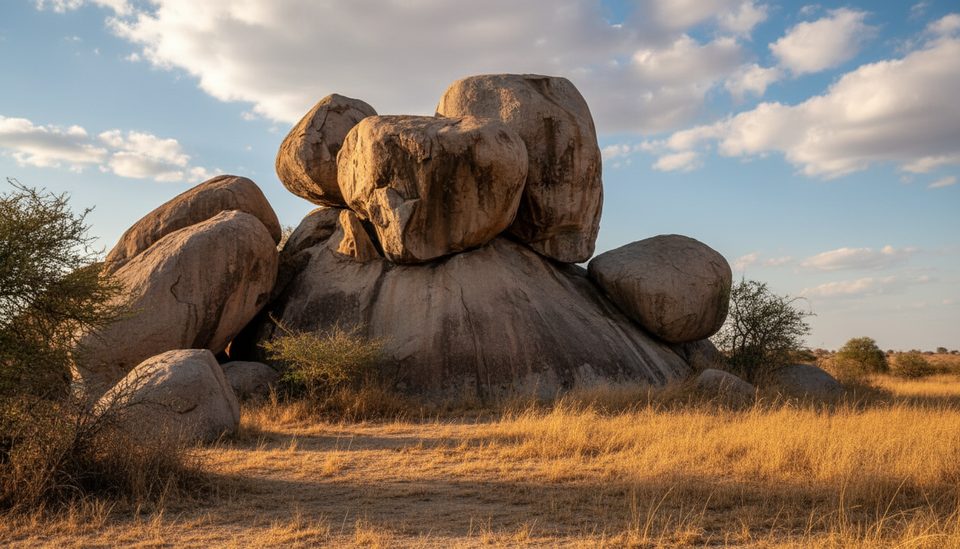
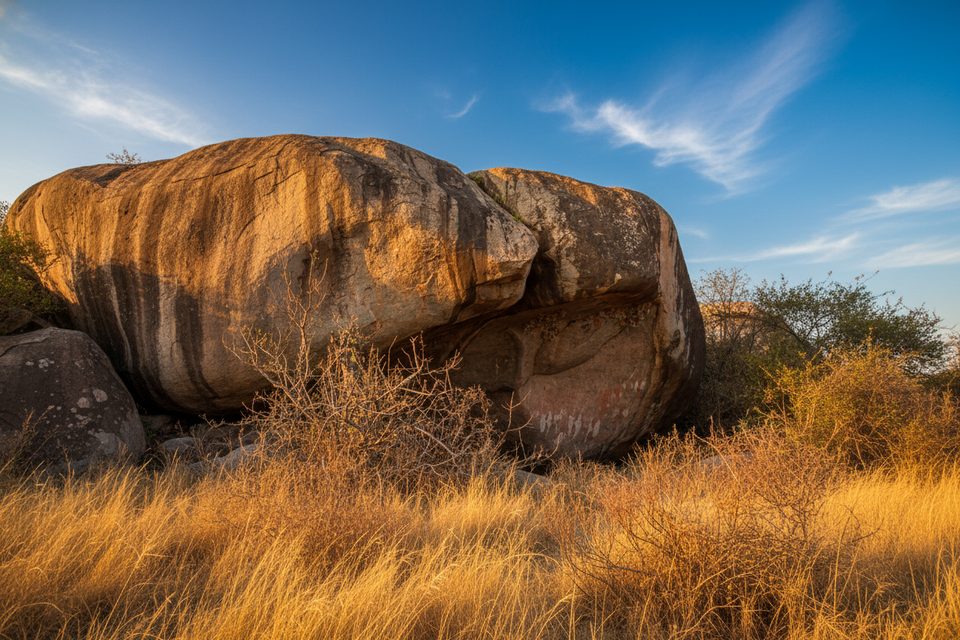
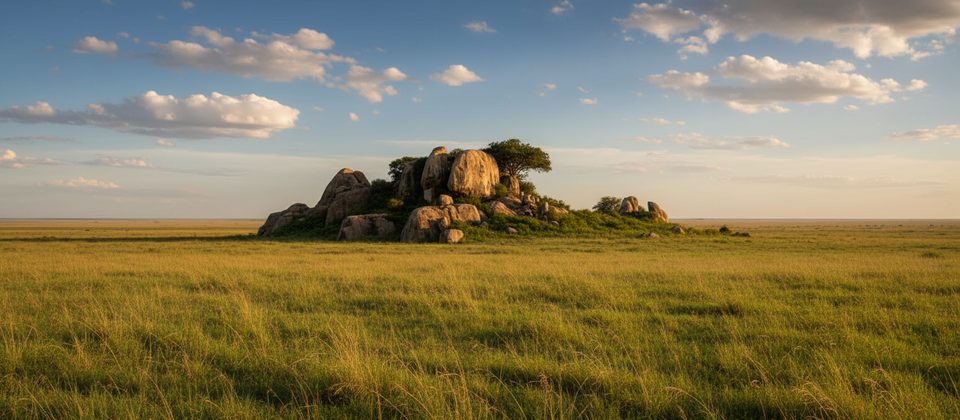
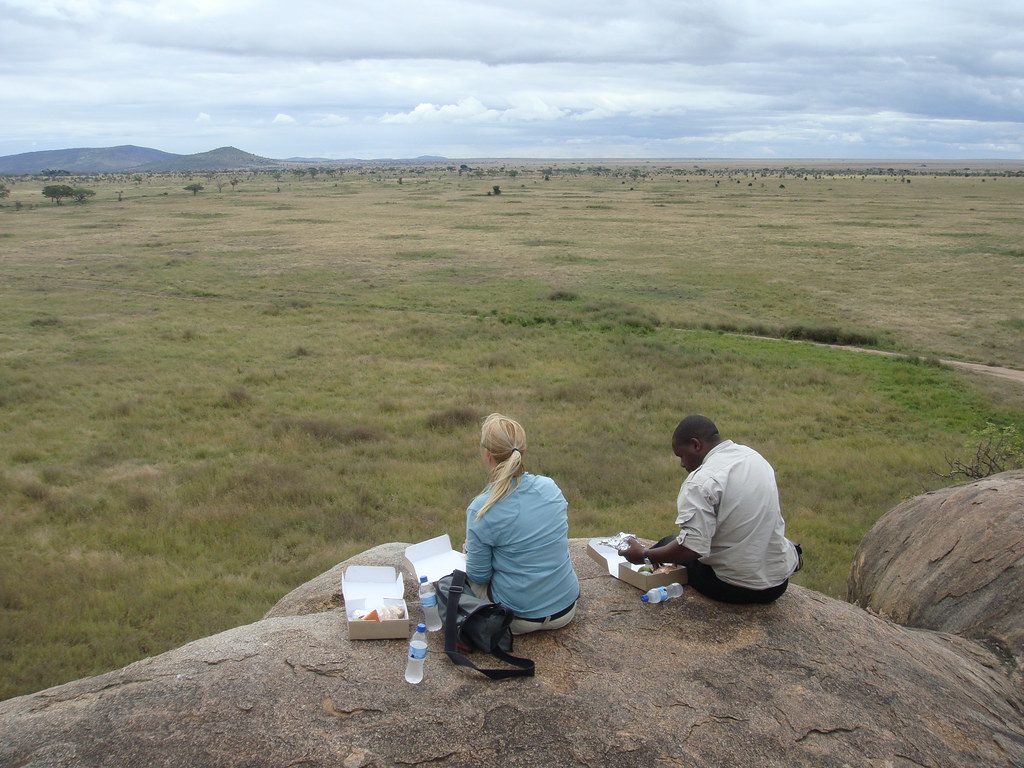
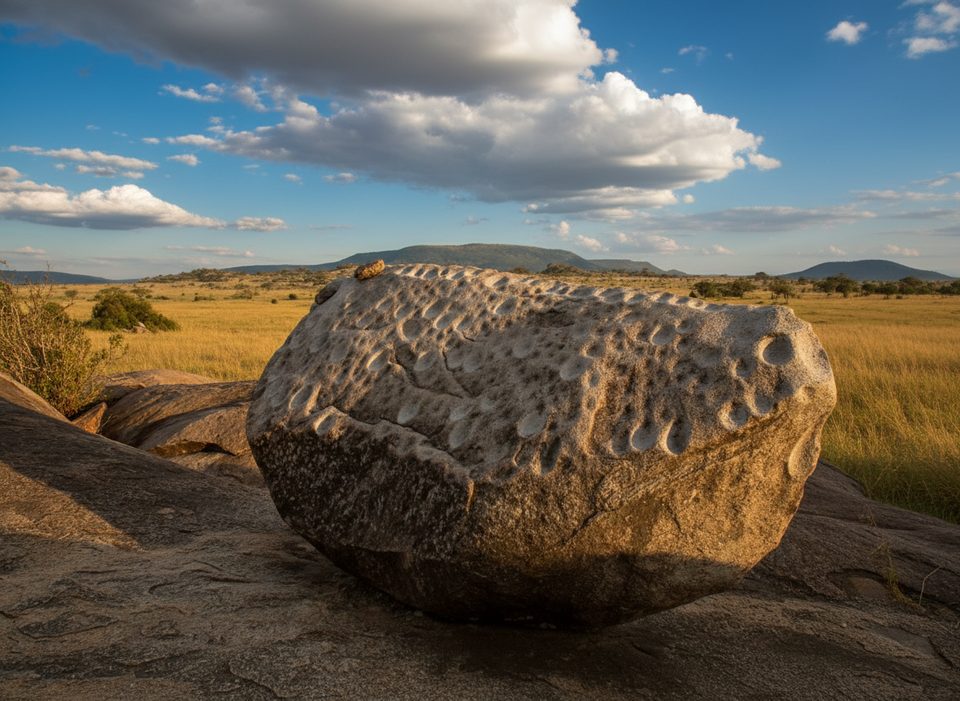
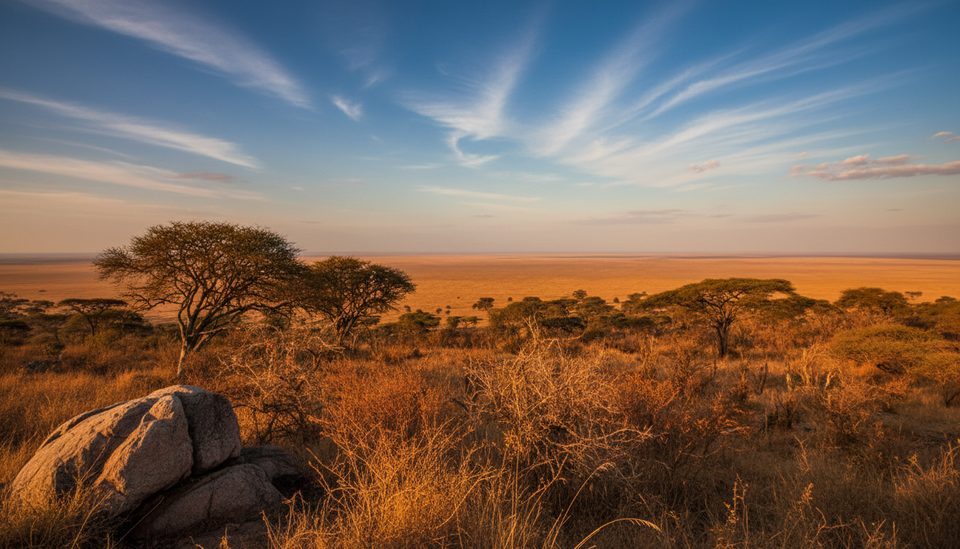
Moru is classic kopje country—granite outcrops rising from the plains—and a stronghold for big cats and other game. Pairing that scenery with a rare chance to learn about (and possibly see) wild black rhino makes this stop feel purposeful, not perfunctory.
Don’t count on flush toilets, running water, or a café. Treat it as a brief, information-forward stop; handle your comfort needs elsewhere on your route.
Aim for early morning to align with ranger activity, cooler temps, and softer light. If you’re hoping to combine it with big-herd viewing, late May–June and November–December often bring migrating wildebeest and zebra into range. Sunrise and sunset around the kopjes are superb for photography, but plan your centre visit around the rangers’ schedule.
If conservation and wildlife behavior fascinate you, absolutely—this is a meaningful, quietly powerful stop. If you’re shopping for amenities, skip it and focus on larger hubs; this place is about the rhinos, full stop.
Place · 0 mi away
Place · 0 mi away
Place · 0 mi away
Place · 2.5 mi away
Easy · 0 mi away
Easy · 16 mi away
Easy · 31.6 mi away
Moderate

Parkwolf Tour Guide
