Moru Kopjes

Granite kopjes with rhinos, big cats, and Maasai rock art
Moru Kopjes, Serengeti National Park
InsideSerengeti National Park

Overview

Think massive granite “islands in a sea of grass.” Moru Kopjes are ancient, iron‑tinged granite outcrops rising from the central–southern plains. “Moru” means “old” in Maasai, and the rocks look it—rounded by ages of heating, cooling, and erosion. This is a transitional zone: low‑grass pastures to the south and east, more woodland to the north and west, with shade and water pockets that pull wildlife in.

Why it’s special

  • Black rhinos: Moru is the stronghold for Serengeti’s remaining black rhinos, monitored by the Serengeti Rhino Project.
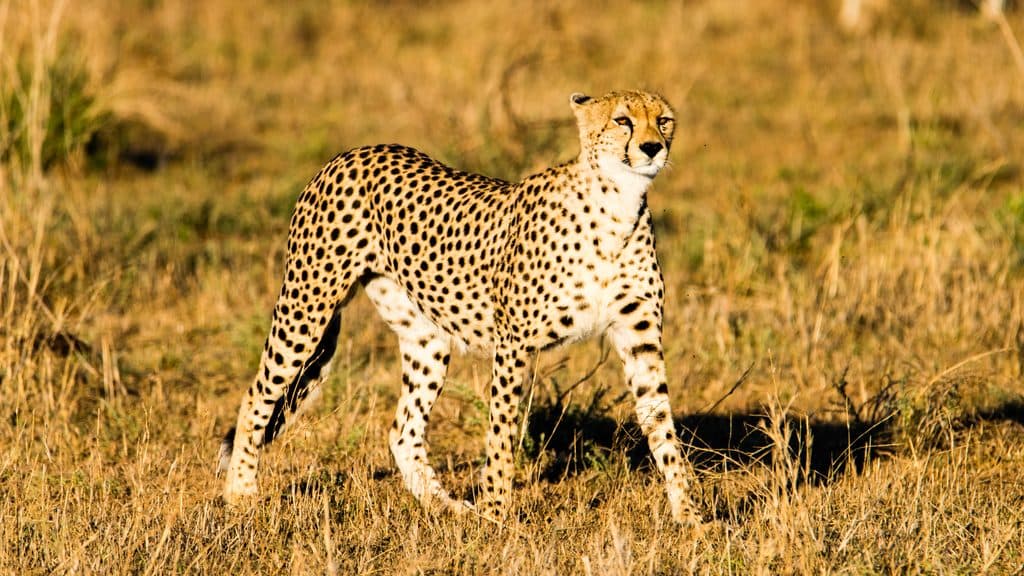
  • Big cats: Lions, leopards, and cheetahs use the kopjes as lookouts and ambush points.
  • Culture: Visit Maasai rock paintings and the resonant Gong Rock—fascinating stops when you break up game drives.
  • Scenery: Euphorbia candelabrum trees, reddish boulders, and endless grassland make sunrise and sunset here feel cinematic.

Wildlife highlights

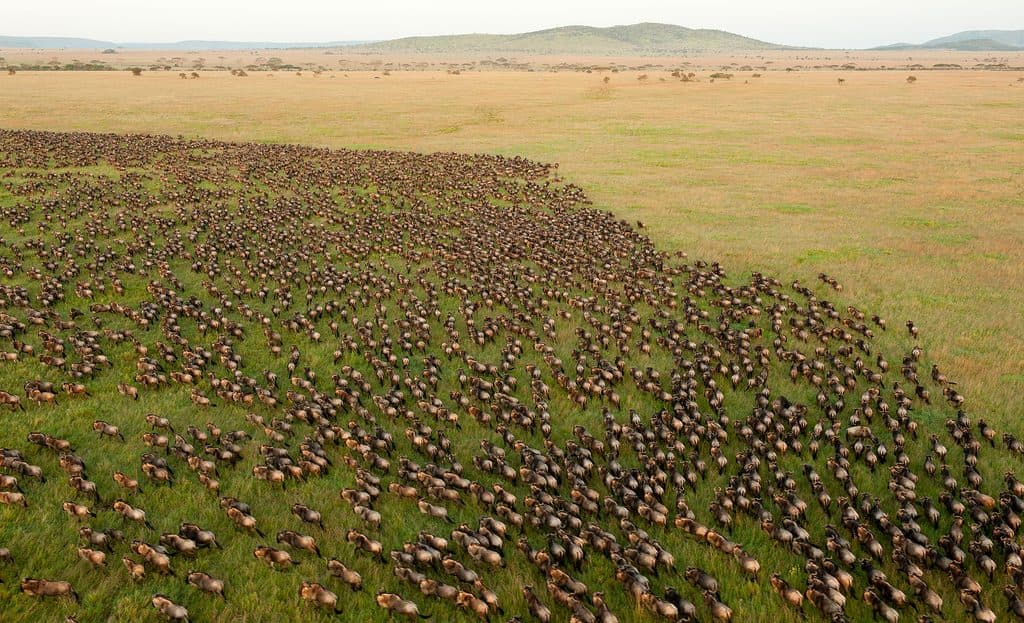
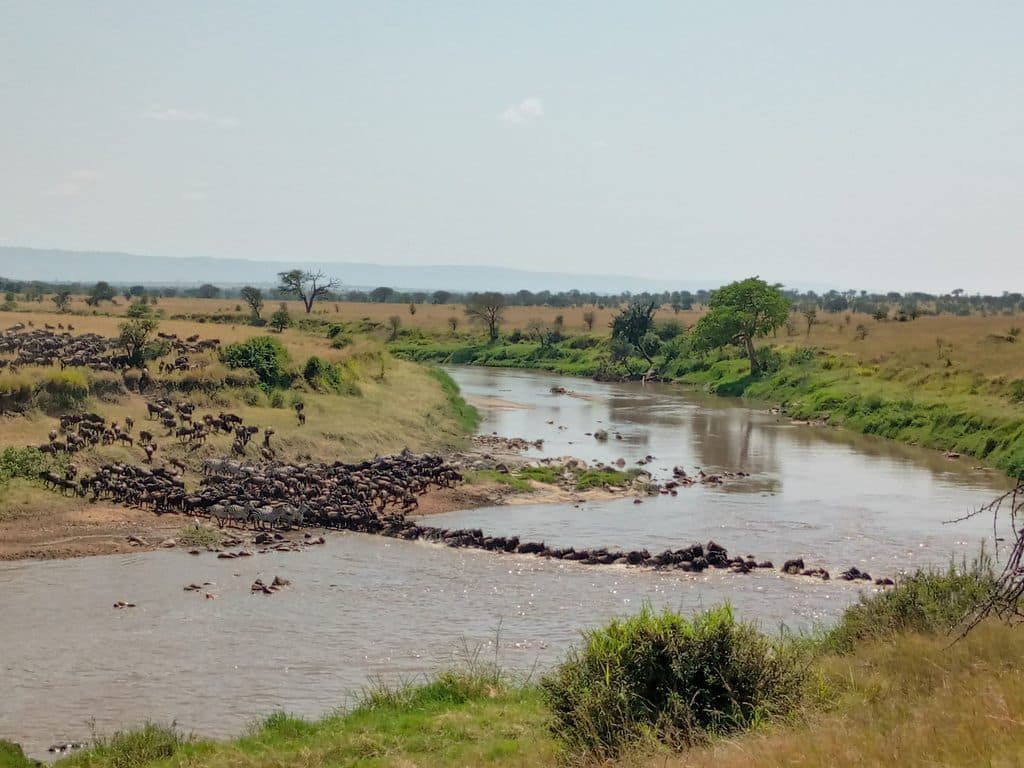
Year‑round game viewing is excellent. Beyond rhinos and big cats, expect elephants, buffalo, giraffes, topi, impala, warthog, hyena, and plenty of birds. Nearby Lake Magadi often hosts greater and lesser flamingos; lions work the surrounding swamp grasses for cover. During the Great Migration, central Serengeti action can spike, with wildebeest mating in May and synchronized calving peaking in February further south.

How to visit

Standard visits are by game‑drive vehicle; there are no public DIY hiking trails. Ranger‑escorted walks and rhino‑focused activities must be arranged in advance (your operator handles permits). There’s a small Serengeti Rhino Project visitor center in the area for conservation context. Stay on designated tracks, only step out at approved spots, and leave rock art untouched. Drones are typically prohibited.

On‑the‑ground logistics

Moru is wild and light on amenities: no shops, no kiosks, and usually no toilets right at the kopjes. Expect informal pull‑offs rather than paved parking. Bring all drinking water, snacks, and a picnic, and pack out your trash. Cell service is weak to nonexistent. A 4x4 is standard; in the green (wet) season some tracks get muddy or briefly impassable.

Best time to visit

You can come any month. For the easiest driving and clearest sightlines, June–October (dry) is hard to beat. The green season (roughly December–April) brings lush backdrops and great birding, but also mud—budget extra time. For photography and predator activity, target dawn and late afternoon; midday heat shimmer is common.


Photo tips

A 300 mm or longer lens helps with cats and rhinos. Work the golden light at sunrise/sunset around the kopje edges for silhouettes and long‑lens portraits.

Time needed

Give it a half day for the essentials, or a full day if you’ll stop at rock art sites, check in with the rhino team by prior arrangement, and loop to Lake Magadi for flamingos and sunset.

Pros

  • Best odds in the park for spotting black rhinos
  • Prime big‑cat country with dramatic granite vantage points
  • Maasai rock paintings and Gong Rock add cultural depth

Cons

  • No on‑site facilities; bring water, food, and a plan for toilets
  • Walking is by ranger‑escorted activity only; mostly vehicle‑based
  • Tracks can be muddy in the green season, slowing travel

Tips

  • Pre‑book ranger‑led rhino activities via the Serengeti Rhino Project—slots are limited.
  • Bring all water, snacks, and a picnic; there are no shops or toilets at the kopjes.
  • Stay on designated tracks and only exit the vehicle at approved stops or with a ranger.
  • Aim for dawn or late afternoon for softer light and more active predators; a 300 mm+ lens helps.
  • In the green season, allow extra time for muddy tracks and occasional closures.
The Parkwolf tour guide sitting on a phone mounted in a car

Parkwolf Tour Guide

Like a tour guide in your car.

Save the places you found around Serengeti, then let Parkwolf guide the drive between them.Download Parkwolf on the App Store