Moru Kopjes Viewpoint

Granite kopje outlook over lion country and endless plains
Moru Kopjes Viewpoint, Serengeti National Park
InsideSerengeti National Park

Overview

This is a simple pull-off beside the dramatic granite outcrops of the Moru Kopjes—those ancient, Precambrian rocks that punch through the Serengeti’s grass sea. It’s all about the view: endless plains, hulking boulders, and the quintessential Serengeti mood. No frills, no fencing—just big sky and bigger scenery.

What You’ll See

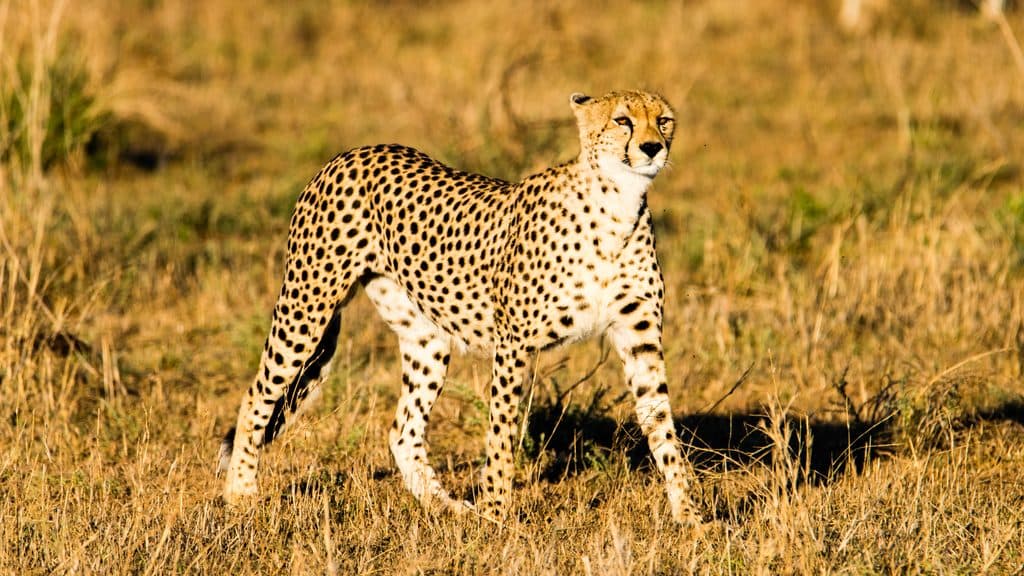
Scan the kopje flanks and nearby plains for the usual Moru headliners: lions lounging on warm rock ledges, leopards in shaded crevices, and cheetah working the open country. You’ll also find elephants, buffalo, hyena, baboons, giraffe, and rock hyrax among the boulders, with raptors and vultures riding the thermals. Moru is one of the park’s last strongholds for black rhino; sightings are tightly managed with rangers, so don’t expect DIY rhino hunting from the roadside.

Culture and Geology

These kopjes are some of the Serengeti’s oldest features—hard granite and gneiss revealed by eons of erosion. Around Moru you can make short guided stops to see Maasai rock paintings and the resonant “Gong Rock.” Candelabra trees stud the boulders, adding a surreal touch to the skyline.

Best Time to Visit

  • Dry season (June–October): Thinner vegetation, animals concentrated near water, and clear, golden light—classic big-cat viewing.
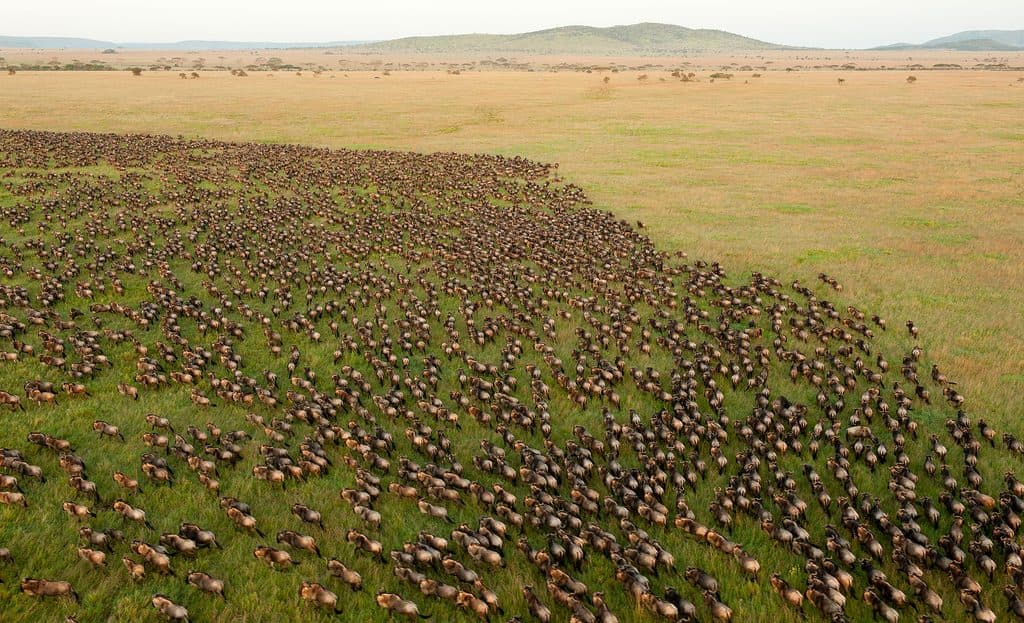
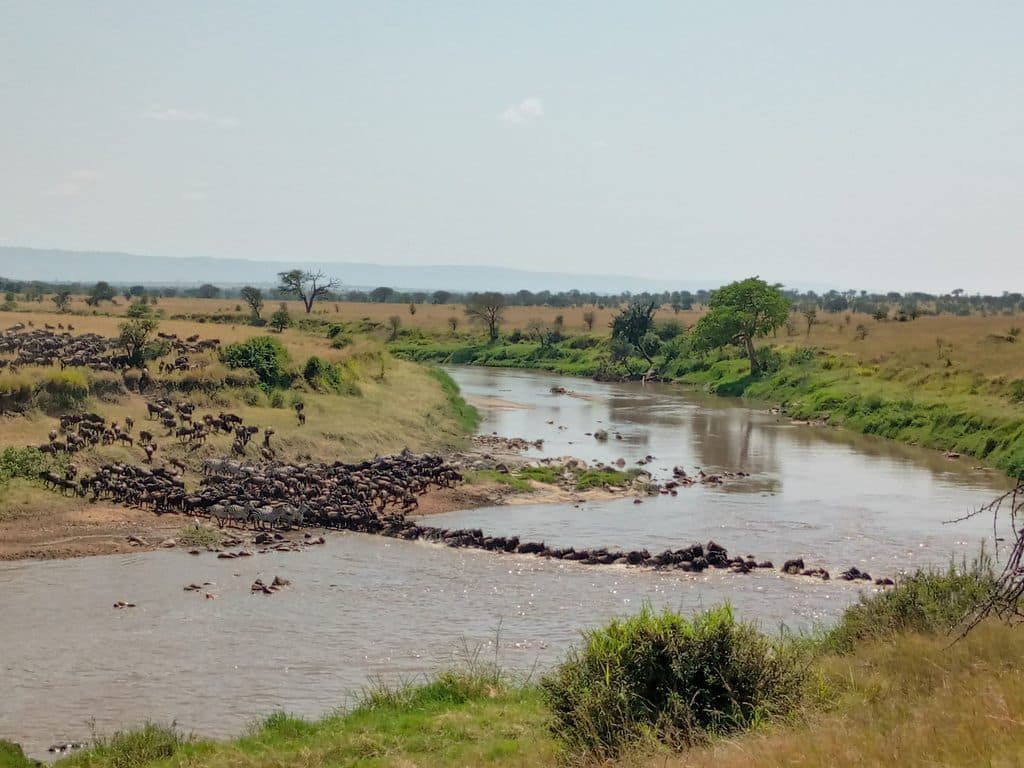
  • Green season (November–May): Lush backdrops, great birding, fewer vehicles. Calving action on the southern plains peaks January–February and predators follow. Migration movements may pass near Moru around May/June and again November–December.


For photography, arrive at first light or close the day here; mid-morning can be great for cats basking on the rocks.

Logistics and On-the-Ground Reality

There are no facilities at the viewpoint—no toilets, shops, or picnic setup. Guides typically pull off briefly at safe spots; stay on established tracks, especially in the sensitive rhino zone. Plan bathroom and lunch breaks at Naabi Hill Gate or the Seronera Visitor Centre. If you’re keen on black rhino, coordinate a ranger-led experience through the Moru rhino team ahead of time.

Nearby Add-Ons

Fold in a short, guided stop at the Maasai rock paintings and Gong Rock, or sweep the area around seasonal lakes; flamingos frequent nearby Lake Magadi when conditions suit. Moru tends to run quieter than central Seronera, which makes lingering for clean compositions and unhurried sightings a pleasure.

Should You Go?

If you want that iconic Serengeti blend—sculptural rocks, sprawling plains, and real odds for big cats—this pull-out is absolutely worth a stop. Come for the view, stay to glass the boulders; it’s simple, wild, and very Serengeti.

Pros

  • Wide-open kopje-and-plains panorama, superb at sunrise and sunset
  • Prime big-cat country; kopjes are natural scanning perches

Cons

  • No restrooms or services on site
  • No marked parking; brief roadside pull-off with strict no off-roading

Tips

  • Hit it at dawn or late afternoon for the best light and activity.
  • Glass the rock ledges mid-morning—cats often bask once the sun is up.
  • Bring binoculars (8–10x) and a 300–400mm lens to work the kopje faces.
  • Stay on established tracks; off-roading is prohibited and strictly enforced.
  • Plan restroom stops at Naabi Hill Gate or the Seronera Visitor Centre.
The Parkwolf tour guide sitting on a phone mounted in a car

Parkwolf Tour Guide

Like a tour guide in your car.

Save the places you found around Serengeti, then let Parkwolf guide the drive between them.Download Parkwolf on the App Store