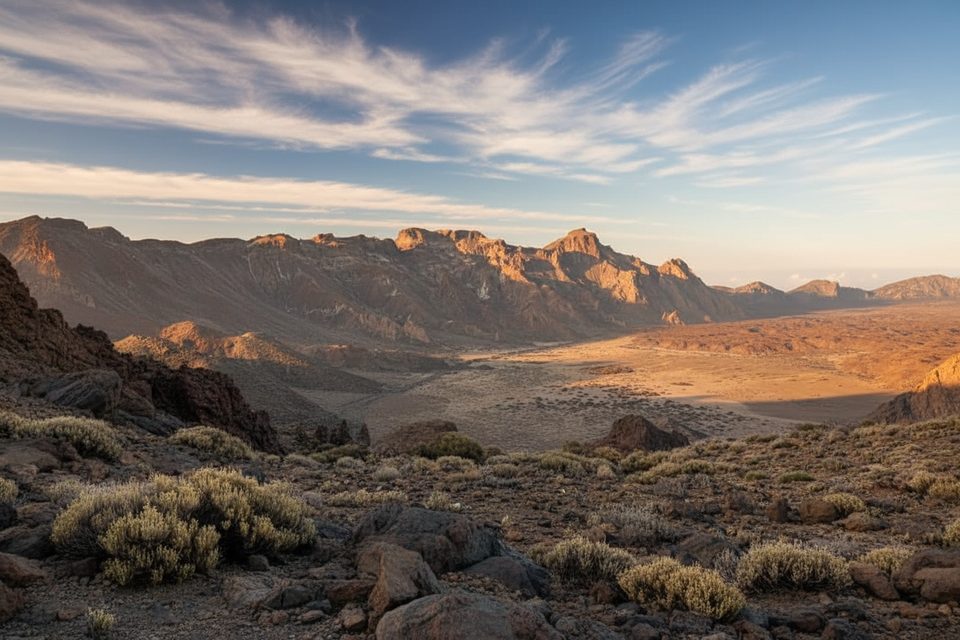
Degollada de Ucanca

Wind-swept saddle with huge views of Teide and the Ucanca plain
Degollada de Ucanca, Teide National Park
InsideTeide National Park

Overview

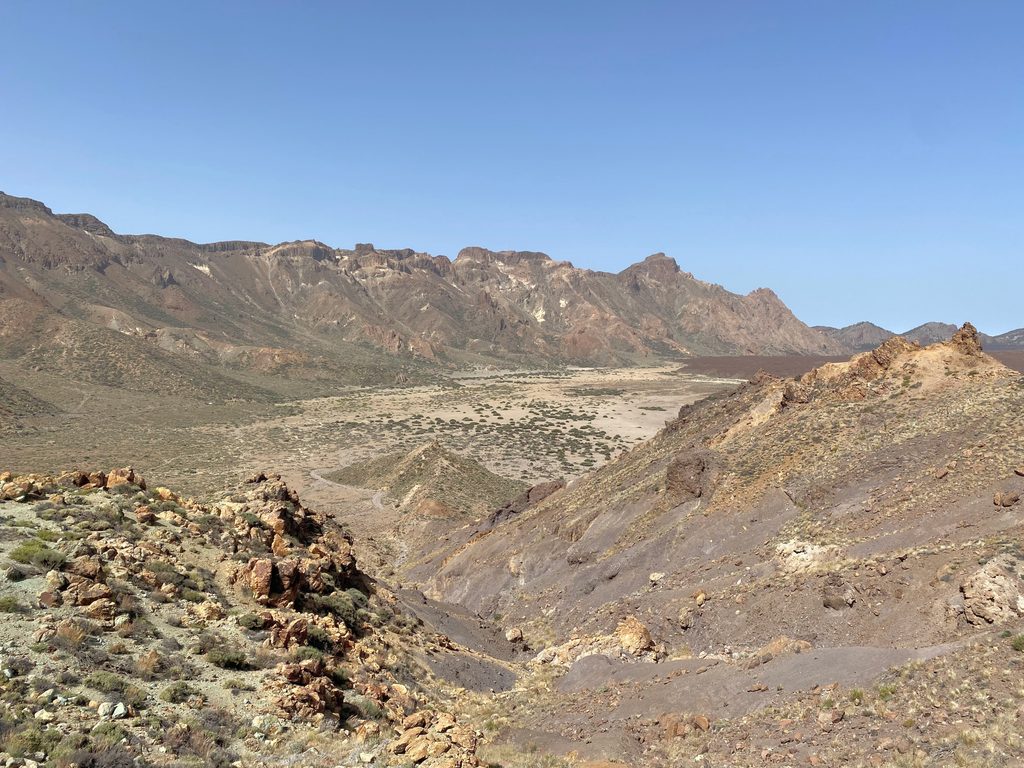
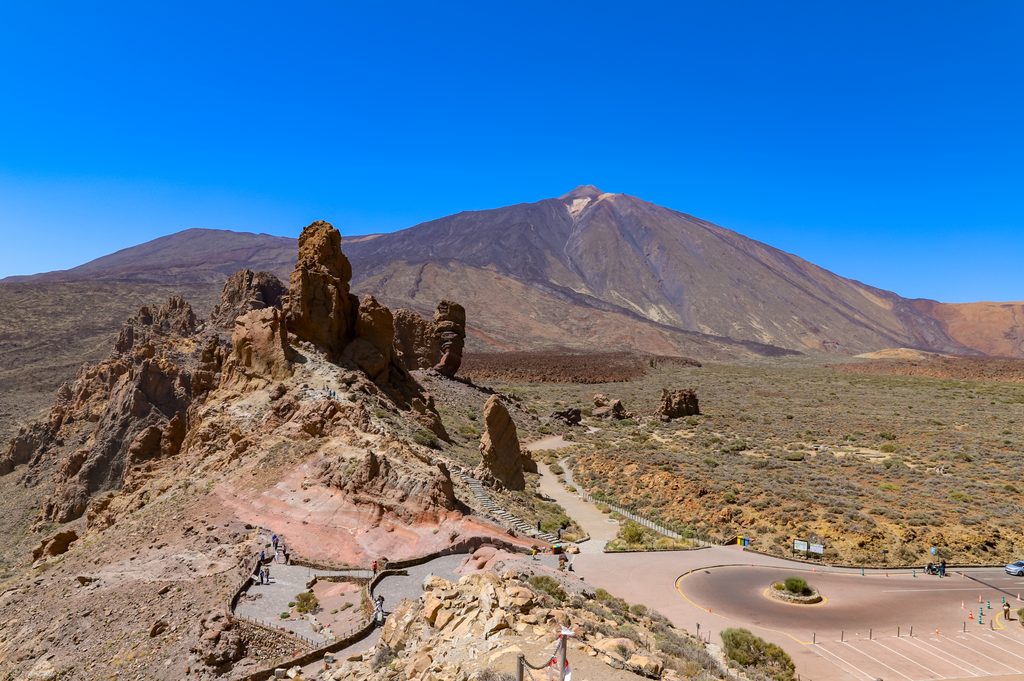
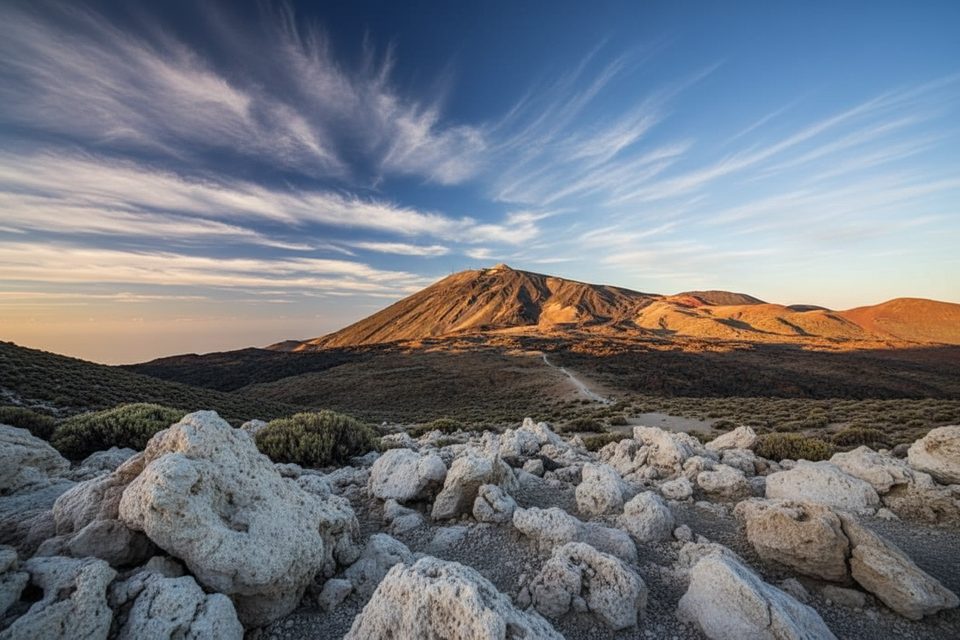
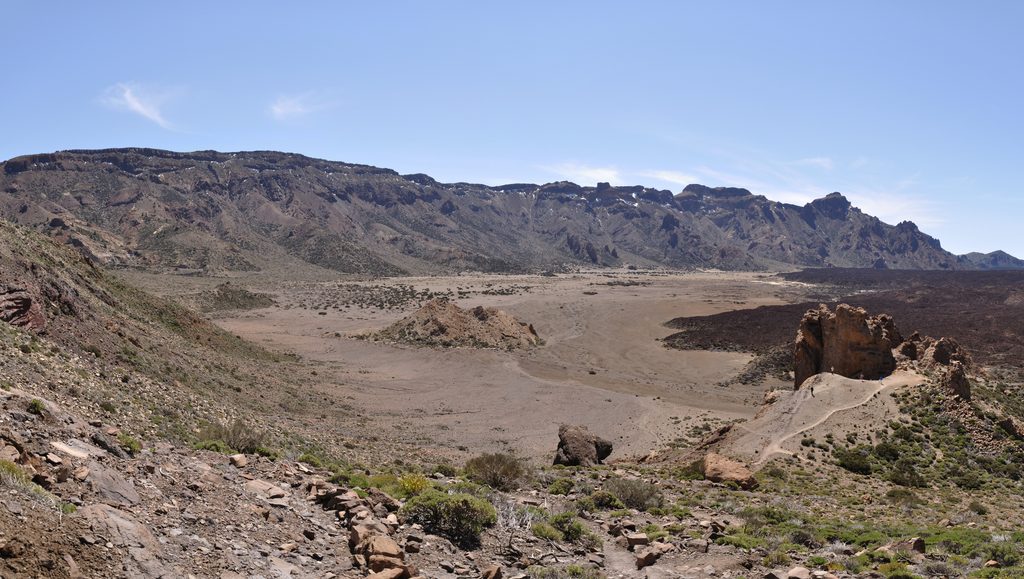
Perched on a wind-swept saddle above the Llano de Ucanca, Degollada de Ucanca is where Teide’s big drama really lands—wide‑angle views of Spain’s highest peak (3,718 m), the vast Las Cañadas amphitheater, and the jagged silhouettes of the Roques de García. It’s scenic, stark, and feels a world away from the coast.

What You’ll See

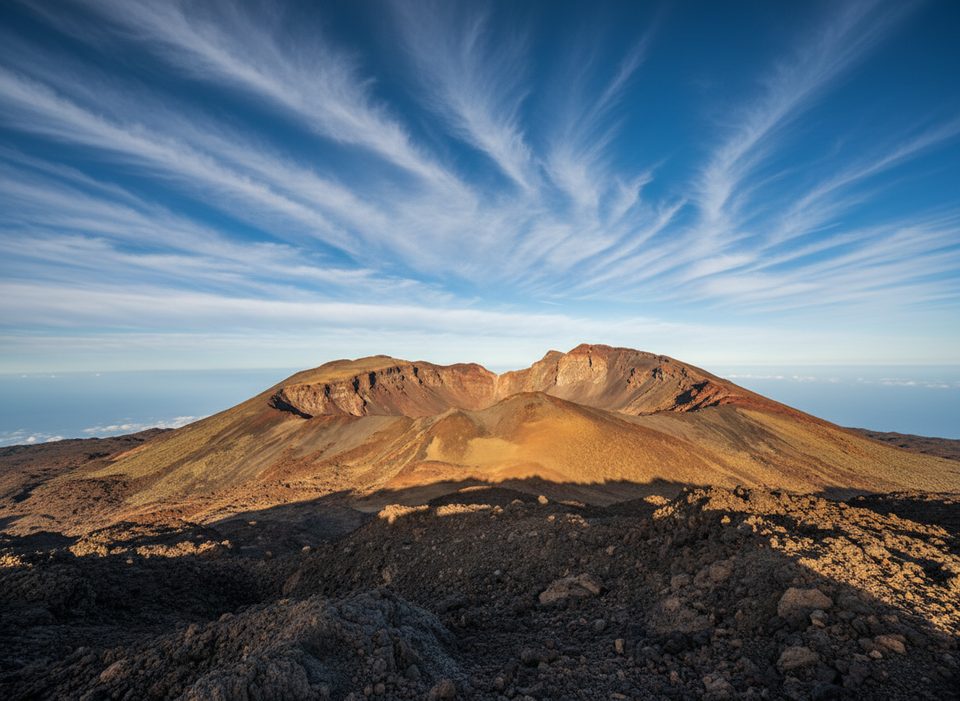
  • A sweeping panorama of Teide and Pico Viejo, with the caldera walls wrapping the horizon.
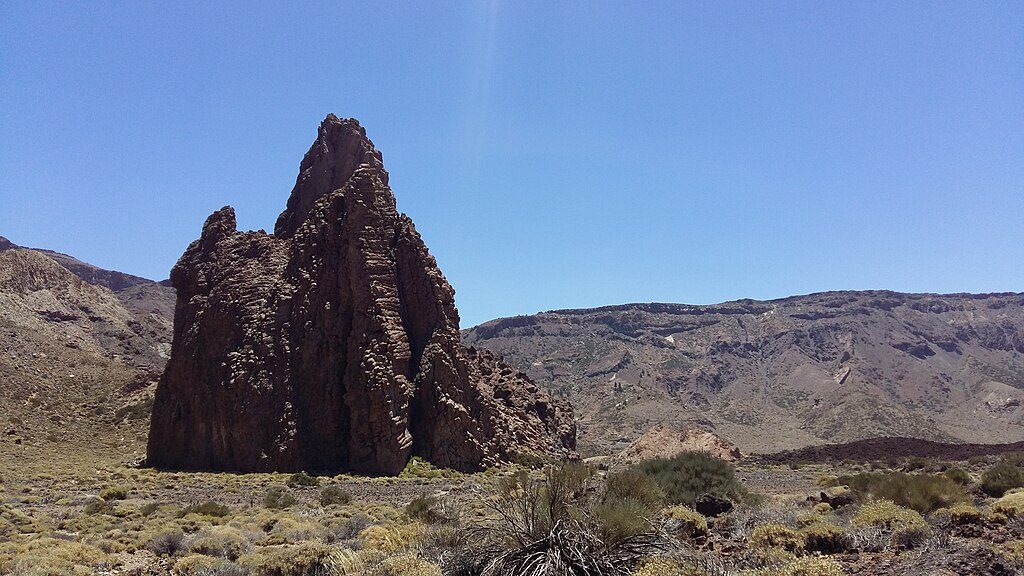
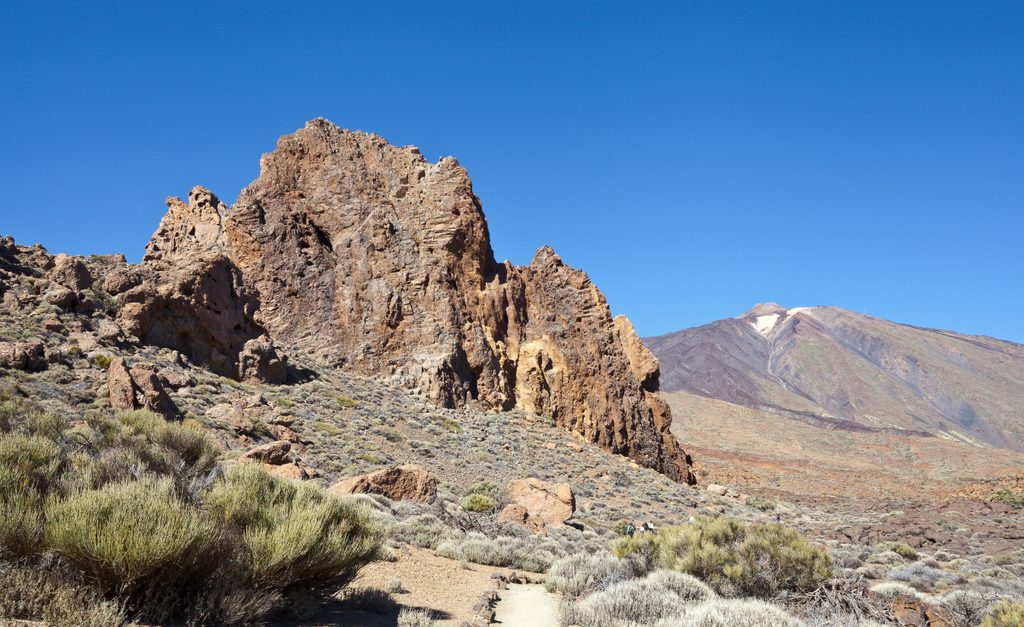
  • The famous Roques de García—eroded volcanic spires like Roque Cinchado and La Catedral—rising from the plain.
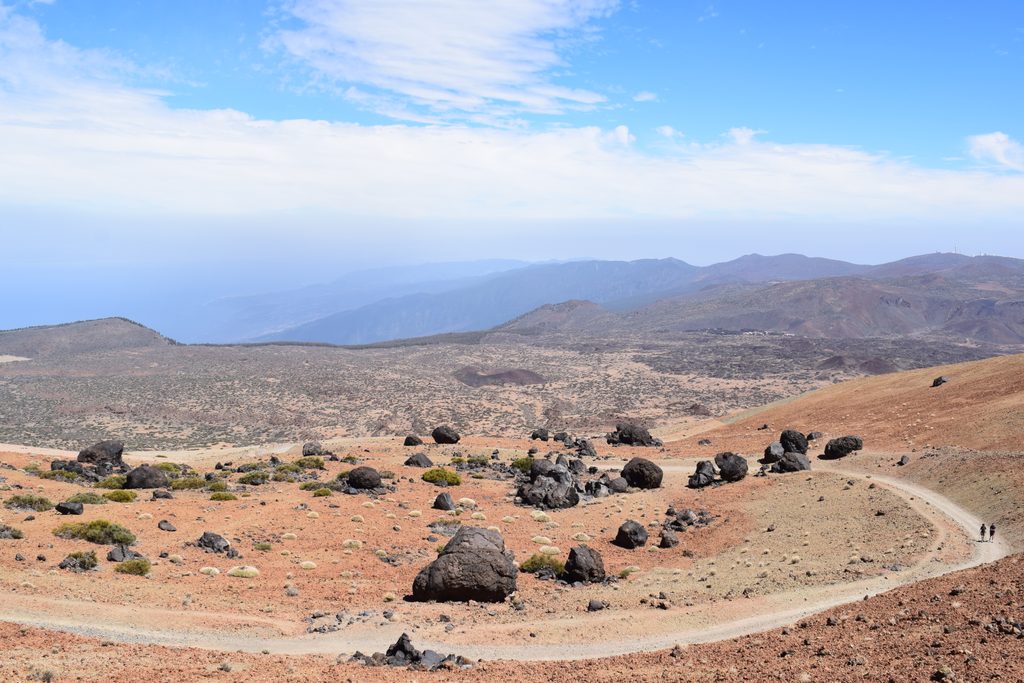
  • A palette of lava flows and ash fields that shifts with the light, especially near nearby viewpoints and recent lava areas.

How to Experience It

  • Short stop: Pair Degollada de Ucanca with nearby miradores (like the Llano de Ucanca and Roques de García viewpoints) for easy, high‑impact vistas.
  • Hike option: The Cumbres de Ucanca (Trail 31) is a demanding, linear 8.1 km route (~3.5 hours) that climbs roughly 300 m to the saddle, then undulates along the Ucanca summits. Expect rugged footing and exposure; the payoff is constant, big‑sky scenery.
  • Make it a circuit of highlights: Roques de García loop for shifting angles on the spires, Minas de San José for “Mars” textures, and Boca Tauce for flows from Pico Viejo’s 1798 eruption.

Practicalities

There are no services at the saddle itself. Use the park’s visitor centers for restrooms, information, and exhibits—El Portillo or the Cañada Blanca center by the Parador are the reliable bets. Parking is concentrated at established areas around Llano de Ucanca and Roques de García; from there you can explore viewpoints and trails.

Why It’s Special

This is Teide’s geology in widescreen: old caldera walls up to ~600 m high, young lava fields, and iconic erosional chimneys that once graced a Spanish banknote. By day it’s all russet and black; by night the sky turns into a planetarium dome—one of the park’s signature experiences.

Add‑Ons

If you want even bigger horizons, ride the cable car to La Rambleta (3,555 m) and walk the La Fortaleza or Pico Viejo viewpoint paths. The final summit path (Telesforo Bravo) needs a permit booked in advance.

Best Time to Visit

  • Light: Aim for early morning or late afternoon for softer color and fewer crowds; sunset is magical as day‑trippers thin out.
  • Weather: Year‑round, but it’s colder and windier than the coast; winter can bring snow and spring often delivers striking wildflower displays.
  • Night: Stay after dark for stargazing when the moon is down—the saddle’s openness pays off.

Etiquette & Safety

Stay on marked paths (fragile terrain), pack out trash, and come prepared for altitude: layers, sun protection, water, and sturdy shoes. Check the forecast and daylight before committing to longer hikes.

Pros

  • Vast, cinematic views of Teide, Pico Viejo and the Llano de Ucanca
  • Superb golden hour and stargazing conditions

Cons

  • No on-site services; nearest facilities are at visitor centers
  • High, exposed terrain with strong sun, wind and temperature swings

Tips

  • Treat this as a no‑services stop—use visitor centers for restrooms and water.
  • Dress in layers and bring sun protection; it’s colder and windier than the coast.
  • Arrive early or late for easier parking at nearby viewpoints and better light.
  • If adding the cable car, know the summit path requires a permit booked in advance.
The Parkwolf tour guide sitting on a phone mounted in a car

Parkwolf Tour Guide

Like a tour guide in your car.

Save the places you found around Teide, then let Parkwolf guide the drive between them.Download Parkwolf on the App Store