
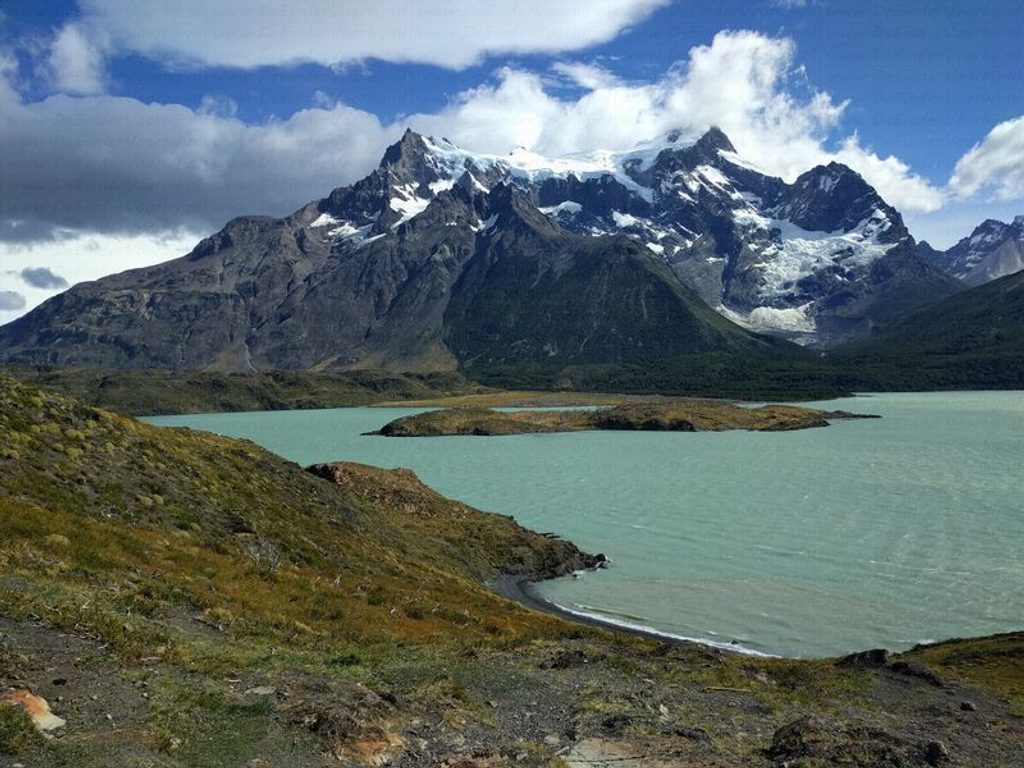
Place · 0 mi away
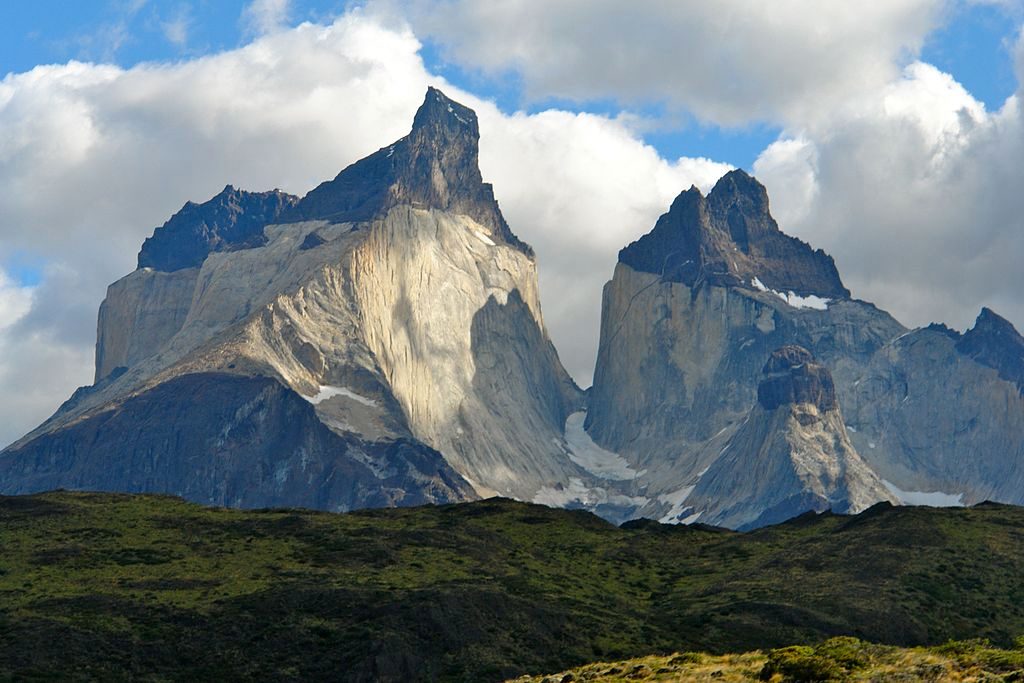
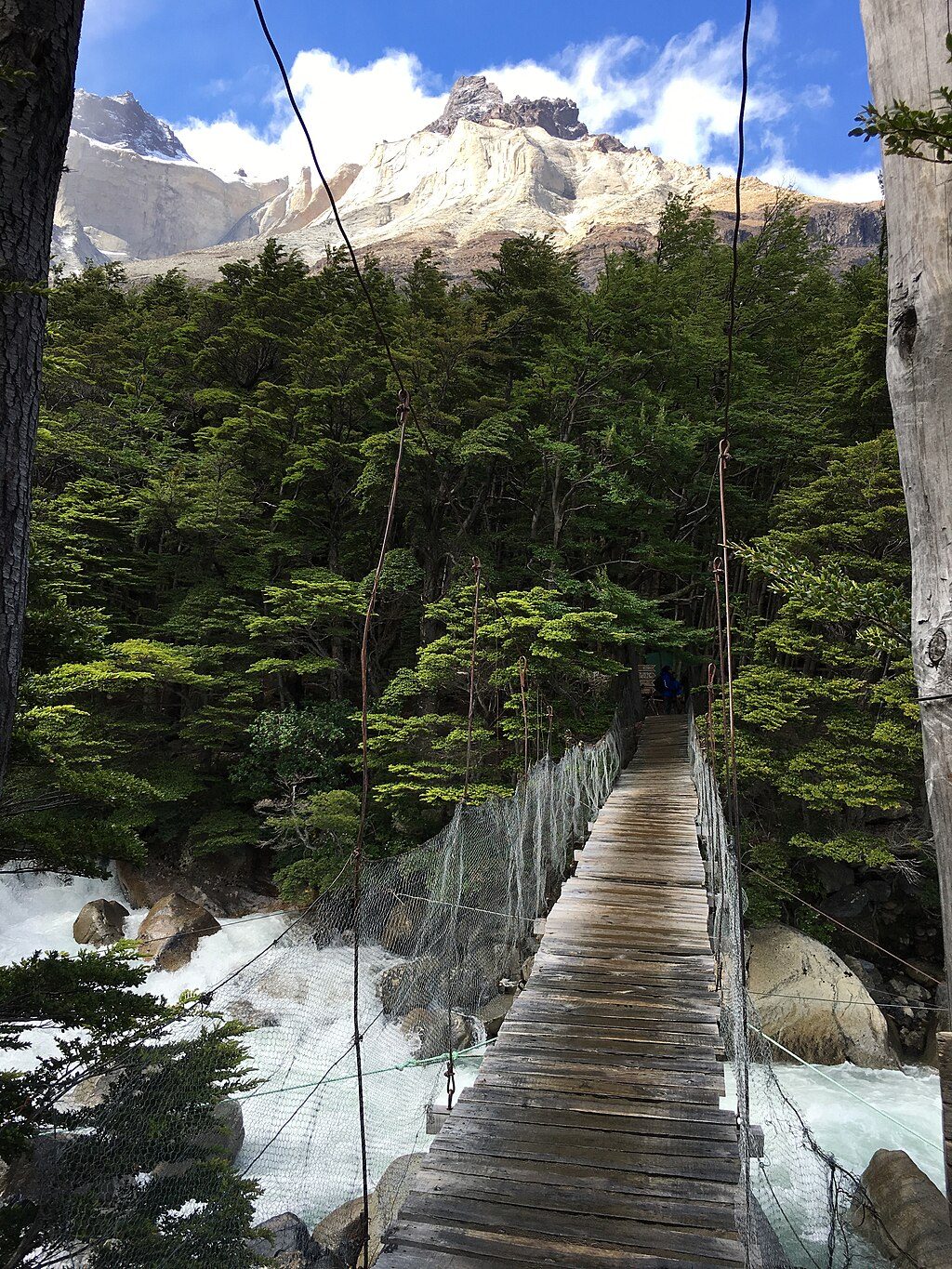
The Cuernos are the park’s famous “horns”: dark sedimentary caps set atop lighter granite, rising roughly 2,400–2,600 m. Glaciers carved the massif into today’s jagged skyline, and the result is the most photogenic profile in the park—especially with turquoise lakes in the foreground.
Expect an easy hike with big payoff—no technical gear needed beyond sturdy shoes and a windproof layer. Plan about 2 hours out‑and‑back at a relaxed pace. In high winds the trail may be closed; rangers and staff sometimes shut the gate to cars when parking fills, adding roughly half a mile of walking.
Summer (December–February) brings long days and the strongest winds. Spring (October–November) trades slightly fewer crowds for blustery gusts; autumn (March) can be wetter but calmer. Conditions change fast—pack layers, waterproofs, and eye protection, and keep well back from cliffy edges when gusts hit.
Guanacos often dot the approach roads and trails. The broader park also has a notably high puma density—enjoy any sighting from a distance and never run or feed wildlife. Birdlife is rich; bring binoculars if you have them.
Those two‑tone faces are the story: younger, darker sediments cap lighter granite that resisted erosion. The massif rose and was sculpted by ice over millions of years, leaving today’s dramatic relief.
Place · 0 mi away
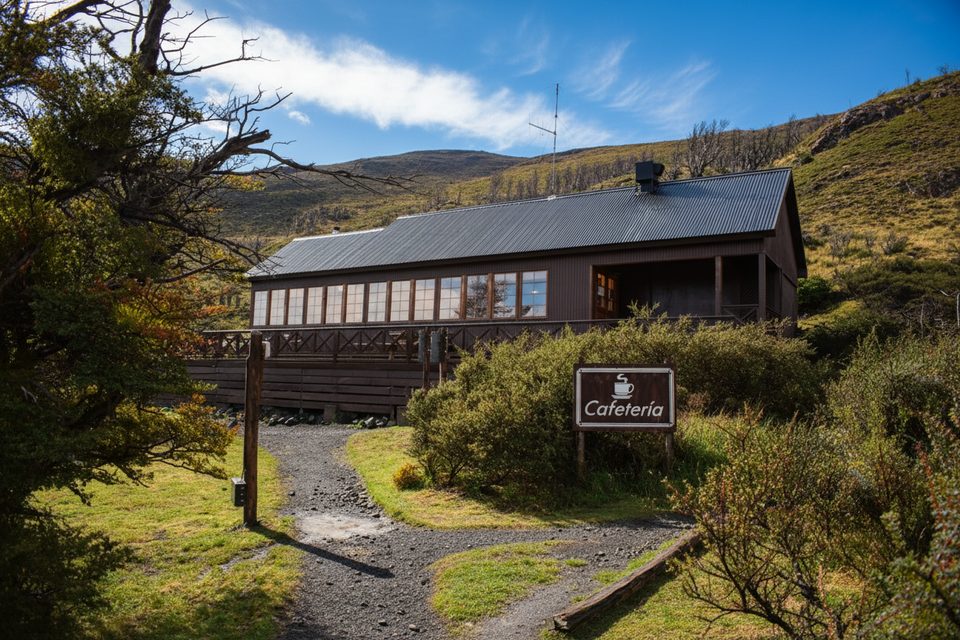
Place · 1.3 mi away
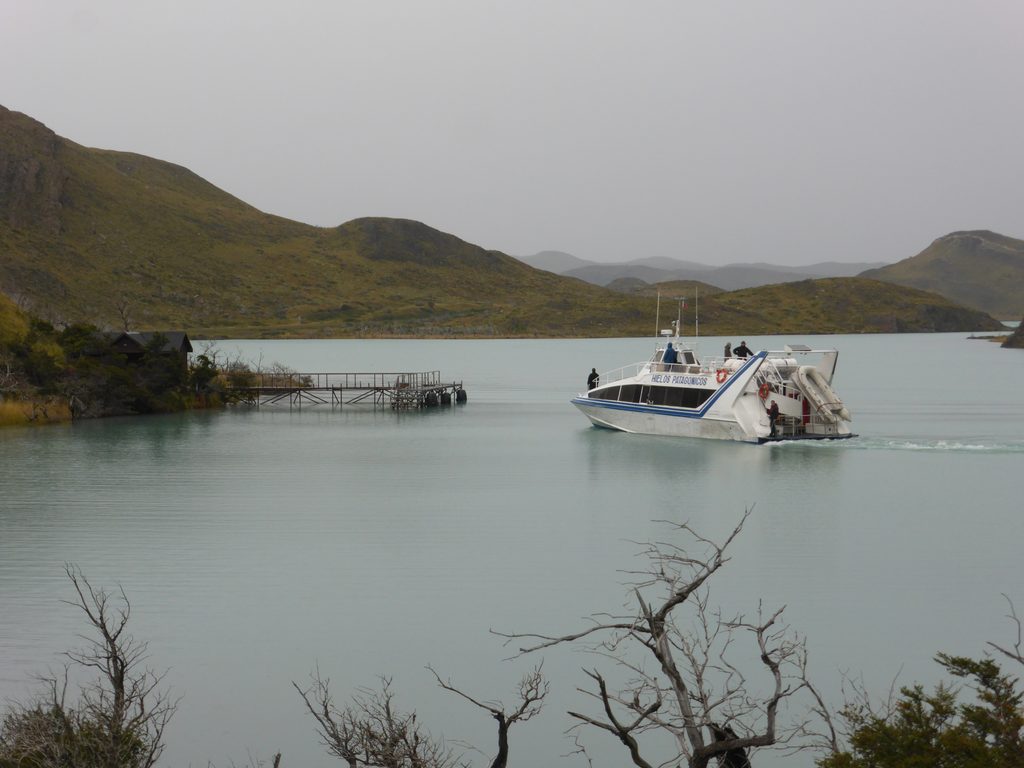
Place · 1.3 mi away
Place · 1.3 mi away
Challenging · 3.9 mi away
Easy · 7.3 mi away
Moderate · 7.3 mi away
Moderate · 7.6 mi away

Parkwolf Tour Guide
