
Place · 0 mi away
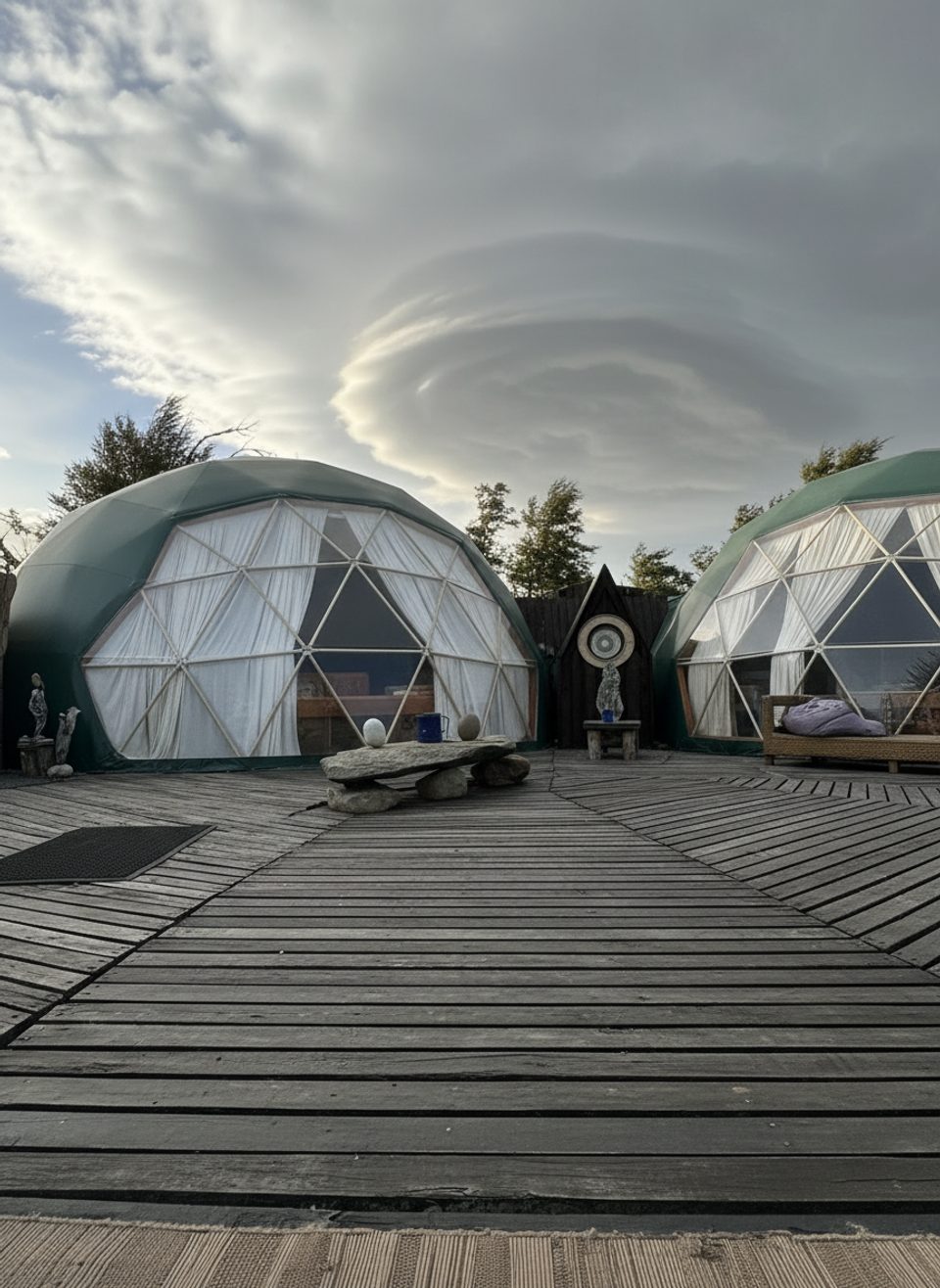
EcoCamp’s Dining Dome is the beating heart of camp life—where hikers trade stories over shared tables and daily plans get sorted with a drink in hand. There’s no Wi‑Fi, which nudges everyone to actually chat; if you like meeting fellow trekkers, you’ll love it. If you’re craving solitude, it can feel busy.
Breakfast is a generous buffet—think fruit, breads, cheeses, cereals, yogurt, eggs and more. After breakfast you build your own trail lunch from a buffet of breads, proteins, veggies and snacks to fuel the day. Dinner is a three‑course affair with Chilean/Patagonian flavors and at least one vegetarian and one vegan option per course. Chilean wine is poured at dinner; cocktails are available in the Bar Dome before the meal (happy hour with nibbles), though they run expensive.
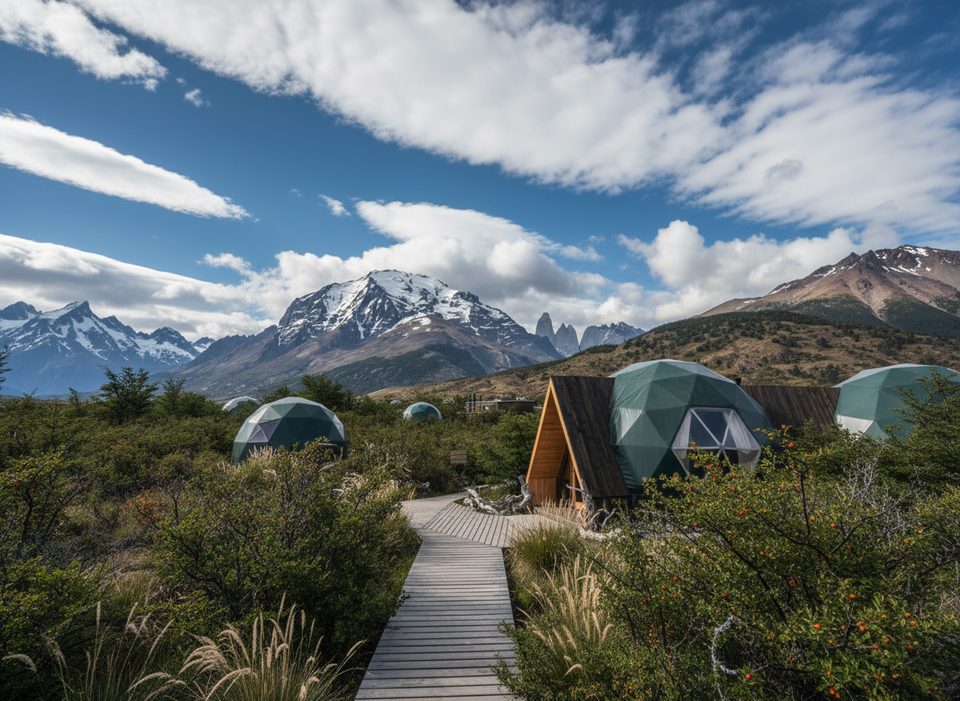
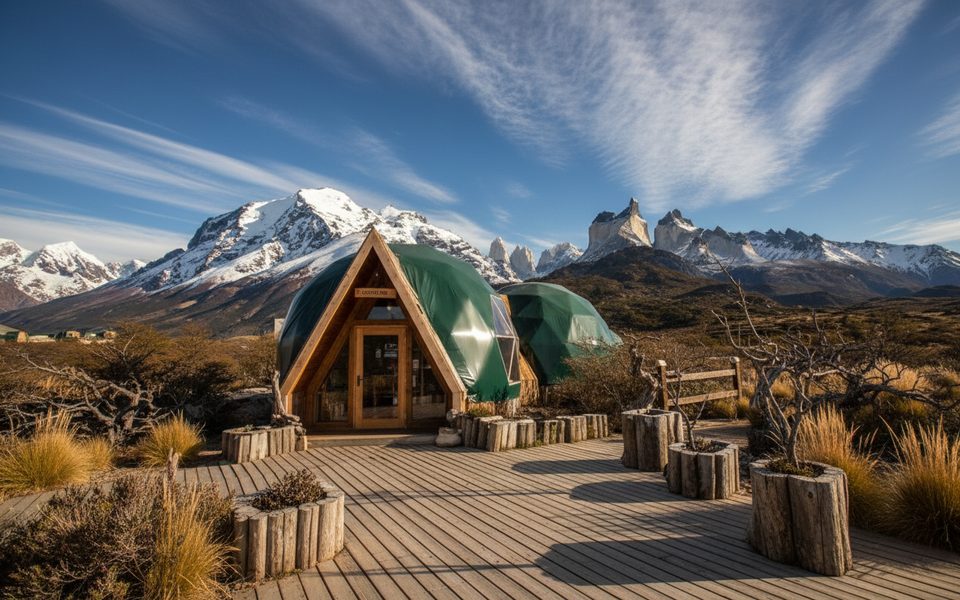
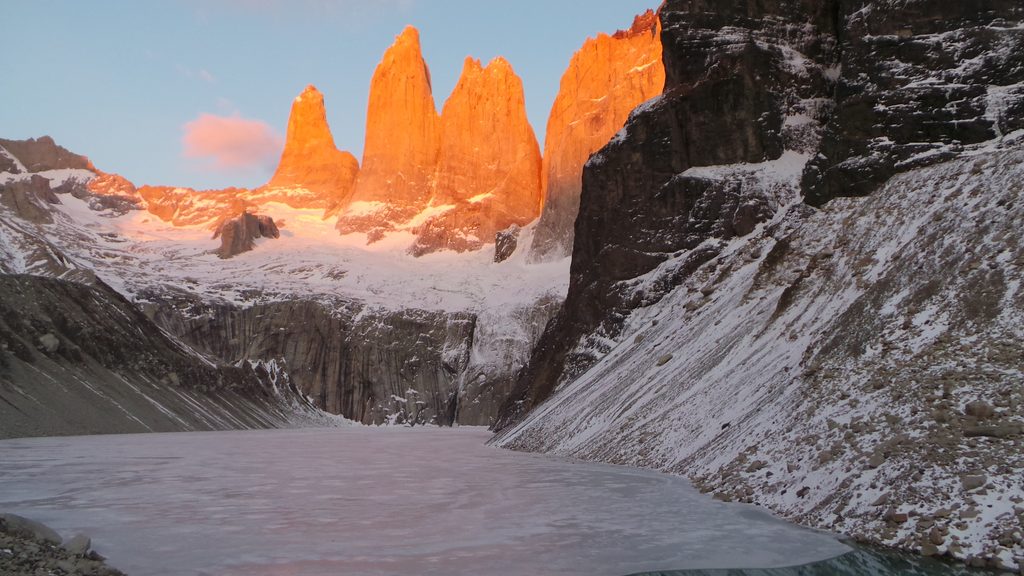
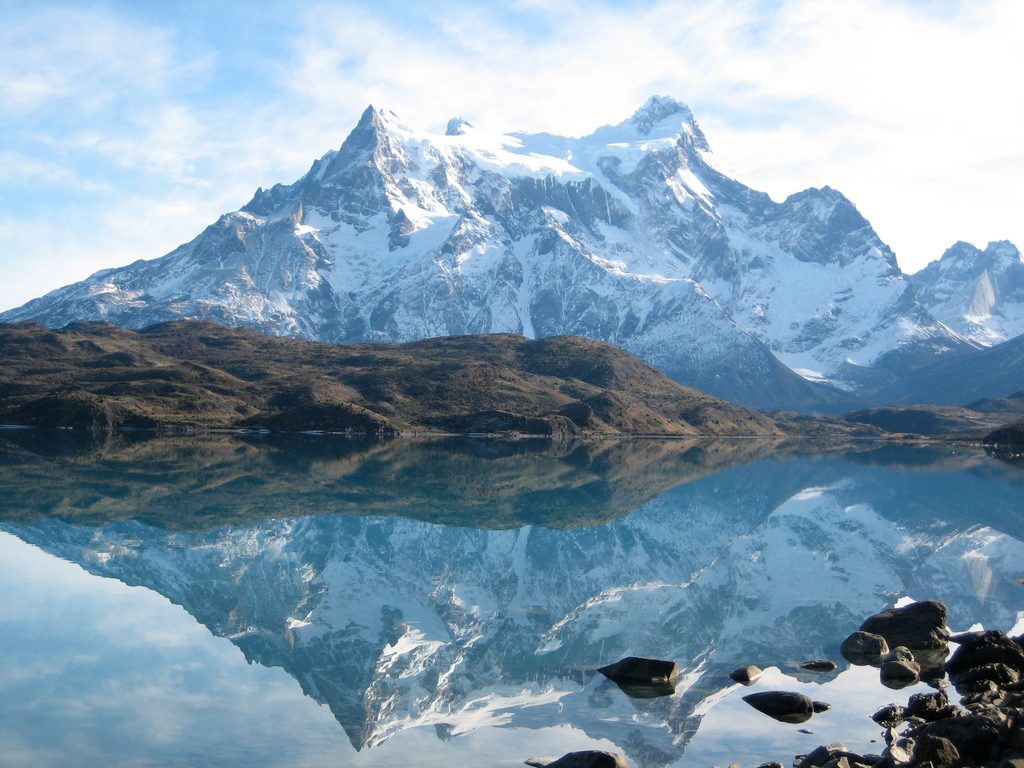
Meals happen in the bright, airy Core/Dining Domes—two giant geodesic spaces about 9 m across and 4.5 m high. Large windows pull in panoramic views of the Paine granite towers. Low‑emission wood stoves keep things cozy, but when the sun blasts the dome, it can warm up—bring layers.
This place walks the talk: power comes from a solar and micro‑hydro mix, and the broader camp uses composting toilets and a biofiltration system to cut wastewater impacts. EcoCamp operates with an ISO 14001 environmental management framework, and reports mention greenhouse herbs/produce making their way into the kitchen. The domes sit on raised wooden platforms to minimize ground disturbance.
Expect a social rhythm: pre‑dinner briefings and drinks in the adjacent Bar Dome, then communal seating at long tables for the nightly three‑course dinner. Breakfast happens early, followed by a pack‑your‑own lunch line for the day’s excursion. Dietary needs (vegetarian, vegan, gluten‑free) are well covered—flag specifics in advance and they’ll accommodate.
EcoCamp’s main season runs roughly September–April, with operations open from September to early May. Trails and camp life are busiest in January–February; many travelers prefer November or March for great conditions and fewer crowds. Inside the Dining Dome, mornings and evenings are the most comfortable; midday sun can heat the space.
Place · 0 mi away
Place · 0 mi away
Place · 0.2 mi away
Place · 0.2 mi away
Challenging · 0.1 mi away
Moderate · 0.1 mi away
Challenging · 0.1 mi away
Challenging · 0.1 mi away

Parkwolf Tour Guide
