
Place · 5.2 mi away
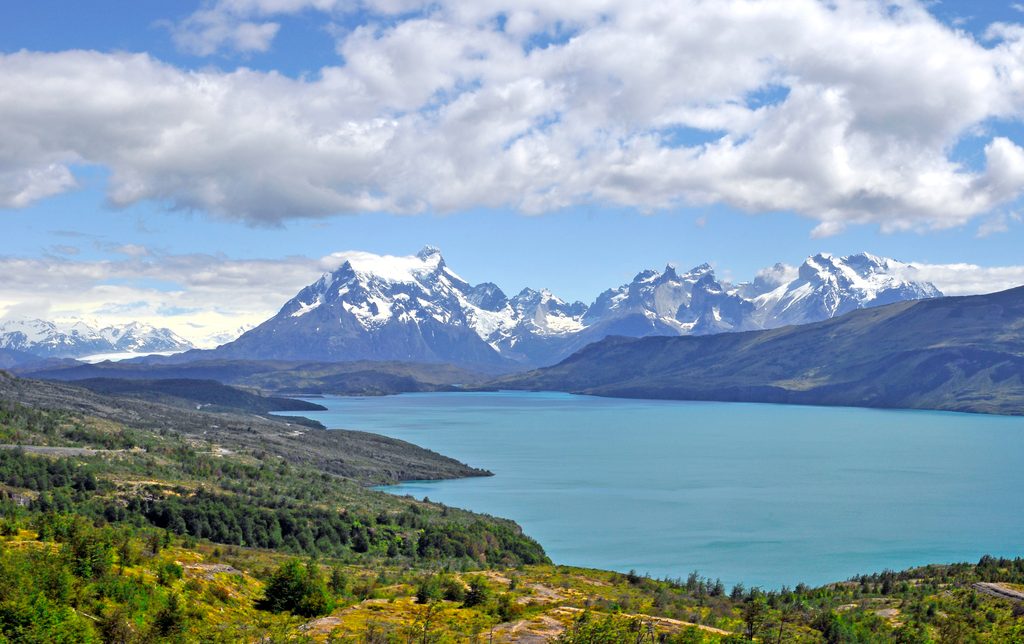
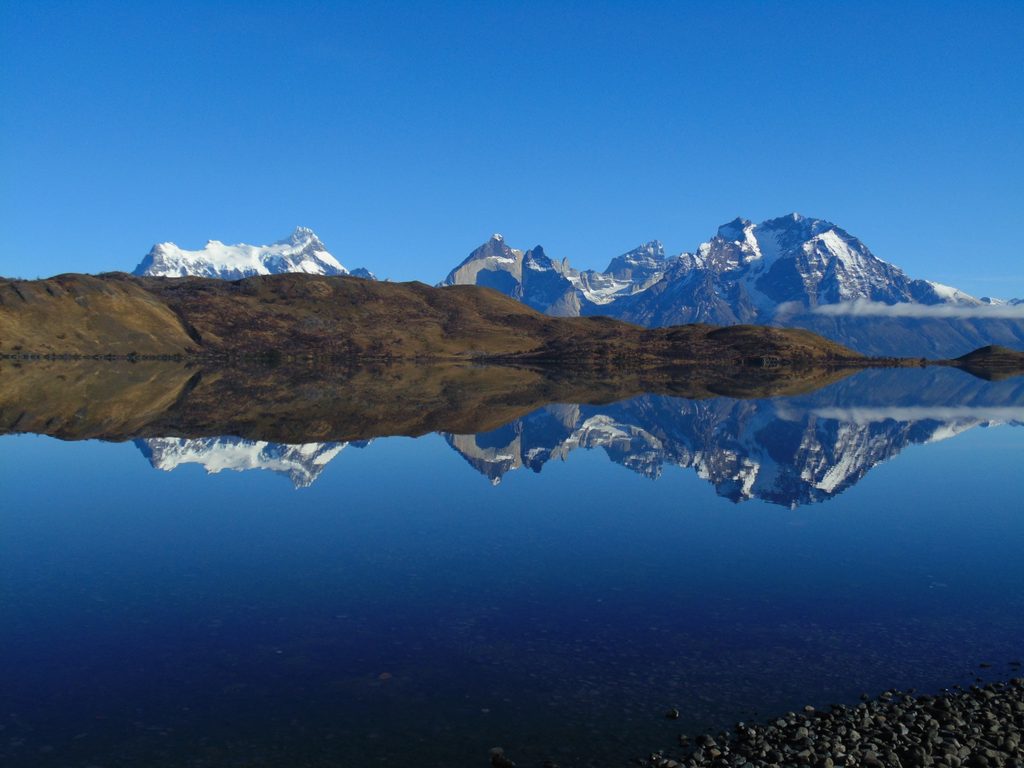
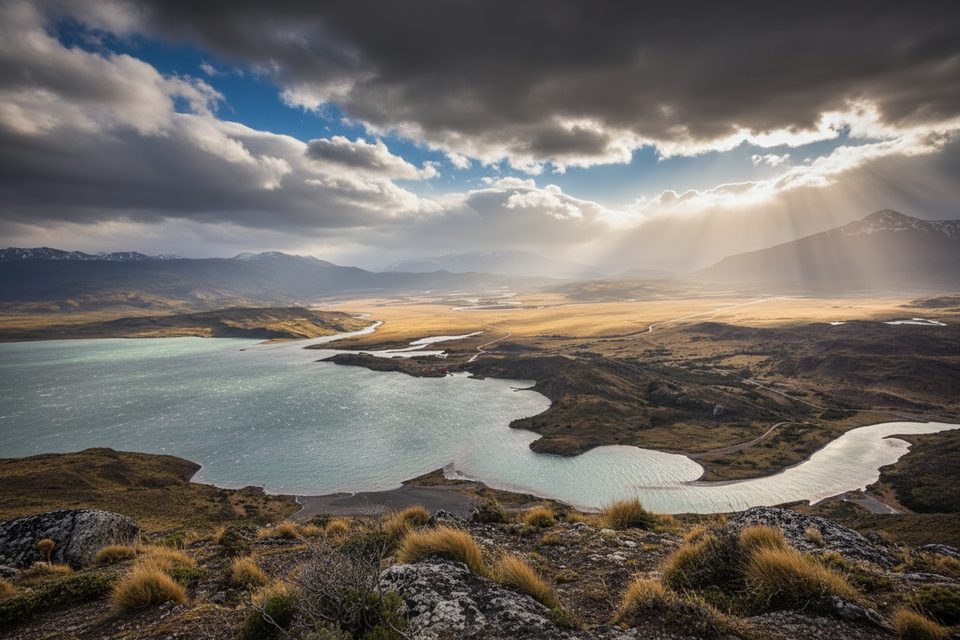
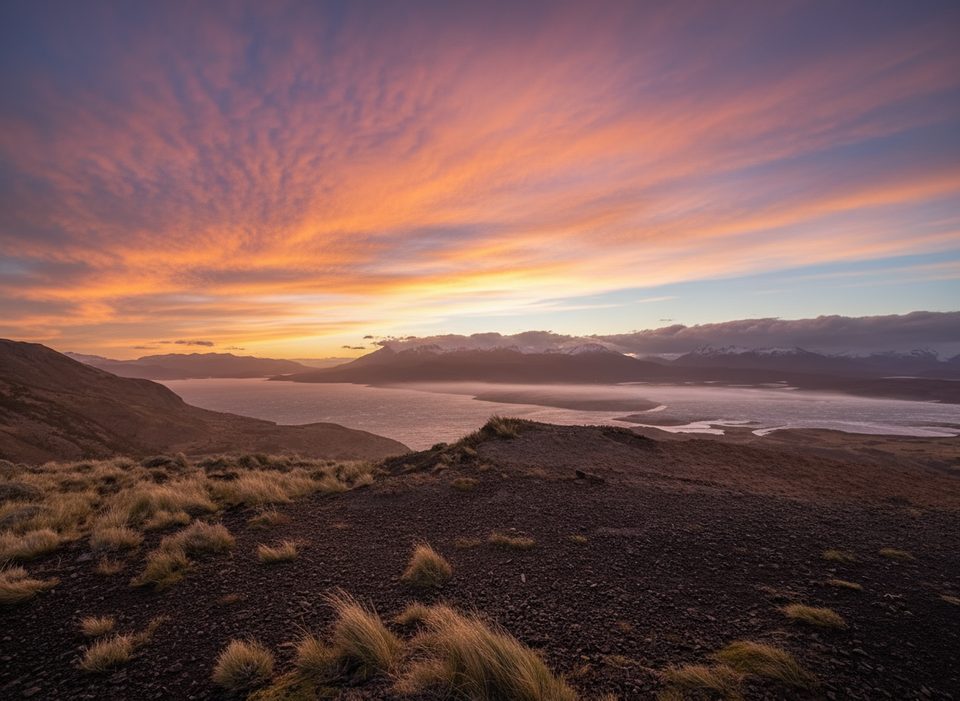
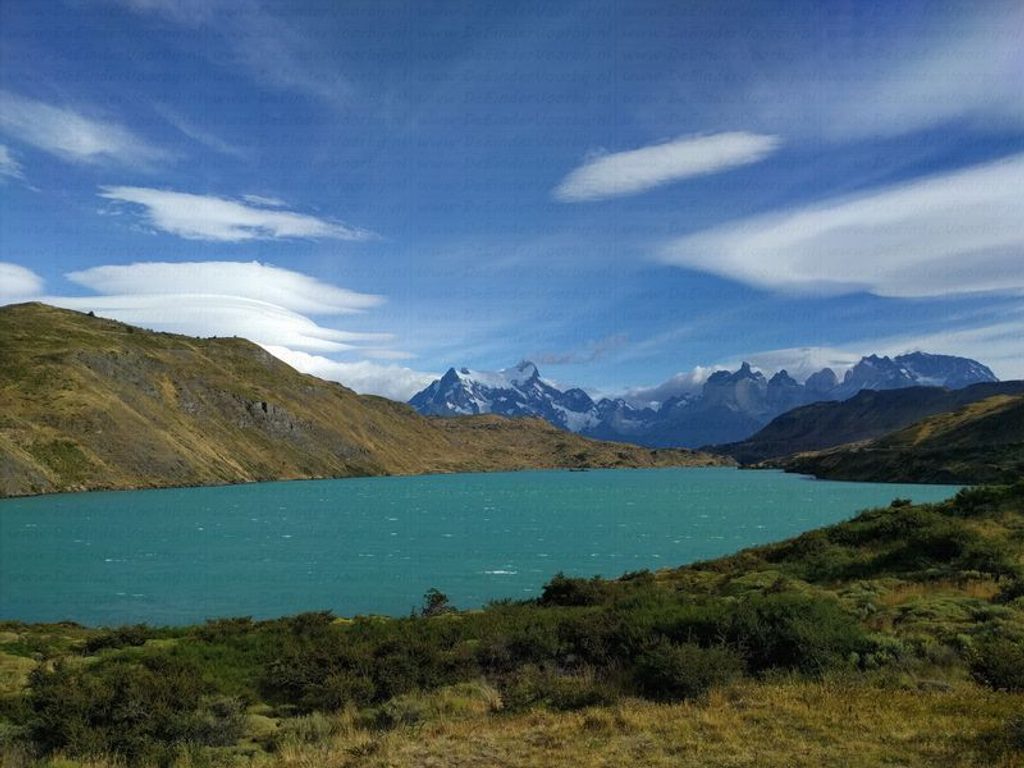
Lago del Toro is one of Patagonia’s big waters—vast, windswept, and dramatic. Only a slice of it lies inside the park, but you’ll feel its presence in the Serrano sector and from high lookouts that frame the Paine Massif beyond. It’s less hectic than the park’s marquee hotspots, making it a good place to slow down.
This lake sits in a landscape carved by the Patagonian Ice Sheet. After the Last Glacial Maximum, a huge proglacial system (the Great Tehuelche Paleolake) occupied these valleys, later draining west as ice barriers retreated. That glacial legacy still shows: fine “rock flour” suspended in meltwater can give the lake a milky‑turquoise hue.
Lago del Toro is the low point of the park’s famous chain: the Paine River runs out of Nordenskjöld and Pehoé, drops at Salto Chico, and feeds into Lago del Toro before continuing toward the fjords near Puerto Natales and the Pacific. It’s a satisfying place to understand how the park’s lakes and rivers knit together.
The broader area supports classic Torres fauna—think guanacos on the steppe, soaring Andean condors, pumas in low densities, plus huemul (South Andean deer), rheas, and Magellanic woodpeckers. Keep your distance, scan open slopes, and watch ridgelines for raptors riding thermals.
For hiking the Mirador Lago Toro loop, the prime window is roughly October–March. Start early to make the most of calmer conditions and to give yourself time for the initial steep climb. The Serrano sector tends to feel quieter than the park’s central hubs, especially outside peak holiday weeks.
Lago del Toro is large (about 202 km²), with only a small portion inside park limits—so views and access concentrate around the Serrano sector and the Lazo/Weber Bridge trailhead for the viewpoint. If you’re basing here, Camping Serrano offers a relaxed riverside location and easy access to activities on the Río Serrano.
Place · 5.2 mi away
Place · 8.2 mi away
Place · 8.2 mi away
Place · 8.2 mi away
Moderate · 8.2 mi away
Challenging · 10.4 mi away
Challenging · 10.4 mi away
Easy · 18.1 mi away

Parkwolf Tour Guide
