
Place · 1.4 mi away
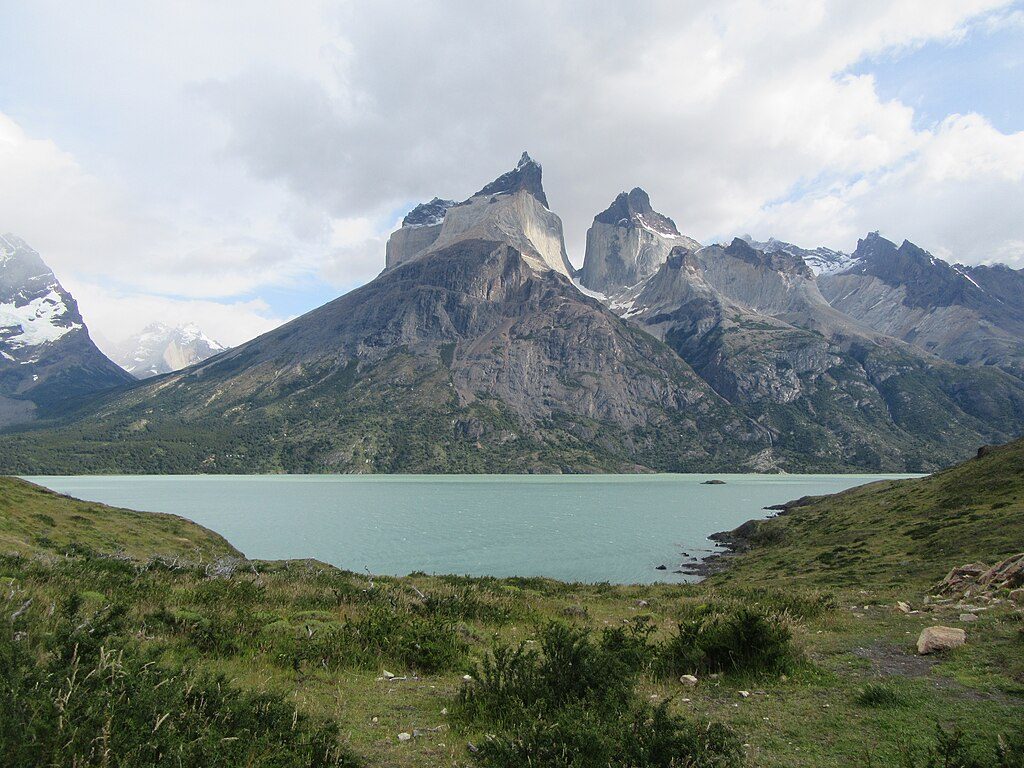
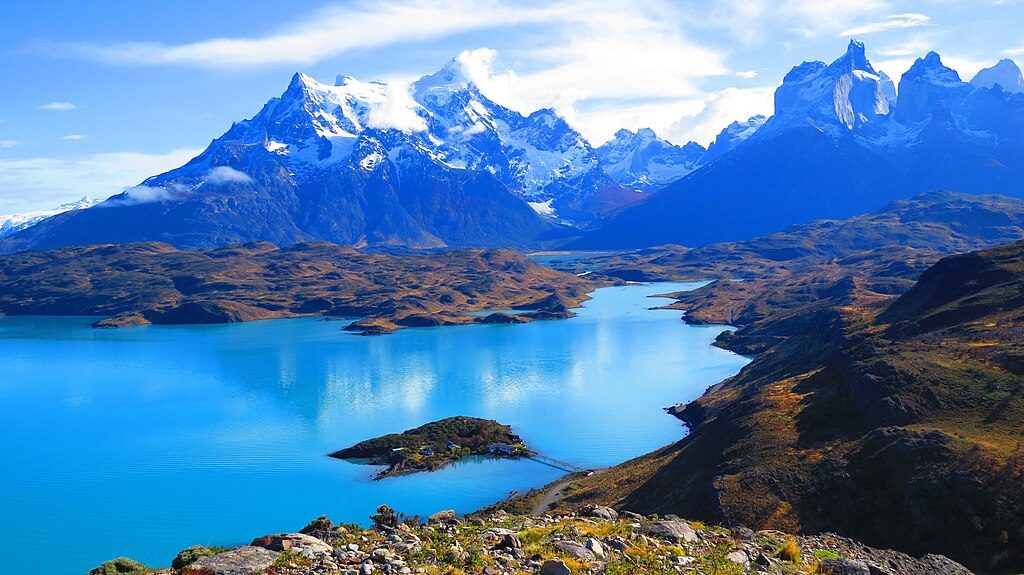
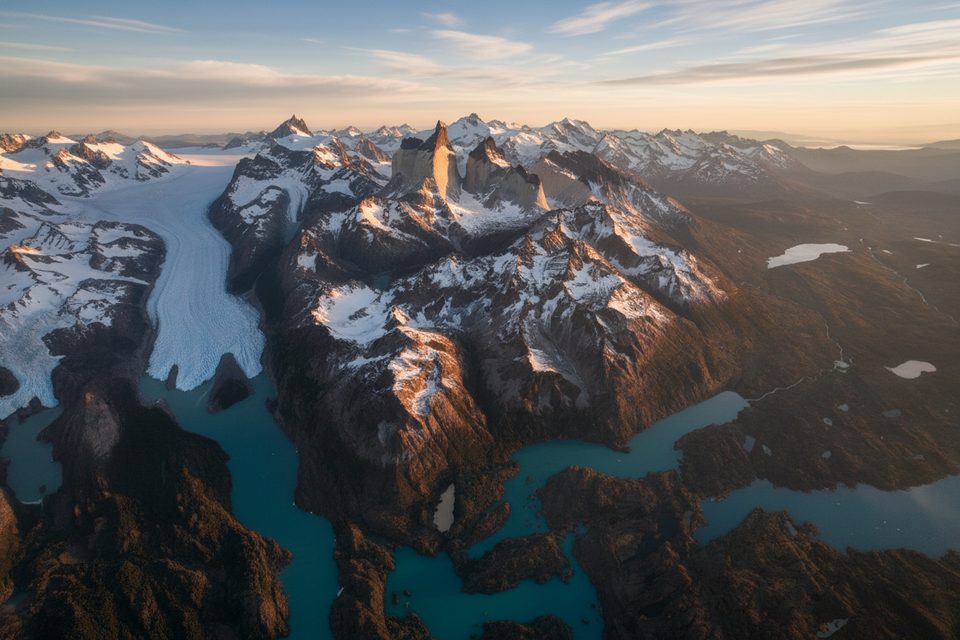
Lake Nordenskjöld is the long, turquoise-green ribbon that sits right under the Cuernos—the park’s famous “Horns.” It drains south over Salto Grande toward Lake Pehoé, so you get water, mountains, and a thunderous waterfall in one compact area. The color comes from glacial “rock flour” suspended in the water, and when the wind calms, the Cuernos reflect like a postcard.
Those light-and-dark banded peaks are geology on full display: a Miocene granite laccolith pushed into older marine sediments, later carved by repeated glaciations. Erosion left the pale granite capped by darker metamorphic “roof” rock—the Cuernos’ striking two-tone profile. All that ice also scoured the basins that hold today’s lakes and routed Nordenskjöld’s outflow over Salto Grande.
Scan the open steppe and hillsides for guanacos; foxes sometimes trot the verges. Pumas live here too—elusive but present—so give wildlife space, keep kids close, and don’t approach or feed anything.
Most people drive the north-shore road and hop between pullouts; guided day tours do the same. Parking fills fast around Salto Grande at peak hours, so arrive early. An entrance fee is required for the park—buy in advance when possible.
Kayaking or boating is only with authorized operators and only when conditions allow. The wind here is no joke—secure hats, cameras, and tripods, and expect spray near Salto Grande.
Roadside pullouts typically lack services. Your reliable hub is the Pudeto/Salto Grande area, where you’ll find parking and restrooms; refugios along the W route have paid facilities for overnighters and sometimes day visitors (carry cash). Ranger stations exist but may have only basic toilets and no running water.
Water flows lake-to-lake: Nordenskjöld → Salto Grande → Pehoé → Toro → Río Serrano → the sea. Greener tones usually mean more glacial sediment; bluer means less.
Place · 1.4 mi away
Place · 1.4 mi away
Place · 1.4 mi away
Place · 1.4 mi away
Challenging · 6.3 mi away
Challenging · 6.5 mi away
Moderate · 6.5 mi away
Challenging · 6.5 mi away

Parkwolf Tour Guide
