
Place · 0 mi away
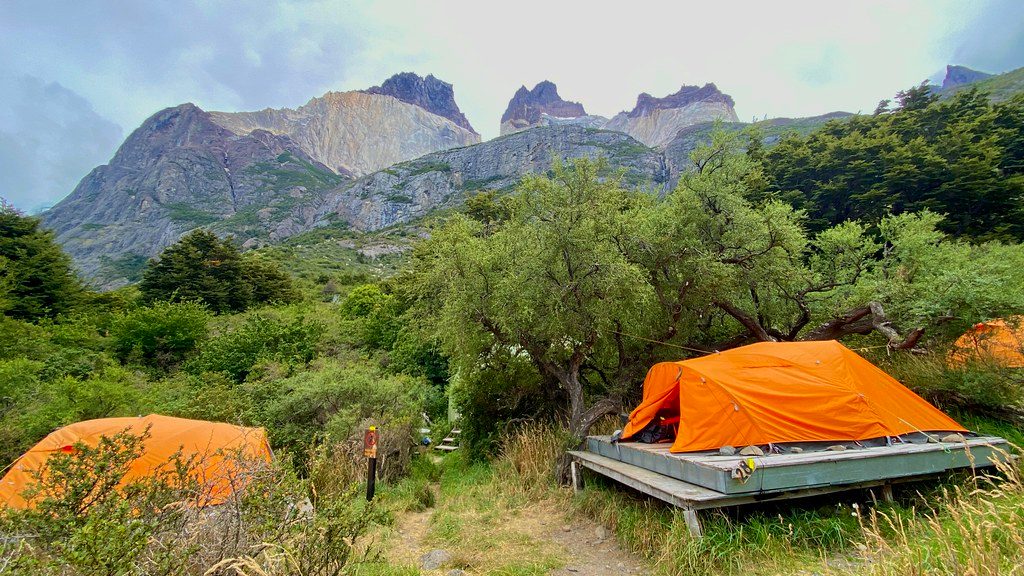
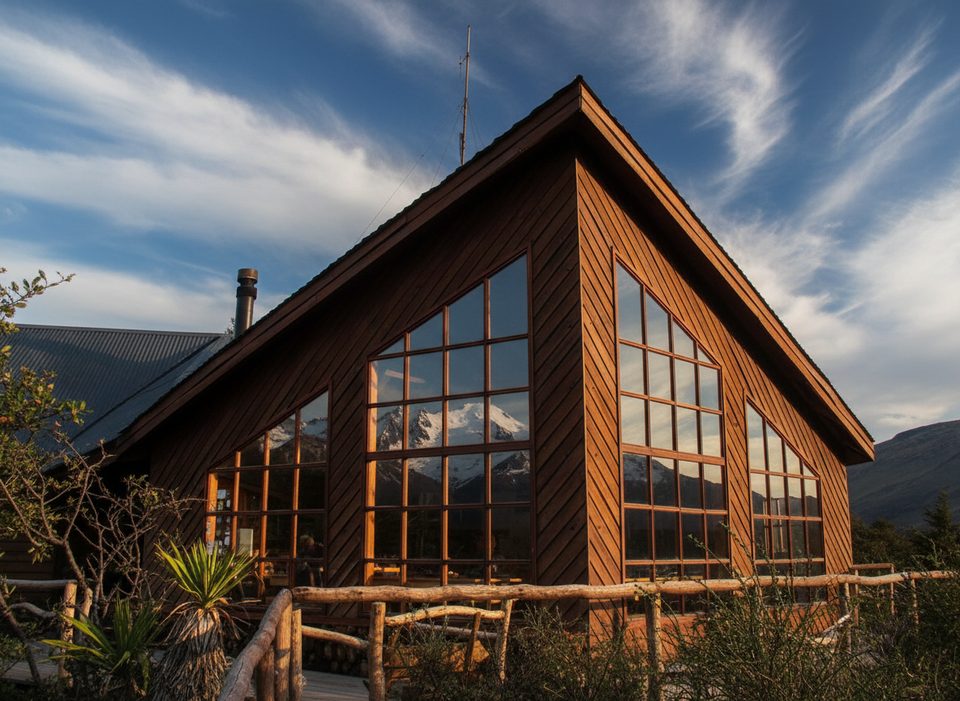
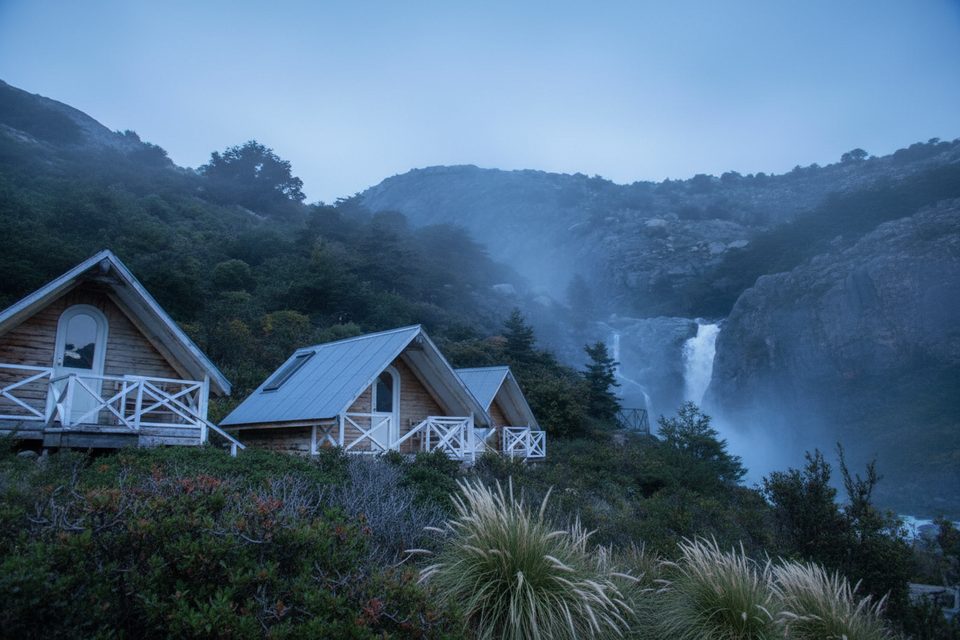
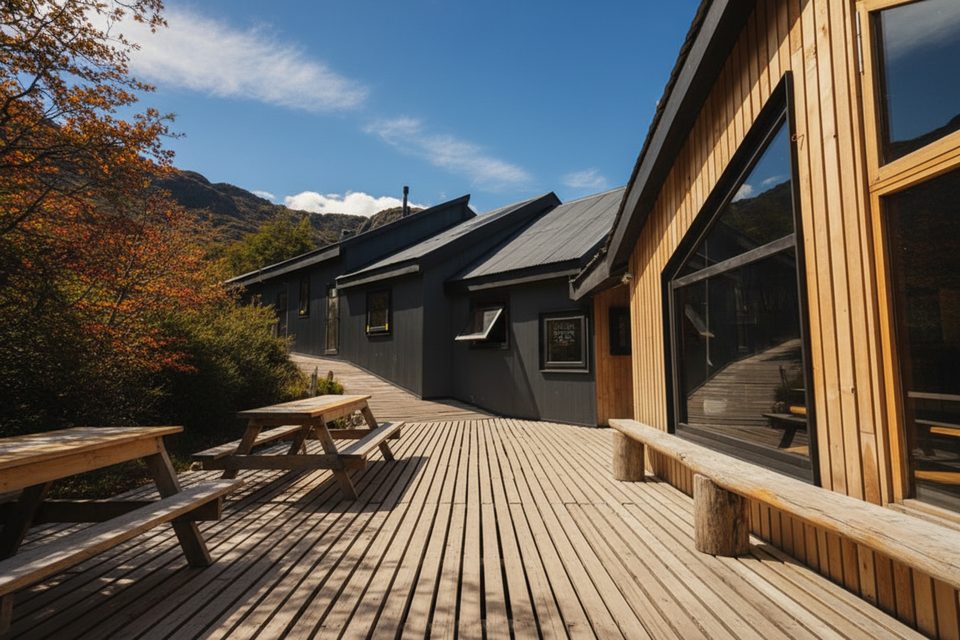
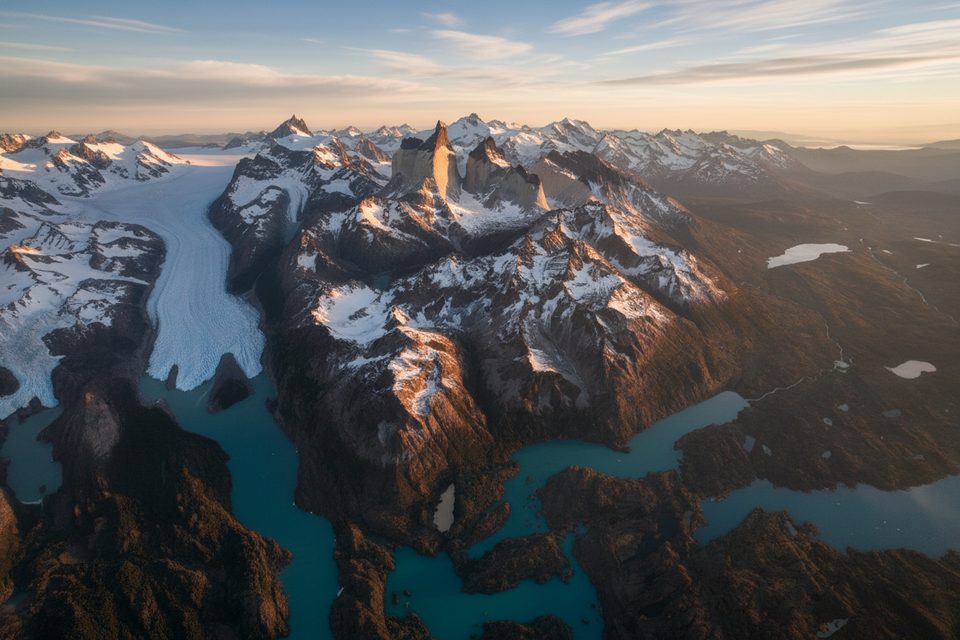
Tucked above the shore of Lake Nordenskjöld at the base of the Cuernos, this is the classic mid‑W stop—roughly a 4.5‑hour trek from the Las Torres sector. Expect big granite‑and‑banded‑rock scenery, a nearby waterfall, and a sociable vibe after a long day on trail.
Meal service runs on limited capacity—book half or full board (vegetarian possible with advance notice). Snacks are typically sold during the day and into the evening (around 10:00–22:00). There’s a small convenience shop for basics and a bar/dining room that becomes the social hub. Pre‑paid Wi‑Fi is offered, but expect variable performance.
Los Cuernos is smaller than the big refugios, which means it feels friendly and communal around dinner. The setting by the lake and waterfall is a tonic. Do note a few quirks reported by hikers: upper bunks can be high, cabins rely on outdoor bathrooms (chilly in March/April), and the experience can feel expensive.
This stop positions you well for the French Valley. Many hikers tackle Mirador Británico from here and continue onward toward Paine Grande the next day—a long but doable push if you start early.
Around the W you may spot guanacos, foxes and condors; with luck, even pumas or the endangered huemul. Stay on trail and give wildlife space. The park has a history of human‑caused fires—use only designated cooking areas. Personal stoves are generally restricted to campground kitchen zones, and rules can change, so confirm on arrival.
December–February is peak season—book beds, cabins, and meals well in advance. Shoulder months bring fewer people but colder, wetter nights (especially relevant if your bathroom is outdoors). For a smoother evening, plan your shower around the hot‑water schedule and aim to reach camp before the dinner rush.
Place · 0 mi away
Place · 0 mi away
Place · 0 mi away
Place · 0 mi away
Challenging · 5.8 mi away
Challenging · 6.7 mi away
Moderate · 6.7 mi away
Challenging · 6.7 mi away

Parkwolf Tour Guide
