
Place · 0.1 mi away
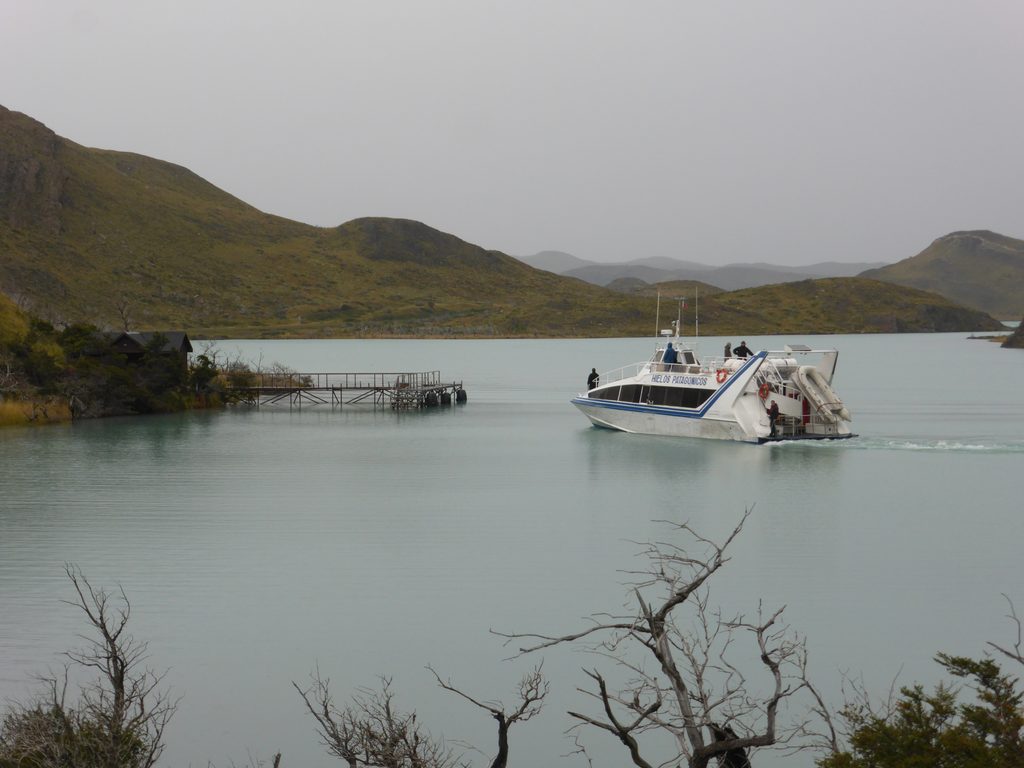
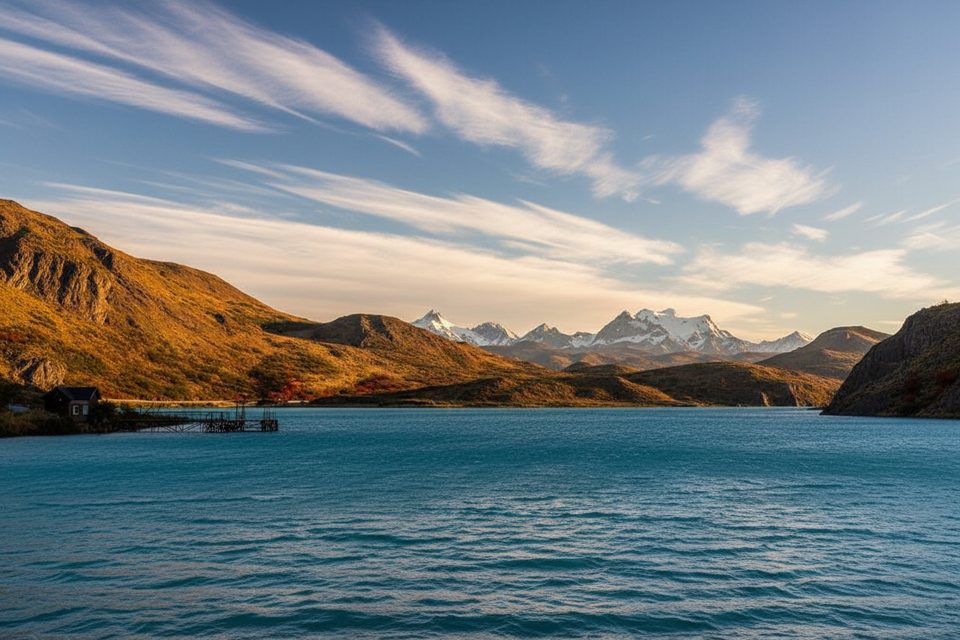
Mirador Pudeto is the quick‑hit viewpoint in the Pudeto sector—home to the Lago Pehoé catamaran dock and the parking/trailheads for Salto Grande and Mirador Cuernos. Effort-to-reward is sky‑high here: you step out to big, cinematic vistas across turquoise Pehoé toward Paine Grande and the jagged Cuernos skyline.
Expect front‑row looks at Los Cuernos with their dark sedimentary “caps” perched over lighter granite, and broad water-and-massif panoramas that feel lifted from a postcard. On blustery days you’ll catch spray blowing off nearby Salto Grande and whitecaps marching across the lake.
Pudeto sits on the park’s road network between the Pehoé area and the eastern gateways. By car from Puerto Natales, plan roughly 1.5–2 hours depending on conditions; roads can be gravelly with potholes and fierce crosswinds. Long‑distance buses stop at Pudeto only a few times per day in high season. There’s no fuel in the park, so fill up in town before you go. The catamaran from Pudeto crosses Pehoé to Refugio Paine Grande—handy if you’re continuing on foot toward Grey or the French Valley, but time your outing to the first/last sailings.
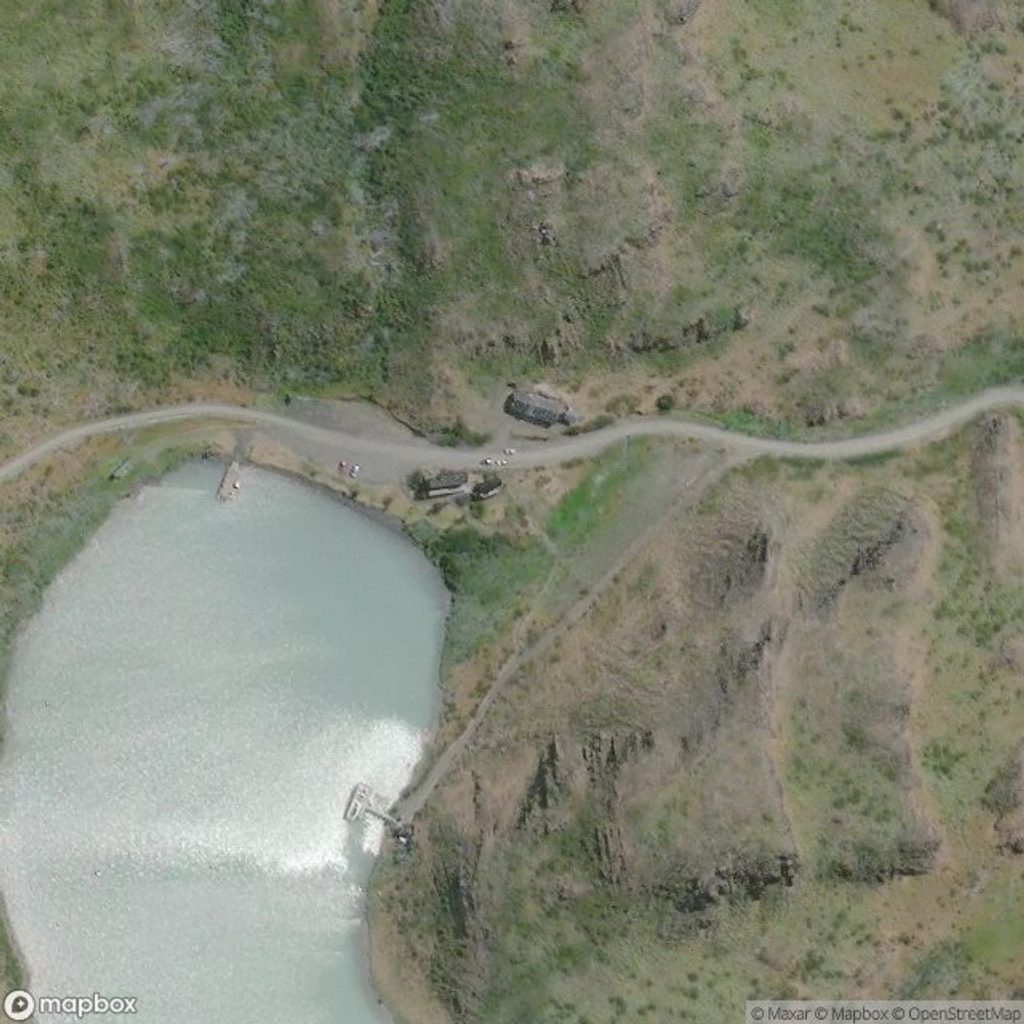
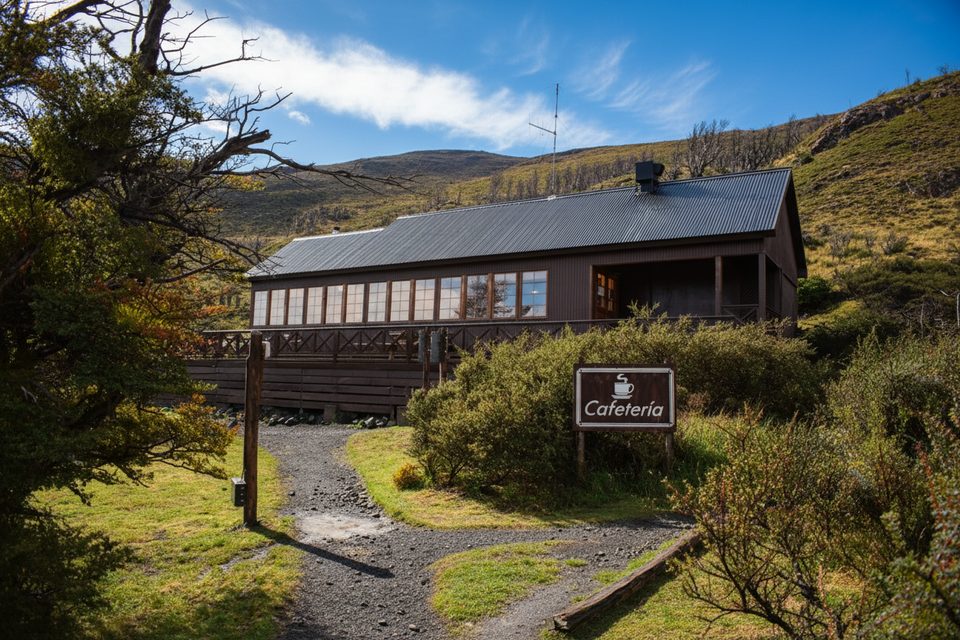
Facilities are clustered at the Pudeto dock/parking area; don’t expect a toilet at the lookout itself. Trails here are short but exposed—secure hats, phones, and tripods before a gust sends them flying.
The skyline is the Cordillera del Paine. Los Cuernos showcase that famous contrast: darker, eroded sedimentary tops over lighter intrusive granite below—rockwork sculpted by erosion over time. The park’s name comes from “Paine,” meaning “blue” in the Aonikenk/Tehuelche language.
Sunrise and early morning typically bring cleaner light on the Cuernos and the calmest winds; afternoons often turn blustery. Shoulder months (Oct–Nov and Mar–Apr) can be quieter, but weather is variable year‑round. If you’re riding the boat, align your viewing window to its limited daily departures.
Place · 0.1 mi away
Place · 0.1 mi away
Place · 0.1 mi away
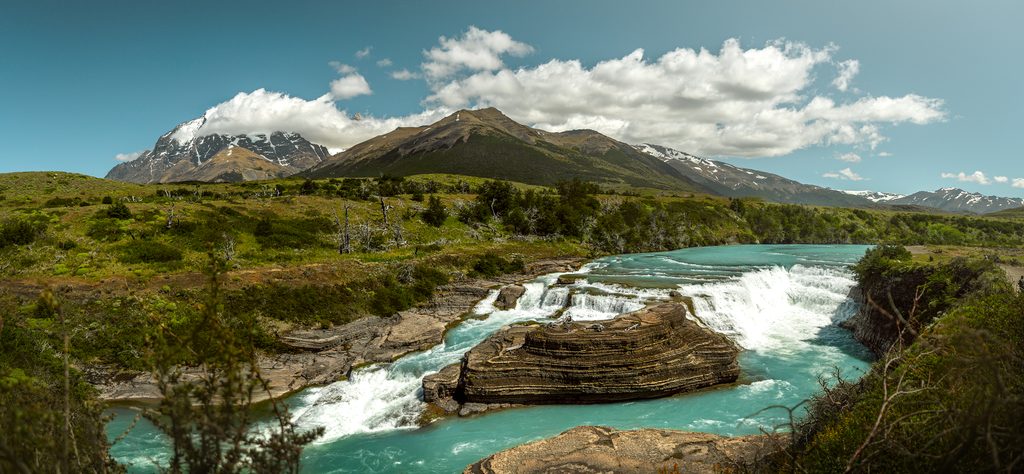
Place · 0.8 mi away
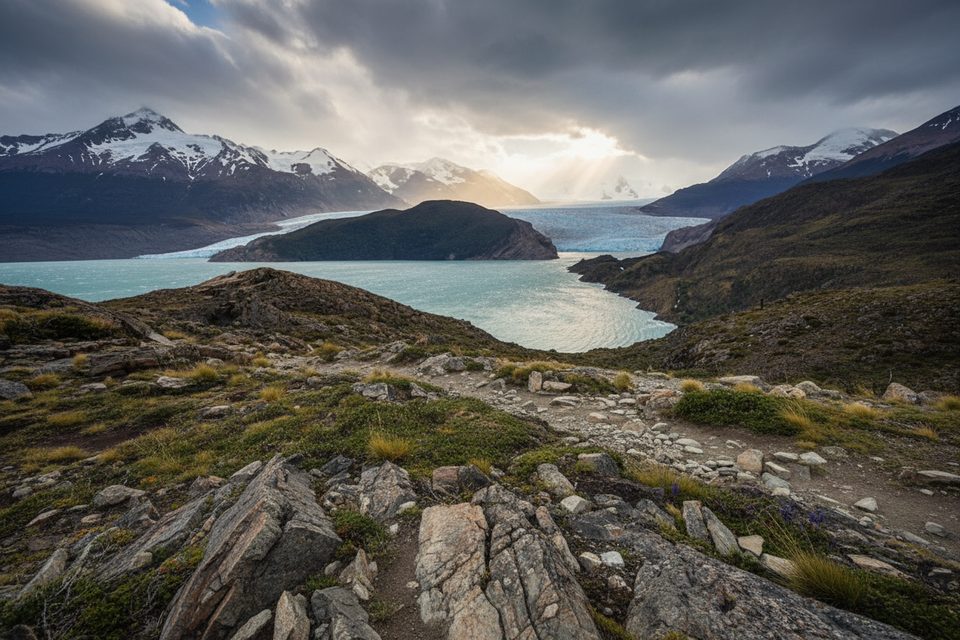
Challenging · 4.6 mi away
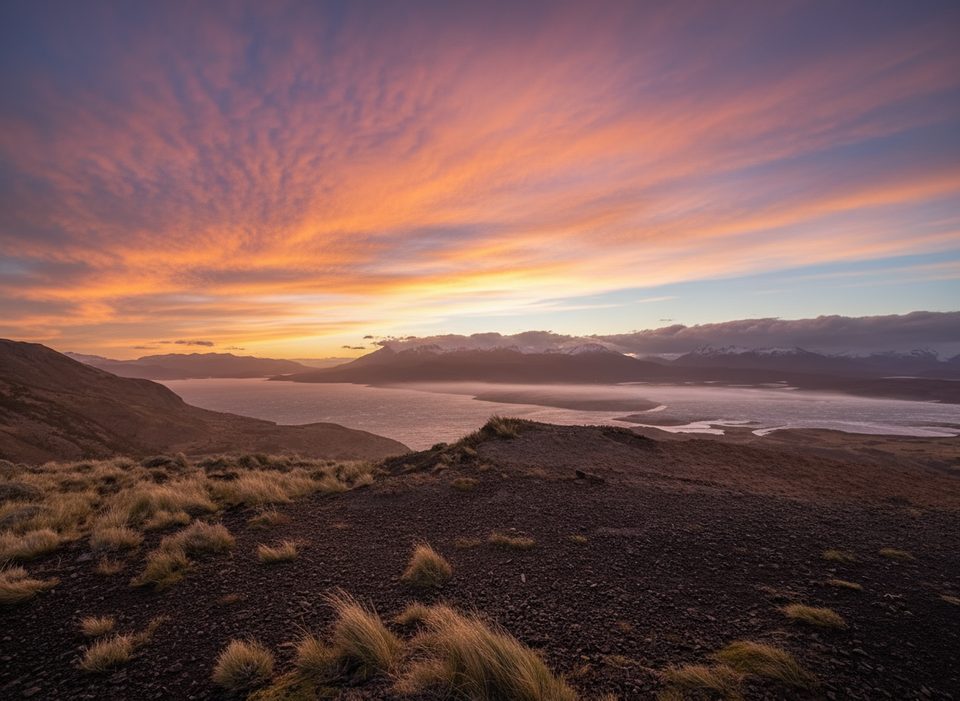
Challenging · 7 mi away
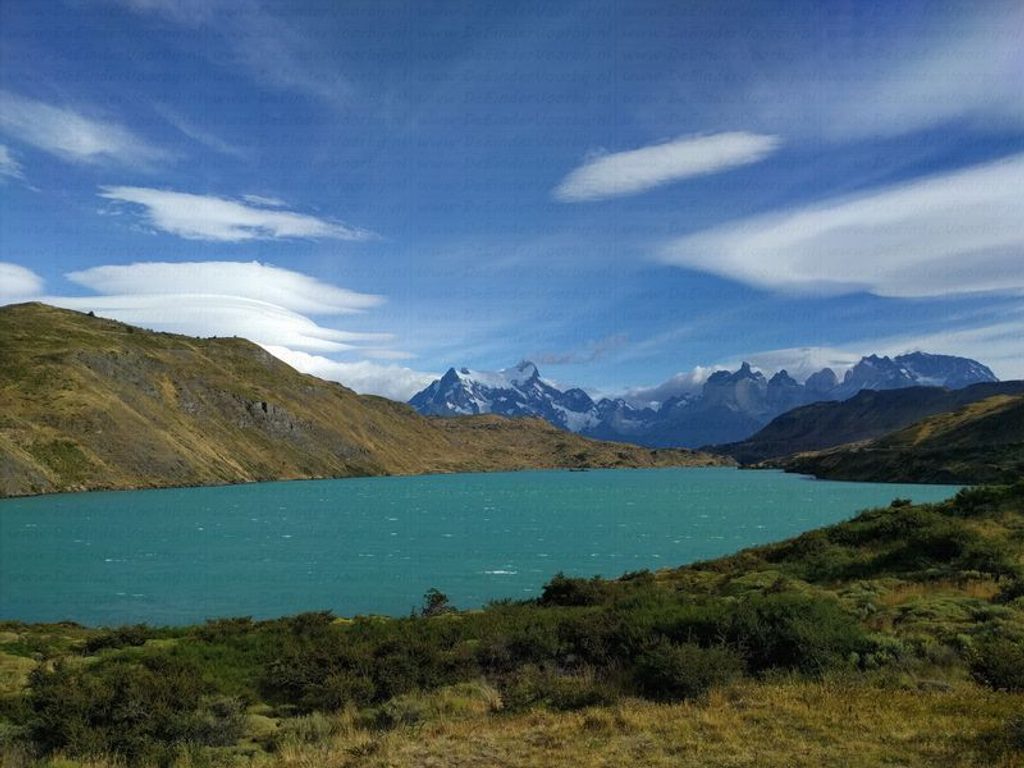
Challenging · 7 mi away
Easy · 7.5 mi away

Parkwolf Tour Guide
