
Place · 0.1 mi away

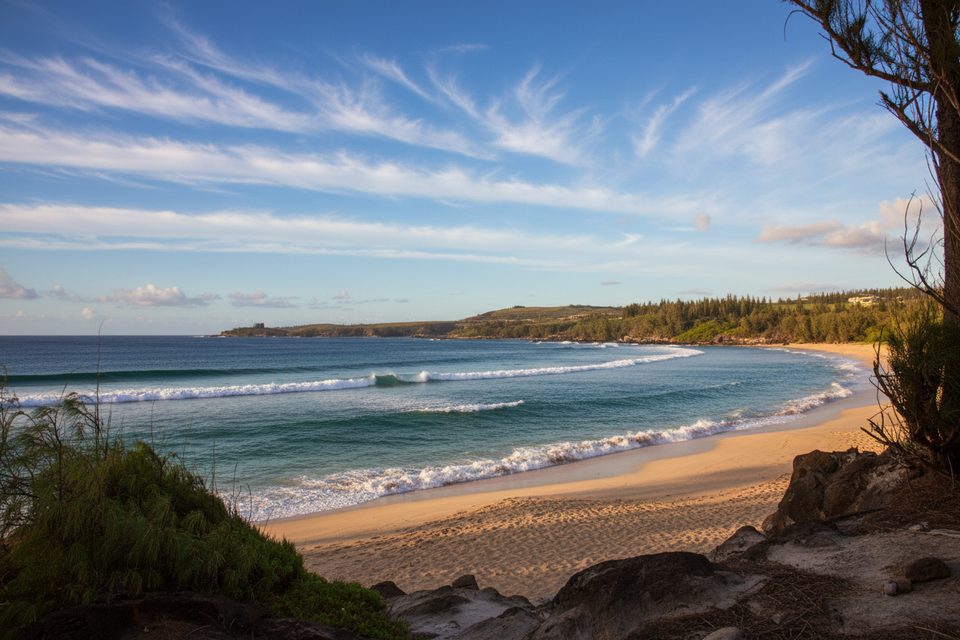
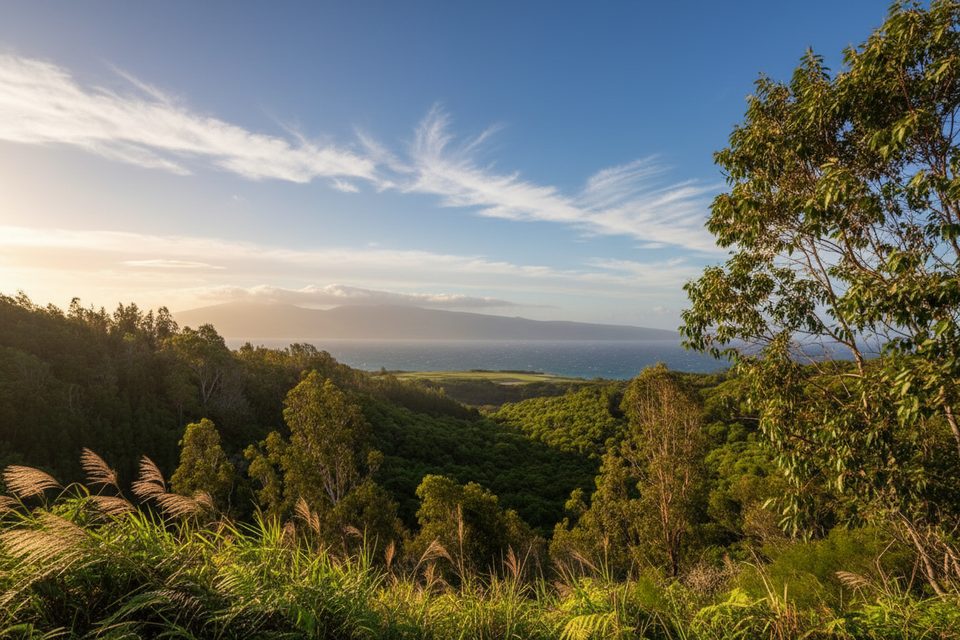
Set above Honokahua Bay in Kapalua, this protected burial ground is a solemn place where ancestral Native Hawaiians were laid to rest. The preserve itself is off‑limits; you observe quietly from the outside, usually while walking the Kapalua Coastal Trail. Expect a grassy, well‑marked enclosure framed by coastal vegetation and Pacific views.
Late‑1980s resort construction exposed hundreds of burials here, sparking community action, reburial, and a permanent preservation area. The episode reshaped how Hawaiʻi protects unmarked burials and is often cited as a turning point in cultural resource stewardship on the islands.
View from the perimeter only—do not cross hedges, walls, or fencing. Keep voices low, skip drones and staged photo shoots directed at the interior, and stick to established paths. There are no on‑site amenities; plan restrooms and water at nearby public beach parks.
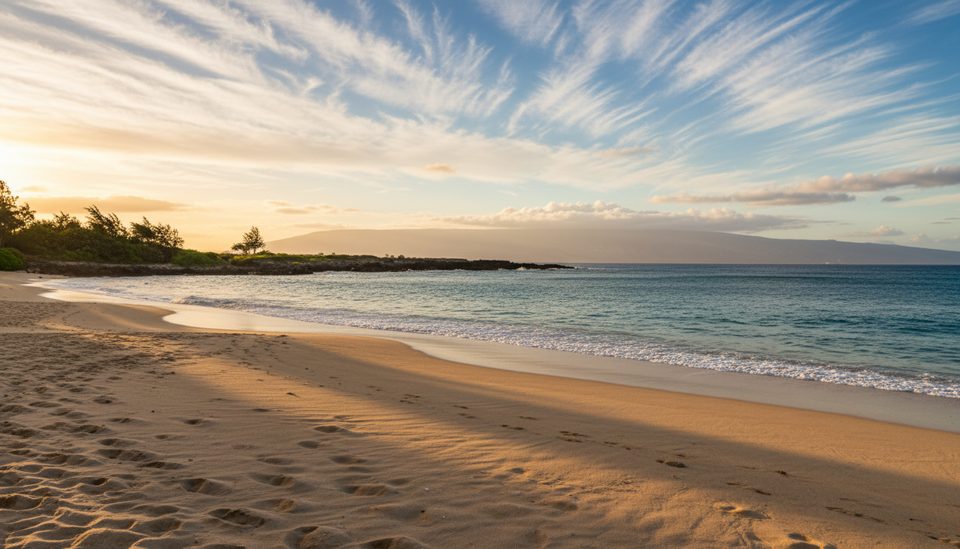
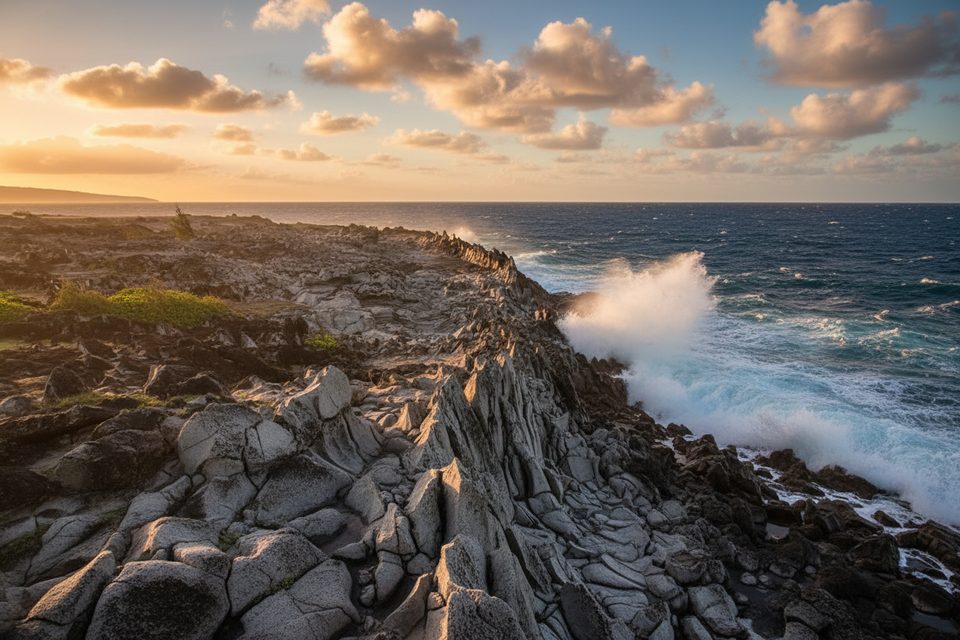
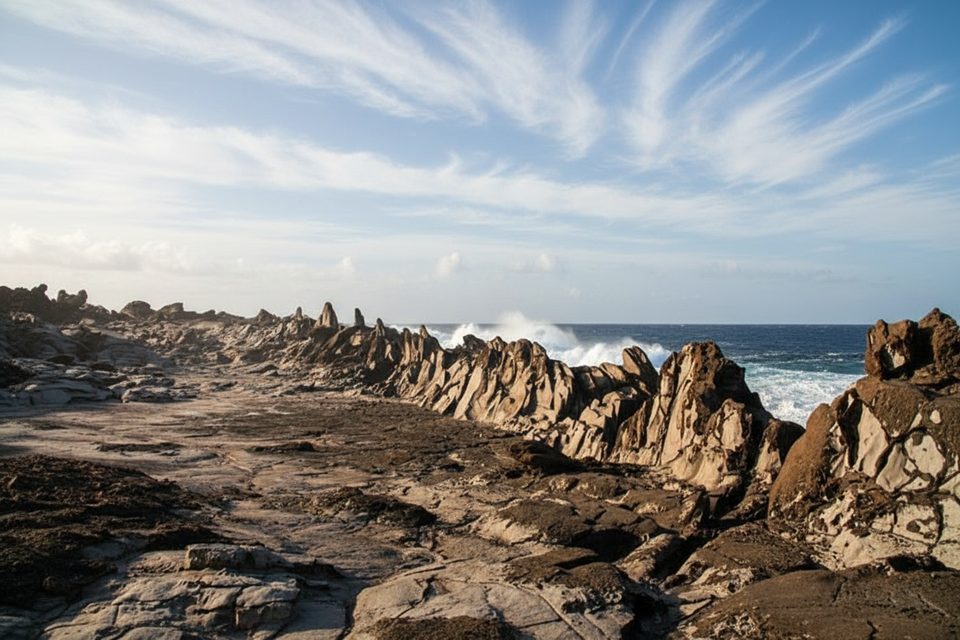
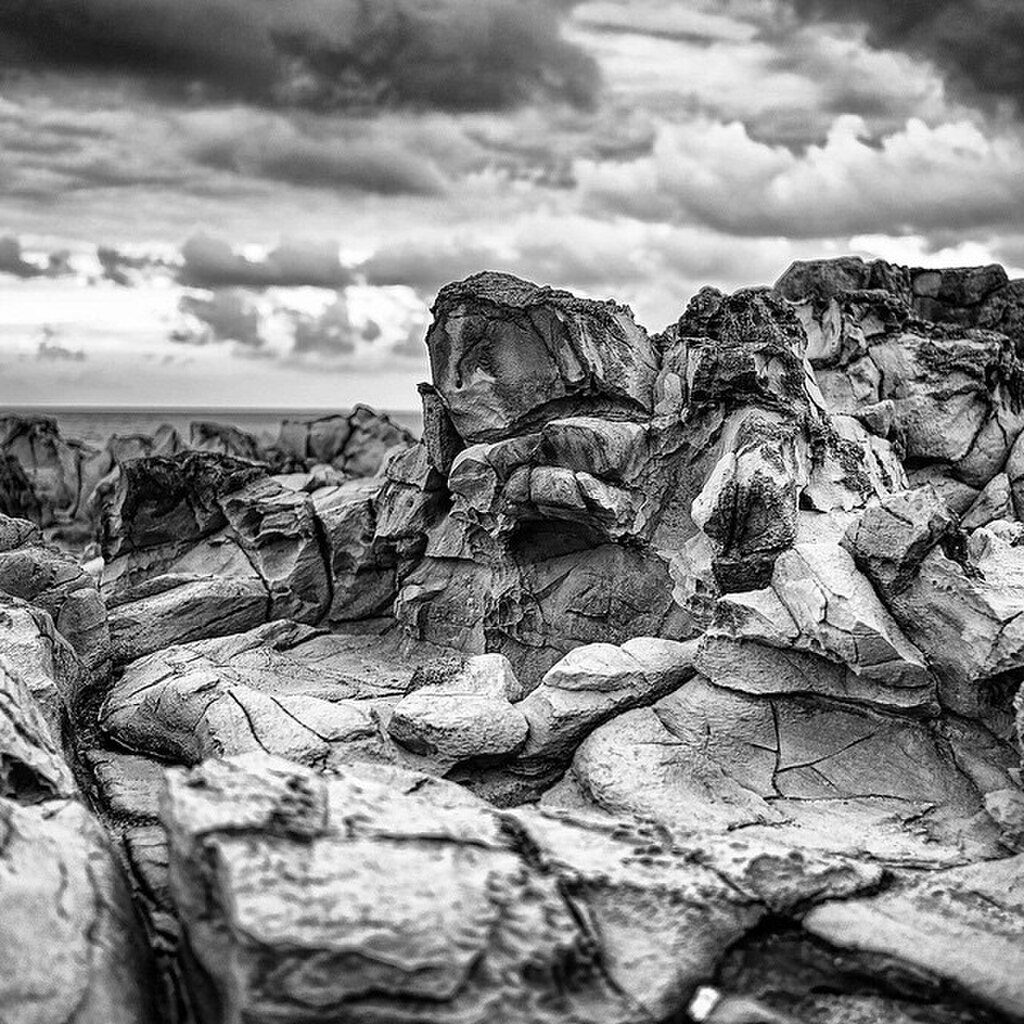
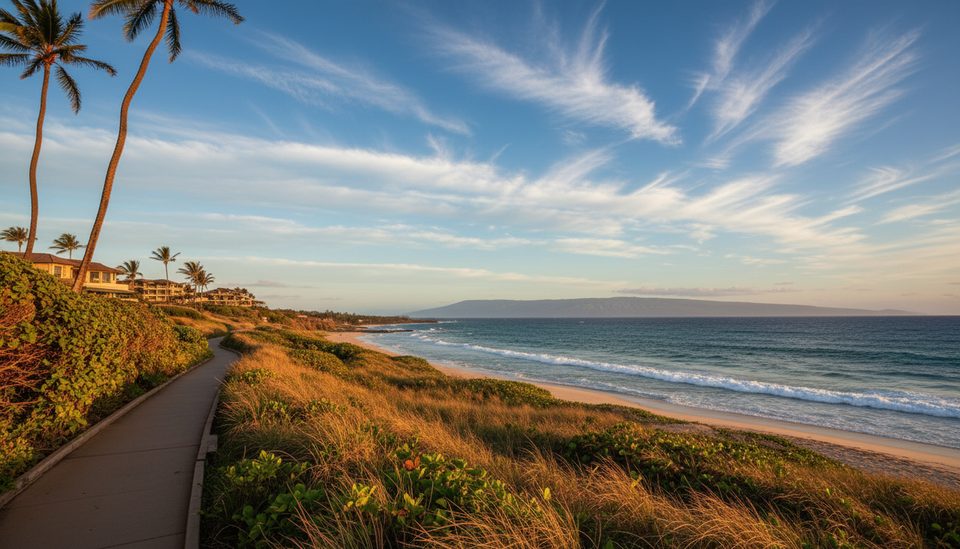
From the outside you’ll notice a maintained grassy enclosure bordered by native plantings with the ocean just beyond. The broader Kapalua coast includes sandy coves, wind‑sculpted lava at Makaluapuna Point (Dragon’s Teeth), and sections of the easy, scenic Kapalua Coastal Trail.
If you’re already here, combine your quiet stop with short walks to Dragon’s Teeth at Makaluapuna Point or time on the beaches of Honokahua Bay and Kapalua Bay. The preserve itself isn’t an attraction to enter—treat it as a moment of context and respect within your West Maui day.
West Maui’s nearby coves and beaches often host resting marine life and shorebirds. Give all wildlife wide space and follow any posted distance guidelines.
There are no visitor hours or interpretive access inside. Most travelers simply acknowledge the site in daylight while passing on the Kapalua Coastal Trail. Use nearby public beach parks (such as D.T. Fleming Beach Park) for parking and facilities, then walk over for a brief, quiet visit.
Place · 0.1 mi away
Place · 0.1 mi away
Place · 0.2 mi away
Place · 0.2 mi away
Challenging · 0.1 mi away
Challenging · 0.1 mi away
Easy · 0.2 mi away
Easy · 1 mi away

Parkwolf Tour Guide
