
Place · 0 mi away
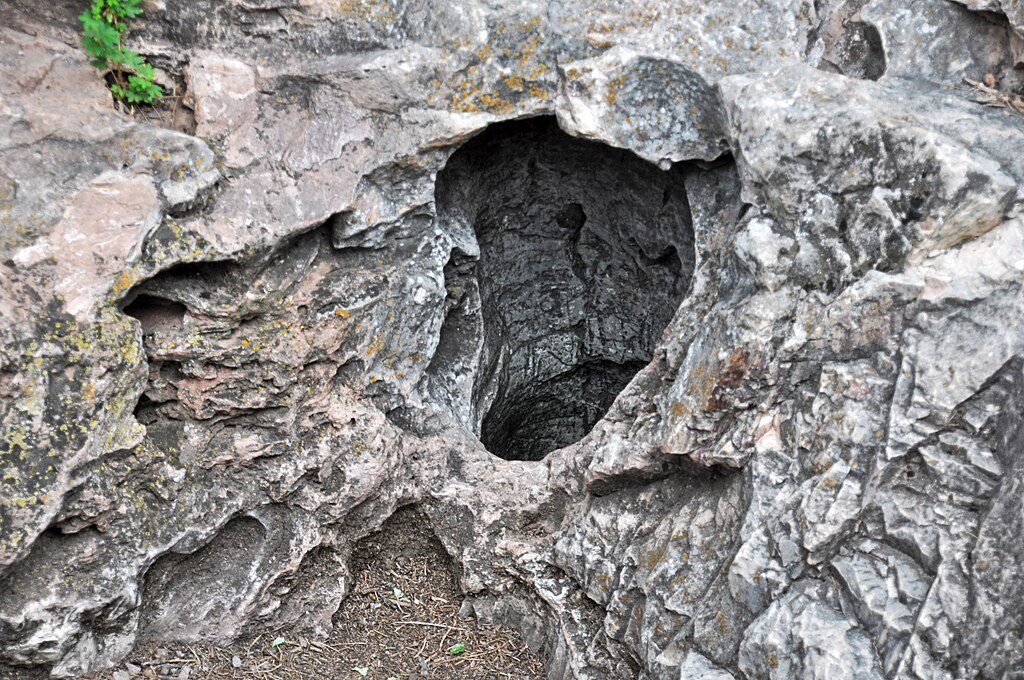
A humble opening in the ground with an outsized story, the Natural Entrance is where Wind Cave gets its name. Stand by the stone wall, hold your hand over the gap, and you’ll often feel air rushing in or out—the cave literally “breathes” as it equalizes pressure with the surface. It’s a quick stop, but a meaningful one.
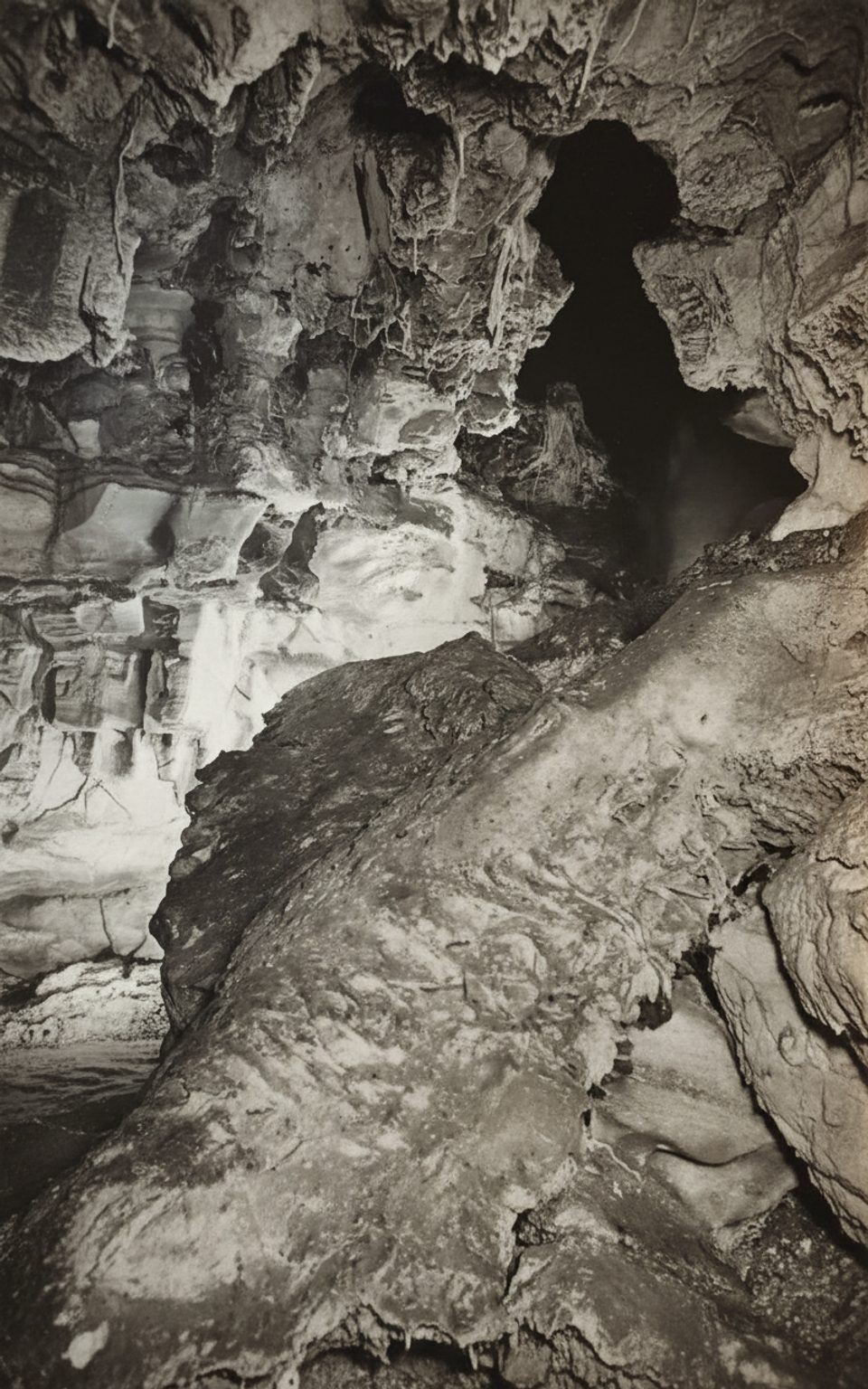
To many Native nations, especially the Lakota, this is a sacred place tied to emergence stories of people and bison. You may see prayer cloths and bundles nearby—these are sacred; do not touch or photograph them. Geologically, Wind Cave is renowned for rare boxwork formations underground, and the barometric winds at this small entrance helped spark early curiosity and exploration.
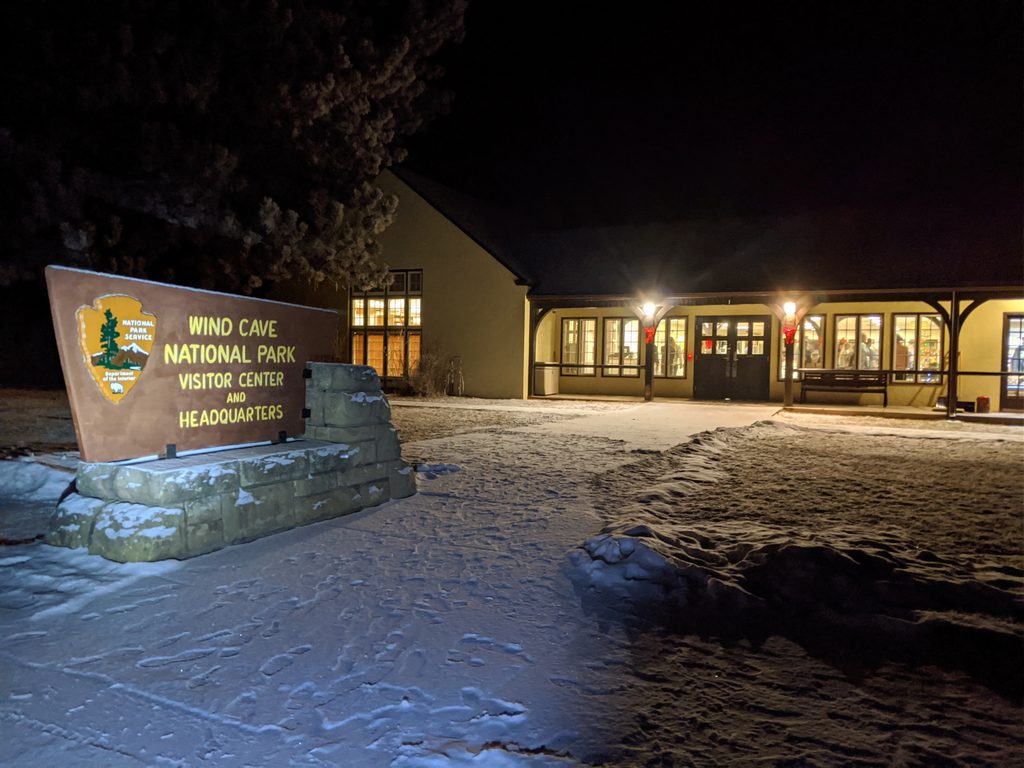
Tours depart from the visitor center and focus on this area of the cave. Expect about 1 hour 20 minutes, roughly 150 stairs at the start, paved/dim paths, and a constant ~53–54°F—bring a light jacket and sturdy shoes. No food, drinks, tobacco, large bags, strollers, walking sticks, tripods, or pets are allowed. Tickets are sold on Recreation.gov and at the visitor center; roughly half are held for same-day sales and often sell out, especially March–October and holidays. Pick up reserved tickets 30 minutes before your tour.
For a quiet moment at the entrance, come early or late in the day—midday is busiest when tours are in full swing. If you’re aiming for same‑day tour tickets, arrive before opening to line up. The cave is closed on Thanksgiving, December 25, and January 1. The wind effect varies with weather and pressure changes, so some days you’ll feel a stronger “breath” than others.
Even right around the visitor center you can encounter prairie dogs, pronghorn, mule deer, coyotes, bison, and plenty of birds. Keep a safe distance—bison are unpredictable—and never feed wildlife.
Place · 0 mi away
Place · 0 mi away
Place · 0 mi away
Place · 0 mi away
Easy · 0 mi away
Easy · 0.6 mi away
Easy · 1 mi away
Moderate · 1.7 mi away

Parkwolf Tour Guide
