Emerald Lake Day Use Area

Lakeside hub for views, picnics, canoeing, and the loop trail
Emerald Lake Day Use Area, Yoho National Park
InsideYoho National Park

Overview

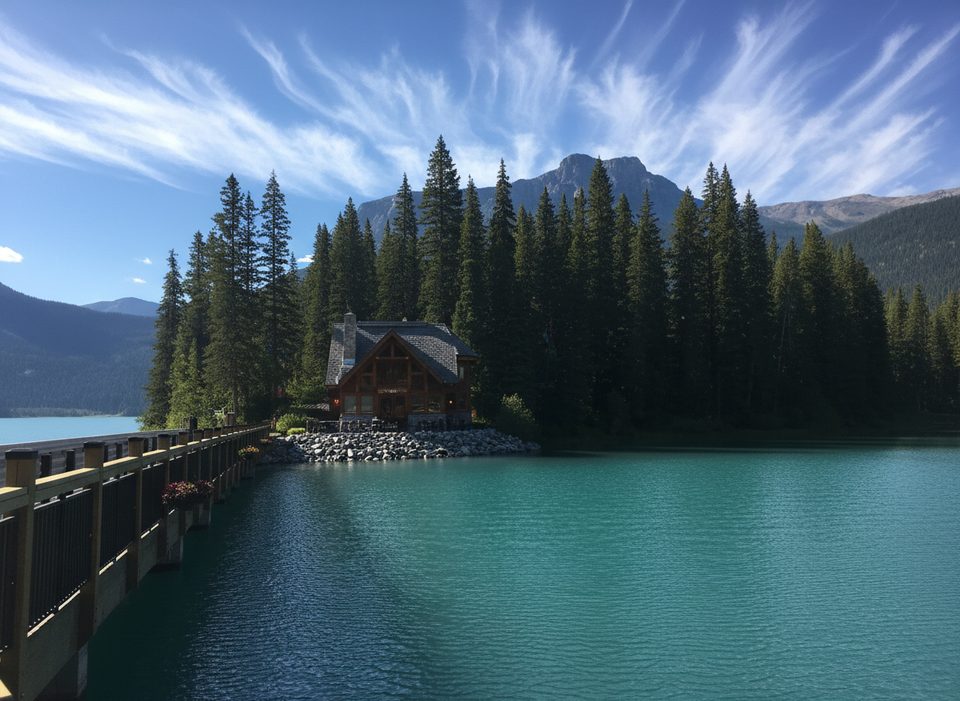
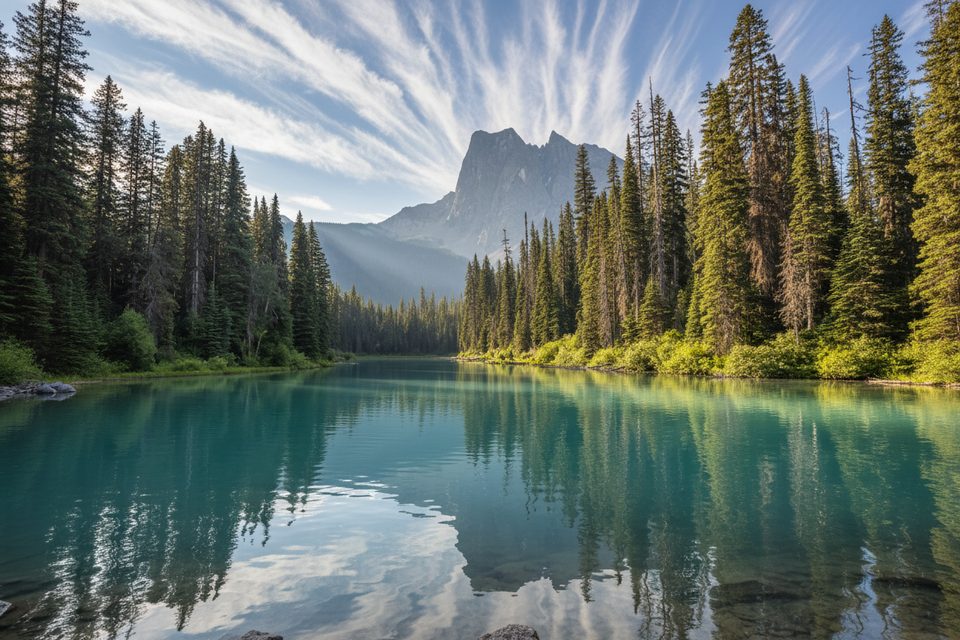
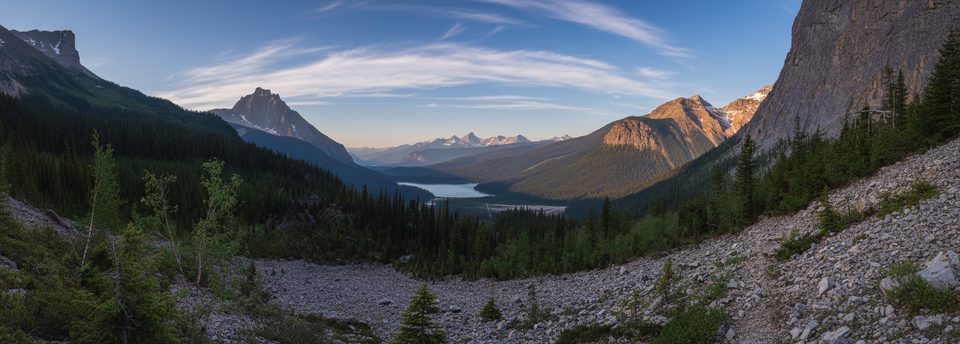
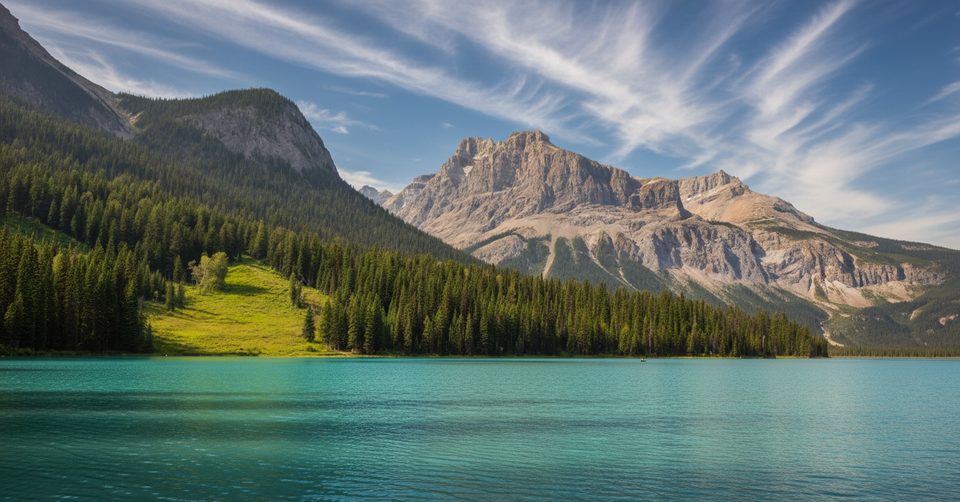
This is the hub for Emerald Lake: the spot where you pull in, step out, and get smacked with that unreal teal water framed by the President Range. It’s the main staging area for walks, paddles, and photos—convenient, gorgeous, and very popular.

What You’ll See

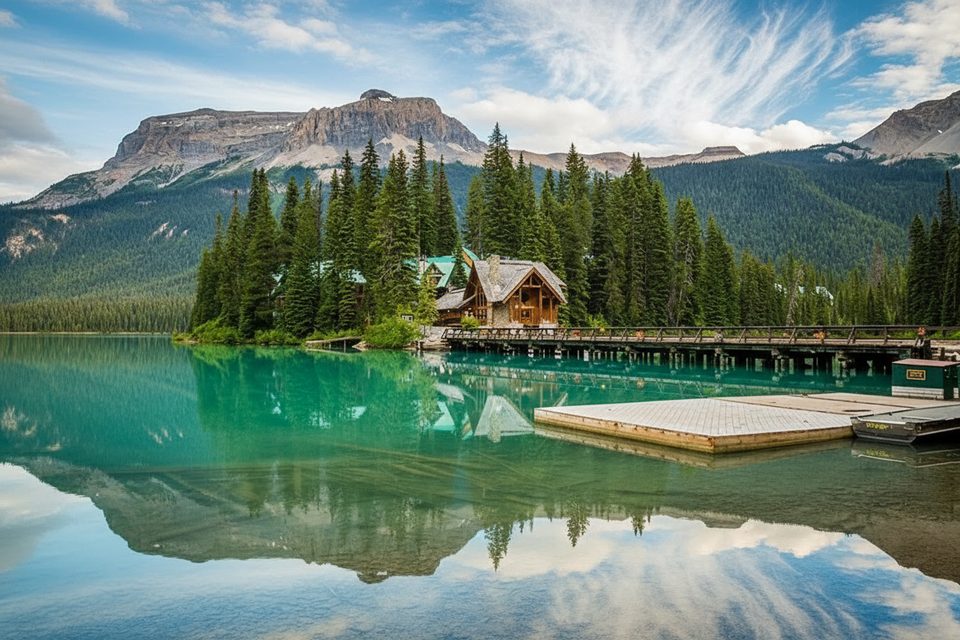
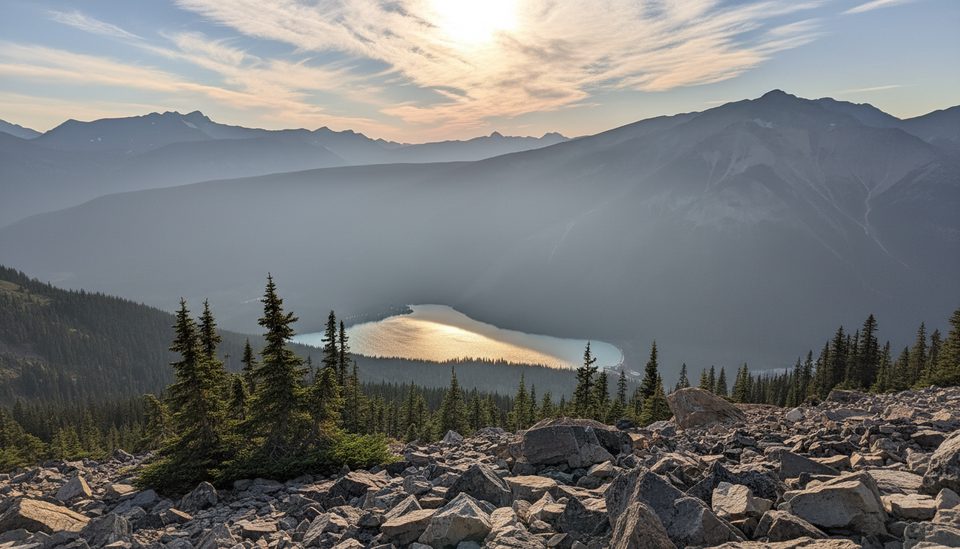
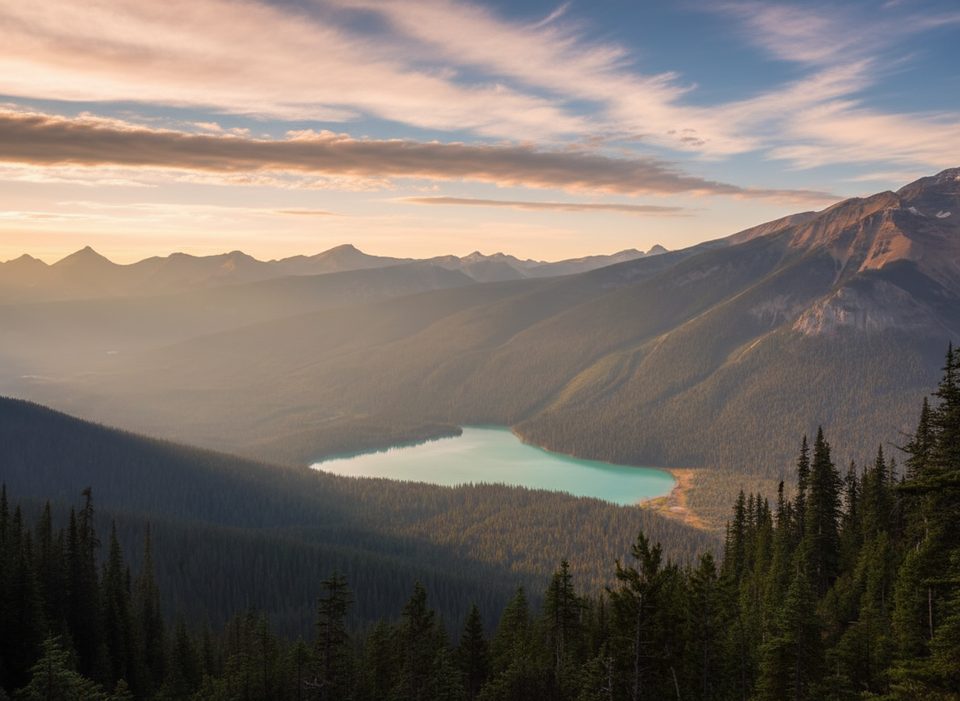
From the shoreline you get classic views across to forested slopes and craggy peaks, including Mount Burgess (famous enough to grace Canada’s old $10 bill). The lake’s color comes from glacial rock flour suspended in the water, shifting with light and season. You’ll also see the footbridge to Emerald Lake Lodge across the water (separate from the public day‑use area).

Things to Do From Here

  • Lakeshore walking: The flat, family‑friendly 5 km Emerald Lake Loop circumnavigates the water with one postcard view after another. Longer hikes, like Emerald Basin, branch off from the lakeshore.
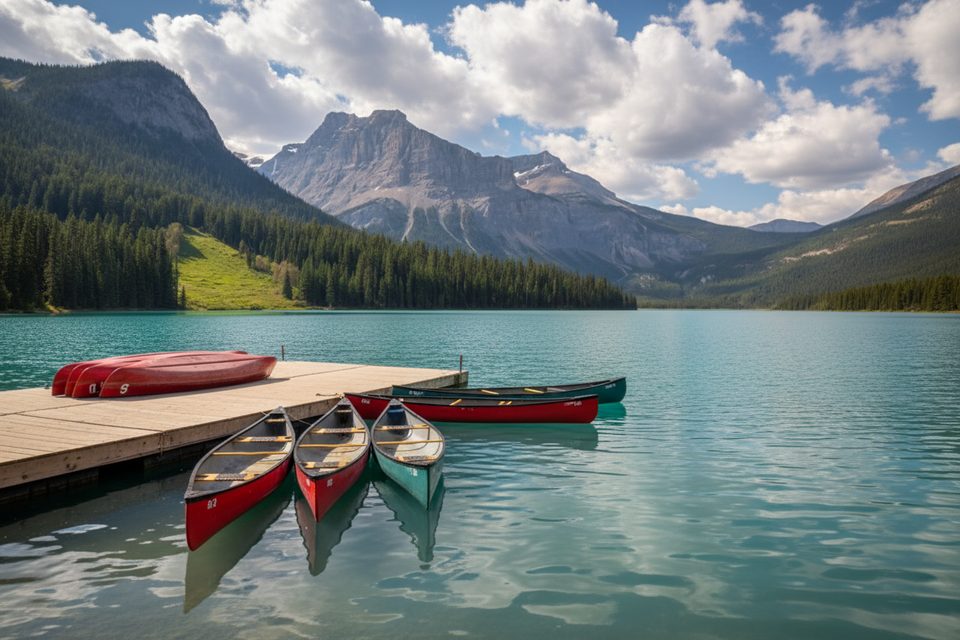
  • Paddling: Canoe rentals operate right by the shore on a first‑come basis (no reservations). Expect high demand in summer; typical rentals are about an hour, and pricing is around $100/hour for up to three people, with dogs allowed.
  • Winter: When the lake is frozen, this area becomes a launch point for snowshoeing and cross‑country skiing on marked routes.

Facilities and Logistics

  • What’s here: A public parking lot, vault toilets, picnic tables, shoreline access, trailheads, and the canoe dock.
  • What’s not: No camping, no potable water fill, and no private watercraft (to protect the lake; use on‑site rentals only). The nearby lodge has dining, but its parking is private and separate.
  • Reality check: This is one of Yoho’s busiest spots. On summer weekends the lot can be full by 9–10 a.m., with overflow parking along Emerald Lake Road (anywhere from a few hundred meters to a kilometer walk back).

Wildlife

Common sightings include ducks, loons, and songbirds; eagles show up occasionally. Around the woods you may spot squirrels, chipmunks, even deer or marmots on quieter days. Bears live in the broader area, so carry bear spray and give all wildlife space.

Photography Notes

Early light brings calm water and mirror reflections; by mid‑morning the surface gets busier with canoes. The water’s color pops under bright sun, but side‑light near sunrise/sunset often makes the mountains look their best.

Best Time to Visit

  • Best for parking and serenity: Before 8–9 a.m. or after 6 p.m., especially on weekdays.
  • Midday (10 a.m.–3 p.m.): Expect crowds, full parking, and canoe queues.
  • Seasonally: Summer is peak; shoulder seasons offer elbow room but variable weather. Winter is quiet and beautiful if you’re geared up.

Need-to-Know

Bring layers (weather swings fast), sturdy shoes, and your own water and picnic supplies. There’s typically no cell service, so download maps or plans in advance.

Pros

  • Immediate lakeshore access and big-mountain views
  • Canoe rentals and the easy lake loop start right here

Cons

  • Parking fills by mid‑morning; roadside overflow is common
  • Canoe rentals are first‑come with long waits at peak times

Tips

  • Arrive before 9 a.m. or after 6 p.m. to snag an easy parking spot.
  • If the lot is full, use roadside overflow—do not park in the lodge’s private lot.
  • Canoe rentals are first‑come and sell out fast; line up early if paddling is a must.
  • There’s no potable water or reliable cell service—bring water and download maps.
  • Weekdays see lighter crowds and smoother logistics than weekends.
The Parkwolf tour guide sitting on a phone mounted in a car

Parkwolf Tour Guide

Like a tour guide in your car.

Save the places you found around Yoho, then let Parkwolf guide the drive between them.Download Parkwolf on the App Store