
Place · 0.9 mi away
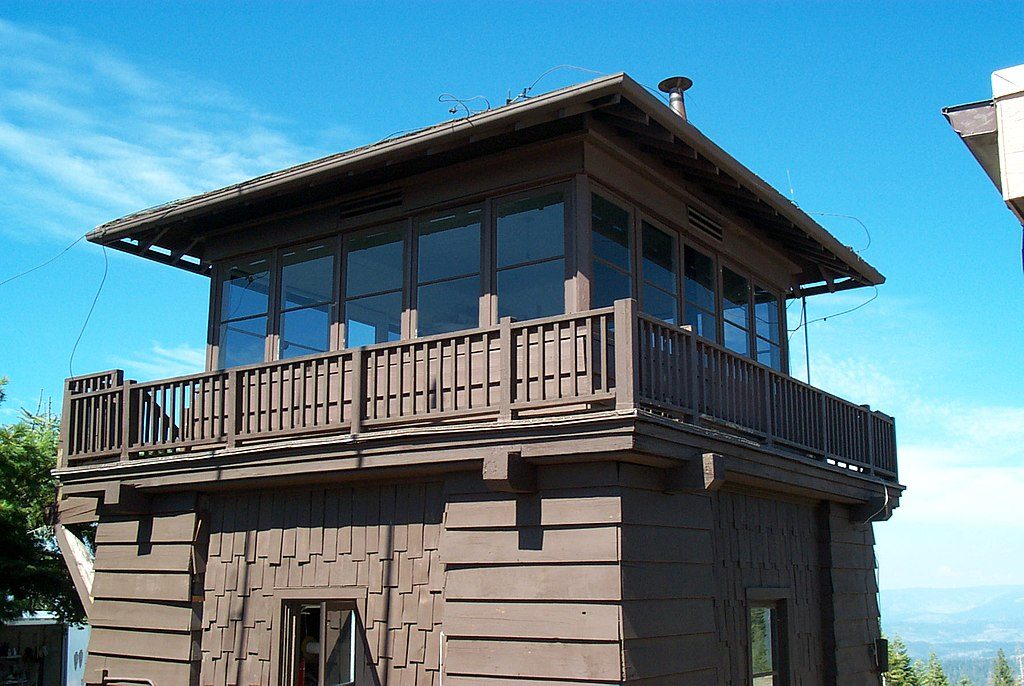
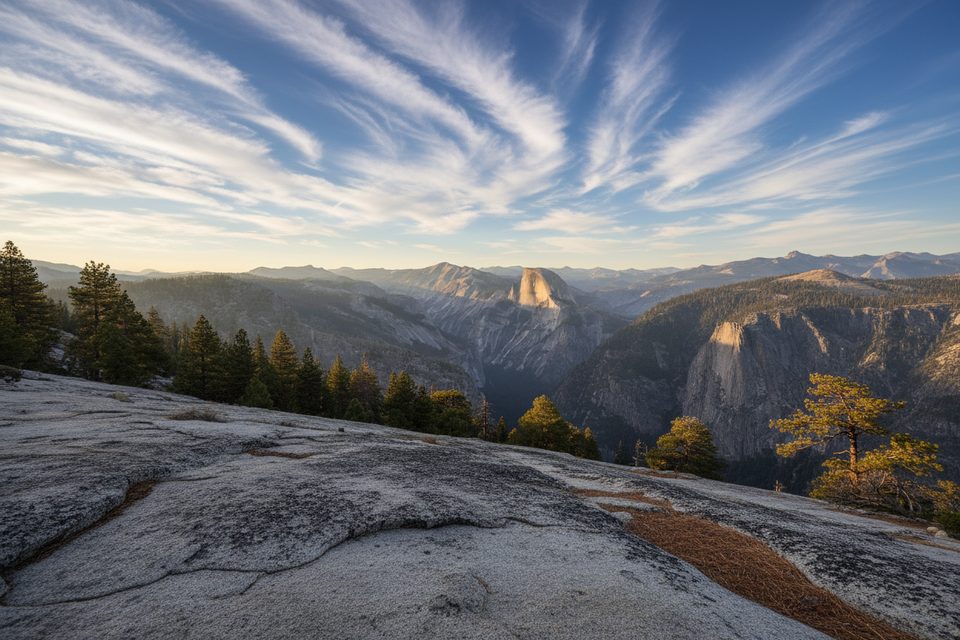
Crane Flat Lookout is a low-key gem above the Crane Flat junction—an easy outing to a 1931 National Park Service fire lookout with broad, wraparound views. On crystal-clear days you can pick out Half Dome and El Capitan far to the south. It’s quieter than the marquee lookouts and a great winter snowshoe when conditions are right.
Built in 1931 as the park’s first fire lookout, the two-story, NPS Rustic–style structure was later listed on the National Register of Historic Places (1996). It’s one of the few surviving examples of this design in California.
You’re in mixed conifer forest—expect birds, small mammals, and the occasional deer. Rare mountain lion sightings have been reported in the broader area; keep kids close at dawn/dusk and give all wildlife space.
Crane Flat sits at the junction of Big Oak Flat Road (CA-120) and Tioga Road. Roads to Crane Flat are generally open year-round, though winter chain controls are common. In summer, park transit options can get you to the Crane Flat area.
Place · 0.9 mi away
Place · 1.2 mi away
Place · 1.4 mi away
Place · 1.4 mi away
Moderate · 0.8 mi away
Moderate · 1.2 mi away
Easy · 4.2 mi away
Challenging · 4.7 mi away

Parkwolf Tour Guide
