
Place · 0 mi away
Challenging
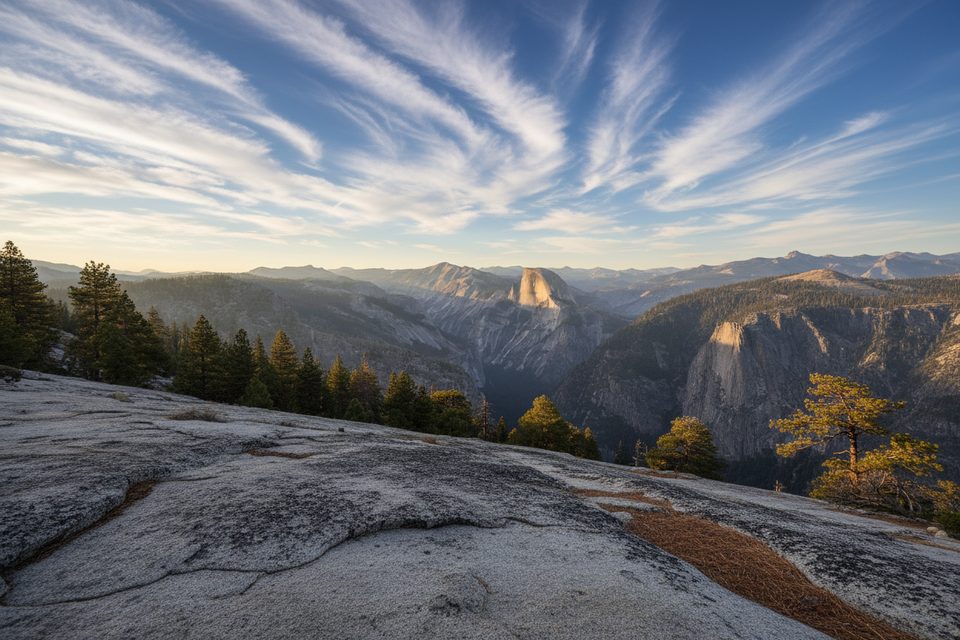
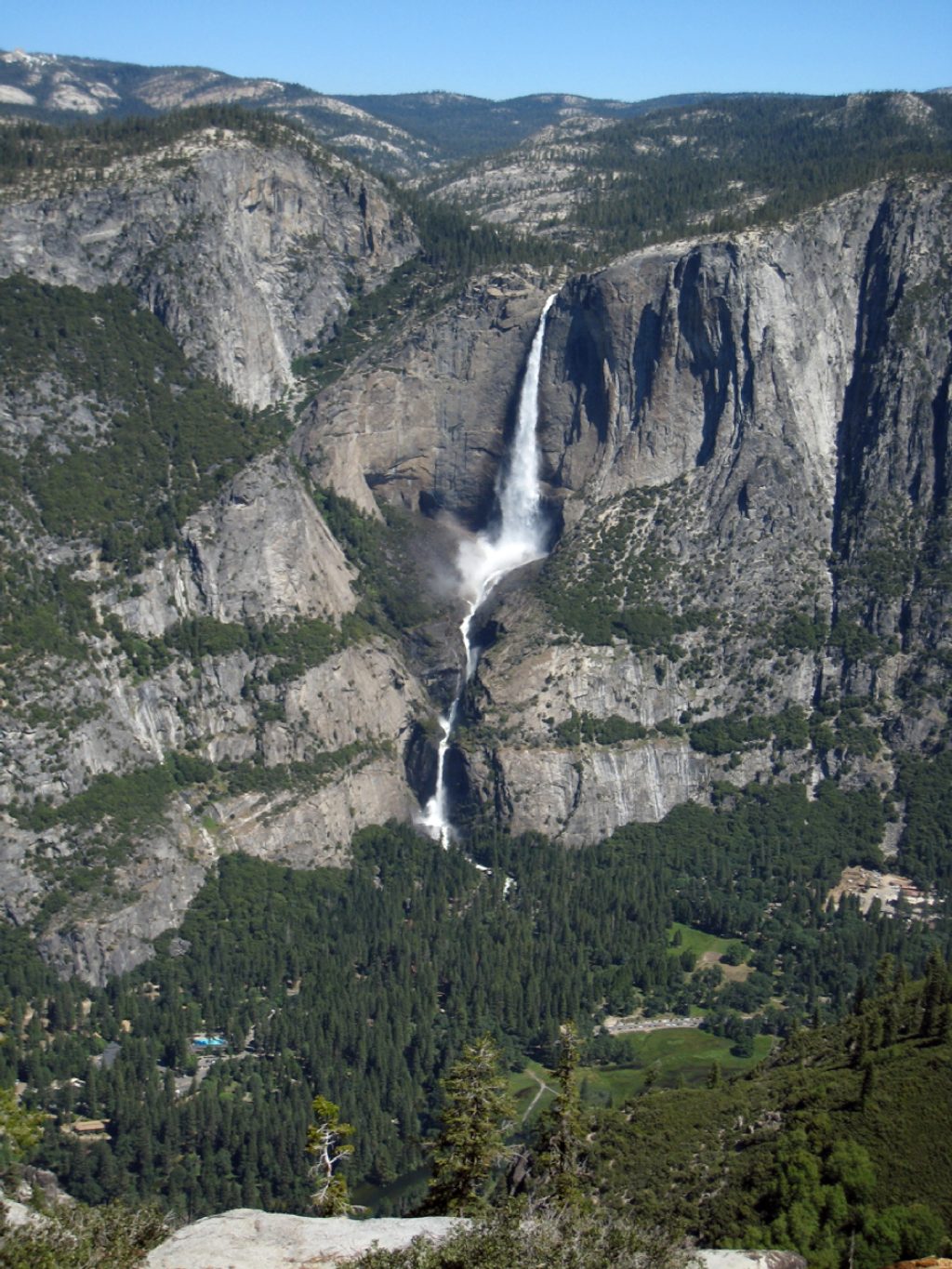
This is a big, committing North Rim traverse that strings together three of Yosemite’s heaviest hitters—El Capitan, Eagle Peak, and the brink of Upper Yosemite Falls—before dropping to the Valley floor. The classic point‑to‑point line runs 17.1 miles one way with about 3,674 feet of gain and takes most hikers around 10 hours. Expect a backcountry feel for long stretches, huge views, and real effort.
If you want more high‑country time, a longer variation from Tamarack Flat to Yosemite Creek runs about 21.6 miles one way with roughly 5,000 feet of climbing and is often tackled as a long day or a 2–3 day backpack. Prefer a single destination? The out‑and‑back to El Capitan from Tamarack Flat is about 16.4 miles total with ~3,671 feet of gain.
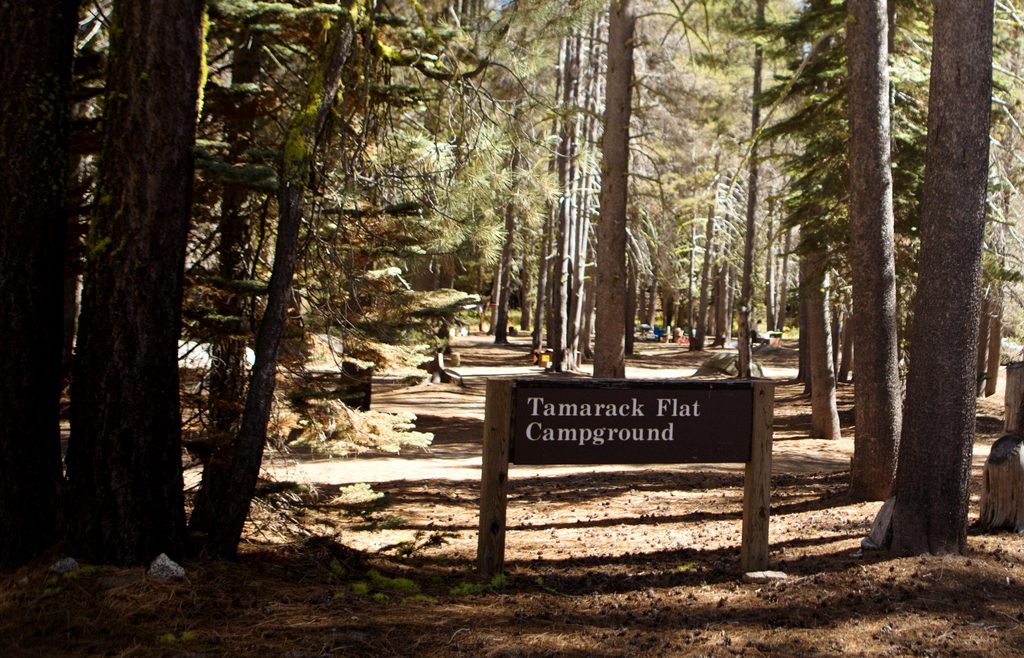
From Tamarack Flat Campground, the route eases in with a downhill on a semi‑paved forest road to Tamarack Creek, then flips the script into a sustained, mostly direct climb. Shade comes and goes; sections of exposed granite slabs demand attention and make navigation feel “lightly marked”—maps/GPS are smart here. The payoff is a grand tour along the Valley’s north rim: dizzying perches atop El Capitan, the quieter Eagle Peak spur, and the thunderous brink of Upper Yosemite Falls. The descent to the Valley is steep and switchbacked—expect a quad‑punching finale.
This is a hard hike by any measure. The grades are sustained, the downhill is demanding, and summer sun can cook the exposed granite. Mosquitoes can be persistent in season, especially near meadows and creeks. Late summer water can be scarce; plan to carry 4+ liters between sources.
This is a true point‑to‑point: start at Tamarack Flat Campground (off Tioga Road) and finish near Camp 4 on the Valley floor. That means staging a second vehicle or arranging a shuttle. Camp 4 parking is for campers only; use nearby public lots and the Valley shuttle to connect. Tamarack Flat Campground access and Tioga Road are seasonal—closures change the equation quickly.
Day hikers don’t need a wilderness permit. If you’re turning this into an overnight, you do. Wilderness permits use an advance reservation system with a quota and fees, must be picked up in the park, and require proper overnight food storage. Backpackers’ Campgrounds are available one night before and one night after a permitted trip.
Plan your water carefully. Reports note reliable filtering at major creeks earlier in the season, but late summer can mean long dry stretches; carry ample capacity. Typical hiking window is late spring through fall when Tioga Road is open. Start early for cooler temps, friendlier light on the Valley walls, and a calmer experience on popular rim segments.
If you’re fit, like long days with big views and don’t mind rugged footing and logistics, this traverse is a gem. If you want a taste without the full commitment, consider the El Capitan out‑and‑back or the Eagle Peak out‑and‑back from the same trailhead—both are still stout, but simpler to manage.
Late spring to early fall when access roads are open. Midweek starts at dawn beat heat and crowds, and morning light is kinder for photography at El Capitan and Yosemite Falls. In high summer, prioritize heat management and water capacity; in early fall, enjoy cooler temps but assume fewer flowing creeks.
Start at Tamarack Flat Campground off Tioga Road. Limited parking; the access road and campground are seasonal and can close. If finishing in Yosemite Valley, avoid Camp 4’s camper‑only lot—use nearby public parking and the Valley shuttle to connect.
Sustained climbs, long exposed granite sections, and a steep, switchbacked descent. Navigation can feel sparse across slabs—bring map/GPS. Mosquitoes in season. Water can be scarce in late summer; plan to carry 4+ liters. Tioga Road and Tamarack Flat access are seasonal. One‑way route requires shuttle or second vehicle; peak periods may require entry reservations.
Place · 0 mi away
Place · 2 mi away
Place · 2.1 mi away
Place · 2.3 mi away
Challenging · 2.5 mi away
Moderate · 3.9 mi away
Easy · 4 mi away
Challenging · 4 mi away

Parkwolf Tour Guide
