
Place · 0.3 mi away
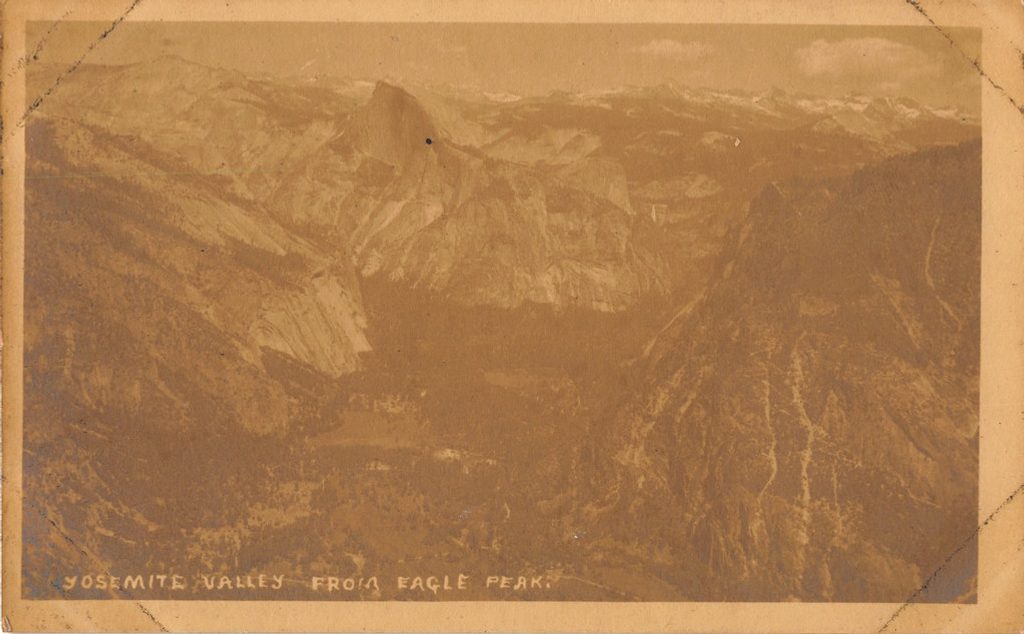
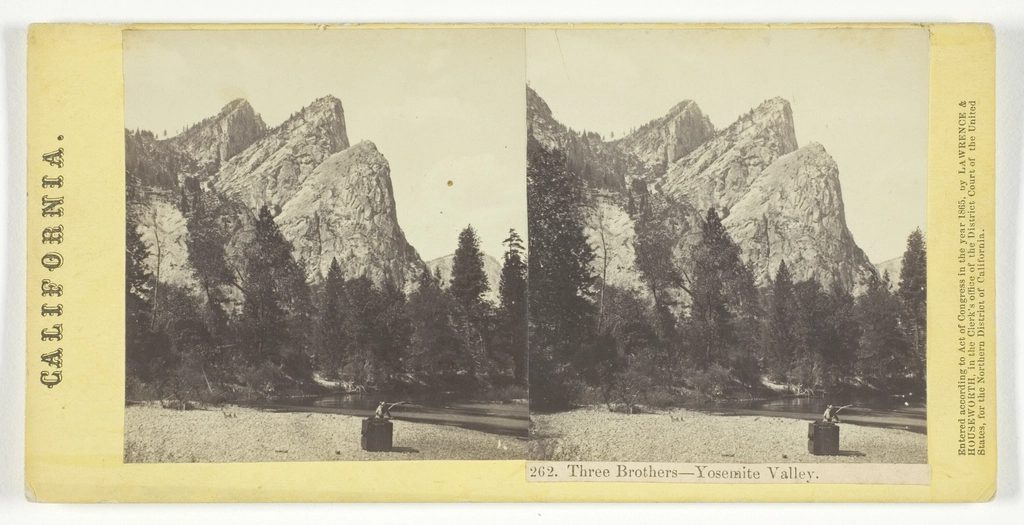
Eagle Peak is the highest of the Three Brothers and one of the most rewarding viewpoints in the park. From its 7,750-foot summit, you get an outrageous sweep of Yosemite Valley with Half Dome, El Capitan, and Yosemite Falls all laid out in one glance. Expect a strenuous day, but the payoff is enormous.
Most hikers start at Camp 4 and climb the Yosemite Falls Trail’s relentless switchbacks. It’s steep, sun-exposed in places, and busy until you pass the falls area. After topping out near Upper Yosemite Falls, the grade moderates and the crowds thin. Cross Yosemite Creek, follow signs toward Eagle Peak through quieter forest and meadows, then make a short, steeper, bouldery push to the summit. Typical stats are about 11.5–12 miles round trip, 3,800–4,300 feet of gain, and 7.5–9 hours for most hikers.
Alternative approaches exist from higher trailheads along Tioga Road. From Tamarack Flat Campground, it’s roughly 7.7 miles one way via the El Capitan Trail. There’s also access from Yosemite Creek Campground at about 7,200 feet, reached by a rough, narrow road. Longer backpacking linkups are possible via Yosemite Creek and Snow Creek trails, but overnight trips require wilderness permits.
The summit panorama is the star: Yosemite Falls thundering across the canyon in spring, the granite monolith of El Capitan, dome-studded high country, and far-off Sierra summits. The approach transitions from oaks and pines near the Valley to forest, burn patches, and the open meadows near the rim—often a quieter slice of the park after the falls.
Best seasons are spring through fall. Spring and early summer bring the biggest waterfall show (and potential lingering snow/ice up high). Late summer and fall mean drier trails and lower waterfall flow. Start early to beat heat and crowds—the descent can be especially toasty. In shoulder seasons and winter, expect snow/ice and consider traction; this is not a winter hike for novices.
Park at the Yosemite Falls parking area (near Yosemite Valley Lodge) and walk to the Camp 4 trailhead. Flush toilets are available at Camp 4. There’s no treated water on the trail; carry all you need and, if you plan to filter, know that creek flows can be seasonal. Trailhead food lockers are available for storing scented items. There’s no camping on the summit; overnight trips in the area require a wilderness permit and bear-resistant food storage.
Once you’re past the falls area, the quieter forest and meadow sections are good for spotting deer and a variety of birds. Along the cliffs, keep an ear out for swift-winged aerialists and raptors. Early summer can bring mosquitoes around meadowy stretches—pack repellent.
This is a big, steep day with sustained climbing. Pace yourself, bring 3–4 liters of water in warm months, and use caution around any overlooks and wet granite. Trekking poles help on sandy, slick sections and the long descent.
Place · 0.3 mi away
Place · 0.7 mi away
Place · 0.7 mi away
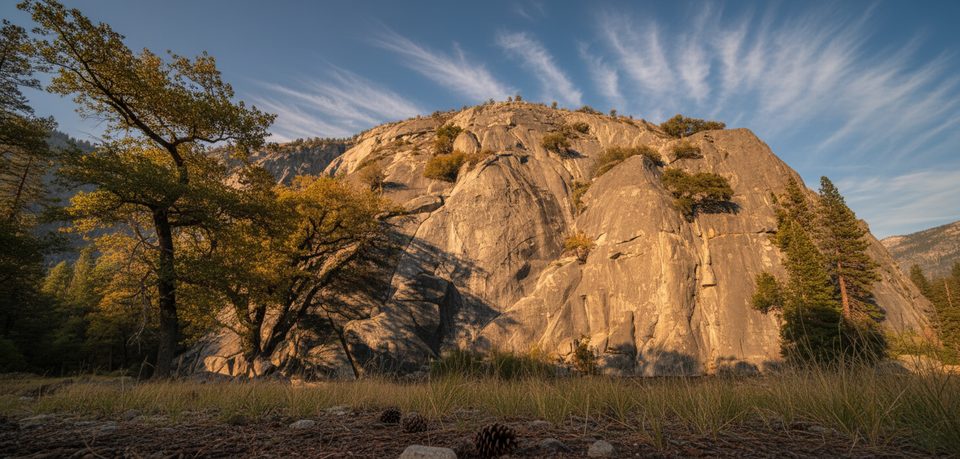
Place · 0.8 mi away
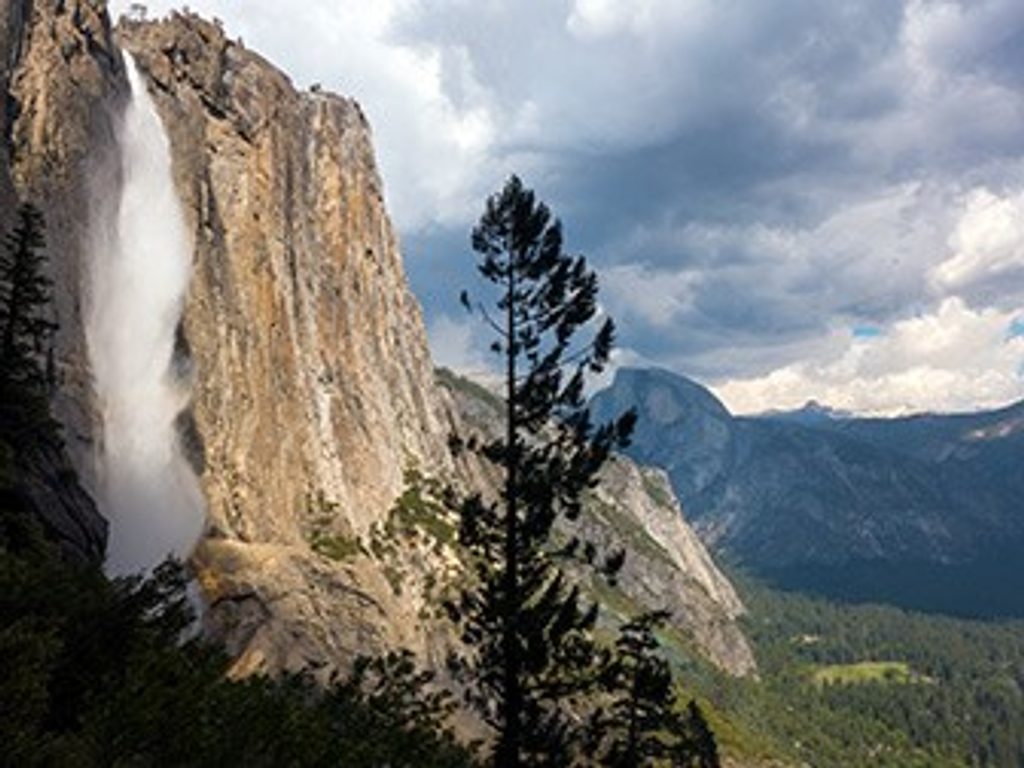
Challenging · 0.7 mi away
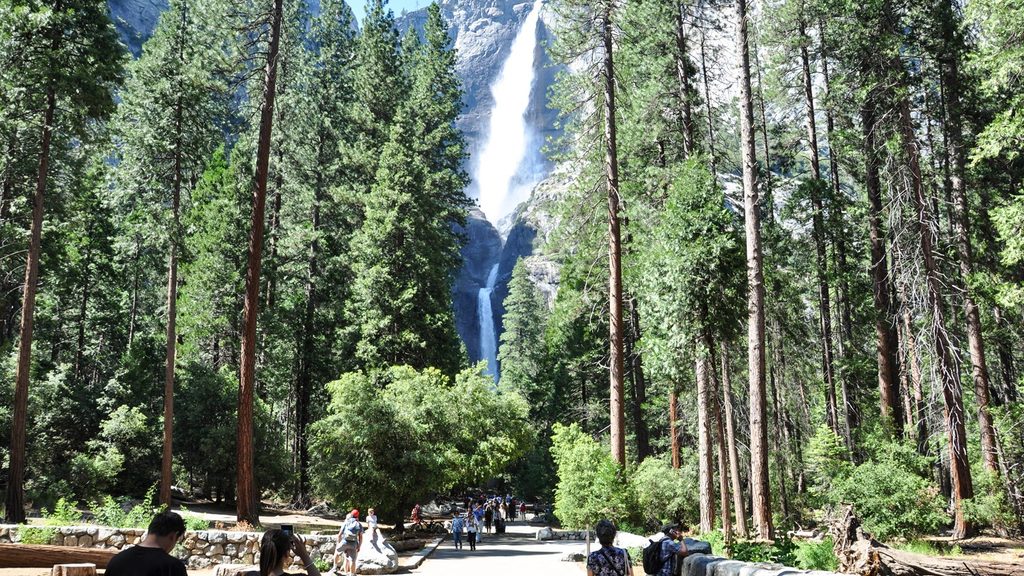
Easy · 1.1 mi away
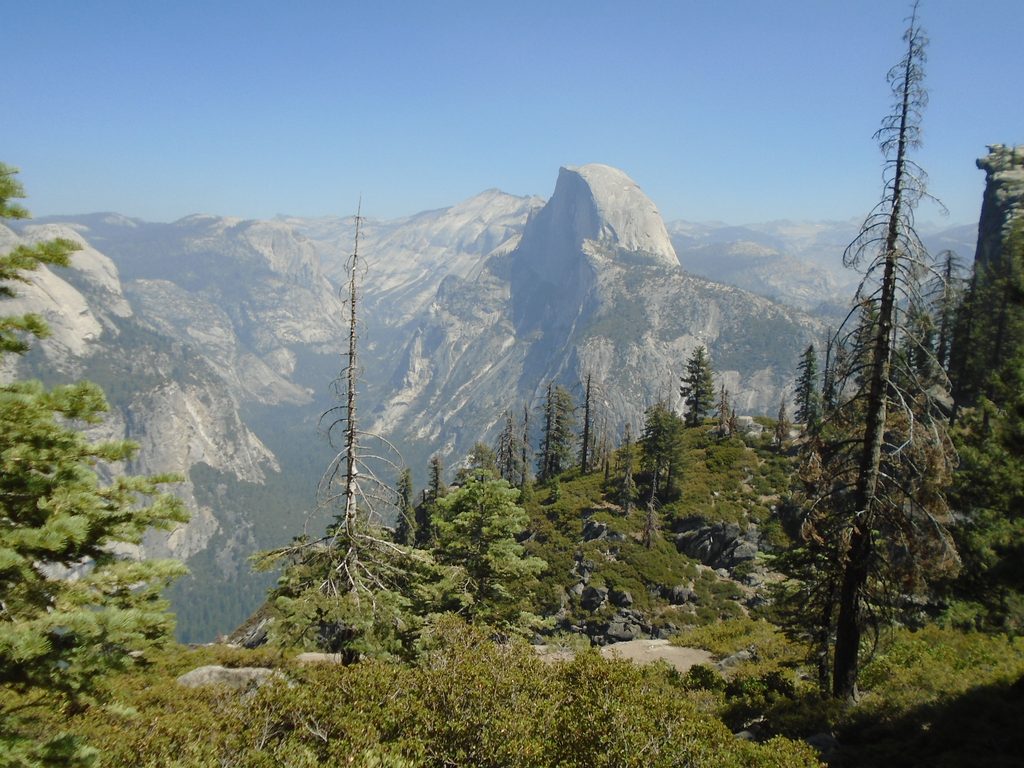
Challenging · 1.1 mi away
Easy · 1.4 mi away

Parkwolf Tour Guide
