
Place · 0 mi away
Challenging
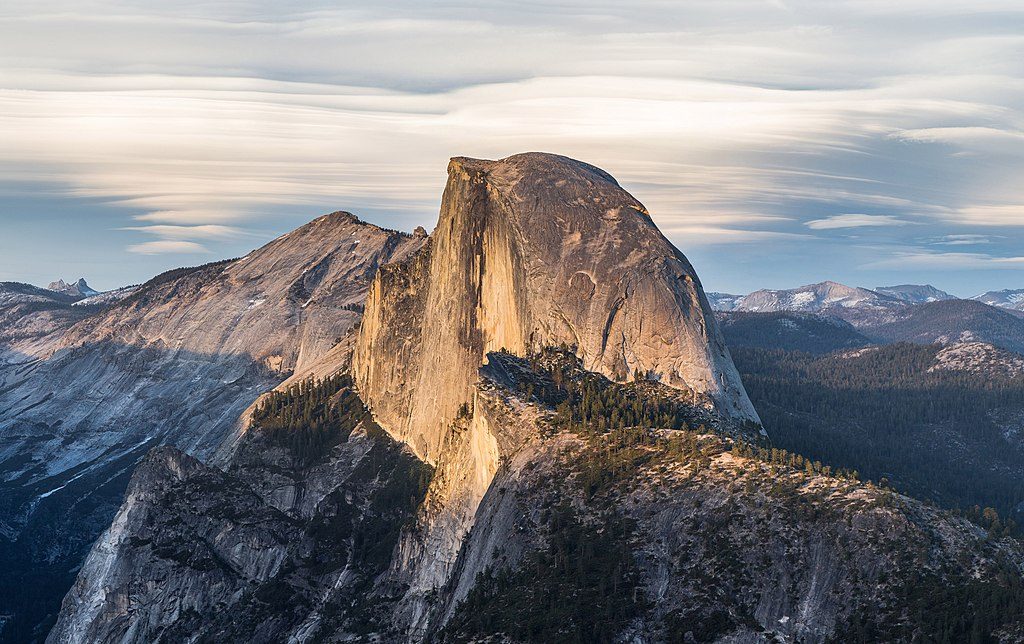
Half Dome is the park’s marquee sufferfest: a long, steep climb from the Valley to a big, airy summit via the famous cable route. Expect about 14–16 miles total (round trip) with roughly 4,800–5,300 feet of gain depending on your exact route and start point. Most hikers go up the Mist Trail past Vernal and Nevada Falls, then connect toward Subdome and the cables; many descend the gentler John Muir Trail to save knees. It’s strenuous, exposed, unforgettable—and not for first-time hikers.
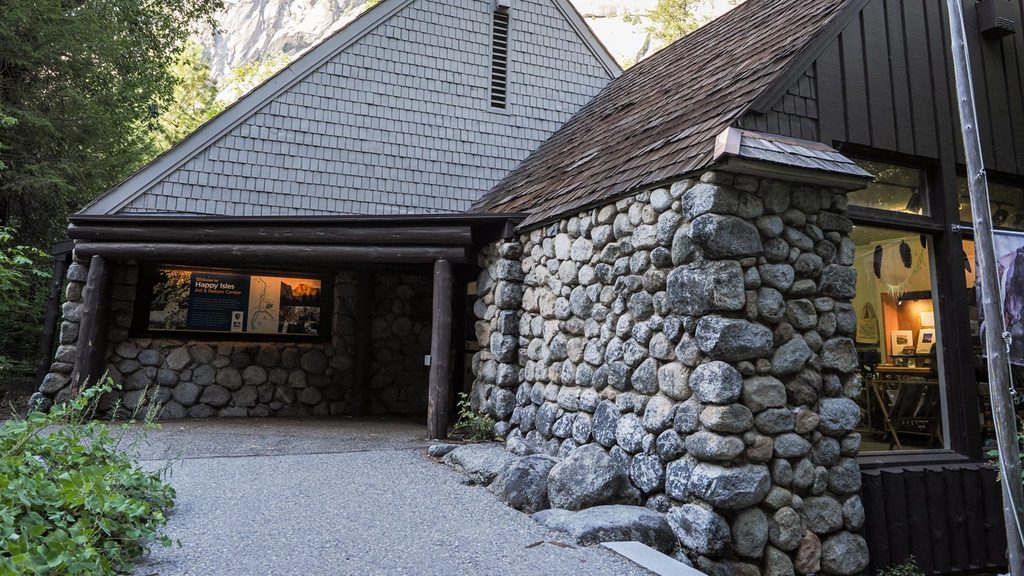
Start at Happy Isles and choose your flavor: the Mist Trail is steeper, slick when wet, and spectacular beside thundering waterfalls; the John Muir Trail is longer but mellower. Above Nevada Fall you traverse Little Yosemite Valley before tackling Subdome’s stone steps and the final 400-foot cable ascent to the summit. Views stretch across Yosemite Valley and the high country. Plan for 10–12 hours for most hikers (some need up to 16), and set a hard turnaround time so you’re not on the cables late.
A permit is required to go beyond the base of Subdome when the cables are up, for both day hikers and backpackers. Quota is limited (about 300 per day) and permits are issued by preseason lottery (March 1–31, results mid‑April) and a daily lottery two days before your target date. Rangers check permits at Subdome. The cables are usually installed from around Memorial Day weekend to shortly after the second Monday in October, but dates vary with conditions. Do not attempt the cables when wet or during storms.
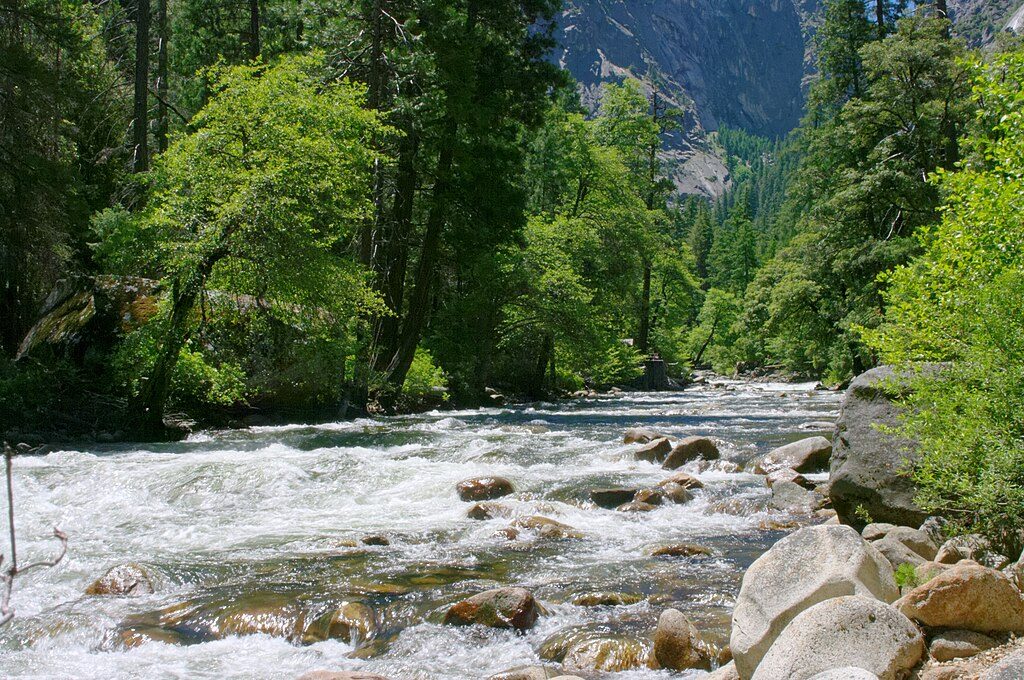
In summer, the only treated water is at the Vernal Fall Footbridge. Otherwise, you’ll need to filter/treat Merced River water up to Little Yosemite Valley; there are few refill options beyond LYV. Flush toilets are at the footbridge; composting toilets sit near Emerald Pool, the top of Nevada Fall, and in LYV. Backpackers often camp at LYV (bear lockers, pit toilets) and day-hike Half Dome from there to break up the effort.
The cable section is steep and exposed. Wear well-broken-in footwear with good traction, carry grippy gloves for the cables (and pack them out), and bring a headlamp with spare batteries. Don’t climb if rock or cables are wet. Afternoon thunderstorms and lightning are a real threat; aim to be on the cables late morning. Carry 3–4 liters of water per person for a summit day plus salty snacks. Never leave food unattended—bears are common around LYV, and smaller critters will raid packs.
With the cables typically up late May through early October, September often hits the sweet spot for cooler temps and thinner crowds than midsummer—though wildfire smoke and closures can happen. Spring delivers peak waterfall flow on the Mist Trail, but higher elevations can hold snow well into early summer. To beat crowds and storms, start before sunrise and target the cables by late morning. Weekdays typically see better permit odds and lighter traffic.
If you crave a big, committing day with waterfalls, granite, and an iconic summit, this is your shot. If exposure, bottlenecks, or the permit lottery sound miserable, consider hiking to Vernal and Nevada Falls or Little Yosemite Valley instead—fantastic outings with far less stress.
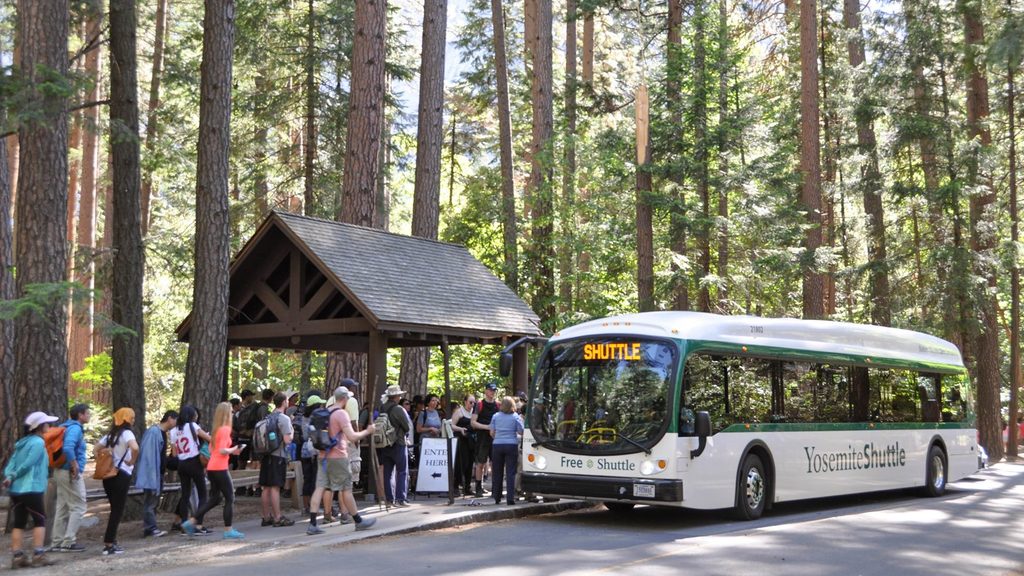
Park near Happy Isles trailhead parking in Yosemite Valley (arrive very early). If the lot is full, use valley day-use parking and walk or take the shuttle to Happy Isles; parking farther away adds extra approach miles.
Permit required when cables are up; rangers check at Subdome. Do not climb if rock or cables are wet or if storms threaten—lightning and slick granite are the primary hazards. Carry 3–4 L of water, treat all river water, wear grippy footwear, and bring gloves for the cables. Never leave food or packs unattended; bears are common around Little Yosemite Valley.
Place · 0 mi away
Place · 0.2 mi away
Place · 0.2 mi away
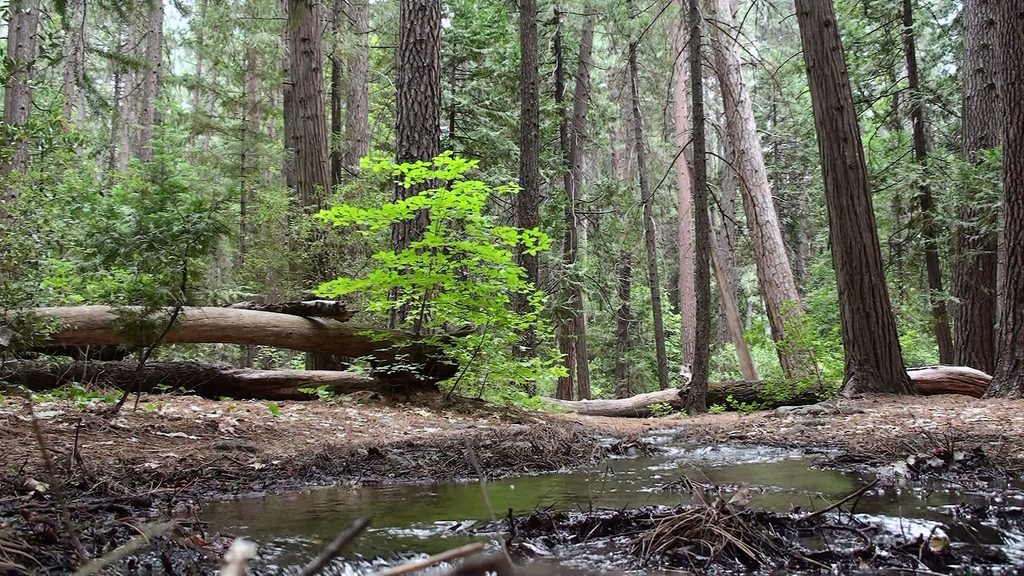
Place · 0.4 mi away
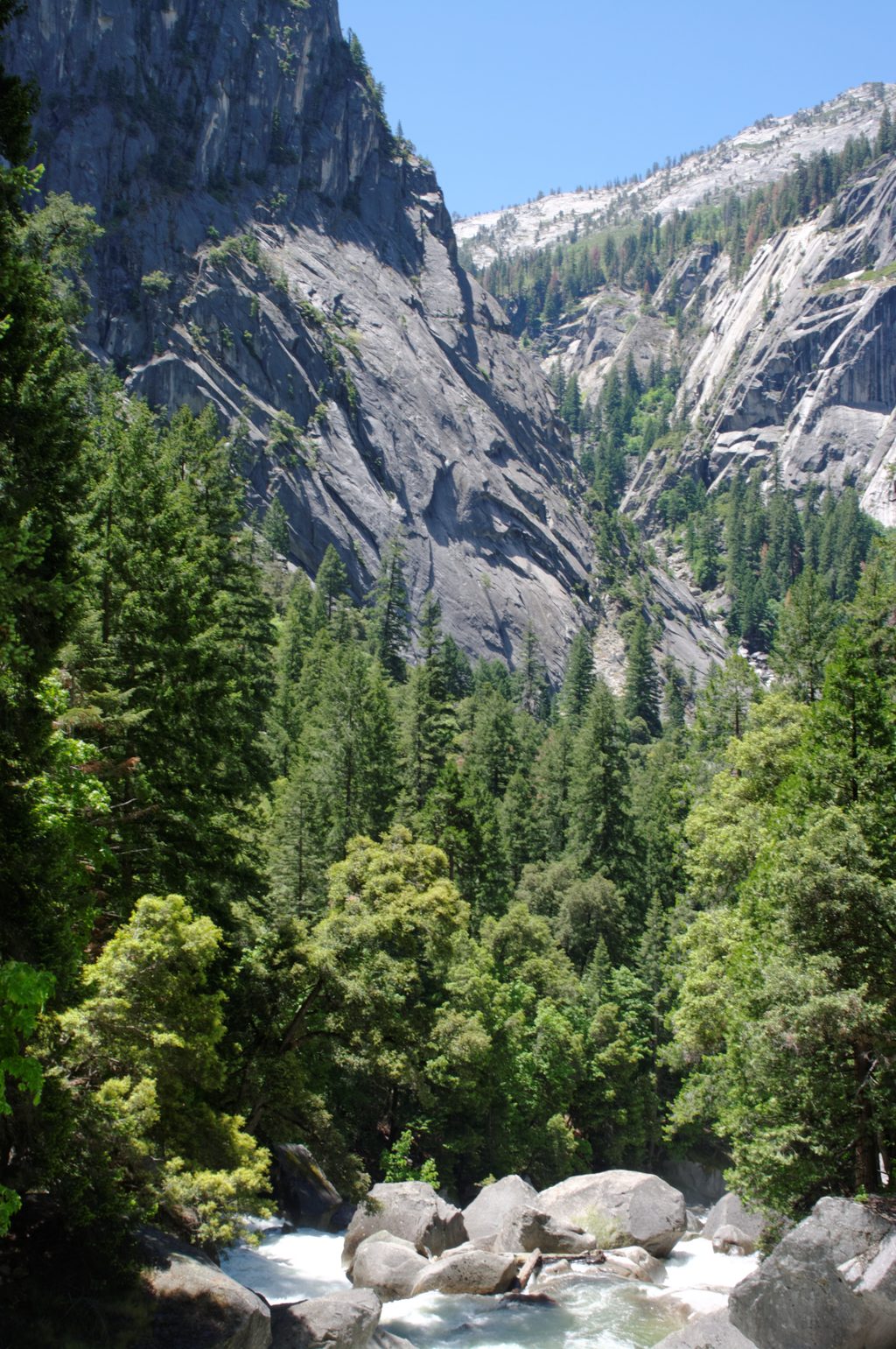
Challenging · 0 mi away
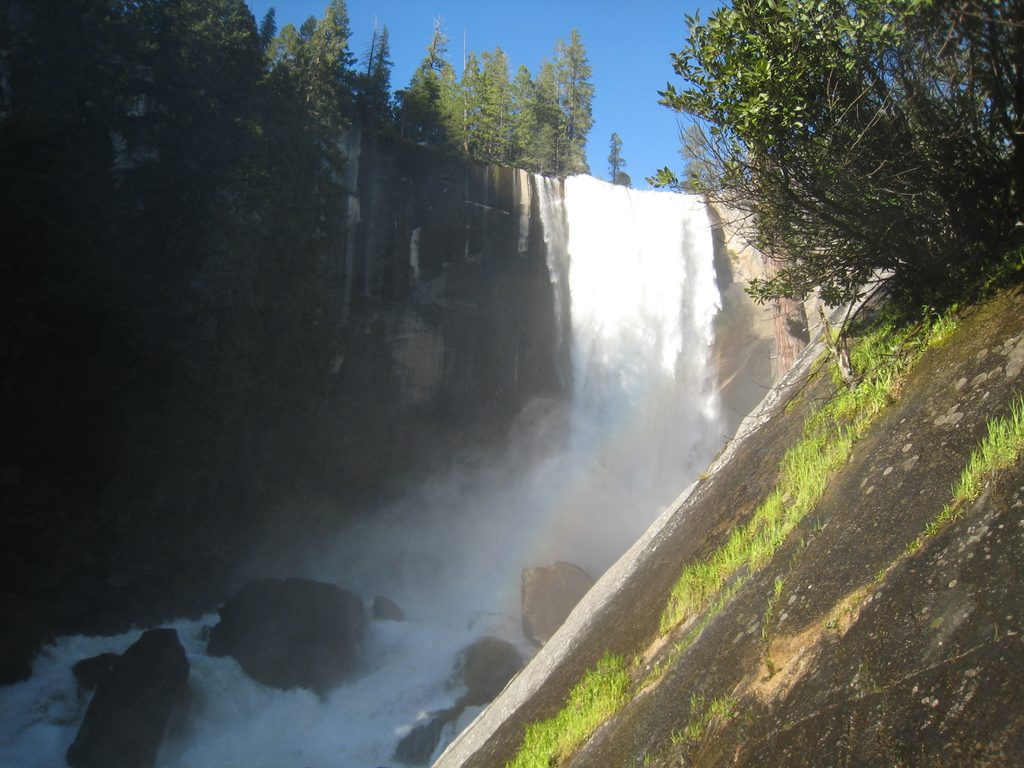
Challenging · 0 mi away
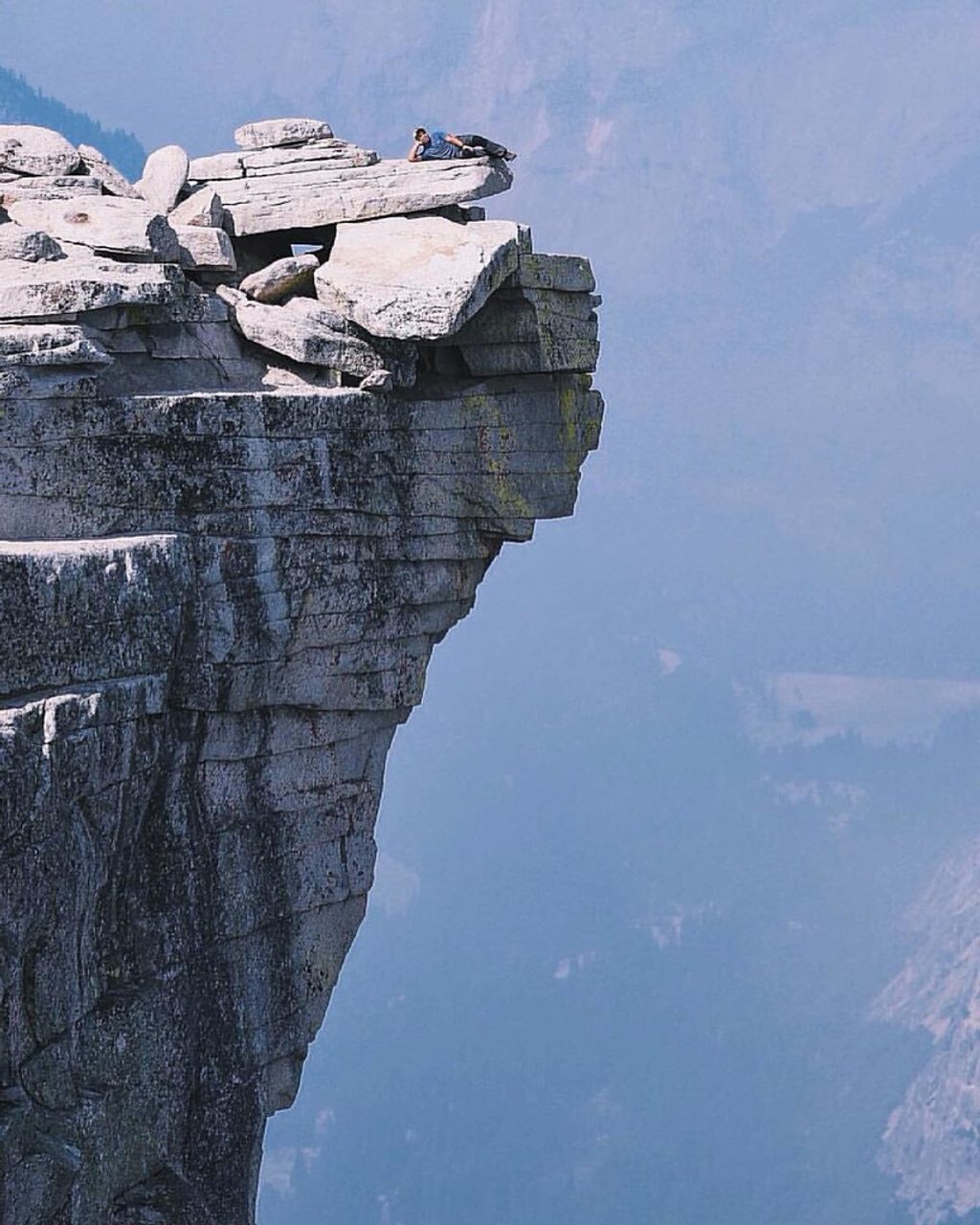
Challenging · 0 mi away
Easy · 0.2 mi away

Parkwolf Tour Guide
