Overview
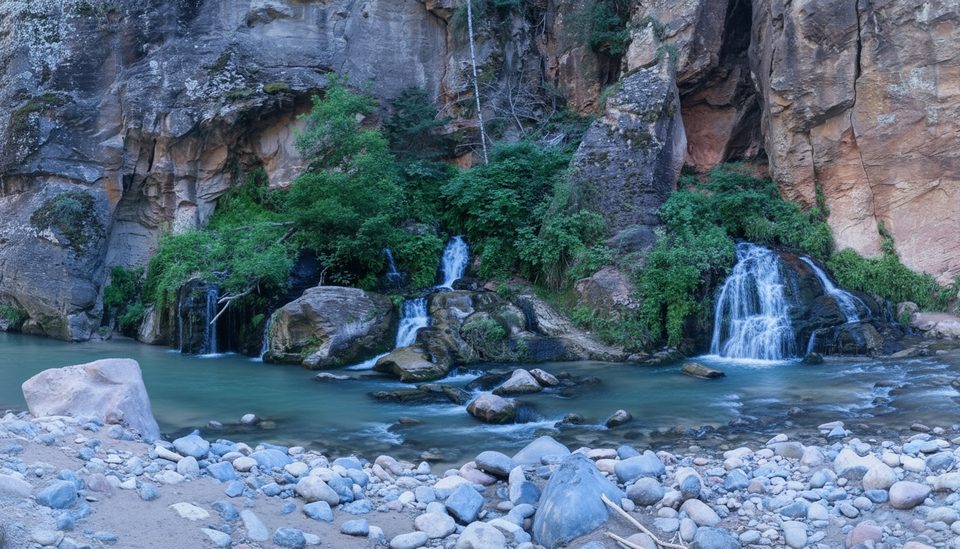
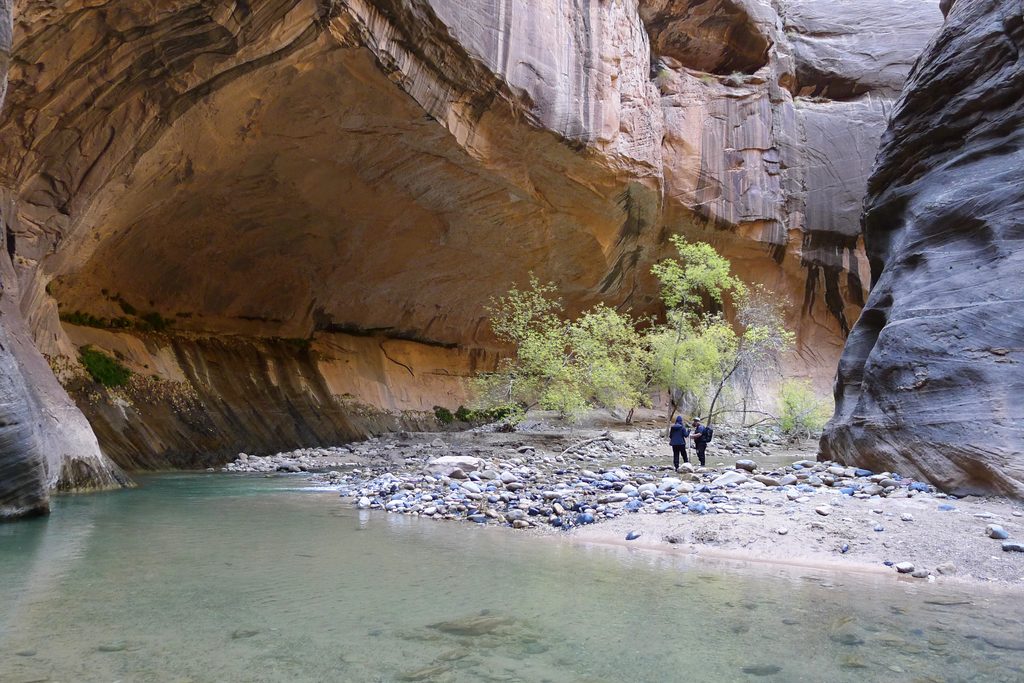
Big Springs is the serene, fern‑lined alcove of seeps and small waterfalls deep inside the Narrows. It’s the official turnaround for bottom‑up day hikers; beyond this point requires a wilderness permit. Expect sculpted sandstone walls, hanging gardens, and a surprisingly peaceful pocket if you arrive early.
Getting There
- Ride the park shuttle to Temple of Sinawava, walk the paved Riverside Walk to the end, then step into the Virgin River and head upstream.
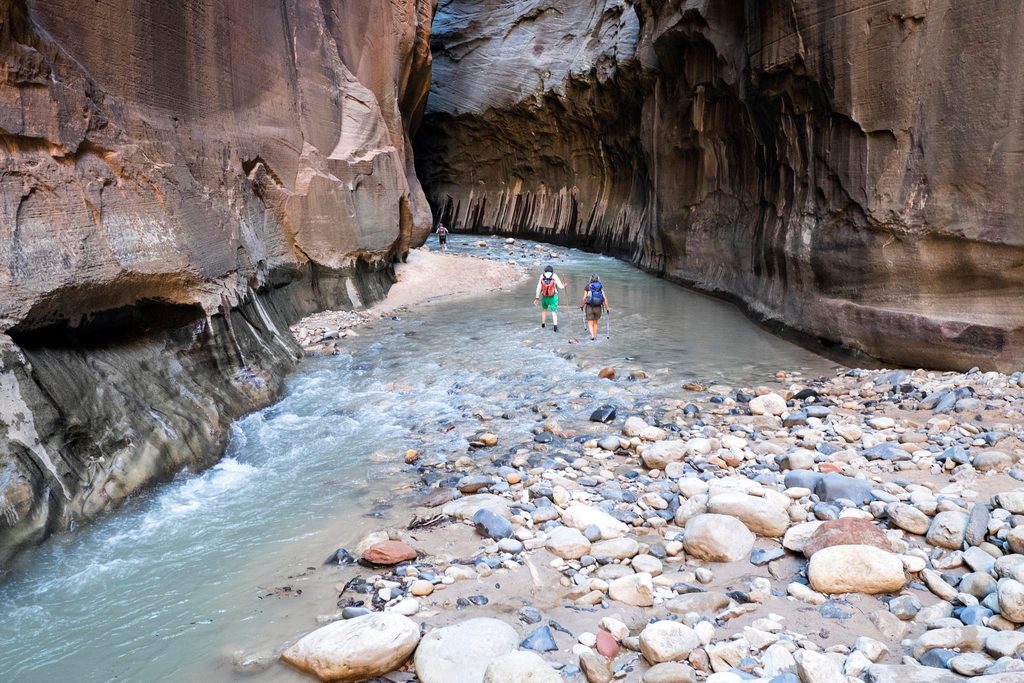
- Plan for roughly 9–10 miles round trip and 6–8 hours depending on flow, pace, photo stops, and crowds. The going is slow: you’re walking in the river most of the way.
What You’ll See
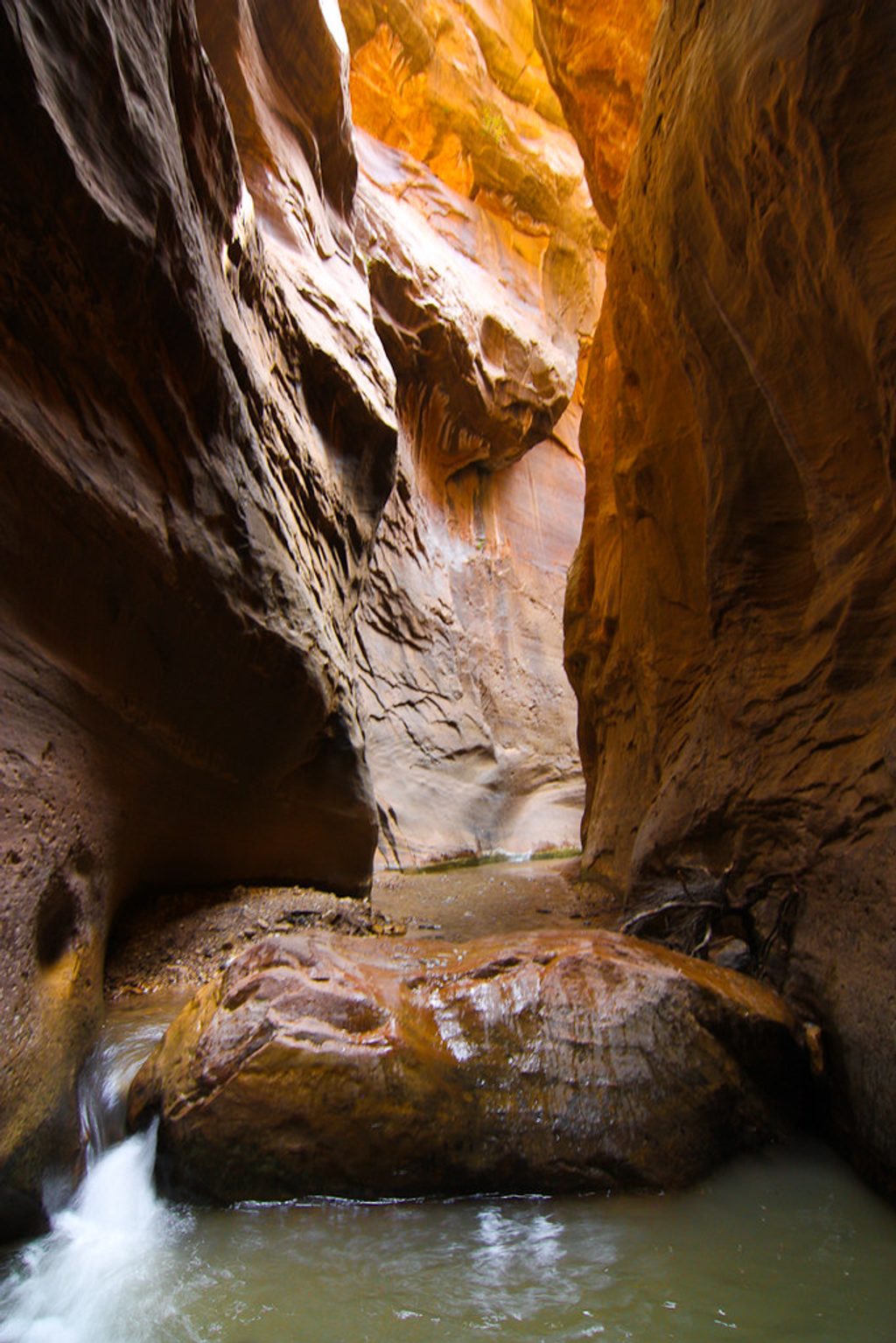
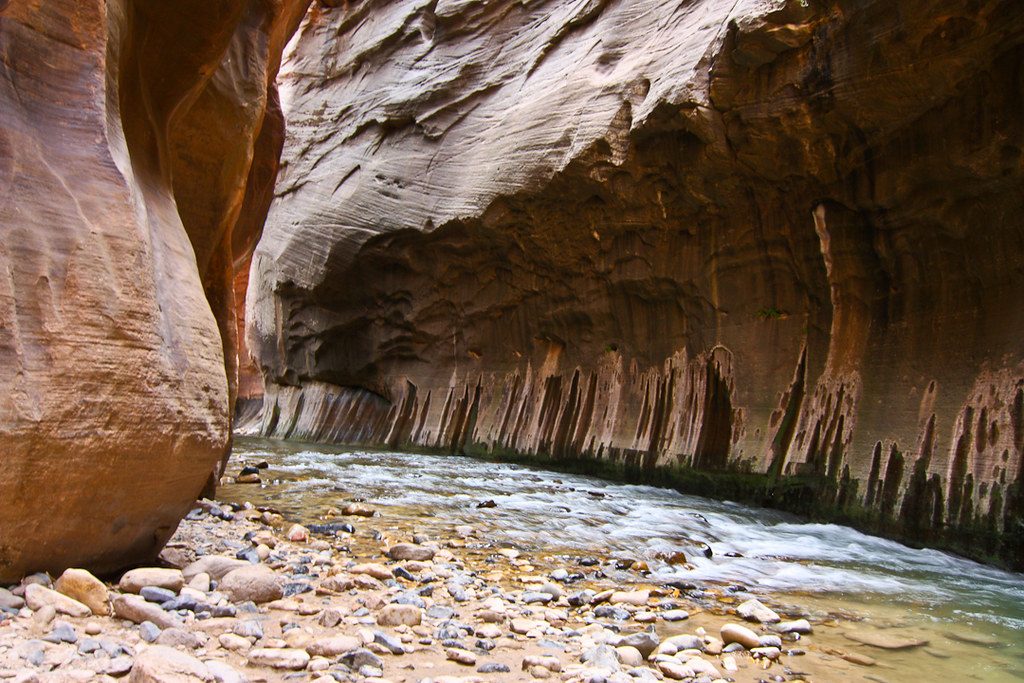
- Classic Narrows highlights on the approach include the tight “Wall Street” corridor and the confluence with Orderville Canyon before the final push to the springs.
- At Big Springs, look for a cluster of trickling falls and clear pools tucked under the canyon wall—an oasis feel compared to the busier stretches downstream.
Difficulty & Conditions
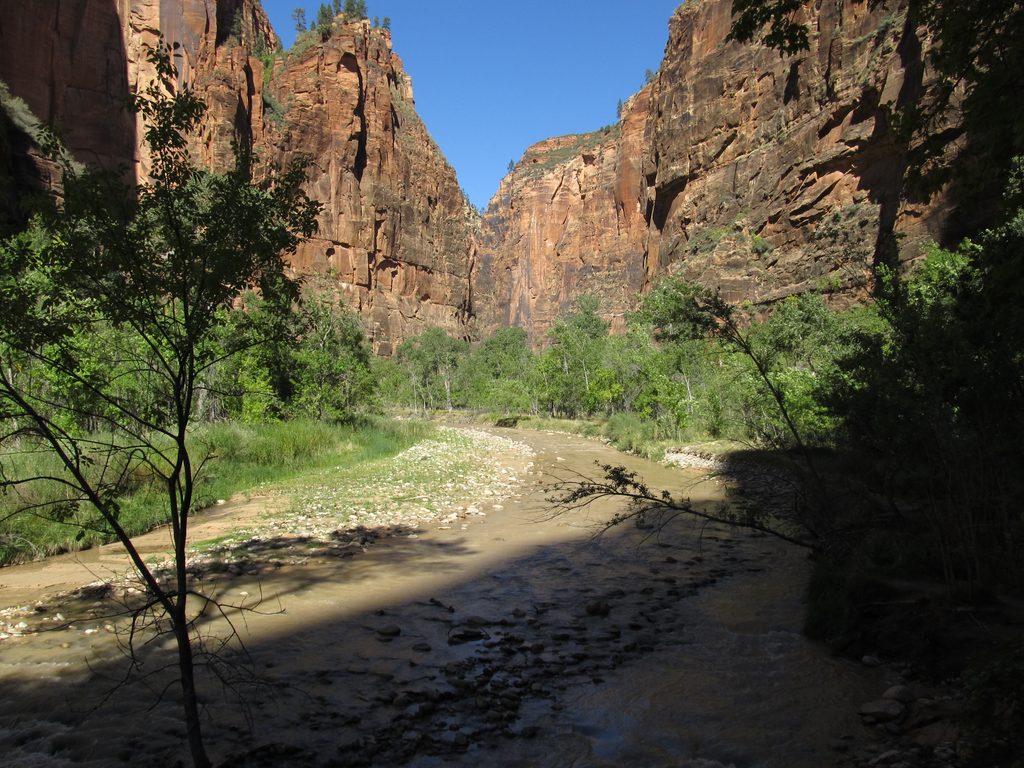
- Footing is on slick, uneven cobbles; expect knee‑to‑thigh water with occasional deeper spots that can reach waist or even shoulder height when flows are up.
- GPS mileage is unreliable in the canyon; set a firm turnaround time instead of chasing a distance.
Safety Essentials
- Flash floods are a real hazard—do not enter if rain is forecast. The Narrows closes during warnings, and high flows can shut it down (the park uses a cubic‑feet‑per‑second threshold).
- Cold water saps energy fast; hypothermia has been reported in underprepared hikers. Layers help with temperature swings between sun and shade.
- Use three‑ or four‑point contact in swift sections and keep your toes covered to avoid rock strikes.
Water, Facilities, and Permits
- There are no facilities in the canyon. Use the restrooms at Temple of Sinawava before you start.
- Do not rely on treating river water because of potential cyanobacteria; if you must treat, the spring here is the preferred source when advisories allow. Carry plenty of water regardless.
- No permit is needed for the bottom‑up day hike to Big Springs. A wilderness permit is required for continuing beyond or for the top‑down through‑hike from Chamberlain Ranch.
Gear & Rentals
- Bring closed‑toe shoes with grip, a hiking pole or sturdy stick, and a dry bag for electronics. Many hikers consider a pole a lifesaver.
- In cooler seasons, neoprene socks and dry pants or a drysuit make the day far more comfortable. Rentals are widely available in Springdale.
Best Time to Visit
- Be on one of the first shuttles for the calmest experience going upstream; expect heavier traffic on the return.
- Late spring through fall often offers more comfortable water temps and levels, but always check the day’s flow and flash‑flood forecast with rangers.
Is It Worth Going All The Way?
- Many consider Wall Street and the Orderville junction the visual high point; the scenery doesn’t change dramatically after. That said, Big Springs rewards the extra effort with quieter vibes and a pretty oasis—go if you have the time and legs.
Wildlife
- Keep an eye out for butterflies, birds, frogs, and even deer, especially in the quieter upper stretches approaching the springs. As always, observe wildlife from a distance.