
Place · 0.1 mi away
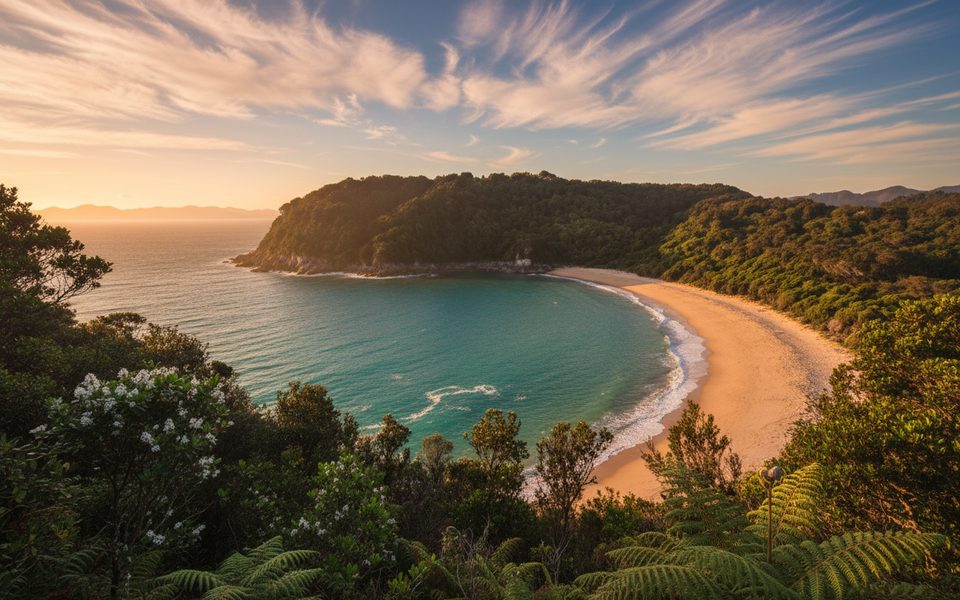
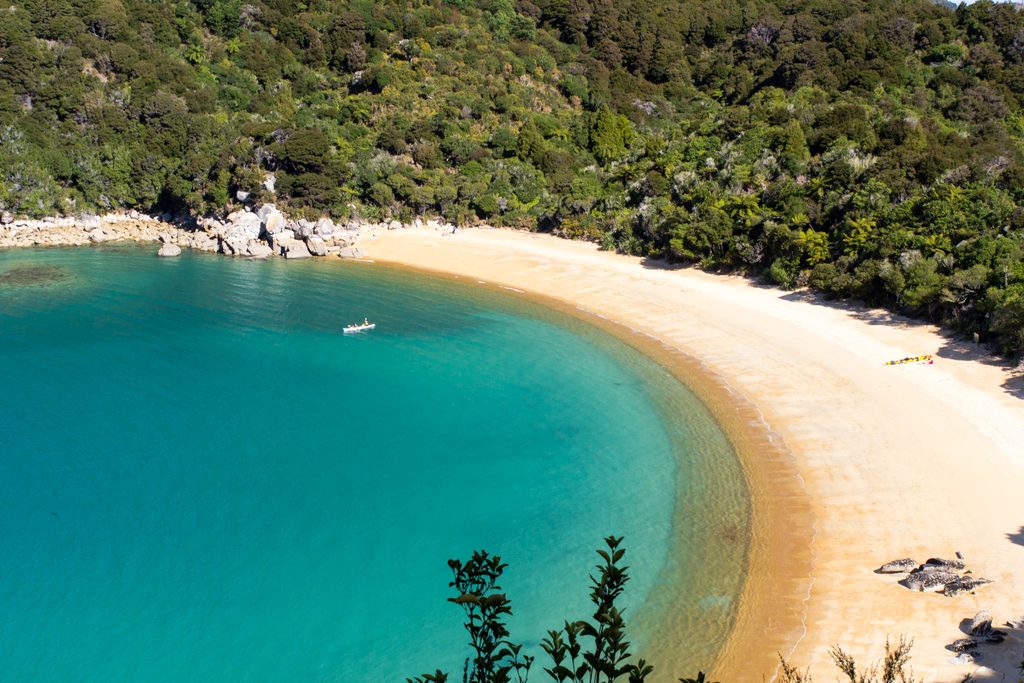
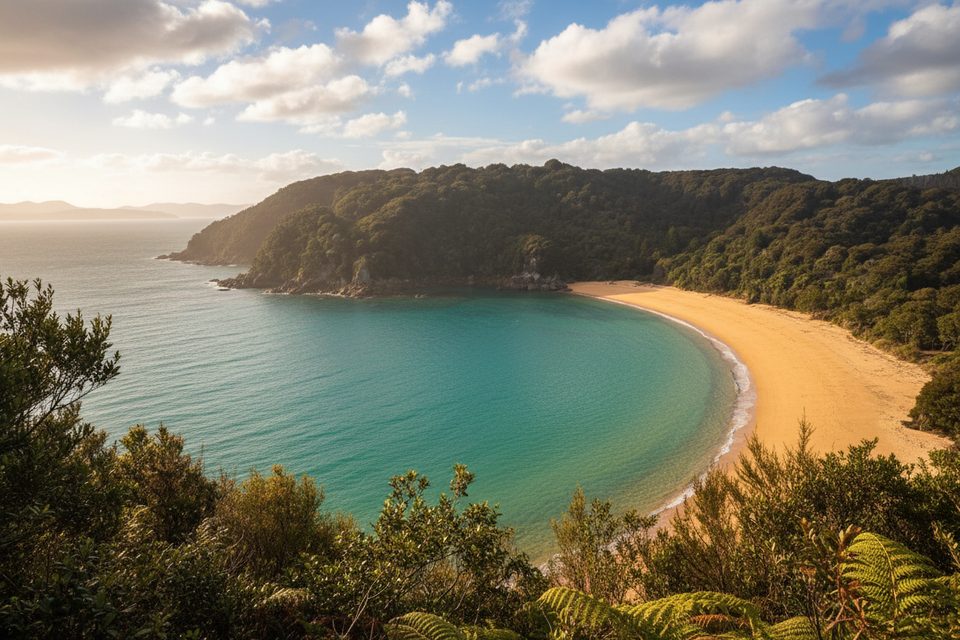
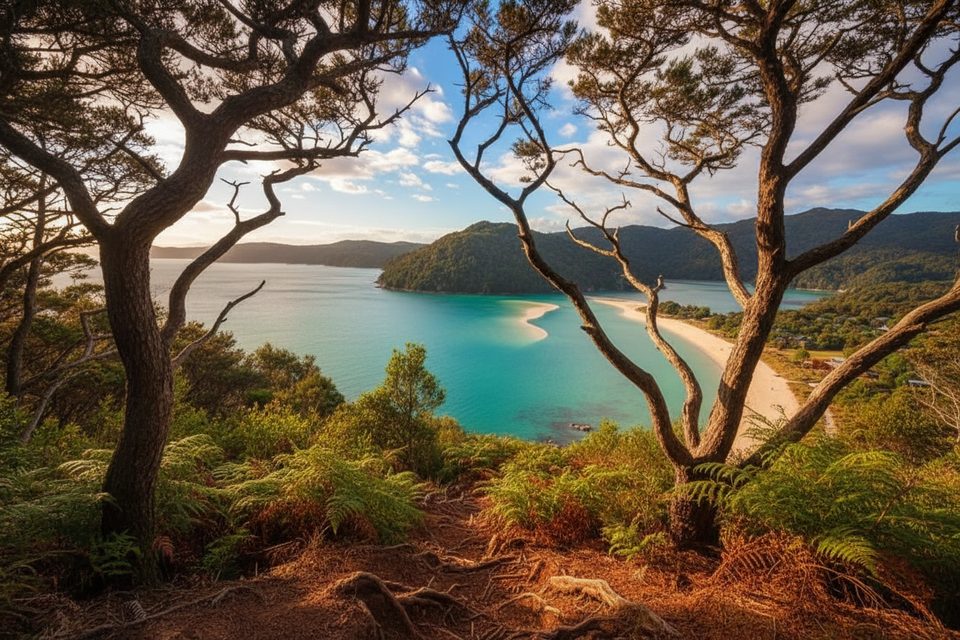
Anchorage is the classic beachfront stop on the Abel Tasman Coast Track—a Great Walk campsite with better-than-backcountry comforts and a golden-sand bay made for a post-hike swim. It’s popular, for good reason, so expect energy and buzz rather than solitude.
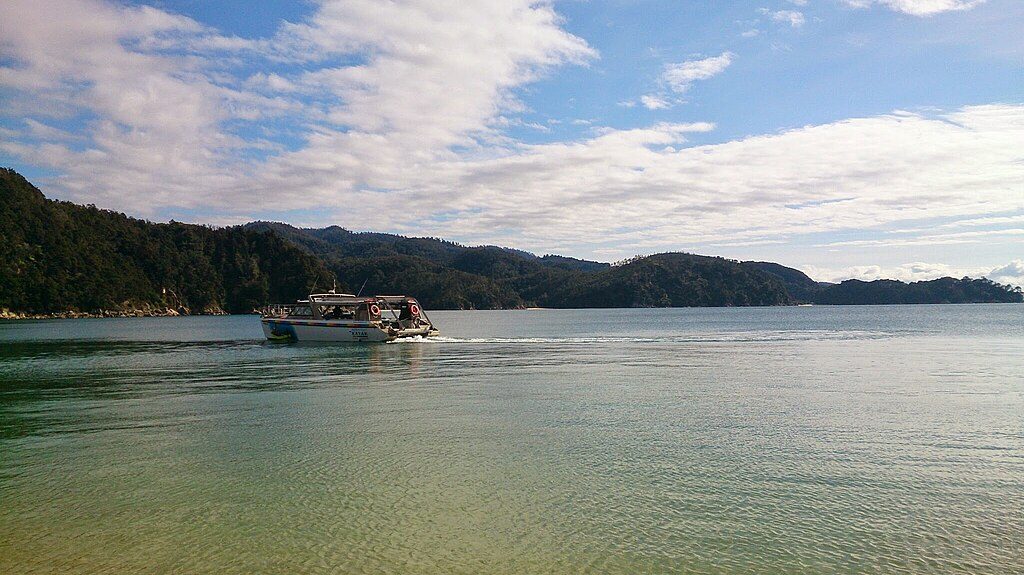
There’s no road access. Hike in (Marahau → Anchorage is about 12.4 km, ~4 hours) or arrive by scheduled water taxi. It’s a standard taxi stop, so boats come and go throughout the day.
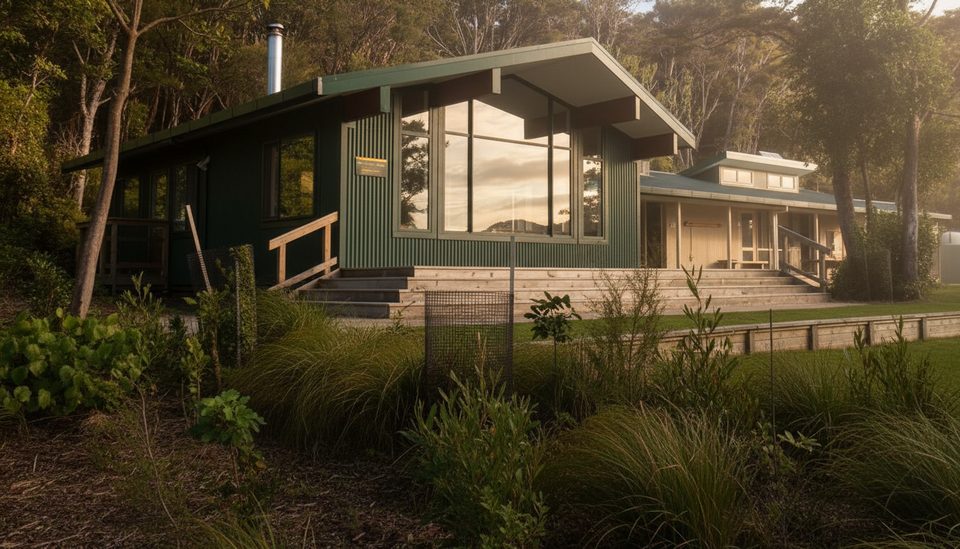
You’re camping on unpowered tent sites (about 50 total). Expect non-flush toilets, hand-washing sinks, a shared fireplace, cooking shelter areas, and a reliable water supply—treat or boil before drinking. Some sites have picnic tables. Campers can’t use hut facilities, and hammocks aren’t suitable here.
You must book in advance year-round (no turning up without a valid booking). The DOC Campsite Pass isn’t valid. Typical fees per person, per night:
Peak months often limit stays to around two nights at one site.
Anchorage is busy—especially October through April and around the morning/afternoon taxi rush. It’s also a favorite for school groups Monday–Thursday in November and again from mid-February to April. If you’re chasing quiet, aim outside those windows. Winter brings fewer people and that welcome low-angle sun.
You may spot seabirds along the beach and, farther north, fur seals—enjoy from a distance. Birds sometimes nest on beaches; keep below the high-tide mark. Wasps and sandflies are part of the package here—bring repellent and any allergy meds. Pack out all rubbish.
If you’re continuing north, the Torrent Bay estuary can be crossed up to about two hours either side of low tide; otherwise, use the all-tide track around it (adds time). Farther north, Awaroa Inlet has strict daylight low-tide windows and no land detour—plan ahead.
Keep at least a 2 m gap between tents. No digging holes, cutting vegetation, or using chainsaws, generators, compressors, or amplifiers. Fires only in designated spots. Drones require a DOC permit. Dogs aren’t allowed anywhere in the park. A predator control operation using 1080 was completed on September 12, 2025—heed warning signs and don’t forage or hunt for food in the area for several months afterward.
Mornings and evenings are the magic hours for soft light and calmer water, and they dodge the daytime taxi bustle. Midweek can be quieter outside the school-group periods; winter is wonderfully peaceful if you’re prepared for cooler temps.
Place · 0.1 mi away
Place · 0.2 mi away
Place · 0.3 mi away
Place · 0.5 mi away
Easy · 0 mi away
Easy · 0.2 mi away
Easy · 2.8 mi away
Moderate · 2.8 mi away

Parkwolf Tour Guide
