
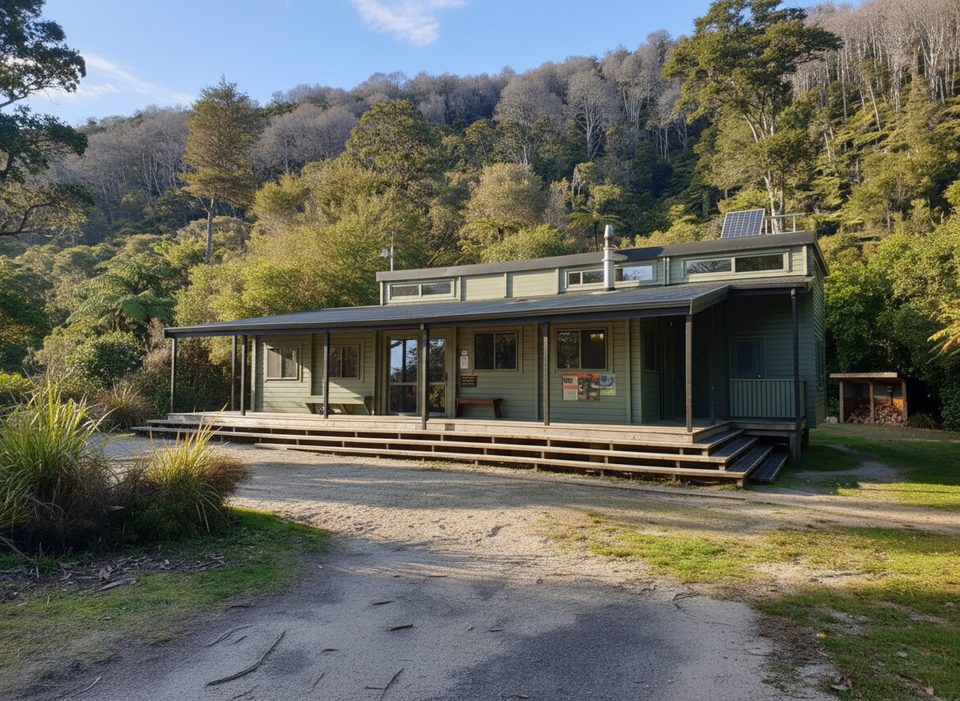
Place · 0.1 mi away
Moderate
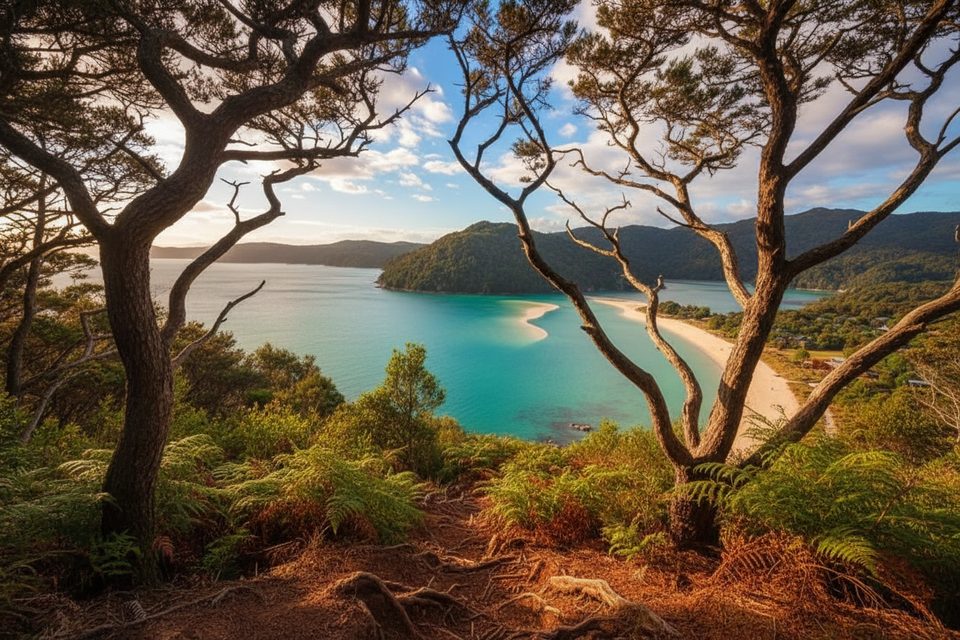
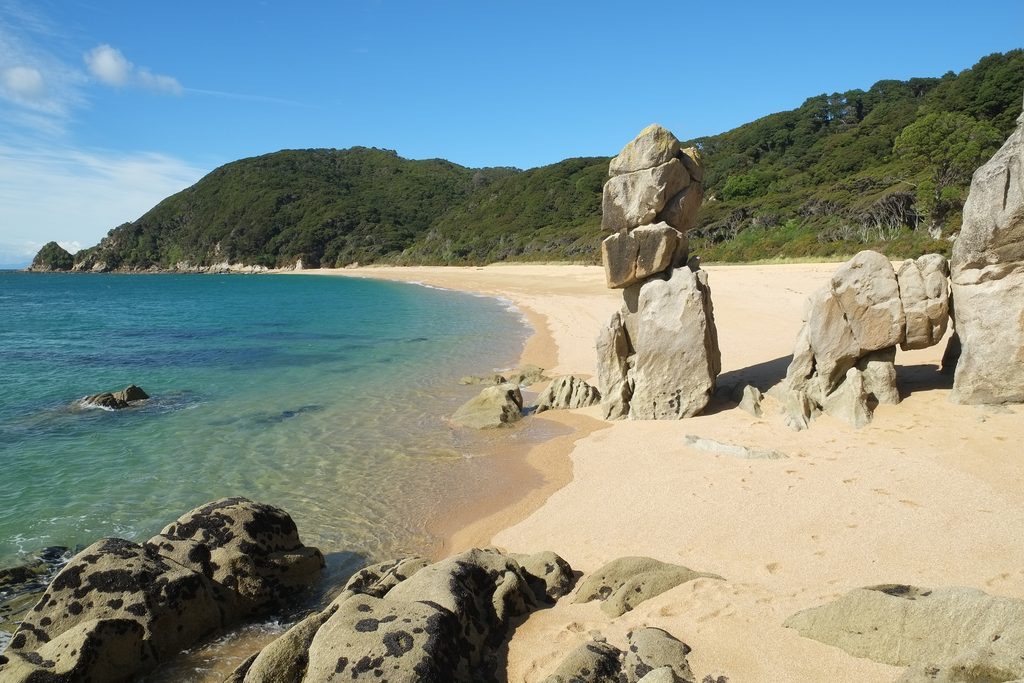
This is a crowd‑pleasing slice of the Abel Tasman Coast Track with big variety for modest effort. Walk through lush coastal forest, step onto golden sand, and tiptoe over the 47‑metre Falls River suspension bridge. If the tide plays nice, you’ll save distance by wading the Torrent Bay estuary; if not, the all‑tide track loops around with more forest and a worthwhile detour.
Two options, same endpoints. The low‑tide crossing route is about 8.4 km (5.2 miles) and typically takes around 3 hours. The all‑tide track that skirts the estuary is about 11.5 km (7.1 miles) and takes roughly 4 hours. Times are for one way.
Climb gently from Bark Bay to a forested ridge with coastal glimpses, then descend to the Falls River suspension bridge—an undeniable highlight. Continuing south, you’ll pass signed side‑track options (including to Sandfly Bay) before reaching Torrent Bay village and the broad estuary. Here you either cross the estuary near low tide or follow the all‑tide track around.
Torrent Bay estuary is crossable only within about 2 hours either side of low tide. Miss the window and you must take the longer all‑tide route. Example: on Tuesday, 25 November 2025, low tides are around 07:25 and 19:34, so practical crossing windows are roughly 05:25–09:25 and 17:34–21:34 (local). Always check the current tide table before you commit.
Mild conditions and sea breezes make this enjoyable most of the year. Late spring and summer often bring stronger westerly winds; autumn and winter are generally calmer. For lighter crowds and softer light on the beaches, start early and time your day around the low tide if you want the short estuary crossing.
Most hikers access Bark Bay or Torrent Bay by pre‑booked water taxi; plan to park at your water‑taxi departure point.
Torrent Bay estuary is only crossable about 2 hours either side of low tide; otherwise take the longer all‑tide track. Expect occasional steep, rough, or muddy sections. Water at huts/campsites is untreated. Wasps and sandflies are common. Strong westerly winds are typical in late spring and summer.
Place · 0.1 mi away
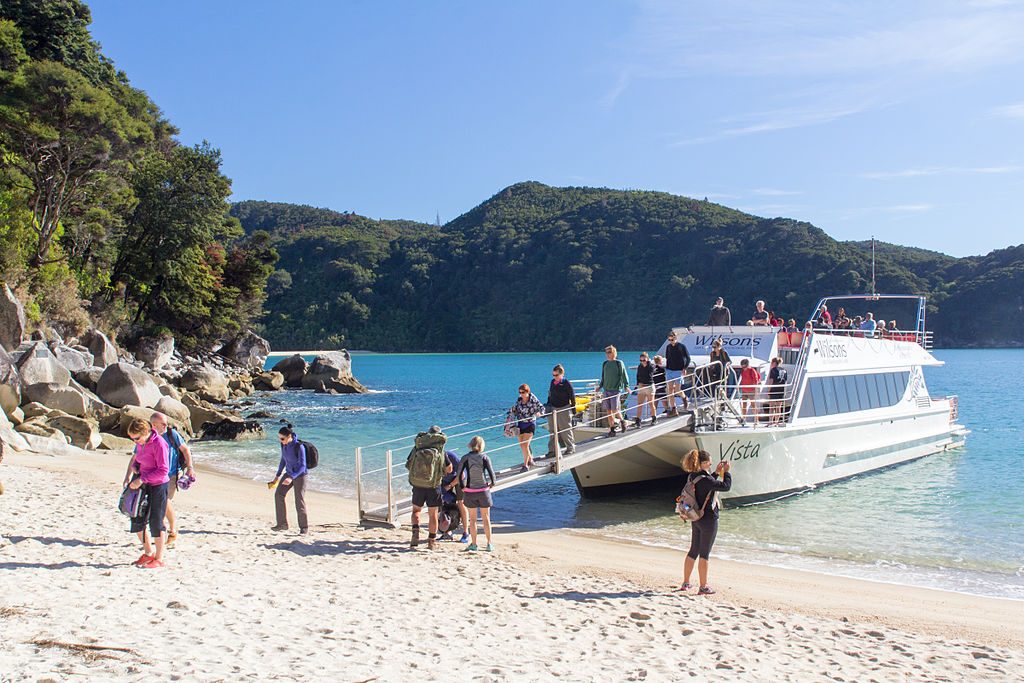
Place · 0.2 mi away
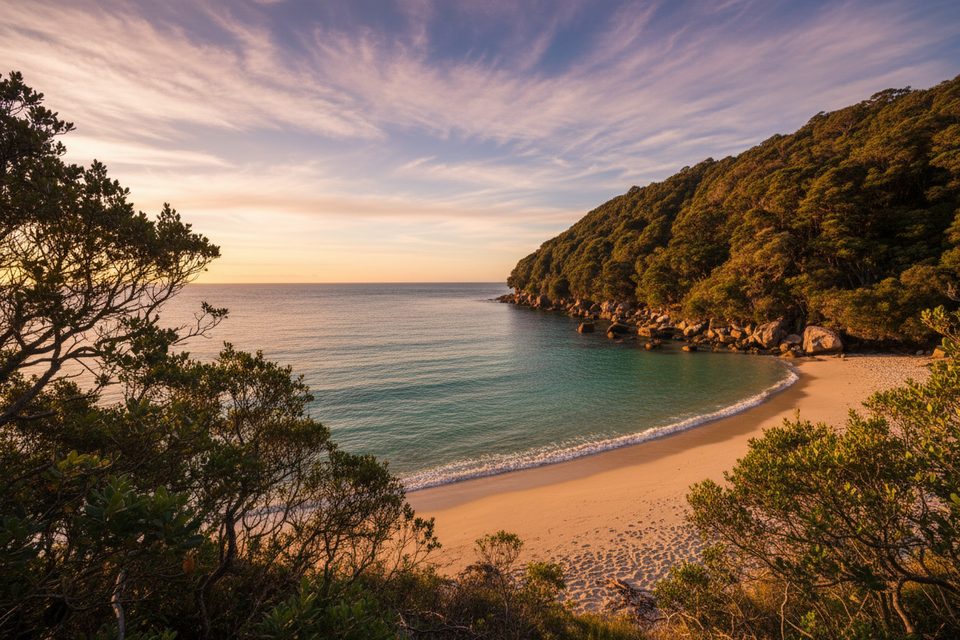
Place · 0.4 mi away
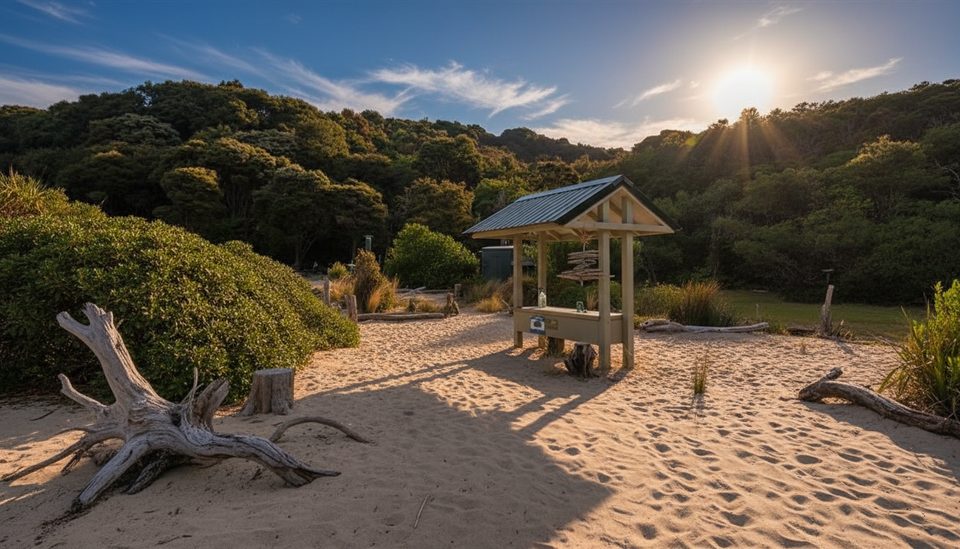
Place · 0.6 mi away
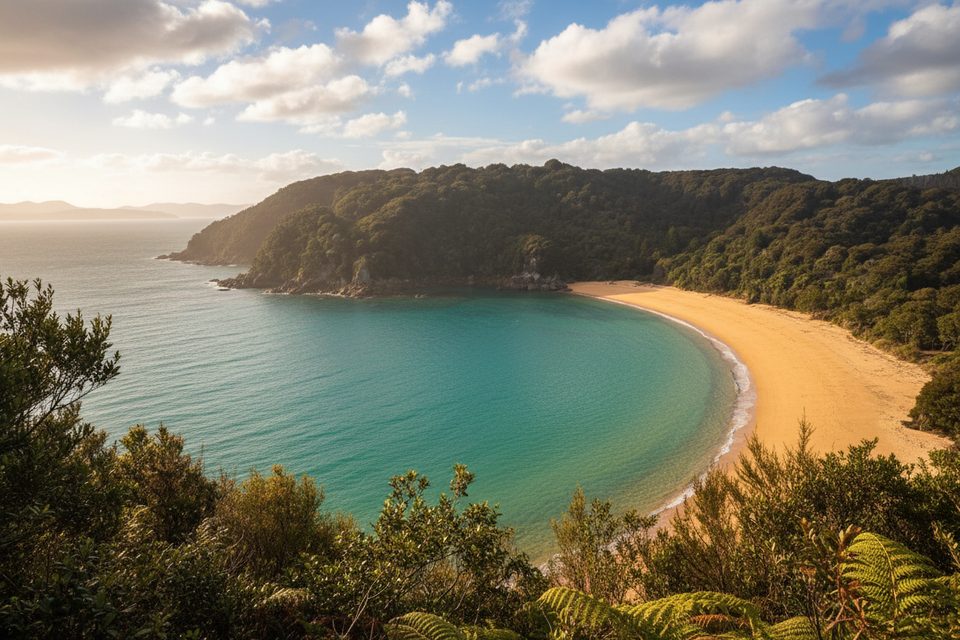
Easy · 2.7 mi away
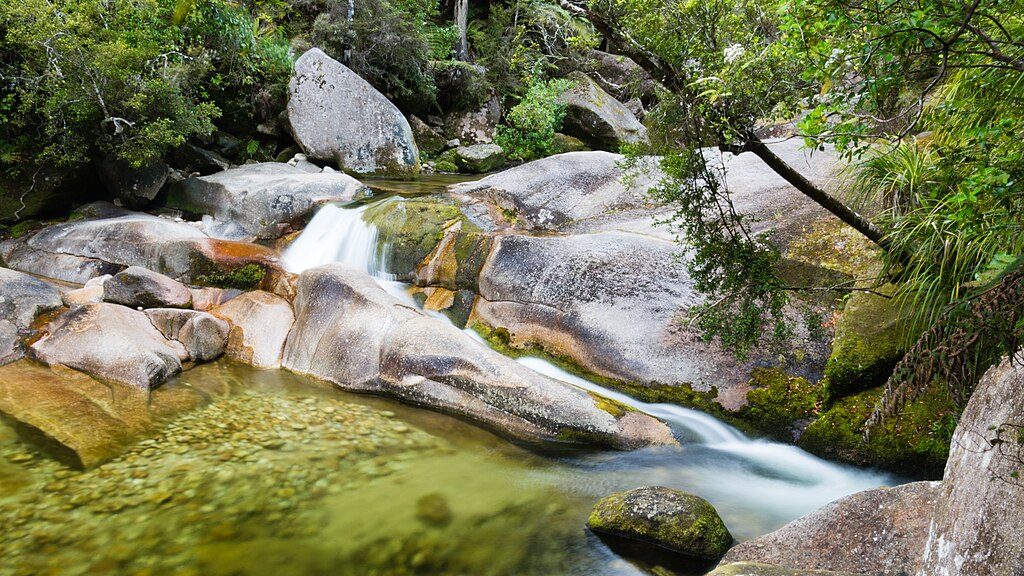
Easy · 2.8 mi away
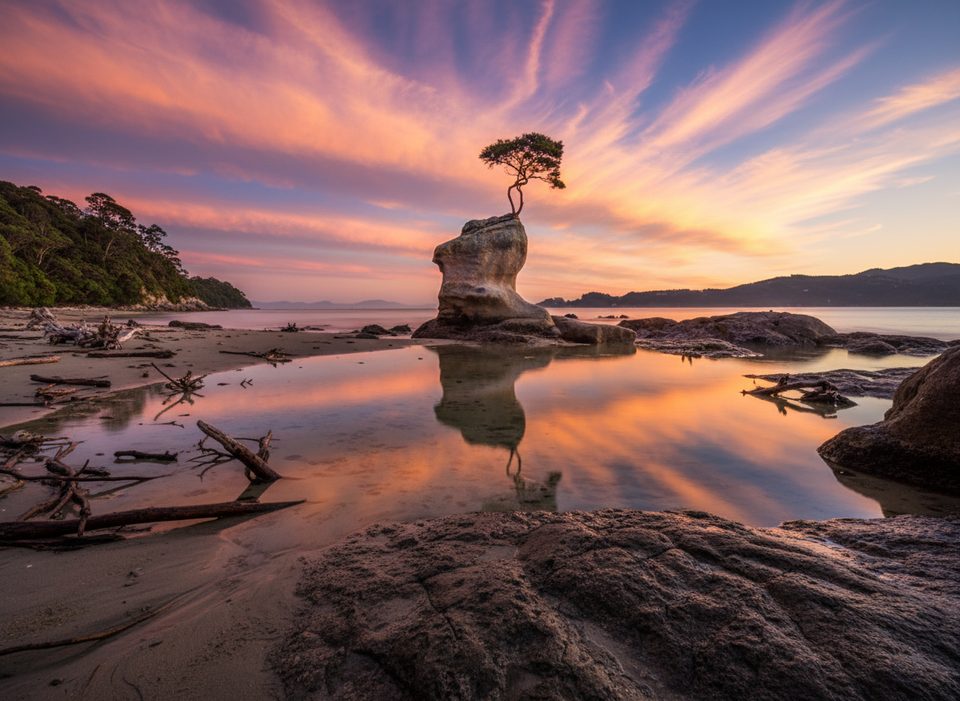
Easy · 5.2 mi away
Moderate · 6 mi away

Parkwolf Tour Guide
