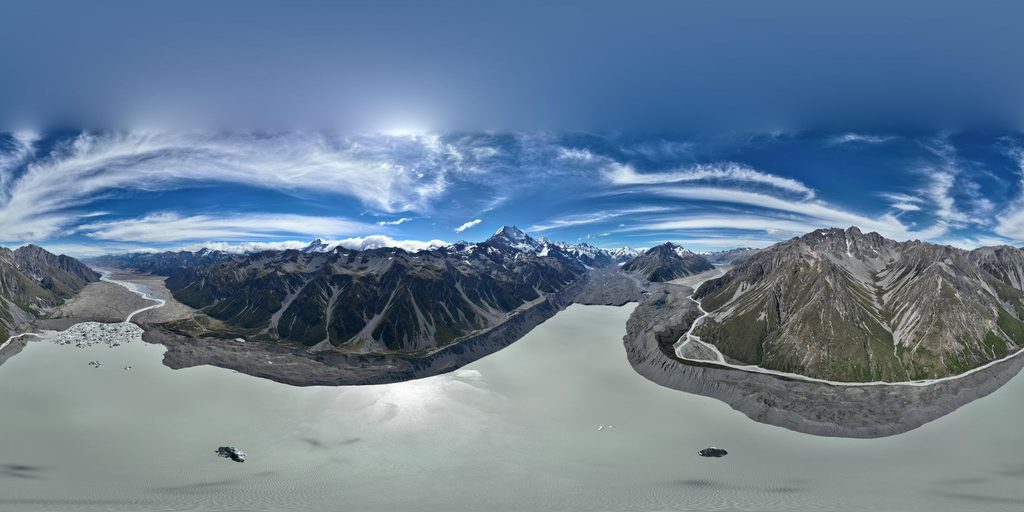
Tasman Glacier Upper Snowfields

High‑alpine snowfield landings on New Zealand’s longest glacier
Tasman Glacier Upper Snowfields, Aoraki / Mount Cook National Park
InsideAoraki / Mount Cook National Park

Overview

High on Haupapa / Tasman Glacier, the Upper Snowfields are a broad, rolling expanse of permanent snow atop New Zealand’s longest glacier. The setting is pure Southern Alps: clean white snow, crevasse‑riven ice, and long views that remind you how much ice this valley still holds.

What Makes It Special

Unlike the debris‑covered lower glacier, the upper reaches stay snow‑blanketed and feel genuinely glacial. Commercial ski‑plane and helicopter operations have been flying here since the 1970s, and guided experiences run the gamut: snow landings, heli‑hiking among ice formations, ice climbing days, and the famed “Ski the Tasman” with two long, scenic descents suited to intermediates.

Access & Logistics

  • Access is typically by helicopter or ski plane from Mount Cook Airport, with a licensed guide. Self‑guided glacier travel isn’t advised due to crevasses, seracs, and rapidly changing conditions.
  • There are no public toilets, bins, or shelters on the snowfields. Treat it as remote backcountry and carry everything you need.
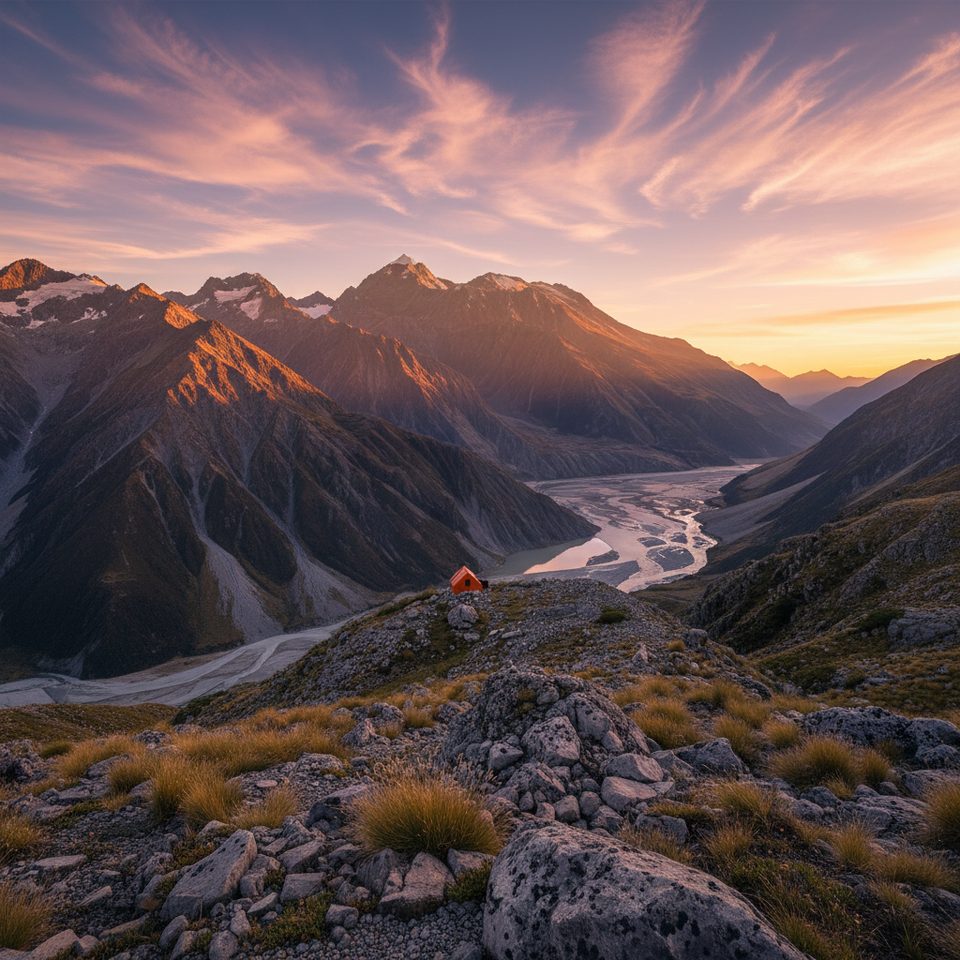
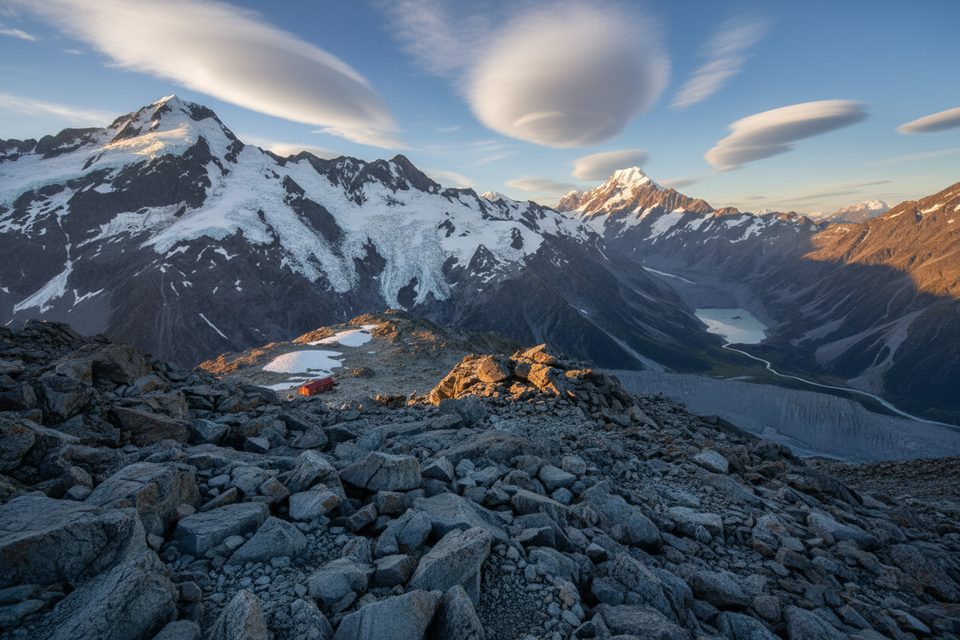
  • Nearest high‑alpine refuge: Tasman Saddle Hut, a DOC serviced alpine hut with bunks and a toilet (basic facilities; no heating). It sits near the snowfields and is used by mountaineers and guided parties.

Seasonality & Conditions

The upper glacier accumulates immense snowfall in winter and spring, and conditions change fast year‑round. Trips are weather‑dependent—operators will shift timings or landings to match windows of safe flying and snow stability.

Experiences You Can Book

  • Snow landings by helicopter or ski plane for quick “step onto the glacier” moments and photos.
  • Heli‑hiking to explore ice caves, blue crevasses, and serac fields.
  • Ice climbing days on glacier ice with technical instruction.
  • “Ski the Tasman” for two long, scenic runs on mellow glacial terrain.

Safety Basics

  • Go with professional guides for any glacier surface travel. Crevasses and hidden hazards are real.
  • Pack layers, sun protection, food, and water; expect alpine wind and sudden weather shifts.
  • Pack out all waste.

If You’re Not Flying

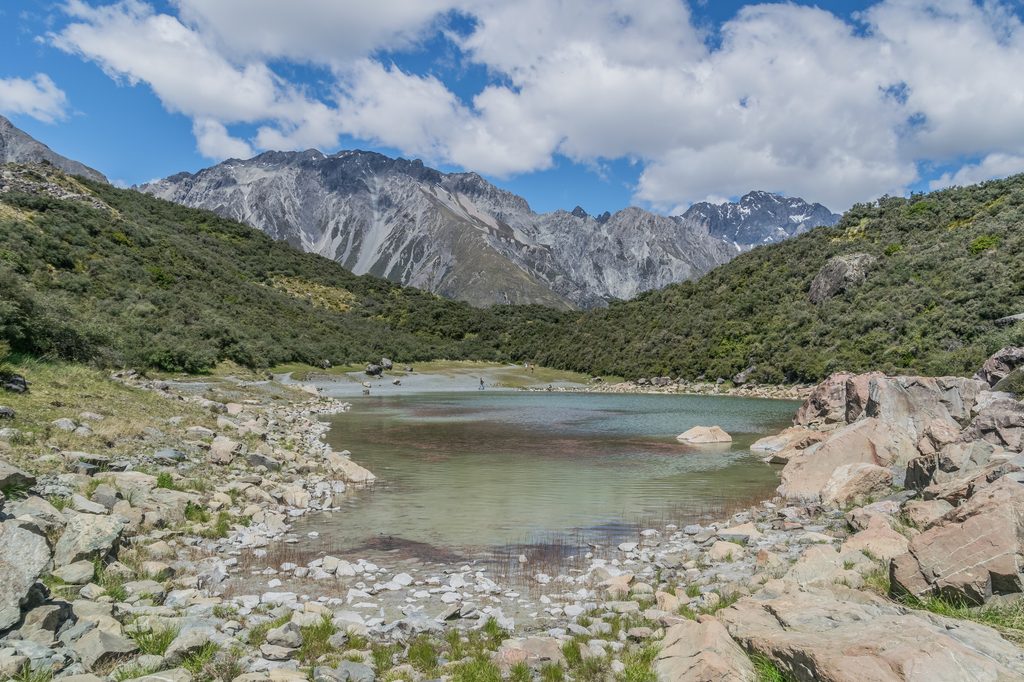
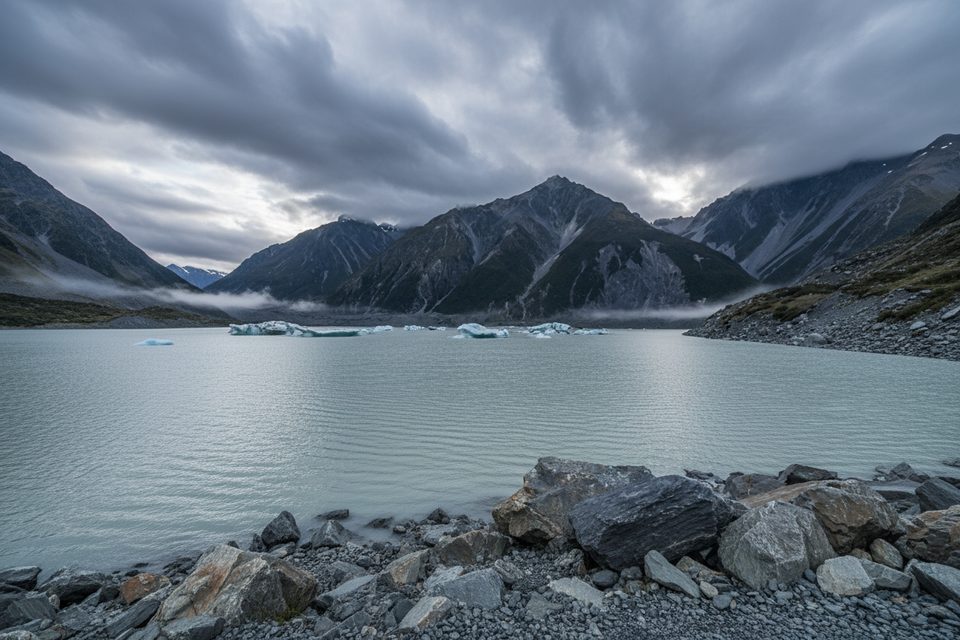
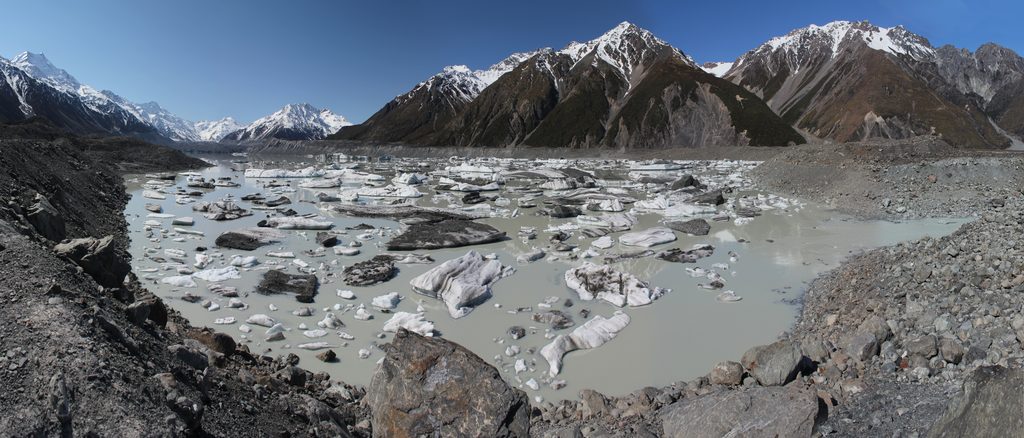
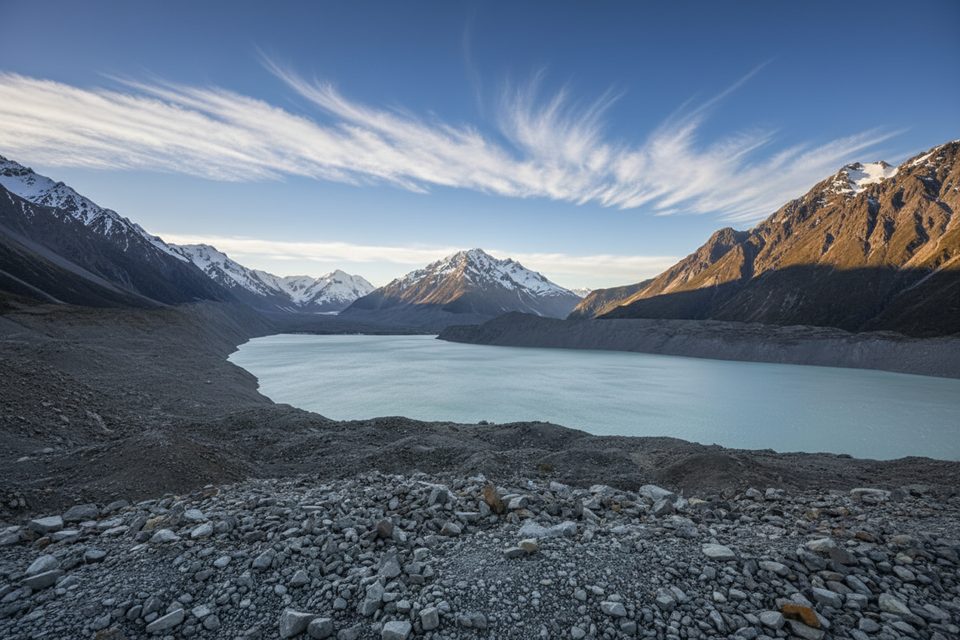
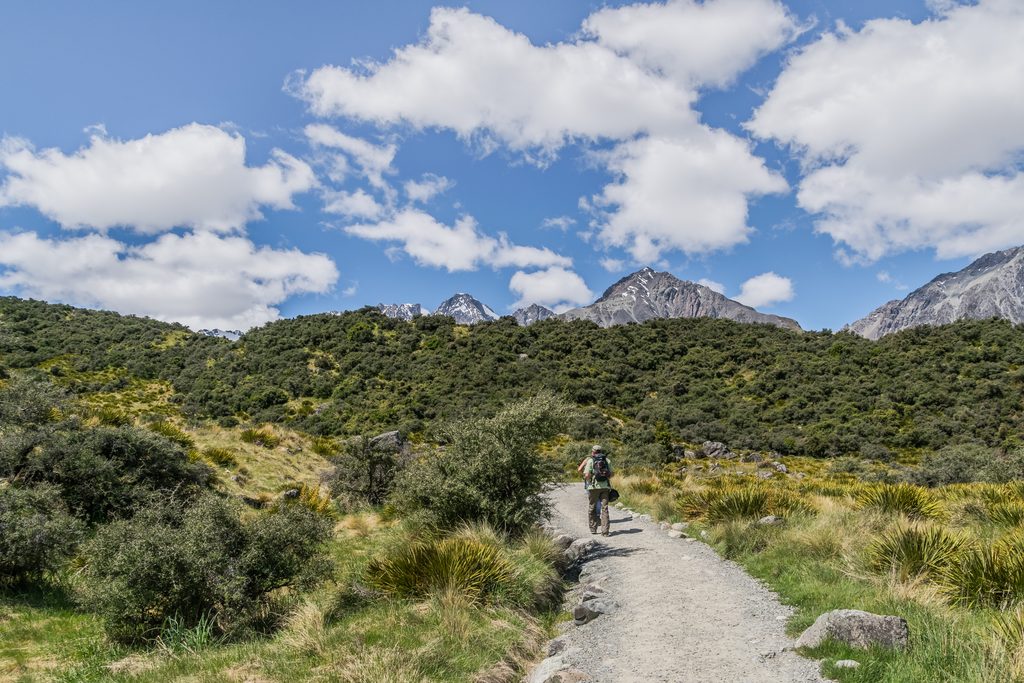
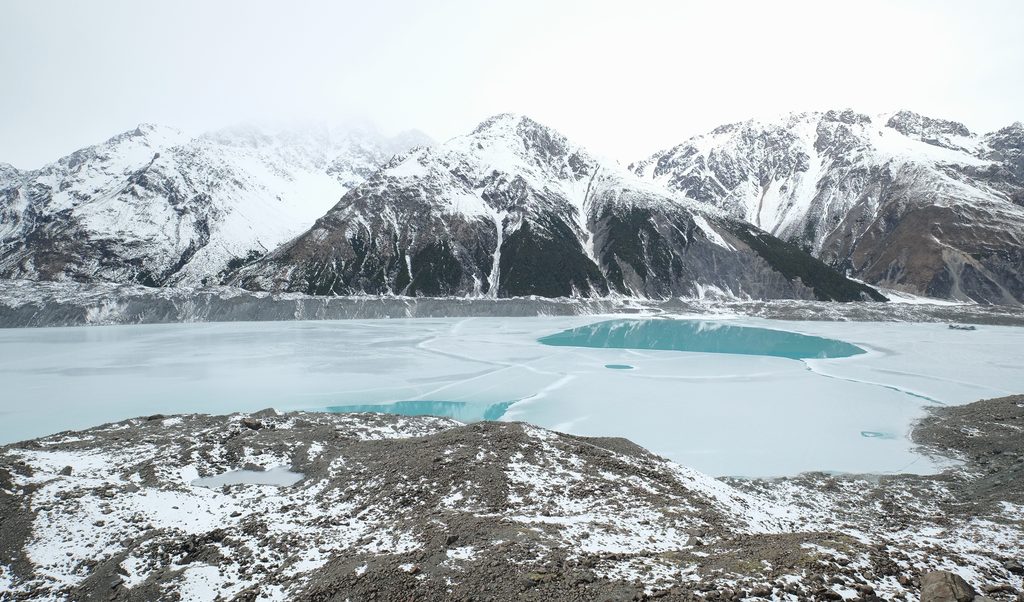
Prefer to keep your feet on terra firma? The valley tracks from the Blue Lakes/Tasman car park reach viewpoints over Tasman Lake and the glacier’s snout, and the lake track leads to the jetty used by boat and kayak tours that approach icebergs.

Best Time to Visit

Plan your snowfields day early in your trip to allow flexibility—operators often shuffle departures around weather windows. There’s no shade or facilities on the glacier, so bring layers in any season and be ready for strong sun on snow.

Pros

  • Helicopter or ski‑plane landings put you directly on the glacier
  • Big, mellow snowfields with dramatic alpine scenery and ice features

Cons

  • No on‑site facilities; fully pack‑in/pack‑out
  • Highly weather‑dependent and generally guide‑only access

Tips

  • Book a guided trip and keep your schedule flexible—weather rules everything.
  • There are no facilities on the glacier; carry all food, water, and layers.
  • Sunglasses and high‑SPF sunblock are essential with snow glare.
  • For ground‑based views, add the Tasman Glacier View Track and lake jetty.
The Parkwolf tour guide sitting on a phone mounted in a car

Parkwolf Tour Guide

Like a tour guide in your car.

Save the places you found around Aoraki / Mount Cook, then let Parkwolf guide the drive between them.Download Parkwolf on the App Store