Blue Lakes

Easy detour to swimmable alpine pools in the Tasman Valley
Blue Lakes, Aoraki / Mount Cook National Park
InsideAoraki / Mount Cook National Park

Overview

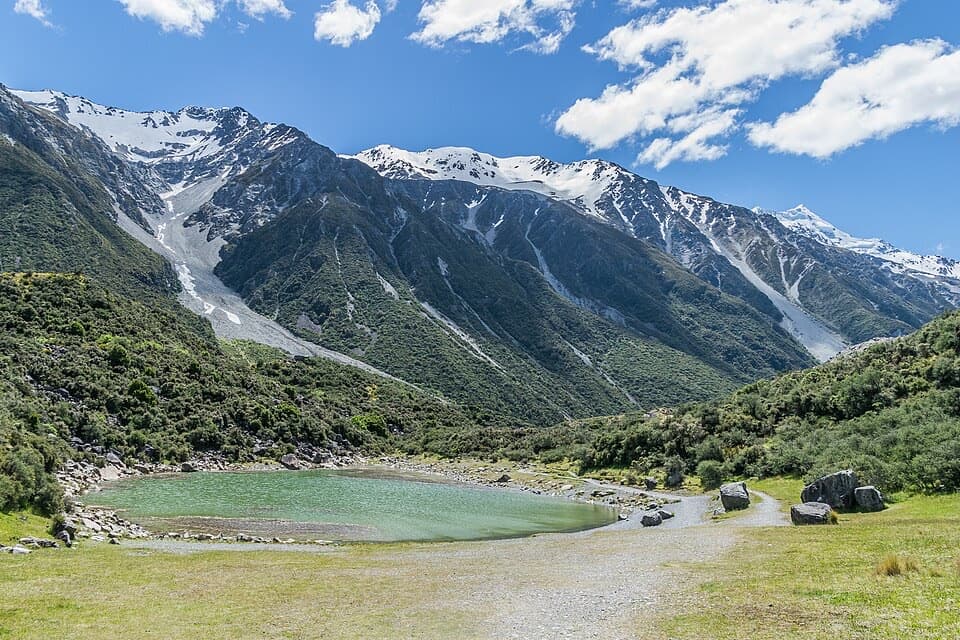
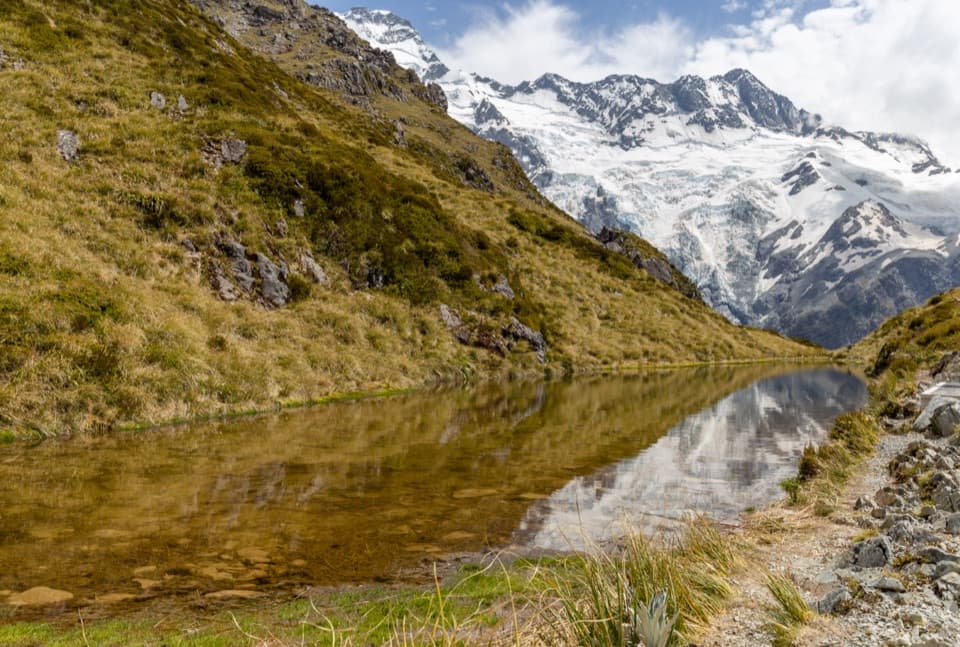
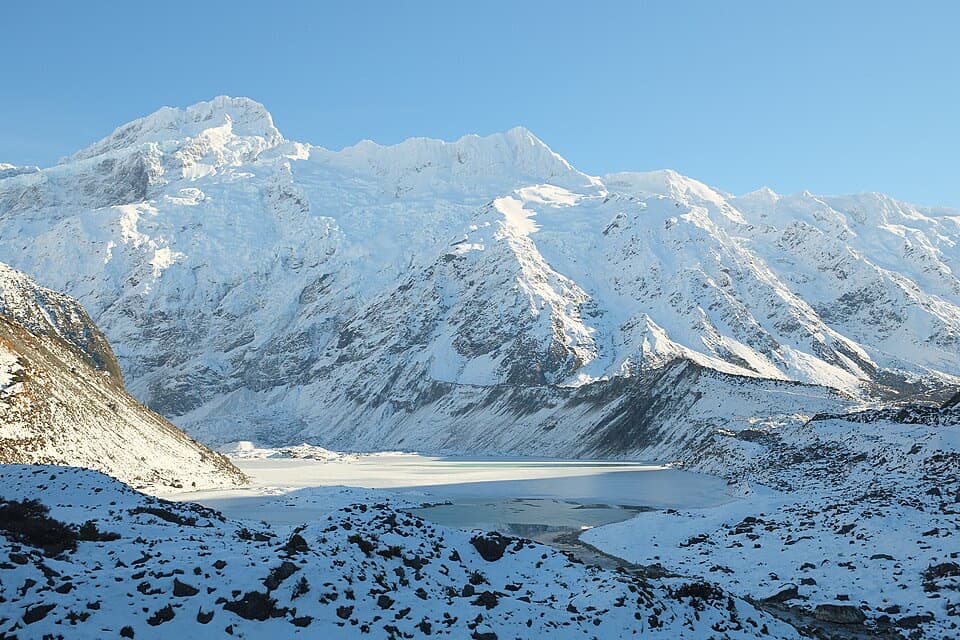
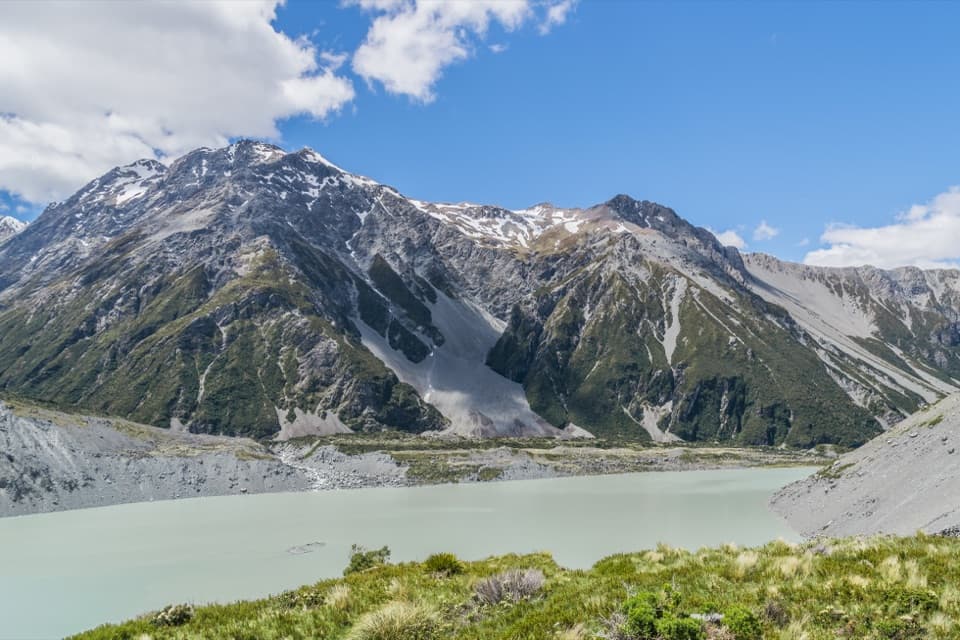
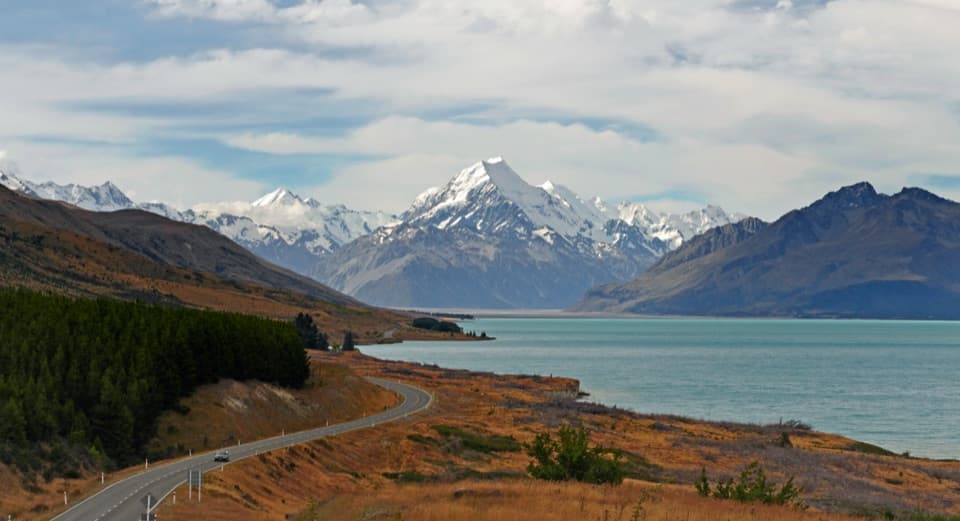
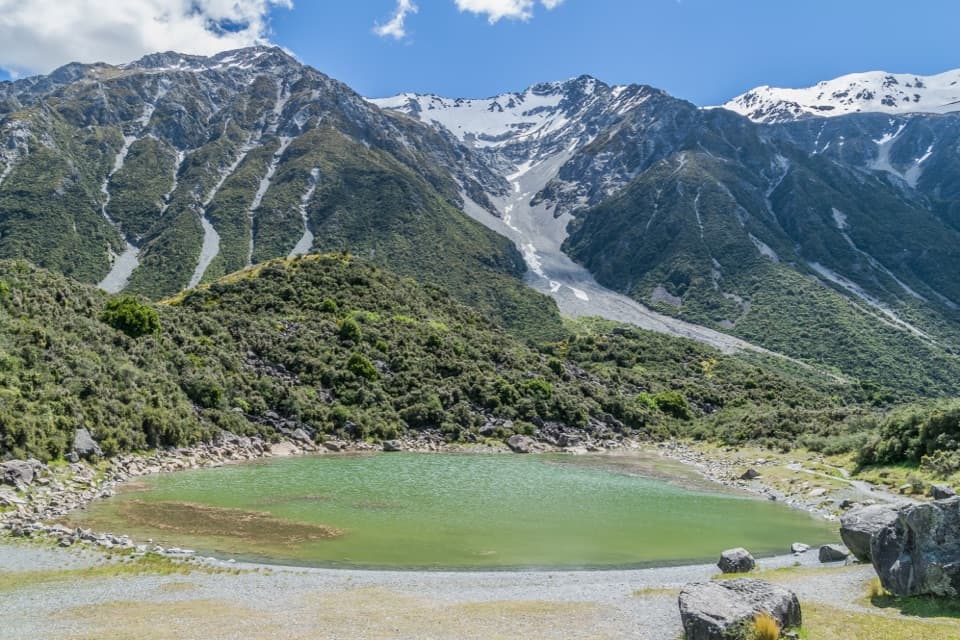
Tucked beside the Tasman Valley road end, the Blue Lakes are a quick detour that feels different from the big, wide glacier views nearby. Don’t expect neon blue—these ponds now skew green thanks to algae and the loss of direct glacial inflow. What you do get is a calm, sheltered basin that’s an easy win if you’re already headed to the Tasman Glacier lookouts.

What You'll See

  • Small kettle‑style lakes nestled in moraine hummocks.
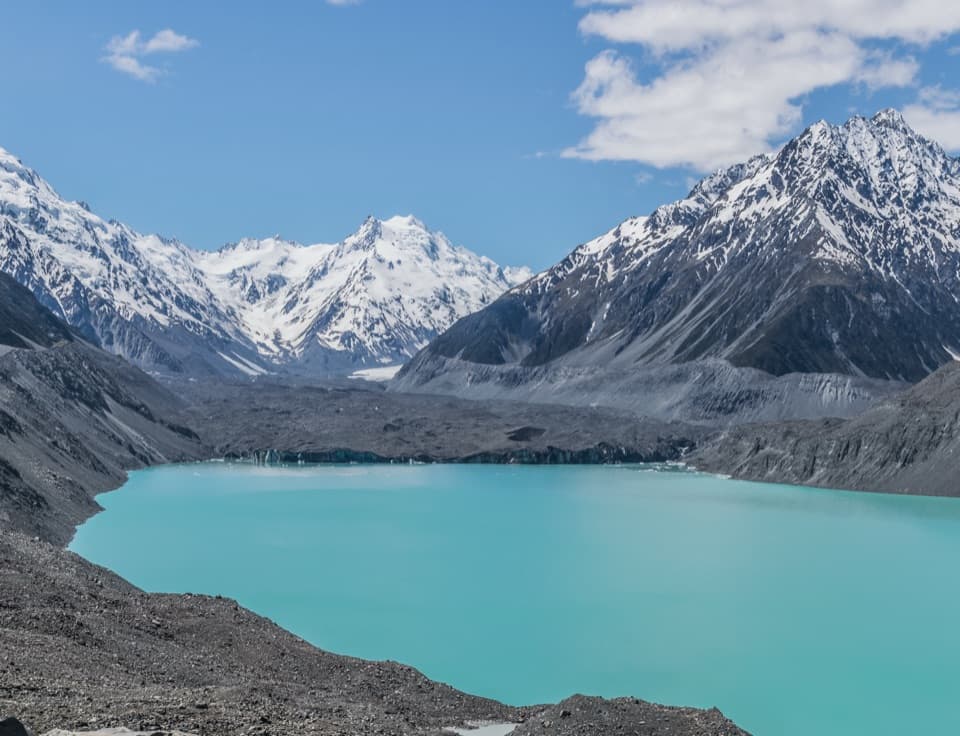
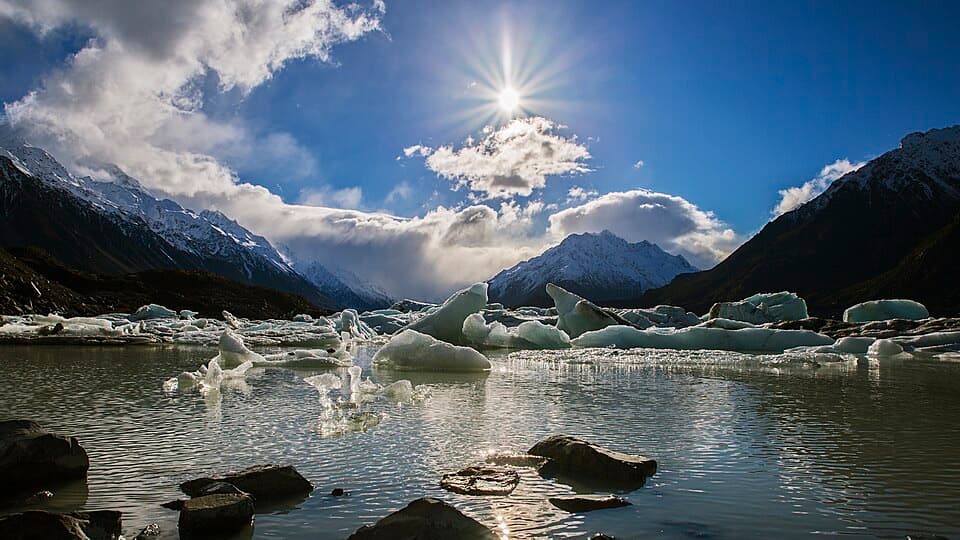
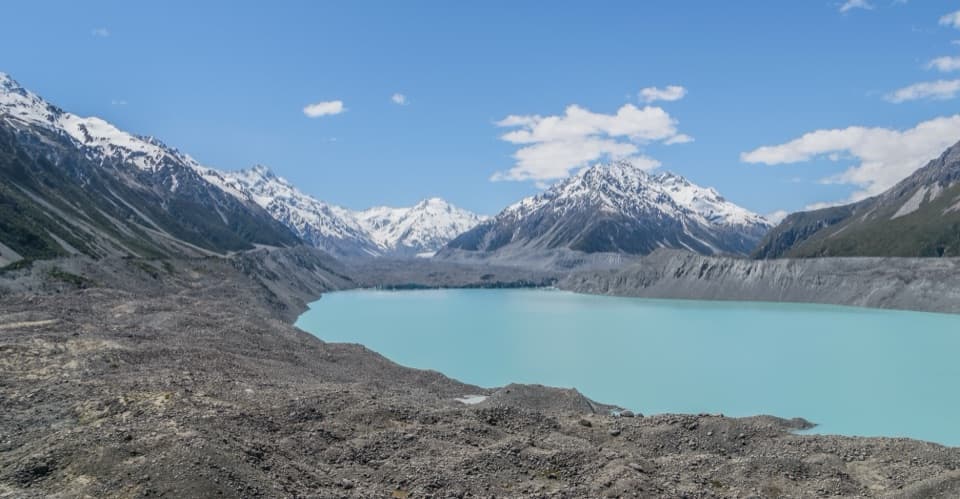
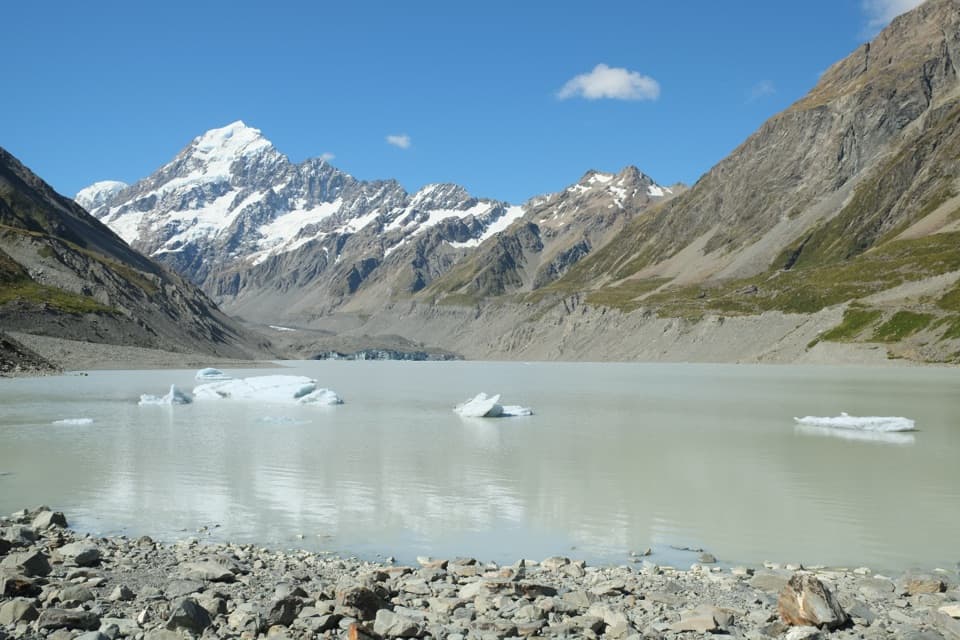
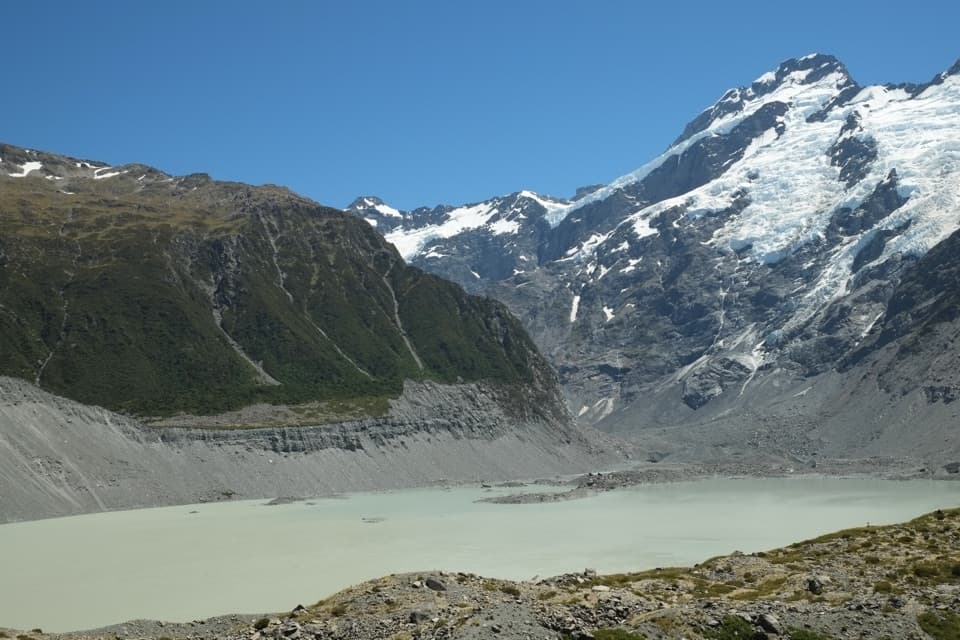
  • Clear views across the basin to rugged debris slopes and, if you continue higher on the main track, big perspectives of Haupapa/Tasman Glacier and its iceberg‑dotted lake.
  • In summer, people cooling off with a quick dip in the Blue Lakes.

Getting There & The Walk

From the end of Tasman Valley Road, park at the single car park that serves all tracks here. A well‑formed gravel path with some stairs leads toward the Tasman Glacier viewpoints, with a short signed spur to the Blue Lakes. Expect easy walking overall, but the spur can have overgrown thorny sections and a little rock‑hopping. Facilities (toilets and a small shelter) are at the car park, not at the lakes themselves.

Why the Color Changed

These pools were fed by glacial meltwater decades ago, which kept them vividly blue. As the hydrology shifted and the direct glacial feed dropped away, algae and fine sediments took over the palette—hence today’s green tones. It’s a neat, close‑up look at how fast glacier landscapes evolve.

Wildlife & Plants

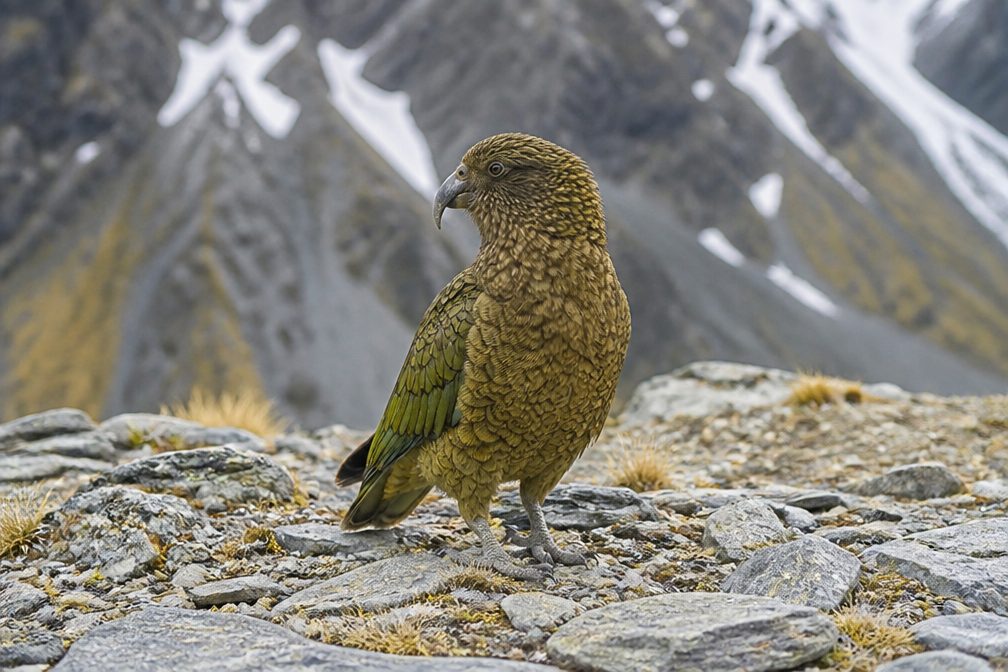
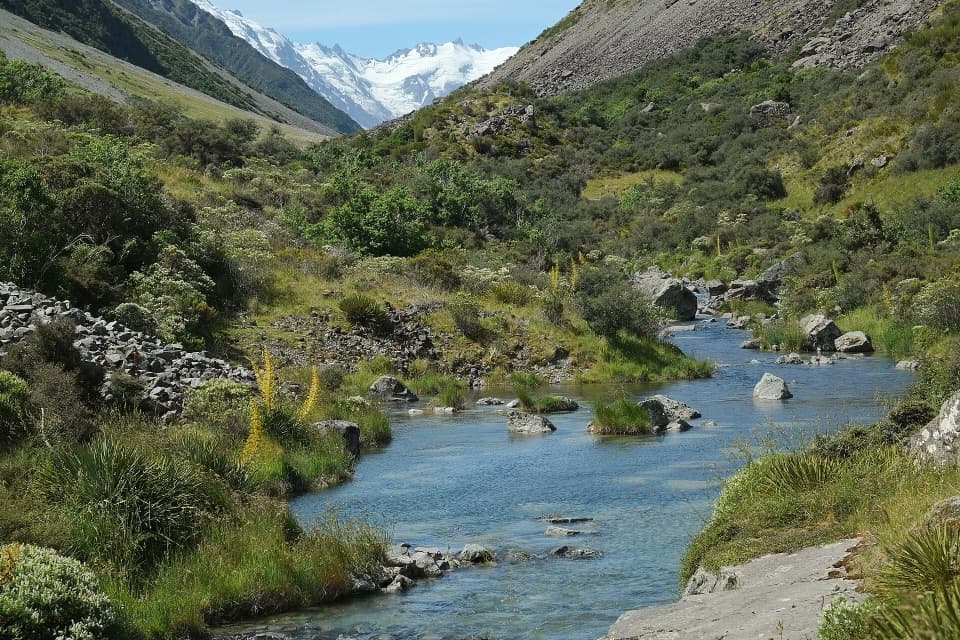
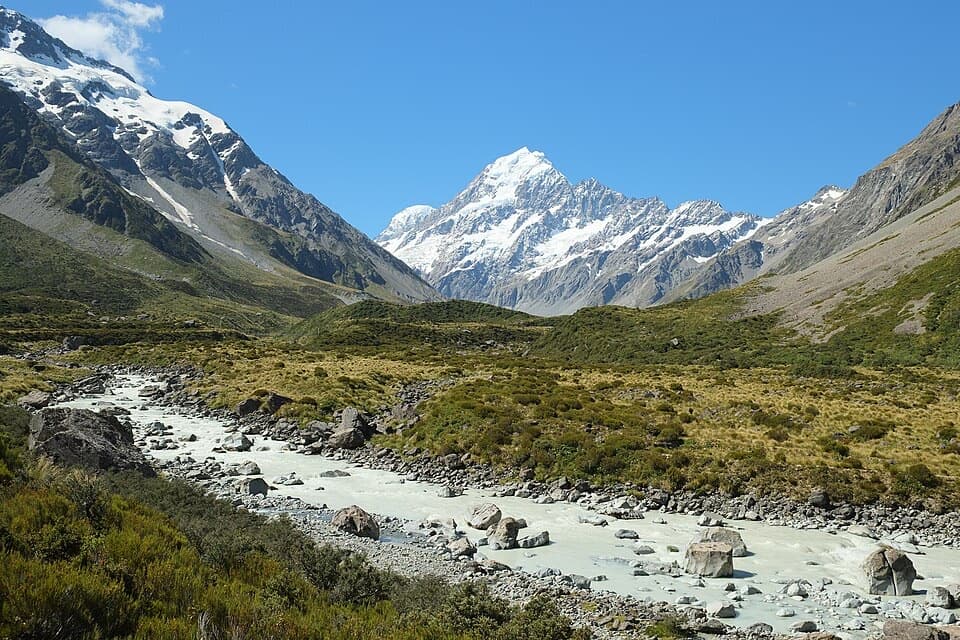
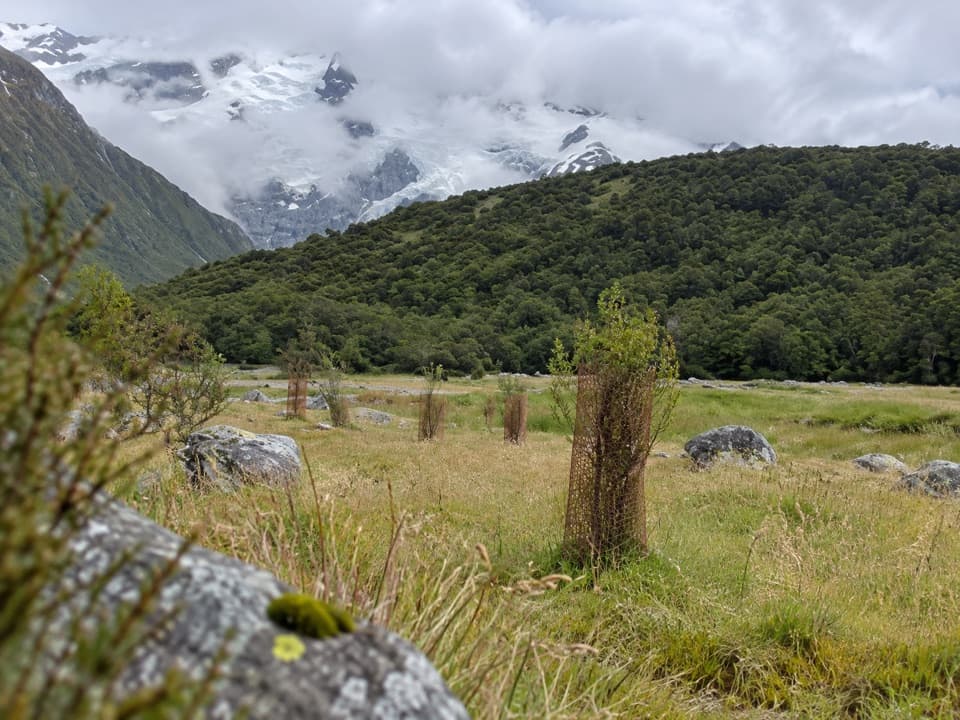
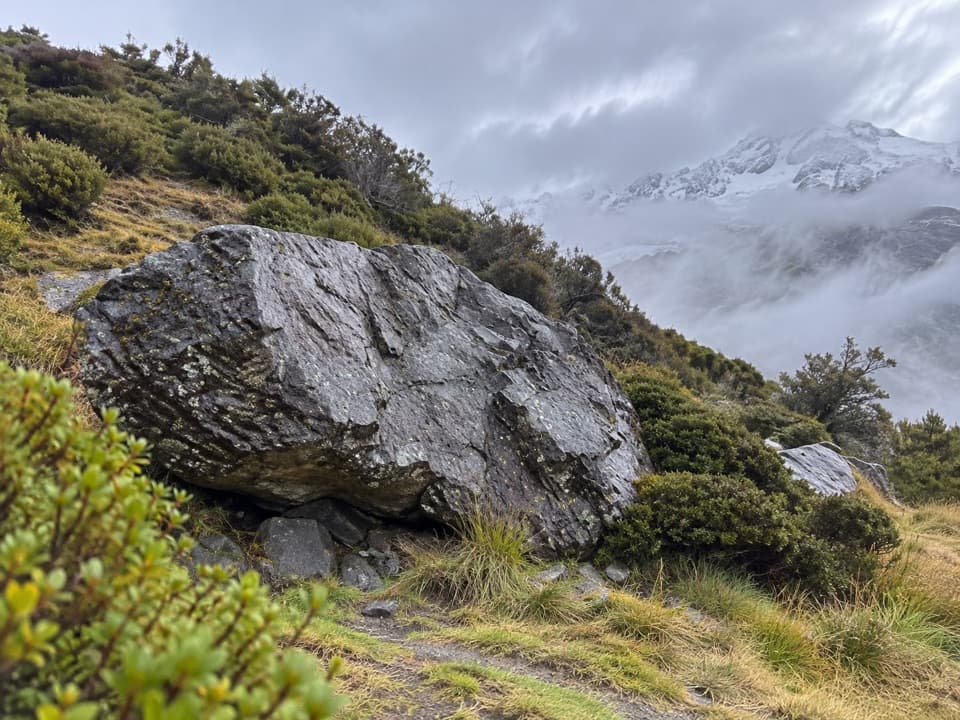
Around the valley floor and track margins, look for hardy shrubs like matagouri and koromiko, and keep an ear out for alpine birds—kea in the wider area, pipits along the paths, paradise shelducks near water, and black‑fronted terns over the braided Tasman River flats.

Best Time to Visit

  • Start early if you want the area quieter; this road end is popular.
  • Summer is best for a swim at the Blue Lakes (swimming is not permitted in Tasman Lake, and its water is dangerously cold).
  • Weather turns fast in this alpine basin, and the tracks are exposed—sun protection and an extra layer pay off any time of year.

Practical Notes

  • Footing: mostly gravel with steps; can be slick when wet or icy.
  • Combine it: the Blue Lakes are a quick add‑on en route to the higher moraine viewpoint for the big glacier-and-iceberg panorama.
  • Drones: recreational use isn’t allowed in the national park without a permit, and you should never climb on icebergs or frozen lake surfaces.

Pros

  • Short, easy spur from the Tasman Valley car park
  • Refreshing summer swimming spot among alpine moraines
  • Easy to pair with Tasman Glacier viewpoints from the same stop

Cons

  • Despite the name, the water is often green due to algae
  • Spur track can be scratchy and involve a bit of rock‑hopping

Tips

  • Start early to avoid the busiest window at the Tasman Valley road end.
  • Bring sun protection and water—the tracks here are exposed.
  • Wear long pants for the Blue Lakes spur; thorny shrubs line parts of it.
  • For the grand glacier panorama, continue up to the moraine viewpoint from the same car park.
  • Do not swim in Tasman Lake; if you want a dip, use the Blue Lakes in summer.
The Parkwolf tour guide sitting on a phone mounted in a car

Parkwolf Tour Guide

Like a tour guide in your car.

Save the places you found around Aoraki / Mount Cook, then let Parkwolf guide the drive between them.Download Parkwolf on the App Store