
Place · 1 mi away
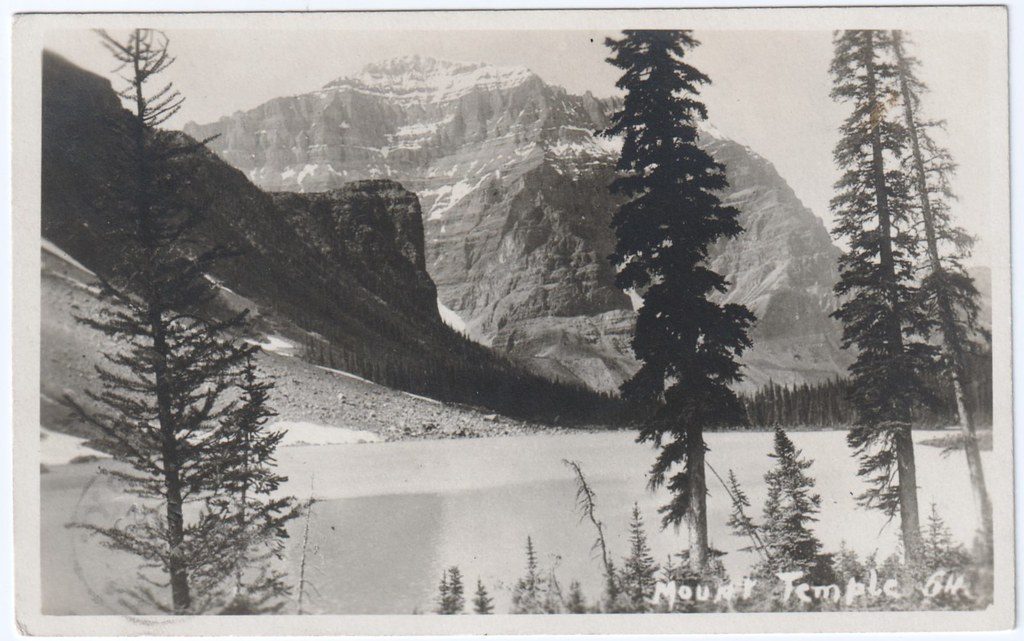
Mount Temple is the crown of the Lake Louise/Moraine Lake skyline, rising to 3,543 m and offering one of the Rockies’ great day-summit experiences. It’s a big, committing scramble that rewards effort with sweeping views of the Valley of the Ten Peaks, glacial basins, and the vivid blue of Moraine Lake far below.
Temple’s hulking north face and mile-wide walls make it a true alpine giant—often nicknamed the Eiger of North America. Unlike many peaks of this size, there’s a popular non-technical route, so strong hikers and scramblers can stand on a serious summit without roped climbing. The mountain is built of bands of shale, quartzite, and limestone, giving the upper route its mix of ledges, gray rock bands, and loose rubble. The area often sees more stable summer weather than farther north in the range, but mountain conditions still change fast.
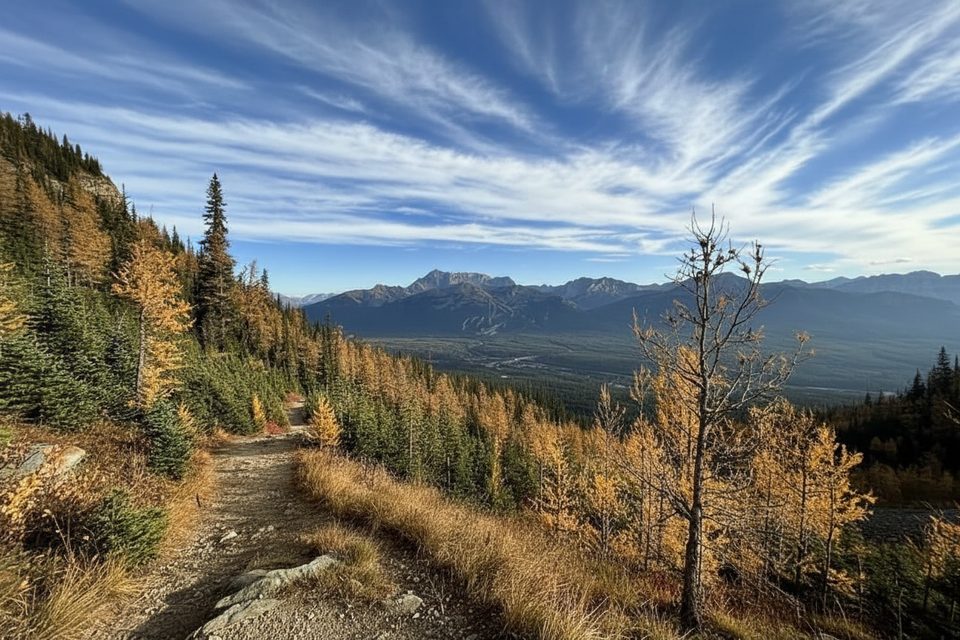
Most parties start at Moraine Lake, hike Larch Valley toward Sentinel Pass, then leave the maintained trail for steeper alpine terrain. Expect about 16 km round trip with roughly 1,670–1,690 m of elevation gain, taking 7–12 hours. Above Sentinel Pass, the path becomes hands-on in places, with short rock-band scrambles and stretches of loose scree.
This is active grizzly habitat. Parks Canada sometimes enforces group-size restrictions on the approach trails; plan to join or form a group at the trailhead if required. You may also see (or hear) the usual alpine locals—pikas, marmots, and mountain goats—higher up.
Temple’s biggest objective hazard is rockfall, often triggered by people above you. Wear a helmet and space your group away from others. The upper mountain can hold lingering snow; early or late in the season you’re juggling firm snow, ice, and potential avalanche concerns—check dedicated mountain forecasts and bulletins before committing.
Access is via the wildly popular Moraine Lake area. Parking is notorious for filling early in summer; using the Parks Canada shuttle is strongly recommended. The winter gate on Moraine Lake Road typically limits vehicle access for much of the year, so Temple has a short, true summer window. Carry all water and food you’ll need; there are no services on-route.
Mid-July through September is the sweet spot—after seasonal snow has melted. Go on a clear, calm day. Weekdays see fewer people. Start early to secure your shuttle/parking and to give yourself a wide weather window; mornings also bring cleaner, crisper air for photography over Moraine Lake.
Named in 1884 for Sir Richard Temple; first climbed in 1894, the first ascent of an 11,000‑foot peak in the Canadian Rockies. It remains a classic objective for fit, experienced hikers and scramblers who respect alpine hazards and plan well.
Place · 1 mi away
Place · 1.1 mi away
Place · 1.3 mi away
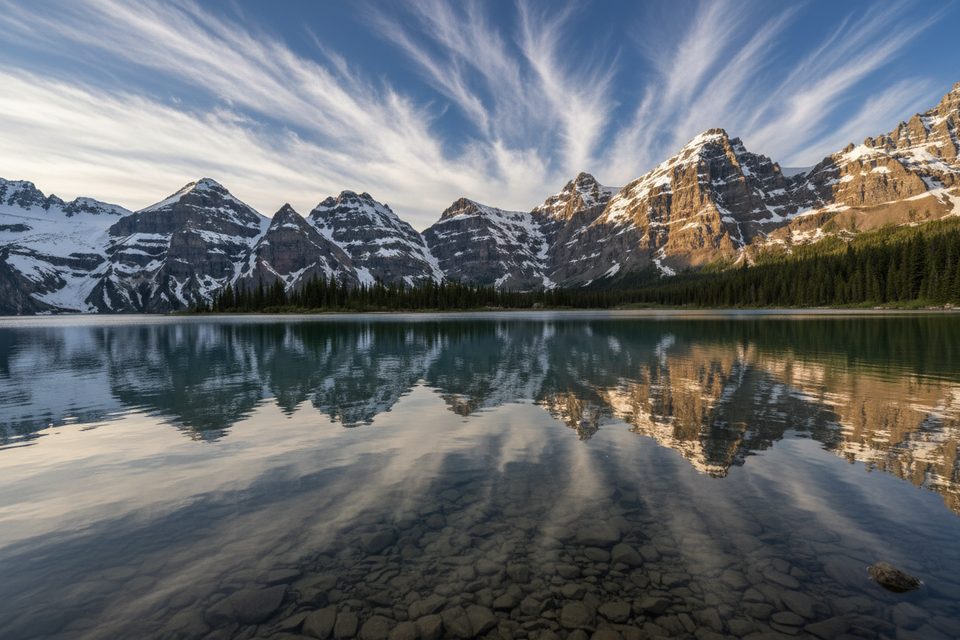
Place · 1.3 mi away
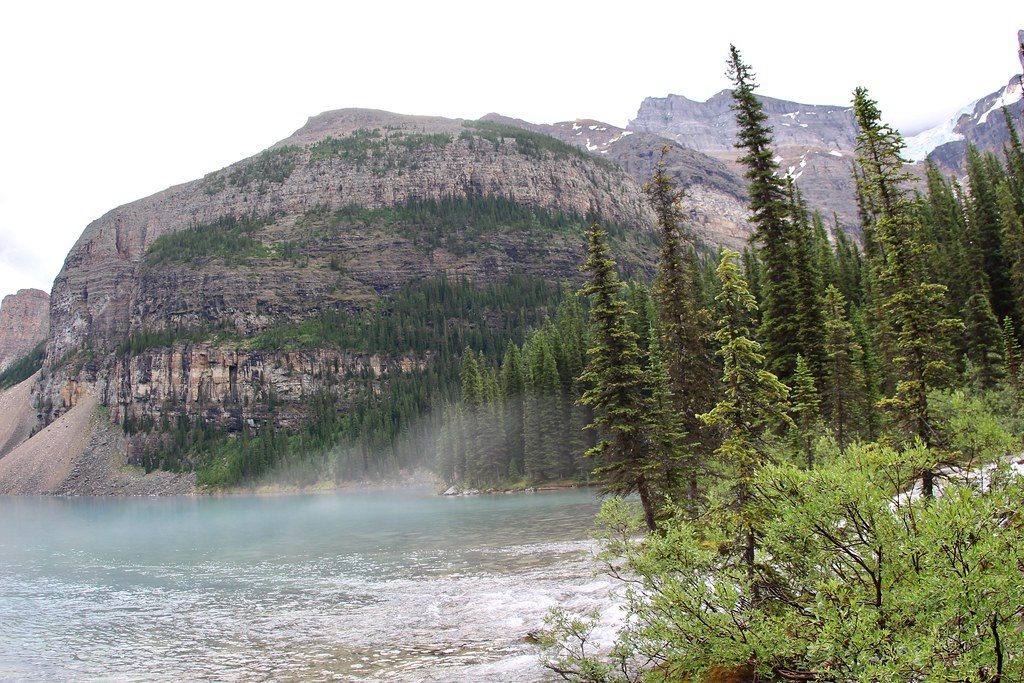
Easy · 1.9 mi away
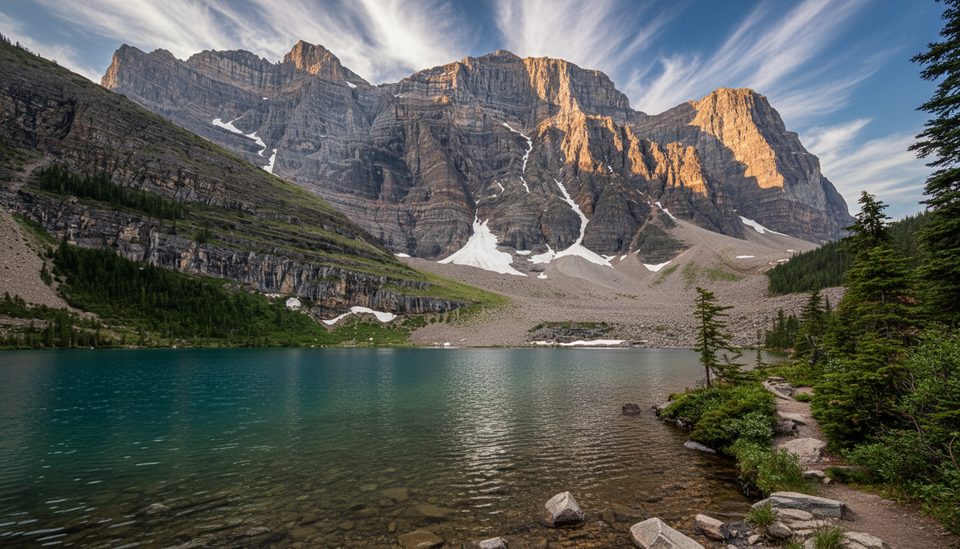
Moderate · 3.4 mi away
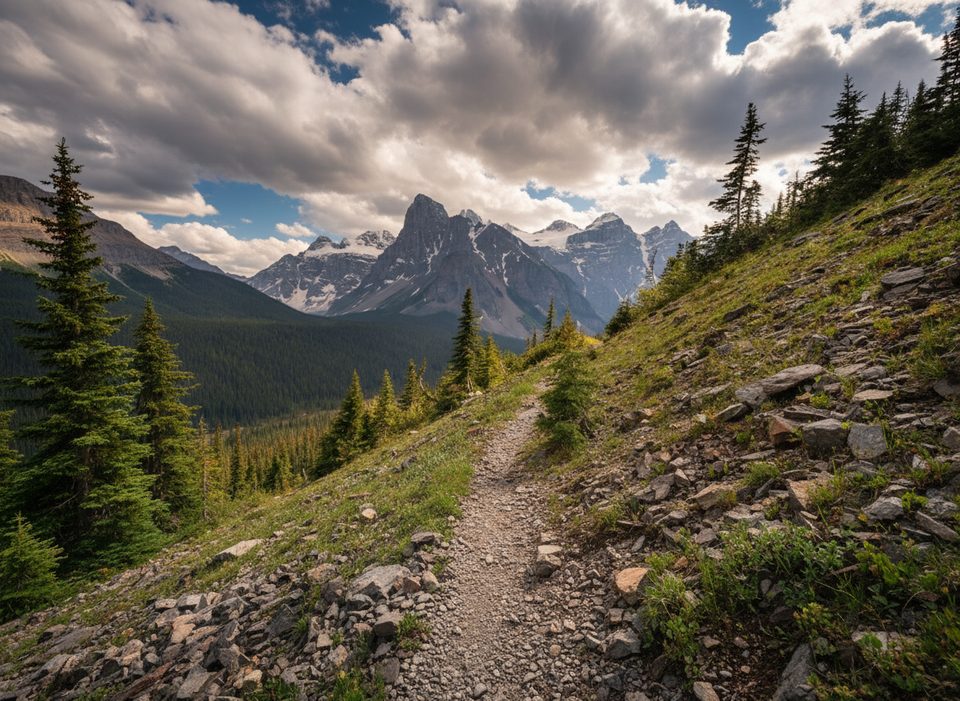
Challenging · 3.4 mi away
Moderate · 3.4 mi away

Parkwolf Tour Guide
