
Place · 1 mi away
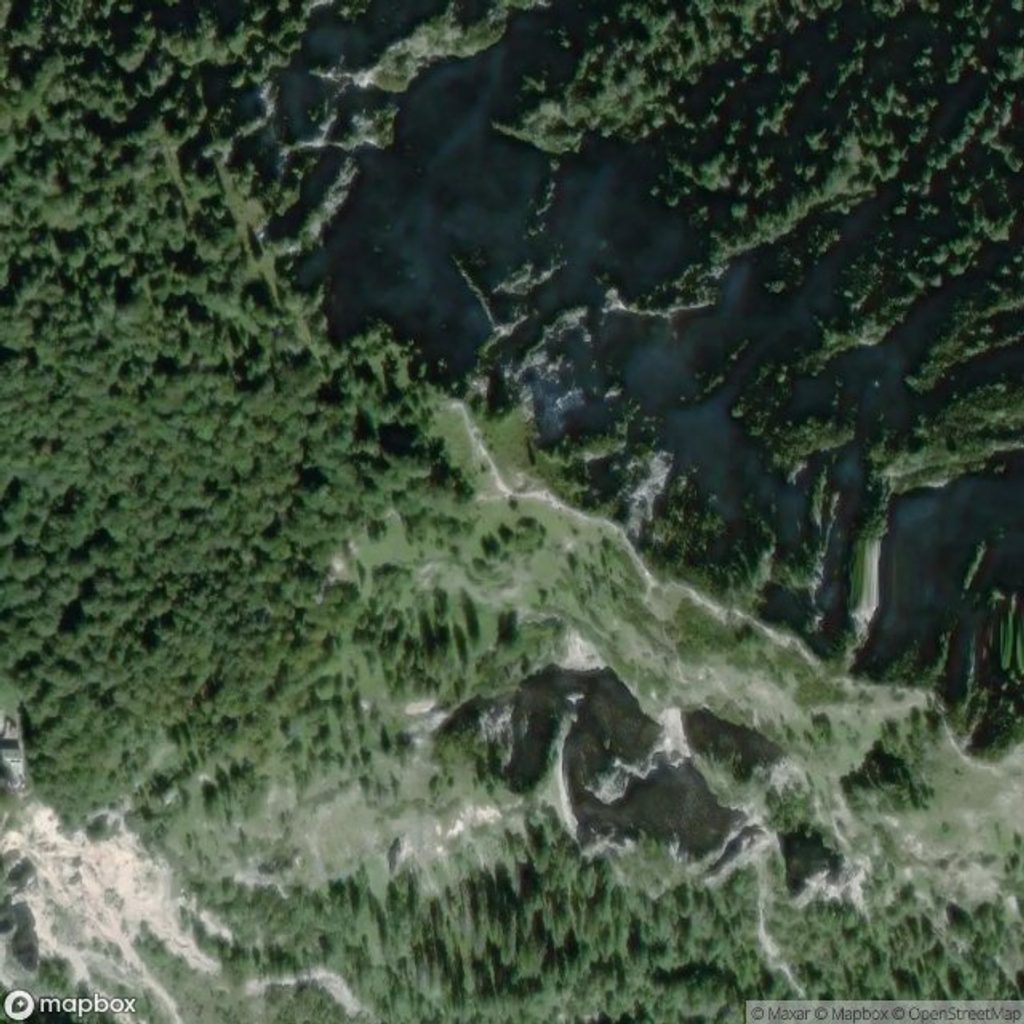
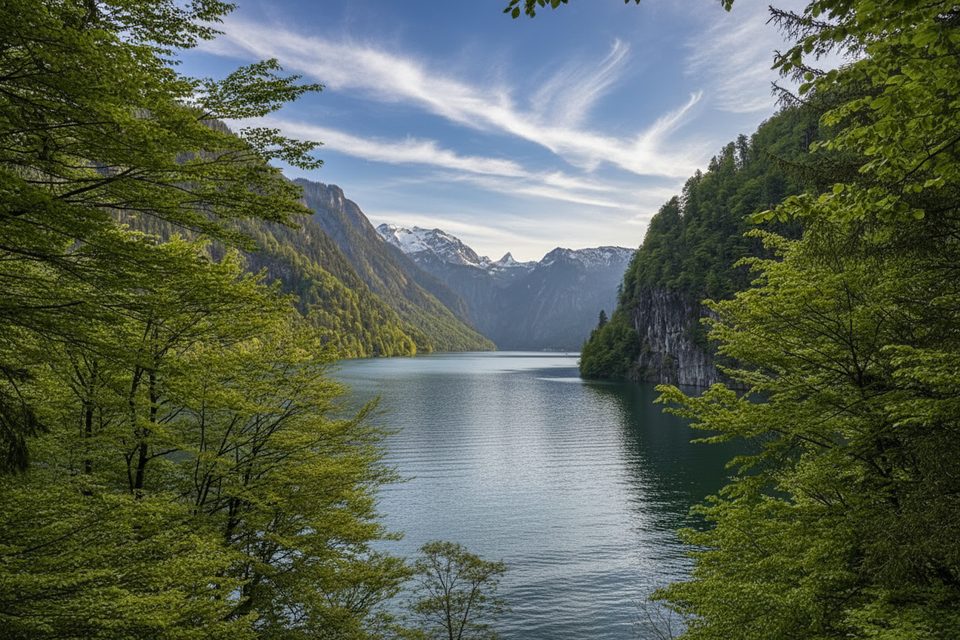
Grünstein (1,304 m) is the little peak that punches way above its weight. It sits above Königssee and delivers the big‑mountain panorama—Watzmann, the lake, and the Berchtesgaden Alps—without committing to an all‑day sufferfest. A staffed hut (Grünsteinhütte, 1,220 m) sits just below the summit, making this a rewarding half‑day or relaxed day out.
Trails are well‑marked but expect steady gradients and some rocky/rooty sections.
If you’re kitted and experienced, the Grünstein Klettersteig offers four variants that merge near a suspension bridge: Isidor (C), Räuberleiter (D/E), Hotelroute (D/E), and the “Intersport Renoth” Gipfelwand (D+/E). A full via ferrata setup and know‑how are mandatory. Seasonal closure typically runs from early November to the end of March, conditions permitting.
Grünsteinhütte is the classic midpoint reward—think warm meals (typically 11:00–17:00), drinks, and Bavarian staples like Speckbrot or Kaiserschmarrn when in season. In 2025 the usual range was mid‑April through late October (generally 09:00–18:00). From the hut, it’s roughly 15 minutes to the summit.
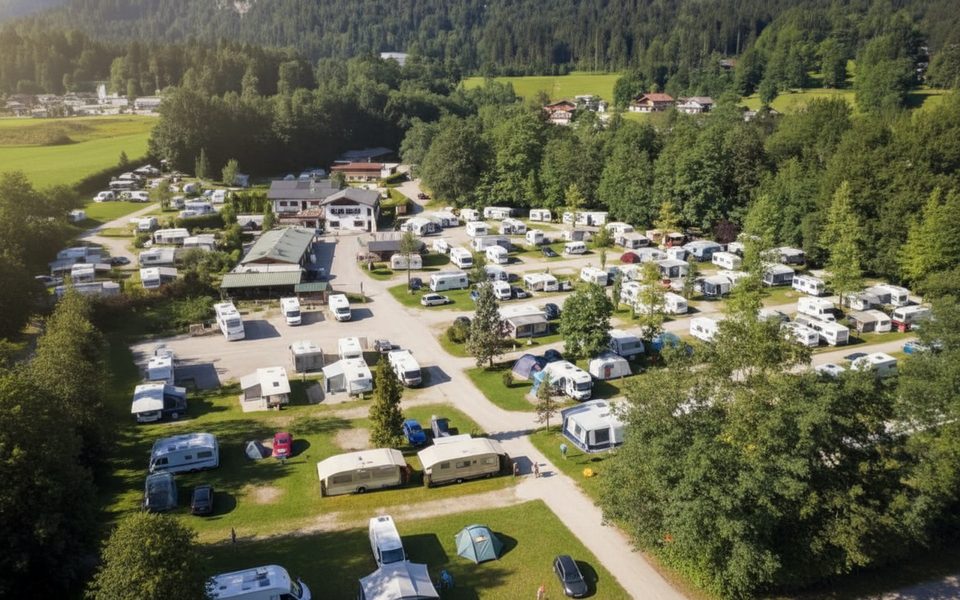
Paid parking is straightforward: Königssee large lot (€9/day), Hammerstiel (€6/day), and Hinterbrand (€6/day). Payment is typically via Parkster‑App, card, or coins. Restrooms are available at the Königssee large parking area (including next to Tourist Information), at Hammerstiel, and at Hinterbrand; on the mountain, plan on using hut facilities when open. Don’t expect running water at trailheads—bring what you need.
From Berchtesgaden station, regional RVO buses run to Königssee; with a local spa card (Kurkarte), many visitors ride these buses at no extra cost. From the stop, it’s a short walk to the trail.
You’re trekking through Germany’s only alpine national park on limestone terrain—those grippy outcrops and steep ribs near the top are part of the charm. Keep an eye out for marmots, chamois, and soaring golden eagles, and stay on marked paths to protect the fragile alpine flora.
May–October is the sweet spot for hiking, when trails are generally snow‑free and the hut is typically operating. The via ferrata variants are subject to a winter closure (early November to end of March). If the hut is closed, treat this as a self‑supported outing and plan for no on‑route services.
Place · 1 mi away
Place · 1.2 mi away
Place · 1.3 mi away
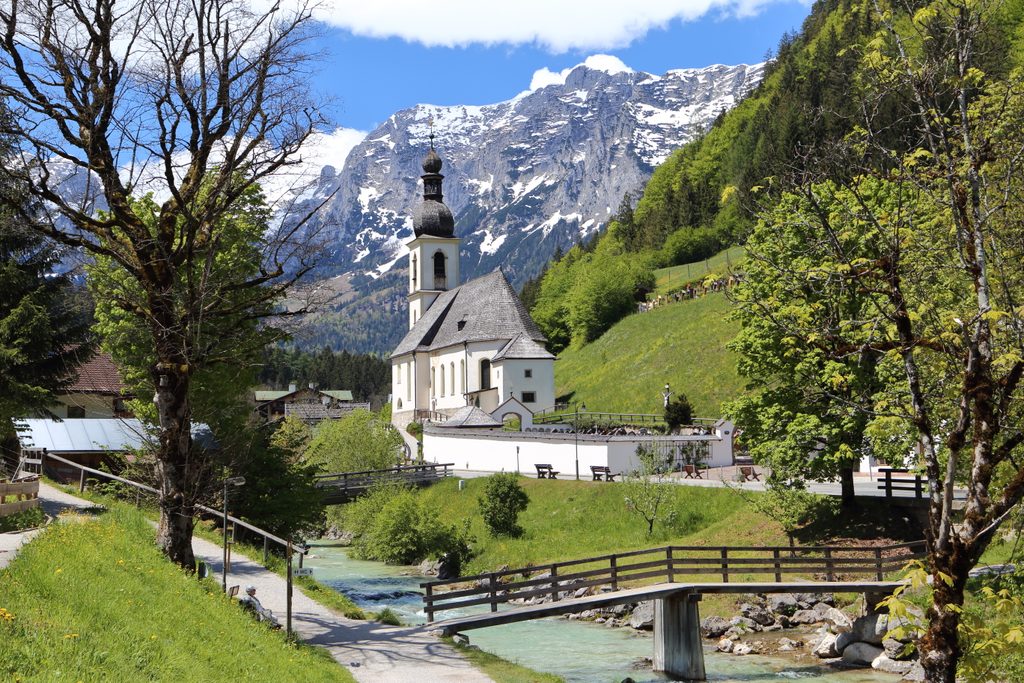
Place · 1.3 mi away
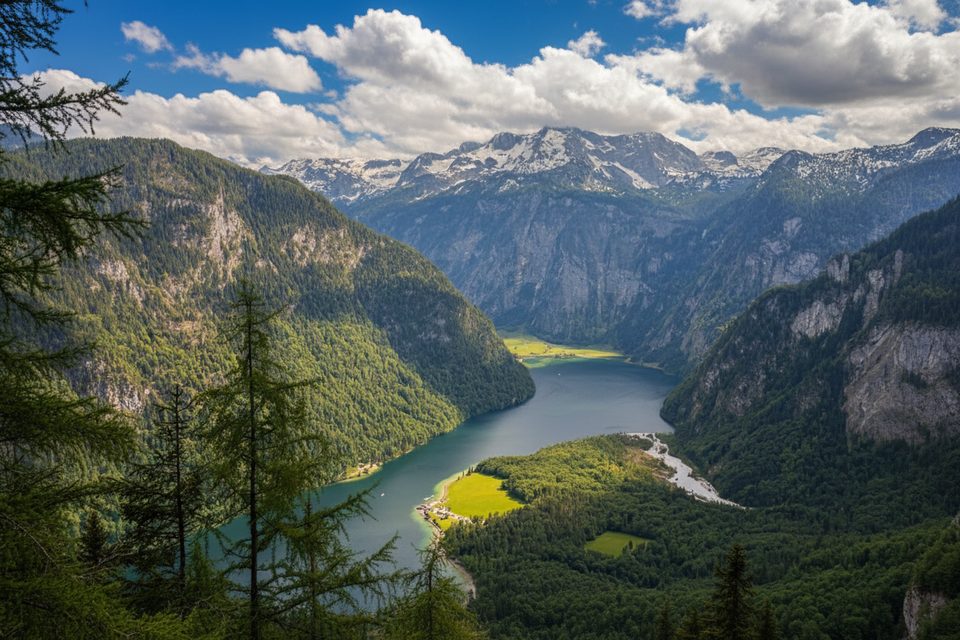
Moderate · 1 mi away
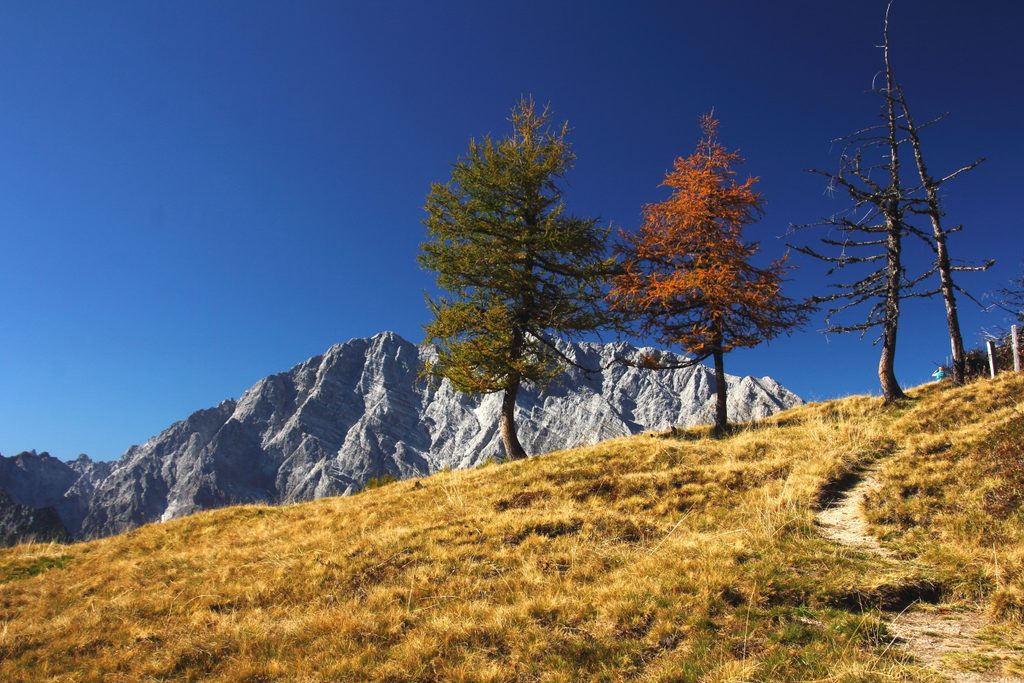
Challenging · 1.1 mi away
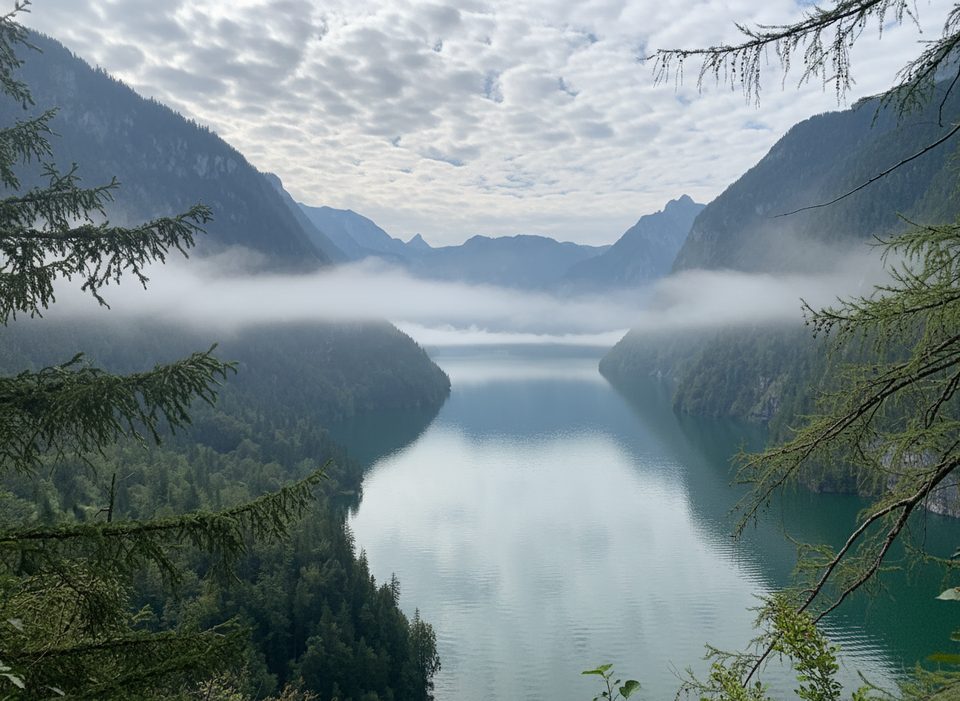
Easy · 1.1 mi away
Easy · 1.6 mi away

Parkwolf Tour Guide
