
Place · 0.5 mi away
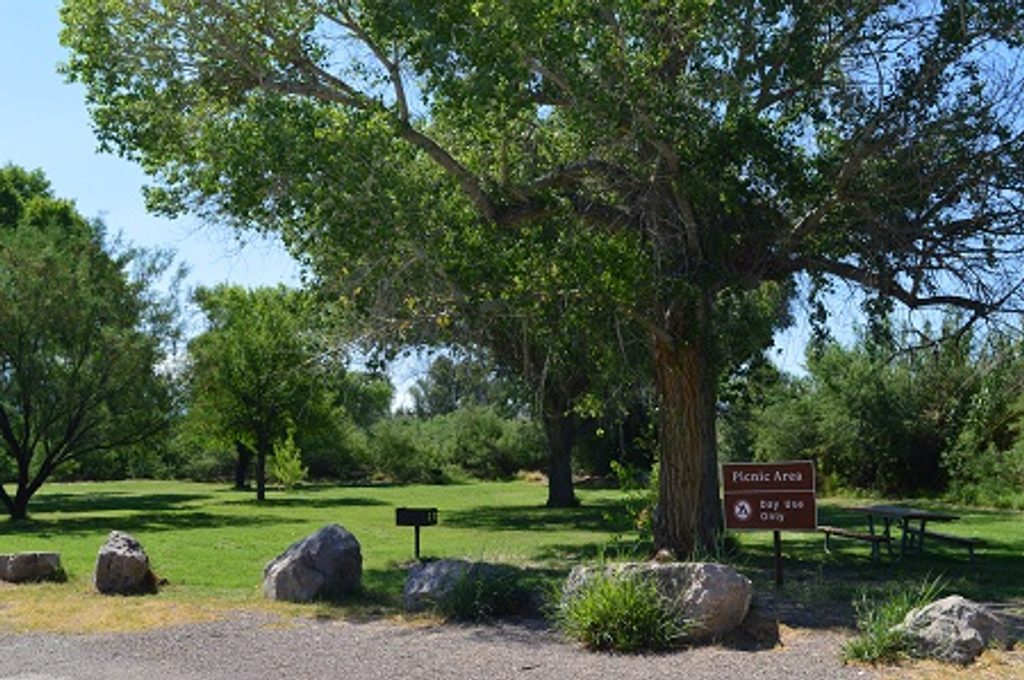
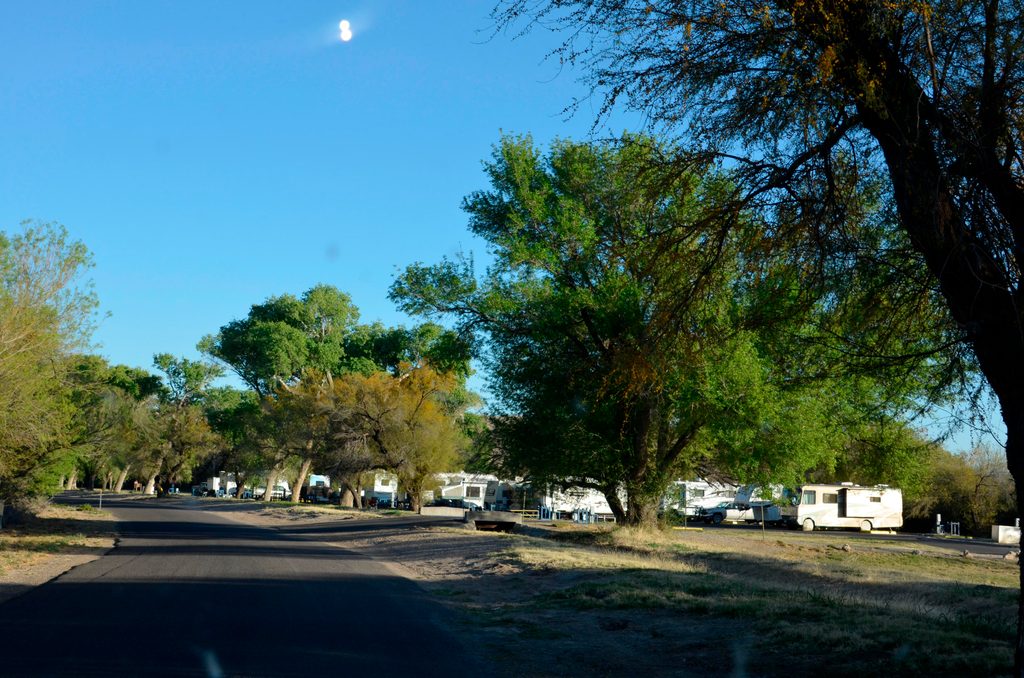
Daniels Ranch is a quiet, historic oasis on the north bank of the Rio Grande, just west of the Rio Grande Village area. You come for the cool shade of mature cottonwoods, stay for the story—a surviving 1920s adobe farmhouse and a network of irrigation ditches that once watered fields along the floodplain.
Few places in the desert give you both deep shade and tangible cultural history. Here, you can literally follow the old waterworks on foot—parts of the ditch system are still used today for water delivery and habitat management.
Daniels Ranch doubles as a trailhead, including access to the Hot Springs Canyon route (with river views and a longer loop option) and the nearby Ernst Ridge Trail. It’s a handy launch point if you want a scenic stroll or a bigger outing without moving the car far.
Those ditches don’t just tell a story—they support a Black Hawk nesting area. Birders keep an eye out here, especially around the riparian corridor.
The land was first homesteaded by Jesus Estrada, then passed to John O. Wedlin, who leveled fields, built the irrigation system, and constructed the original shed that became today’s adobe house. Joe H. Graham farmed grain here before selling part of the property in 1937 to John R. and Mary Coe Daniels, who turned the shed into a home and store and farmed cotton until the park’s establishment in 1944. The ranch house and grounds were listed on the National Register of Historic Places in 1989.
Cool season (fall–winter) is most comfortable and most popular; holidays like Thanksgiving are notably busy. If you’re here in warm months, aim for early morning or late afternoon. Avoid mid‑day and, ideally, most hikes from April through September when temperatures can exceed 110°F.
Bring plenty of water and salty snacks if you plan to hike; this is true desert. The lot is small and can fill during peak periods. Be respectful around the adobe structure and ditch banks—some segments remain active and support sensitive habitat.
Place · 0.5 mi away
Place · 0.6 mi away
Place · 0.7 mi away
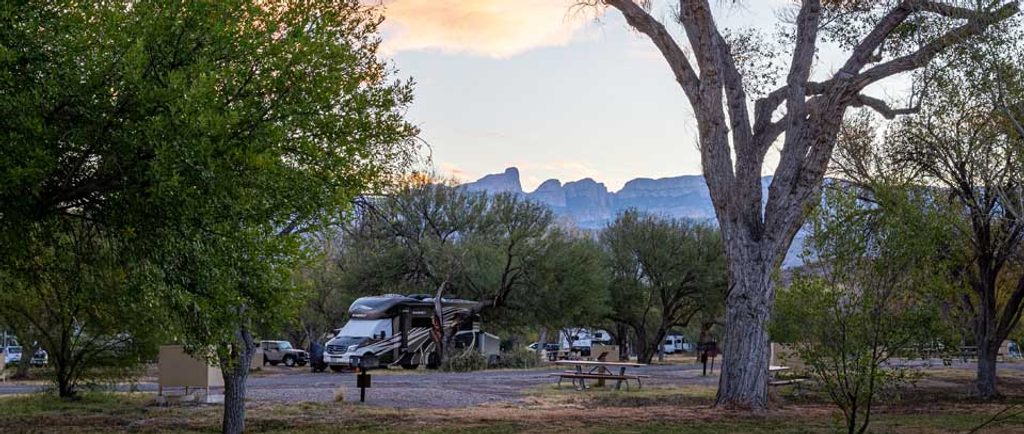
Place · 1 mi away

Easy · 1.2 mi away
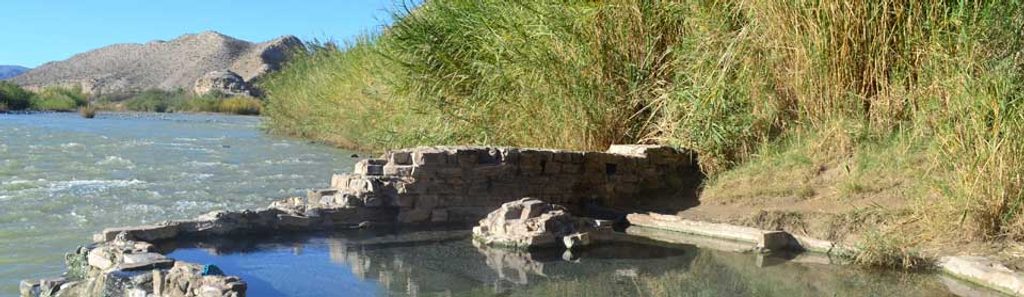
Easy · 1.8 mi away
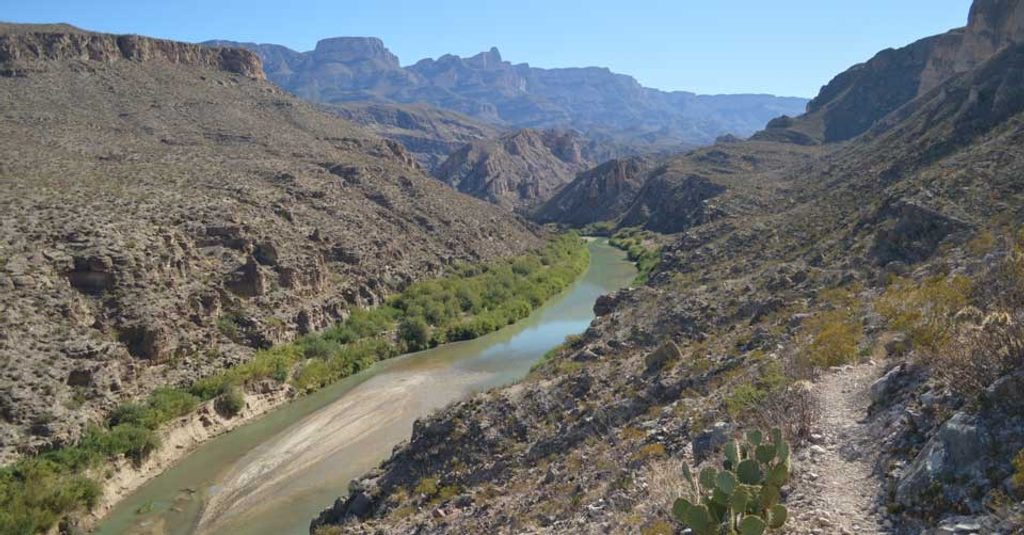
Challenging · 2.8 mi away
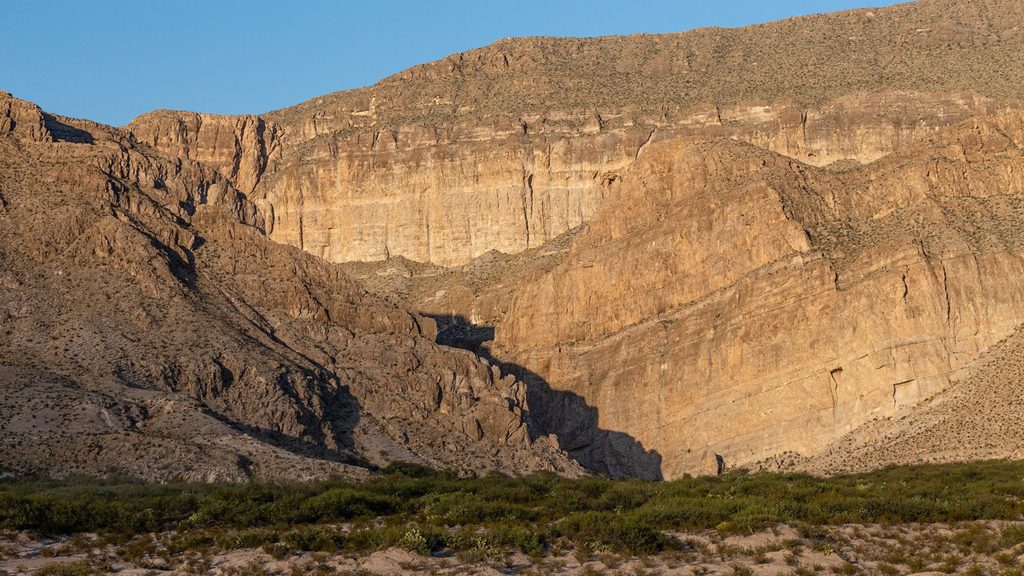
Easy · 2.9 mi away

Parkwolf Tour Guide
