
Place · 3.8 mi away
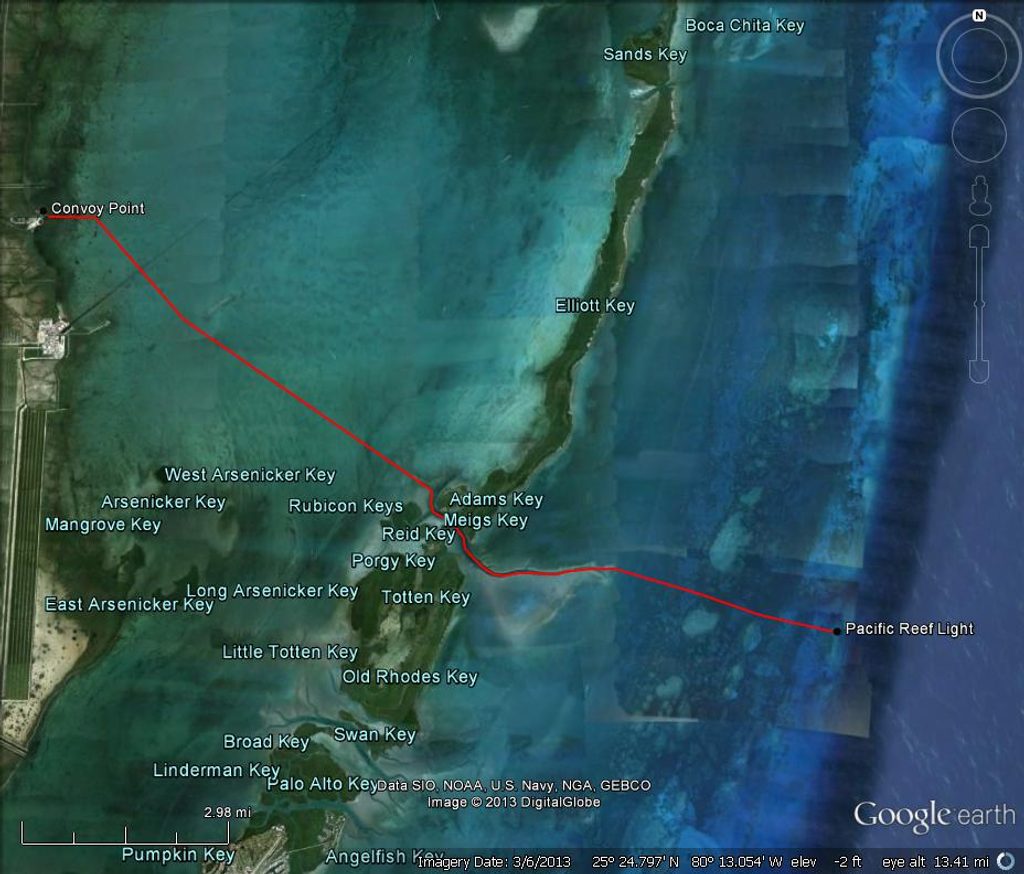
Pacific Reef Light is a historic, unmanned reef lighthouse standing offshore over Pacific Reef in the clear waters south of Elliott Key. It’s a classic square, pyramidal skeletal tower set on a screwpile foundation—purpose-built to warn mariners about the shallow coral reef below. This is a true boat-only destination with zero on-site amenities, but that’s part of the appeal if you like solitude and maritime history.
Built in 1921 as part of a series of Florida Keys reef lights, Pacific Reef Light was designed to mark local hazards offshore, so it didn’t need a powerful lens or keepers’ quarters. Its original lantern was later removed and relocated for display in Islamorada, but the structure still anchors the northern end of the Florida reef line.
This is offshore and accessible only by private boat or charter. Expect open-water conditions—currents and swells can be moderate to strong. There are no docks, no shade, no restrooms, no food—bring everything you need and plan for self-reliance.
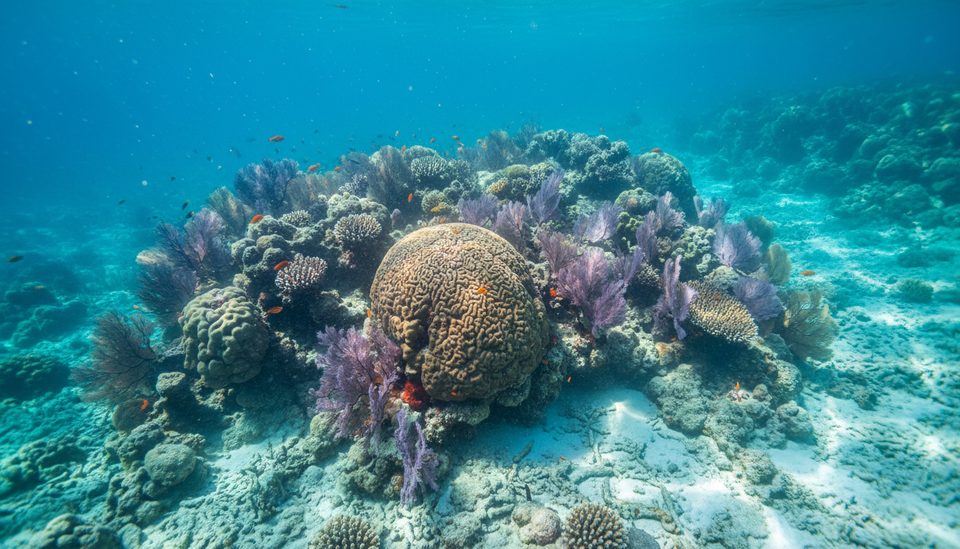
On calm days, the reef can deliver vibrant coral, sponges, and schools of tropical fish; lucky boaters sometimes spot dolphins or rays, and sea turtles pass through the broader area. It’s best for confident swimmers and experienced snorkelers/divers who are comfortable in open water.
Pacific Reef is within protected waters but not inside a Sanctuary Preservation Area, so rules may differ from nearby SPAs. Know and follow current regulations before you go.
Aim for calm, sunny weather and light winds. Visibility is typically best after a stretch of calm or with east winds; after rough weather it can drop significantly. The site’s remoteness keeps crowds low most days.
Place · 3.8 mi away
Place · 5 mi away
Place · 6.1 mi away
Place · 6.1 mi away
Easy · 6.1 mi away

Easy · 6.7 mi away

Easy · 6.7 mi away
Easy · 10.9 mi away

Parkwolf Tour Guide
