Well of the Lecht

Quiet roadside well and gateway to the atmospheric Lecht Mine
Well of the Lecht, Cairngorms National Park
InsideCairngorms National Park

Overview

A simple roadside stop on the A939, the Well of the Lecht is a small spring marked by a commemorative stone and a rough parking area set in wide open moorland. It’s best known as the jumping-off point for the short walk up the burn to the historic Lecht Mine—an atmospheric pocket of industrial archaeology in a stark, beautiful landscape.

What You’ll See

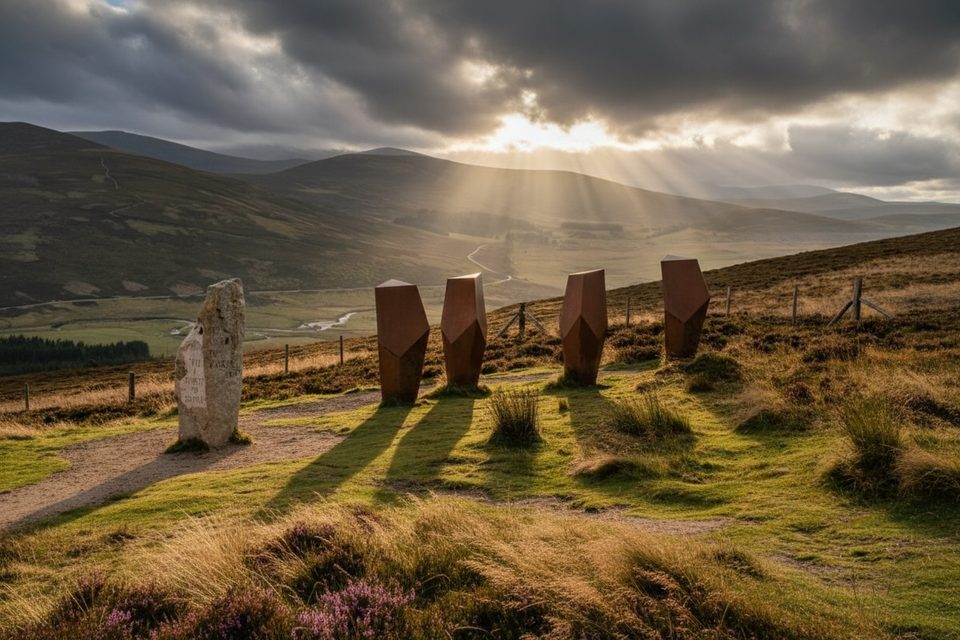
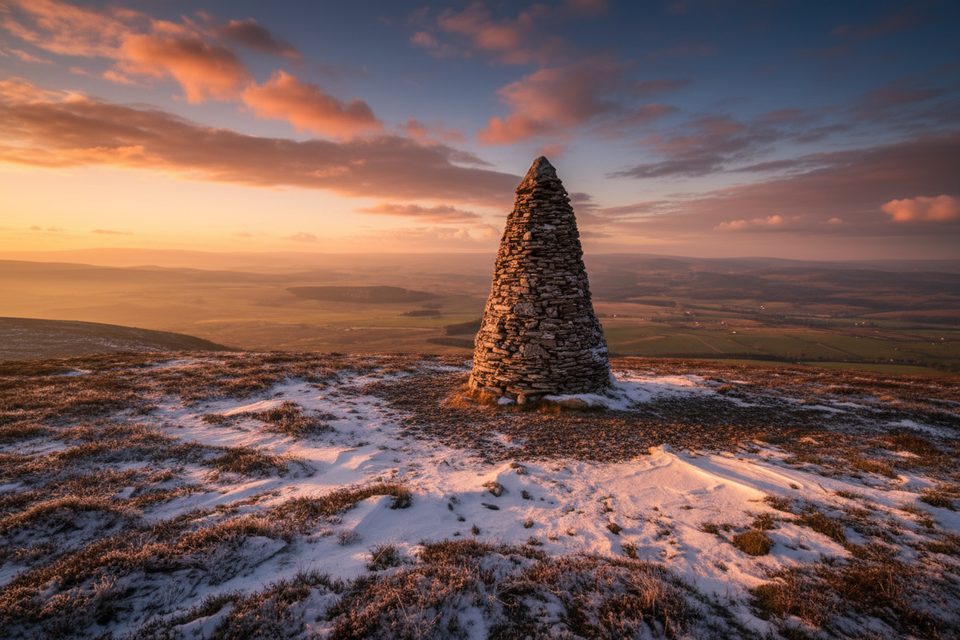
  • The modest well and commemorative stone referencing the 18th‑century military road works.
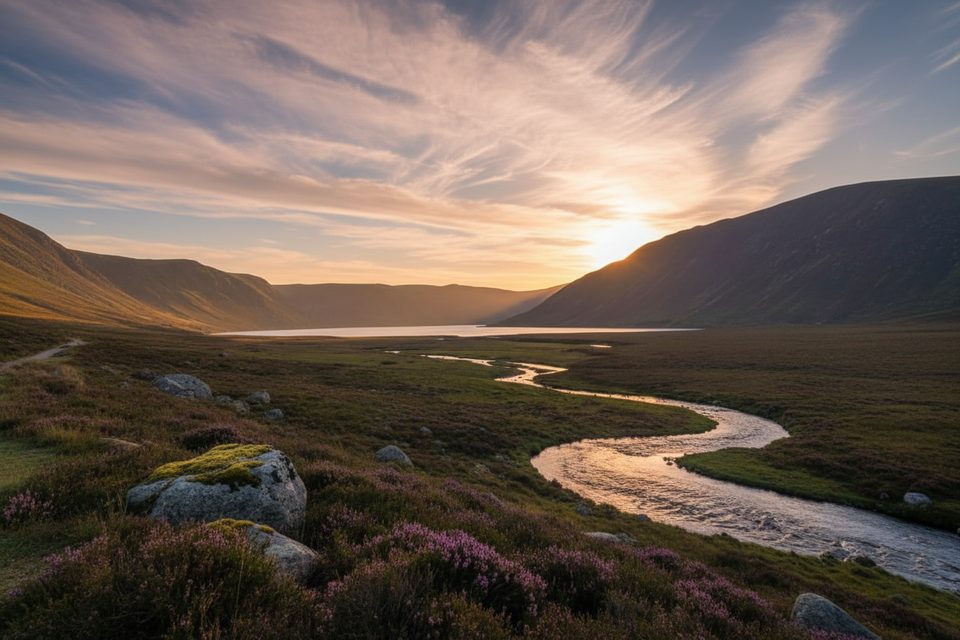
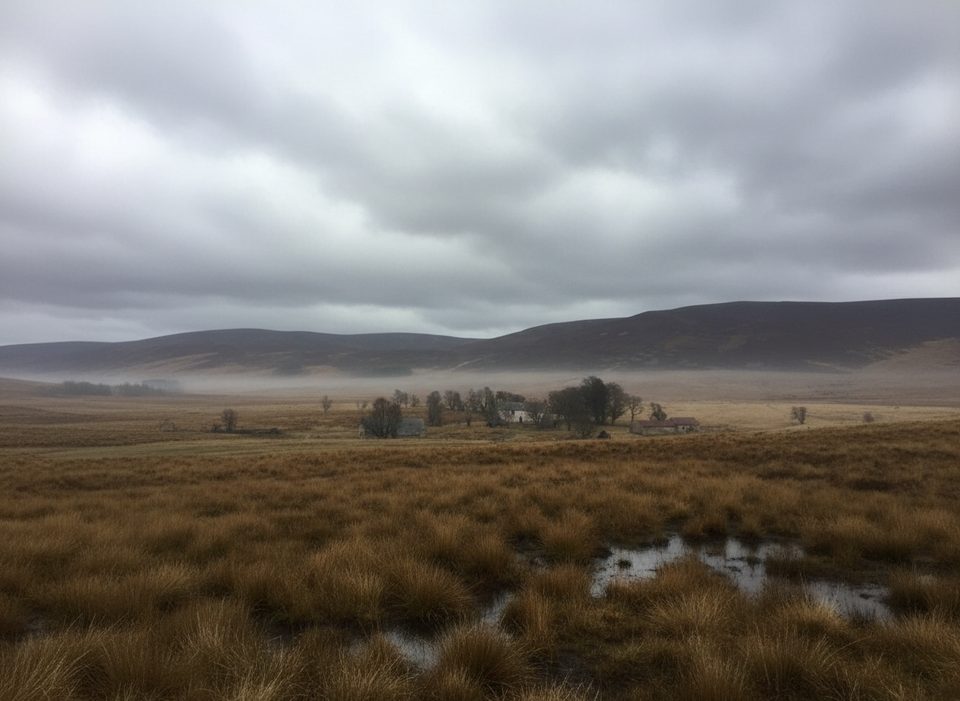
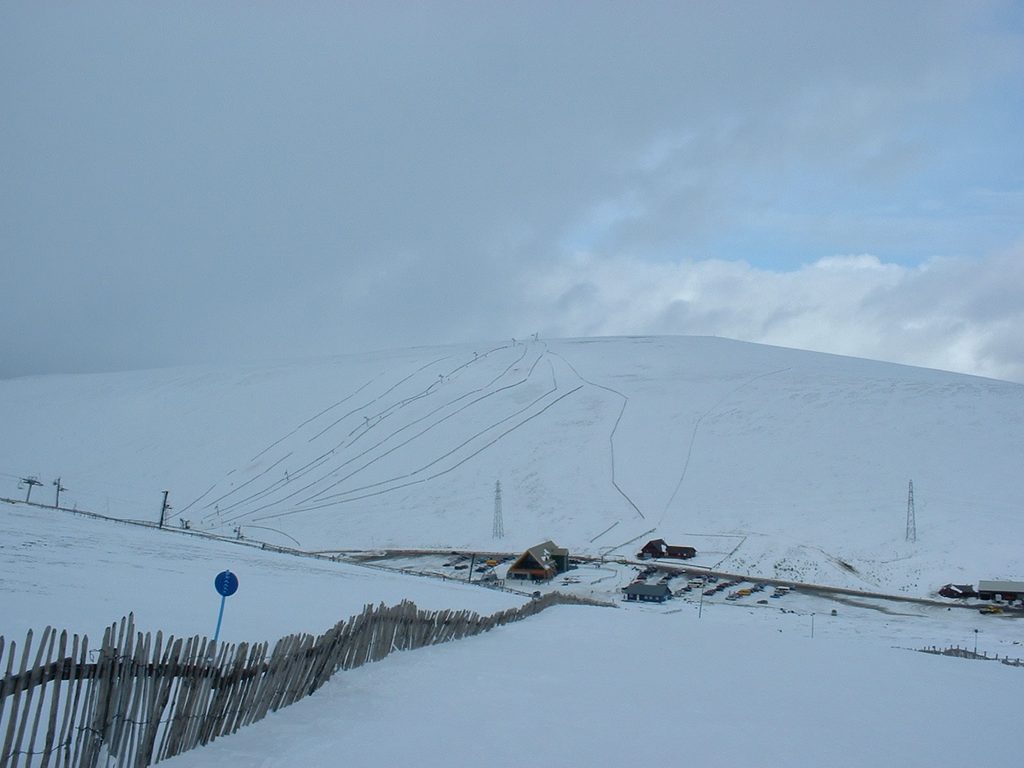
  • A remote, windswept setting with big views over the Ladder Hills and Glenlivet’s open moor.
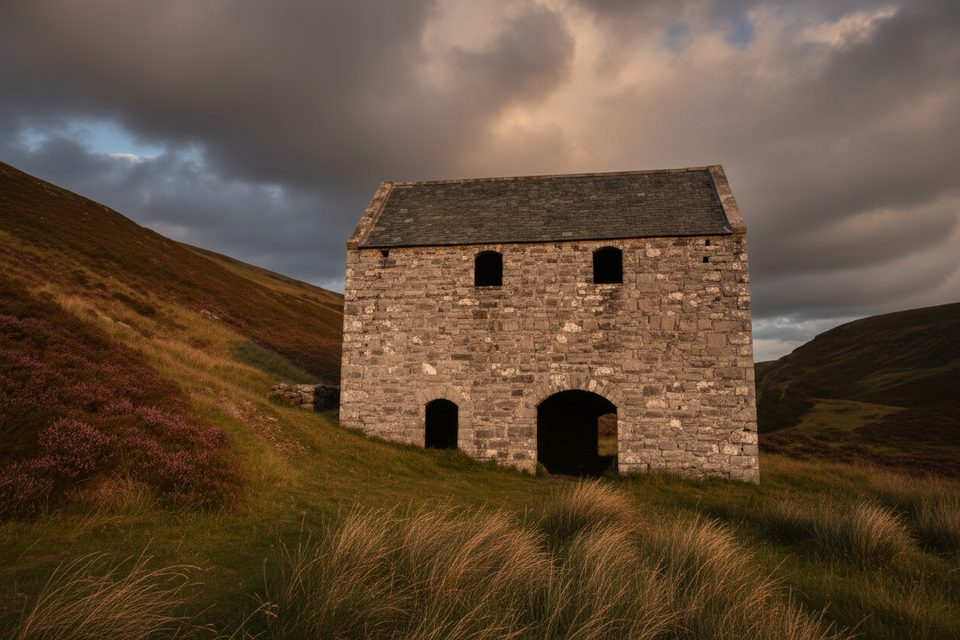
  • Interpretive info at the mine site plus the preserved crushing mill building—more intact than most Highland ruins.

A Short Walk to Lecht Mine

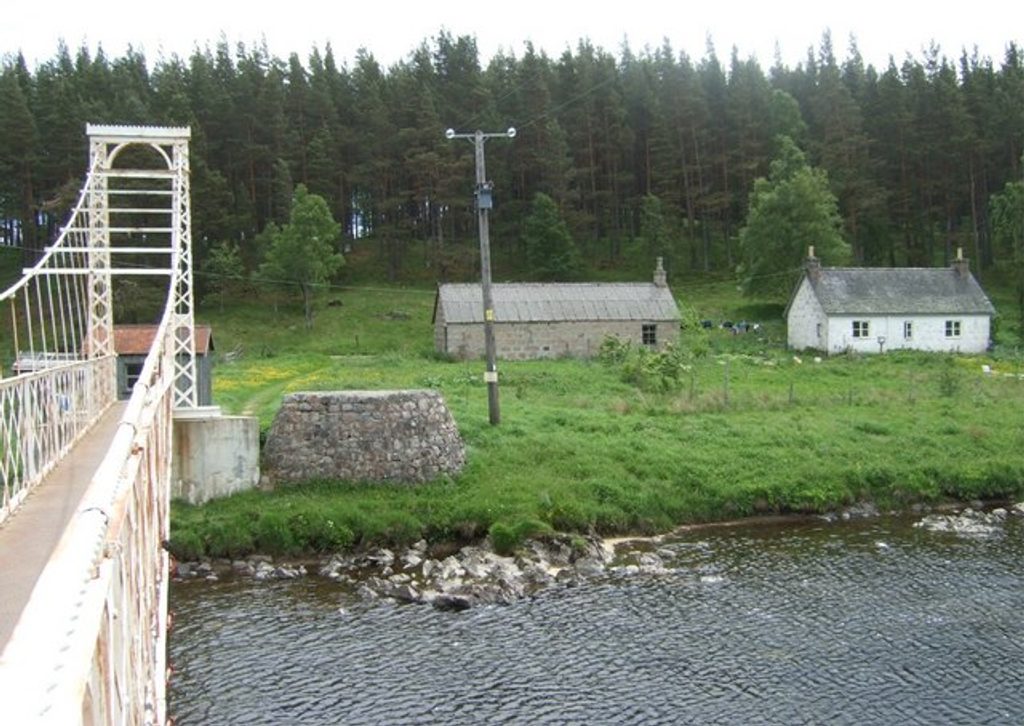
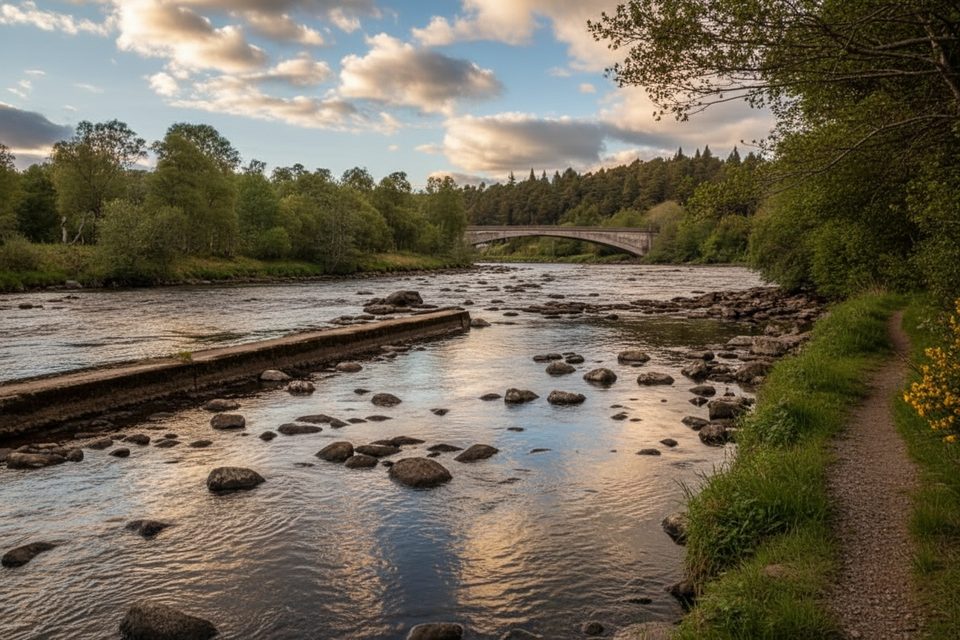
From the car pull-in, cross the burn and follow the clear path alongside it to the mine. It’s a short outing (roughly 800 m each way by one visitor account) on easy ground, though it can be wet underfoot after rain. The route makes a perfect leg-stretcher and an easy win for history-curious walkers.

History

Lecht Mine started life in 1730 for iron ore, then re-opened in 1841 as Scotland’s largest manganese mine, employing dozens of men and boys before closing again after just five years. The standout survivor is the crushing mill, restored and re-roofed in the 1980s, which gives a rare sense of the mine’s original form rather than a tumbled ruin.

Geology on Show

Quartzite used to build the mine structures was quarried right beside the car park—one of those neat places where you can see both the source rock and the building it became. Around the mine you’ll also notice piles of discarded iron ore.

Wildlife

This upland setting can reward patient eyes with grouse, mountain hare, deer and other moorland birds—most likely on quieter days and around dawn or dusk.

Best Time to Visit

  • Daytime: Mornings and late afternoons bring softer light for photos and fewer cars on the A939. The site sees light foot traffic most days.
  • Clear nights: It’s a handy pull-in for stargazing thanks to low light pollution, though nearby hills limit the sky view somewhat.
  • Winter: Road closures are possible in snow—plan around conditions before committing to the drive.

Know Before You Go

  • No facilities: There are no toilets, water, or food—bring what you need and pack it out.
  • Footwear: Expect wet patches after rain; waterproof boots make this more pleasant.
  • Weather swings fast here; carry layers and a shell.
  • Midges can be lively around dusk in season—repellent helps.

Pros

  • Short, straightforward walk to the restored Lecht Mine
  • Quiet roadside stop with a historic commemorative stone
  • Dark skies make it a handy stargazing pull-in on clear nights

Cons

  • No facilities on site
  • Exposed and can feel bleak in poor weather

Tips

  • There are no facilities—bring water, snacks, and a bag for rubbish.
  • Wear waterproof boots; the path by the burn can be boggy after rain.
  • Check winter road conditions for the Lecht before driving after snowfall.
  • Carry a windproof layer; the moor feels much colder when the breeze picks up.
  • In midge season, bring repellent for dusk stops.
The Parkwolf tour guide sitting on a phone mounted in a car

Parkwolf Tour Guide

Like a tour guide in your car.

Save the places you found around Cairngorms, then let Parkwolf guide the drive between them.Download Parkwolf on the App Store