Place · 1.4 mi away

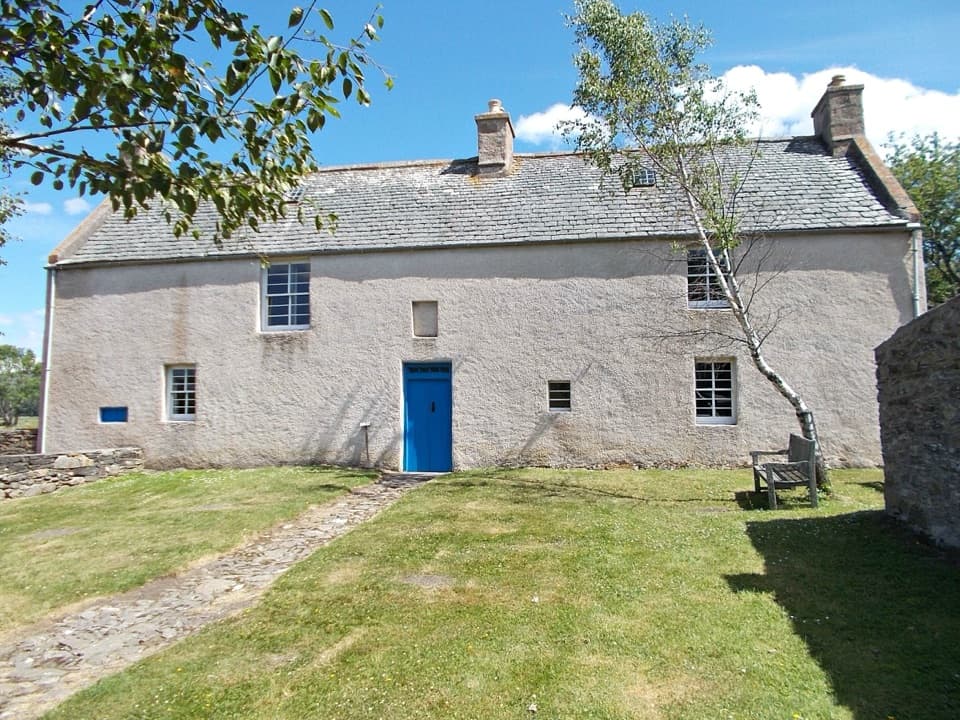
Tucked into the Braes of Glenlivet at the foot of the Ladder Hills, Scalan Seminary (often called the Hidden College) is one of the most atmospheric historic spots in the park. Founded in 1716 as a secret training place for Catholic priests during persecution, it became a lifeline for Catholicism in Scotland—around a hundred “heather priests” were trained here despite repeated attacks.
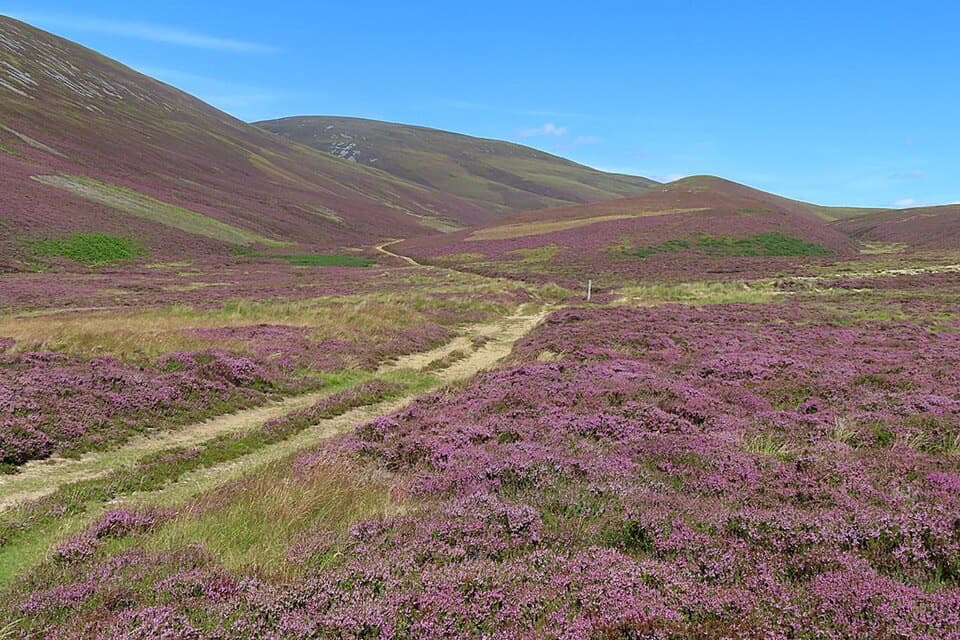
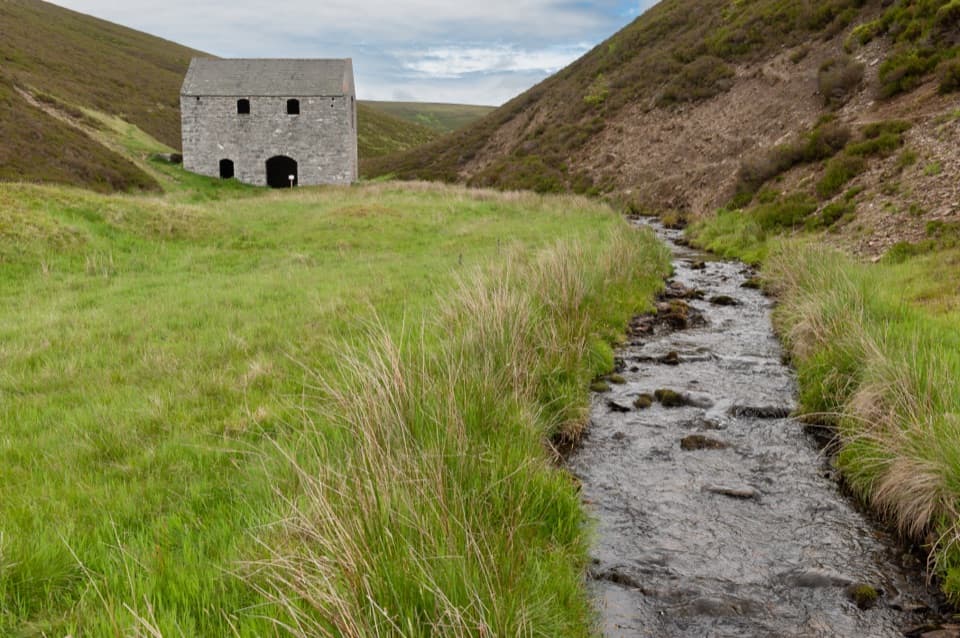
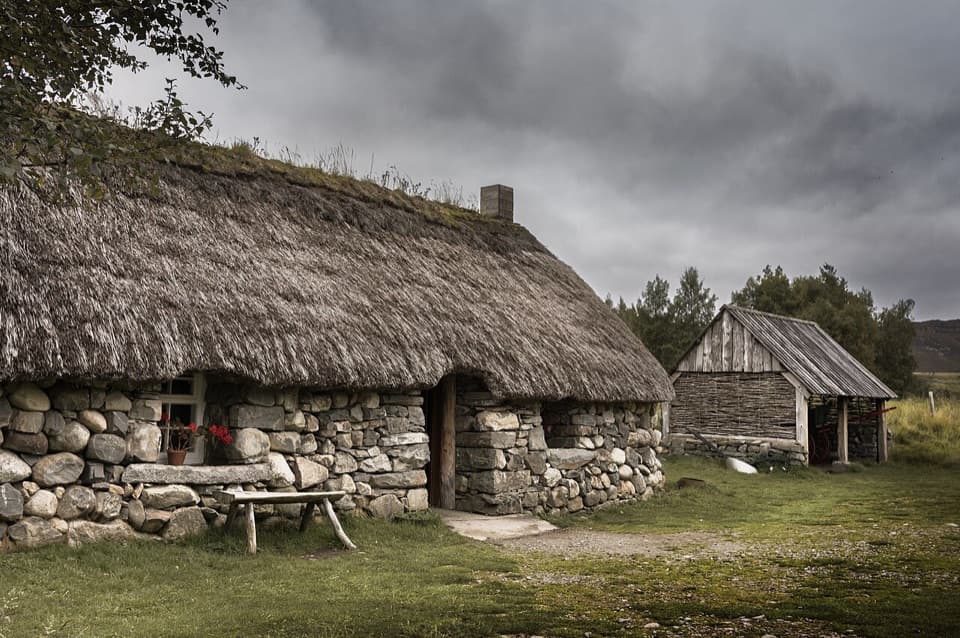
Expect a modest 18th‑century stone building and associated structures in a wide, open glen. Inside, simple rooms and basic displays evoke the tough, pared‑back life students would have known. Around the site, interpretive information explains the clandestine history and later use as a farm. The setting is half the magic: big skies, moorland, and the quiet trickle of burns make it feel unchanged for centuries.
Few places put you so squarely in Scotland’s hidden past. Its remoteness was the point—stay out of sight, keep the faith alive. Today, that seclusion delivers a contemplative visit, far from the busier corners of the park. The complex is protected as a listed heritage site and preserved with local support.
You’ll drive a minor road, park by the last farm buildings, then walk roughly half a mile to reach the seminary, including a wooden bridge crossing. There’s also a longer heritage walk option in the area. Parking is small and informal; plan to be self‑sufficient.
There are no services here—no toilets, shops, or water—so bring what you need. Underfoot can be muddy or wet after rain, and the glen is exposed to wind and weather. Sturdy boots and layers make the visit far more enjoyable.
It’s open year‑round. Aim for dry, calm days when the paths are less boggy and the glen’s views shine. Early morning or late afternoon brings softer light for photos and the most solitude; weekends are generally quiet but arrive earlier for the easiest parking.
Established in 1716, the seminary operated through the 18th century despite raids, before moving in 1799 to accommodate more students. Later, the site served as a farmhouse with additional agricultural buildings nearby, including mills—reminders of its post‑seminary life.