
Place
Challenging
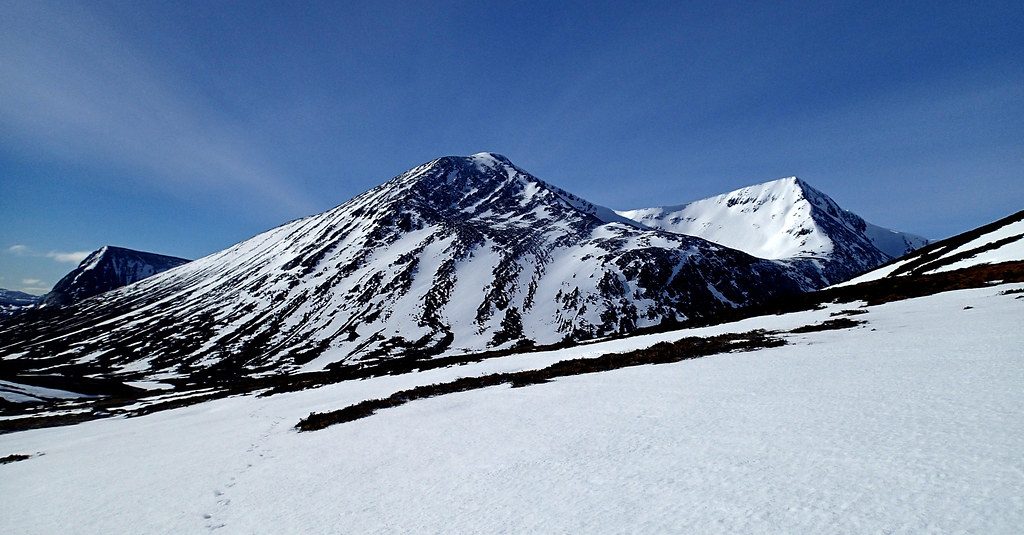
This is a serious, full‑day mountain round linking two standout Munros—Beinn a’ Bhuird and Ben Avon—via The Sneck. Expect around 23 miles total with roughly 3,600–3,770 feet of ascent. It’s long, remote, and committed, but the payoff is huge: wild plateaux, cliff edges, and Ben Avon’s photogenic granite tors.
Start from Keiloch/Invercauld on good estate tracks through ancient Scots pine toward Glen Quoich, passing the Linn of Quoich gorge. A ford of Allt an Dubh‑ghlinne (potentially impassable in spate) leads onto the ridge of An Diollaid and the high ground above Coire an Dubh‑lochain. Gain Beinn a’ Bhuird’s North Top, drop to The Sneck (the high bealach), then climb to Ben Avon’s crowned summit tor, Leabaidh an Daimh Bhuidhe. Most parties return via The Sneck and descend Gleann an t‑Slugain, passing a discreet bothy site, Balnagower Cottage, and the Invercauld Monument to complete the loop.
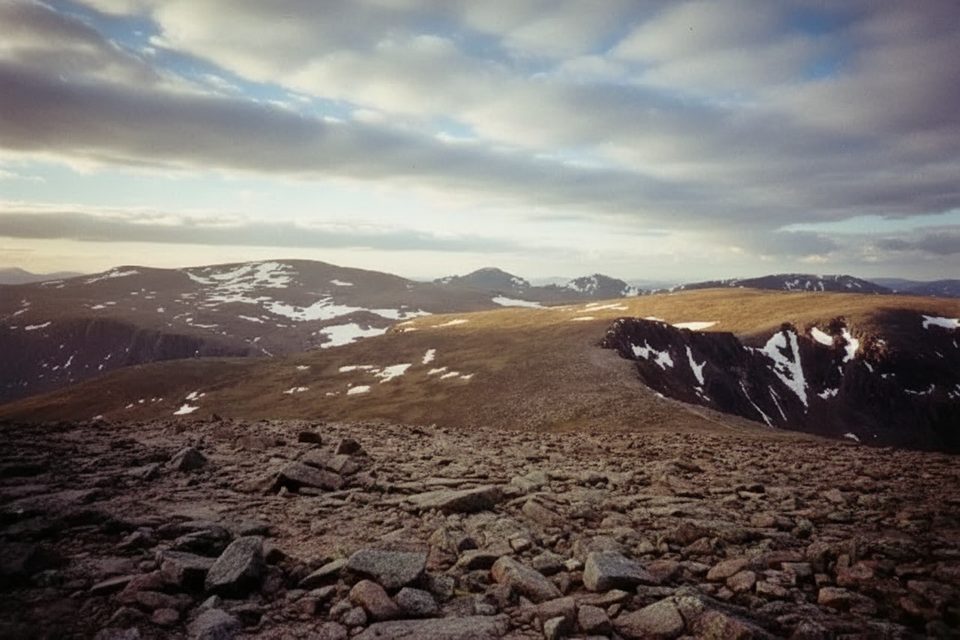
Lower miles roll quickly on estate tracks; higher up you’ll hit steep pulls, intermittent paths, bouldery sections, and broad, tundra‑like plateaux with little shelter. In mist, the navigation between tops and across the plateau can be tricky—strong map/compass/GPS skills are essential. The tors on Ben Avon add character and a little easy scrambling feel near the summit. Water is plentiful in the glens but scarce on the tops—fill up before the big traverse.
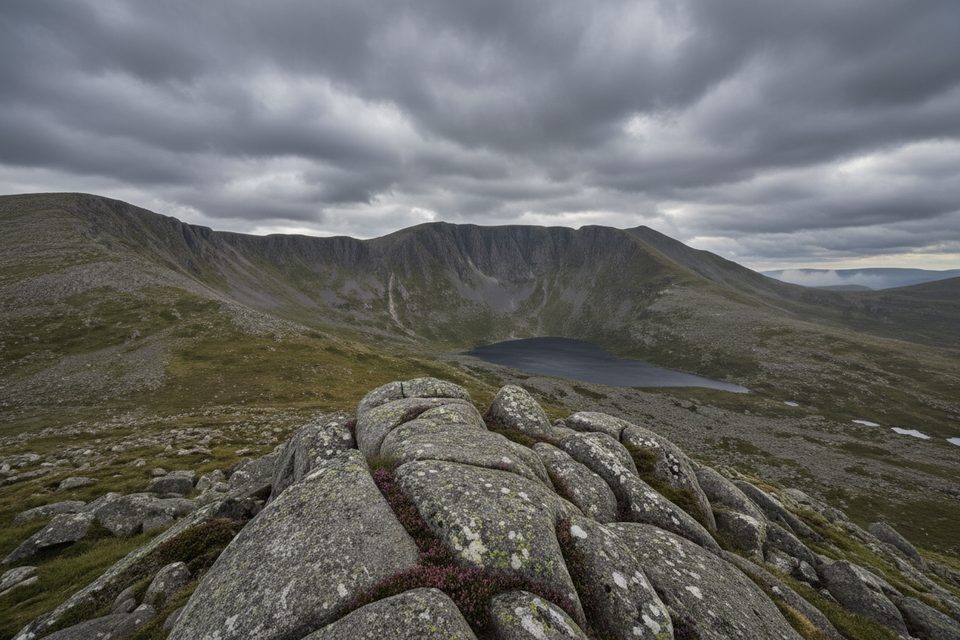
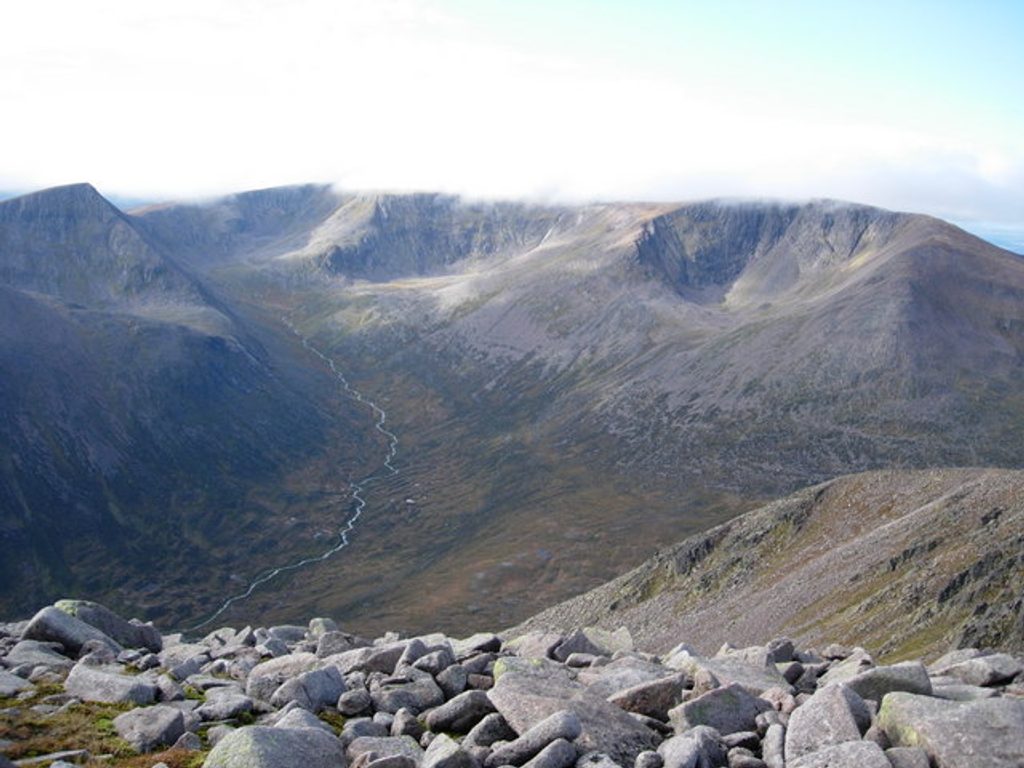
These are classic granite plateaux shaped by ice and periglacial processes. Ben Avon’s tors steal the show, but the cliffs of Coire nan Clach and the vast skylines of both mountains deliver that big‑country Cairngorms vibe. Keep an eye out for ptarmigan and snow bunting up high, and red deer moving across the corries. In summer, look for tiny alpine flowers and vivid mosses in wetter pockets.
Late spring through early autumn (May–October) brings longer days and mostly snow‑free ground—ideal for a single, big push. Start very early for the mileage and to keep options open if weather turns. Winter is only for experienced winter mountaineers: expect whiteouts, serious wind chill, and seasonal avalanche concerns on and around the plateaux.
Bottom line: If you’re fit, skilled, and game for a big remote day, this loop is a top‑tier Cairngorms experience with unique geology and true solitude.
Pay-and-display parking at Keiloch/Invercauld; begin on estate tracks toward Glen Quoich.
Long, remote loop with scarce shelter; serious navigation on broad plateaux; hazardous river ford in spate; rapid weather shifts and winter avalanche risk on high ground.
Place
Place
Place
Place
Challenging
Challenging
Challenging
Challenging

Parkwolf Tour Guide
