
Place · 0 mi away
Moderate
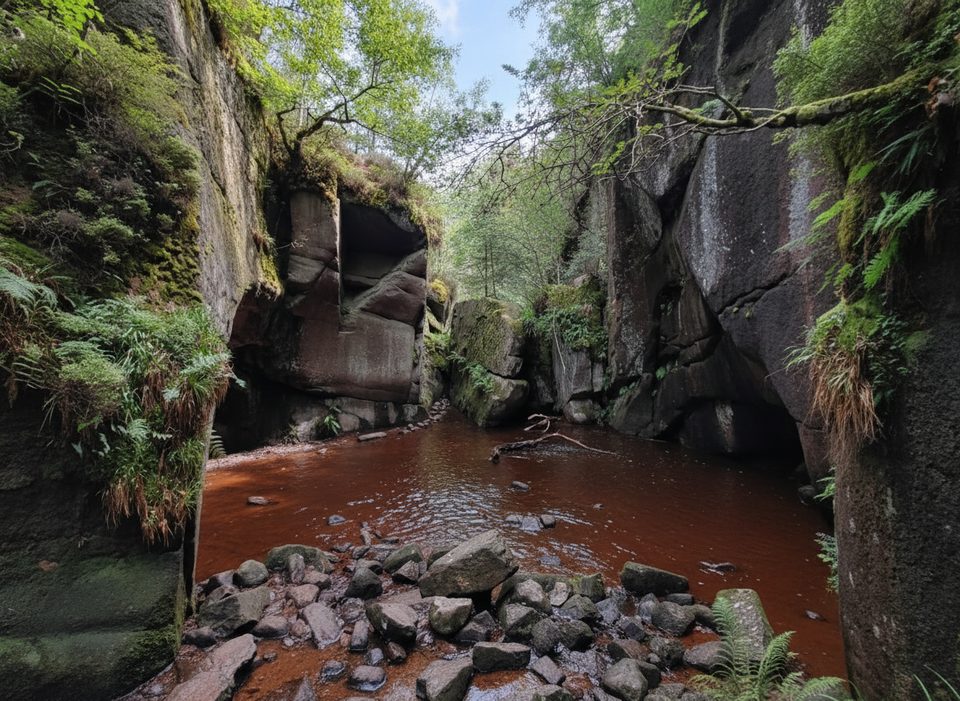
This is the Cairngorms walk you remember: an easy approach to a narrow cleft, a quick scramble over boulders, and suddenly you’re inside a cool, echoing cauldron carved by Ice Age meltwater. The Burn O’Vat Trail starts from the Burn O’Vat visitor centre in the Muir of Dinnet National Nature Reserve and pairs that dramatic “Vat” experience with a mellow woodland loop on well‑maintained paths.
You’ve got choices. The headline loop is roughly 4.0 miles total, starting and finishing at the visitor centre. If you’re short on time, it’s only a few minutes’ walk to reach the Vat itself for a quick out‑and‑back taste of the spectacle. Want more? You can extend into longer circuits that include Loch Kinord (up to roughly 6–6.6 miles), all on signed paths.
The star is the Burn O’Vat: a water‑sculpted, open‑topped pothole you enter through a narrow slot. Expect polished granite walls, a lively burn, and photogenic textures underfoot. Outside the Vat, the loop wanders through pine and birch woodland with pockets of heather moor and open views. Longer variations skirt tranquil Loch Kinord and Loch Davan, with good chances to spot birdlife along the shores.
The main 4.0‑mile loop is moderate, undulating rather than steep, with some stony or rooty stretches. Entering the Vat involves stepping stones and boulders that can be slick; kids who like a bit of hands‑on adventure will love it, but it’s not wheelchair or stroller‑friendly. Dogs are commonly walked here—keep them on lead around wildlife and livestock.
This is a reliable year‑round outing. February through October usually brings the friendliest footing and lowest water, making the stepping stones easier. In wet or icy spells the rocks are slippery, and if the burn is in spate the Vat entry may be unsafe or impassable. Spring and autumn add fresh foliage and active wildlife; summer gives you long, bright evenings.
Burn O’Vat visitor centre car park at Muir of Dinnet; pay parking, toilets on site.
Stepping stones and boulders at the Vat entrance are slippery and may be impassable in high water; expect a short, wet-feet–possible scramble.
Place · 0 mi away
Place · 0.3 mi away
Place · 0.3 mi away
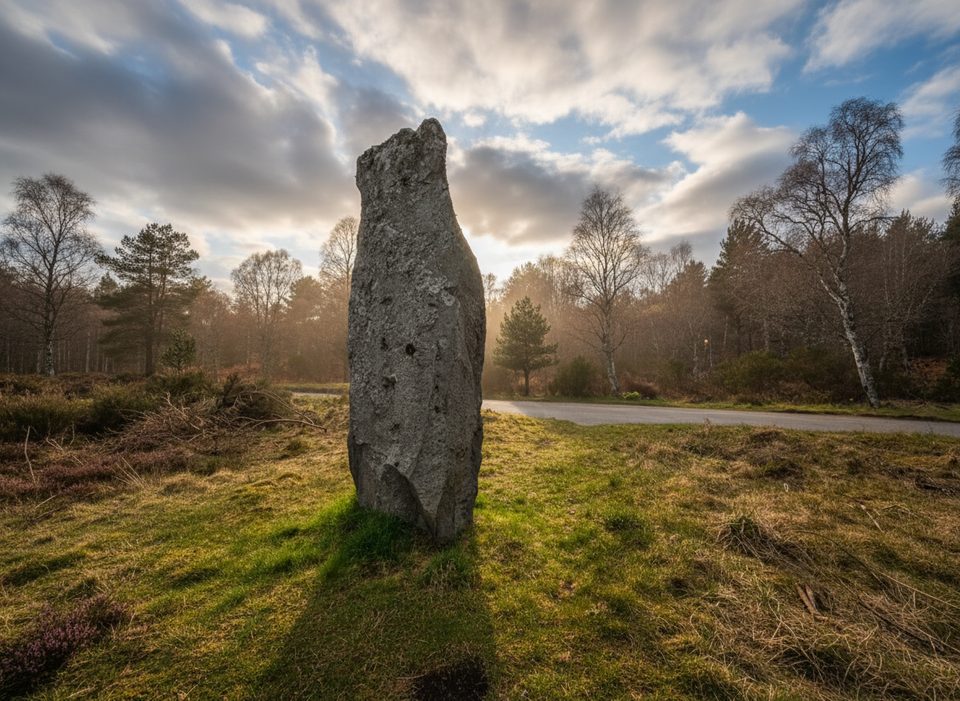
Place · 0.5 mi away

Moderate · 0.3 mi away
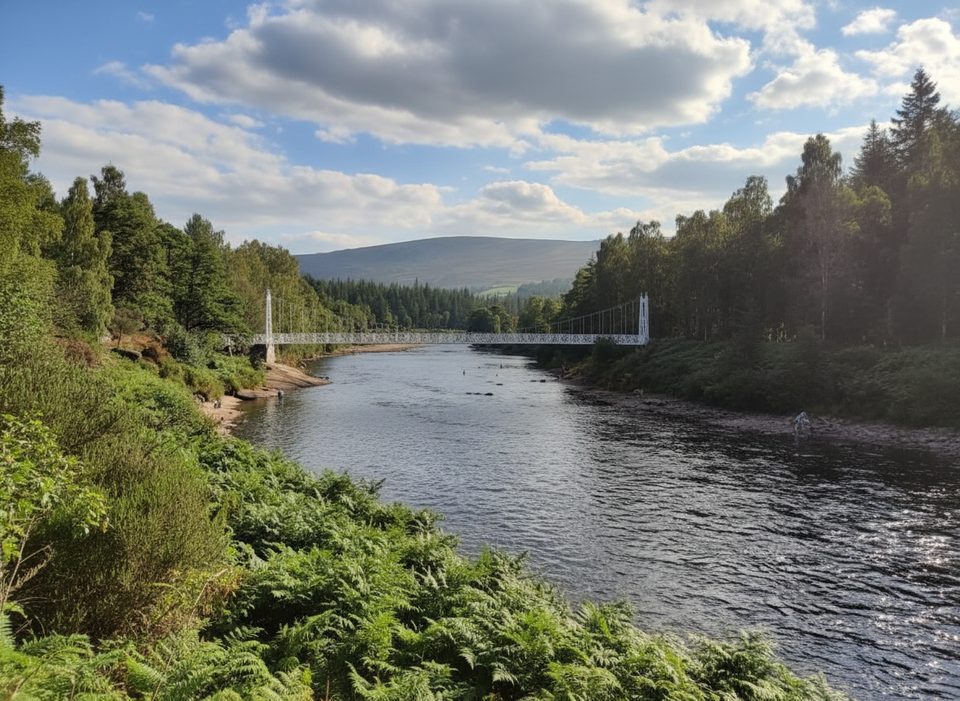
Moderate · 1 mi away
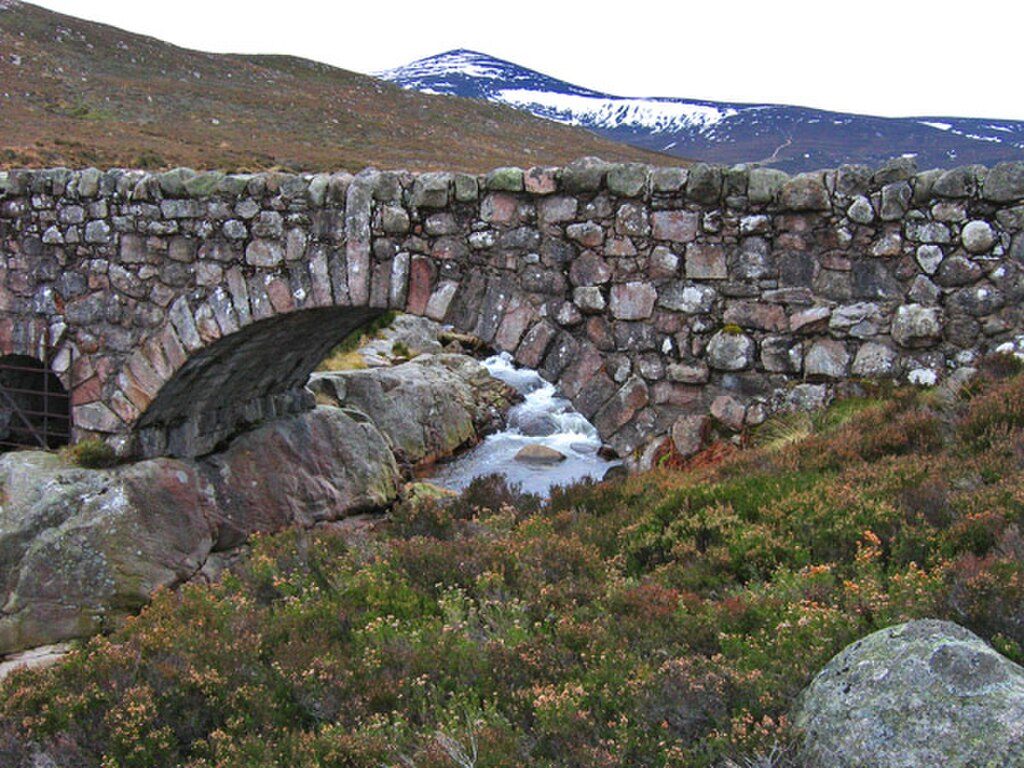
Challenging · 3.8 mi away
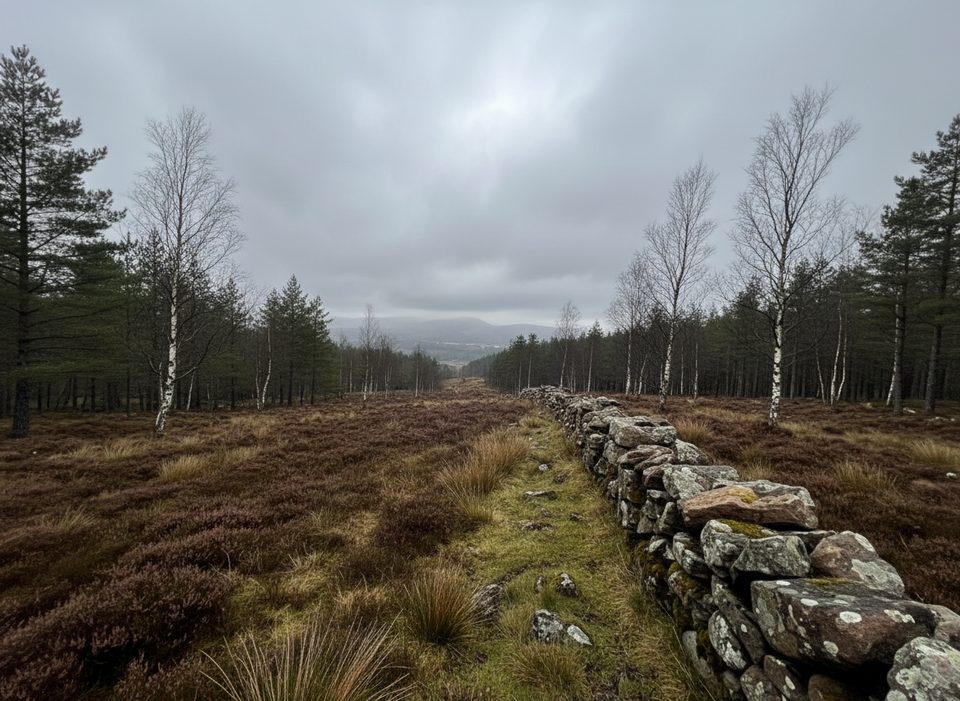
Challenging · 3.8 mi away

Parkwolf Tour Guide
