
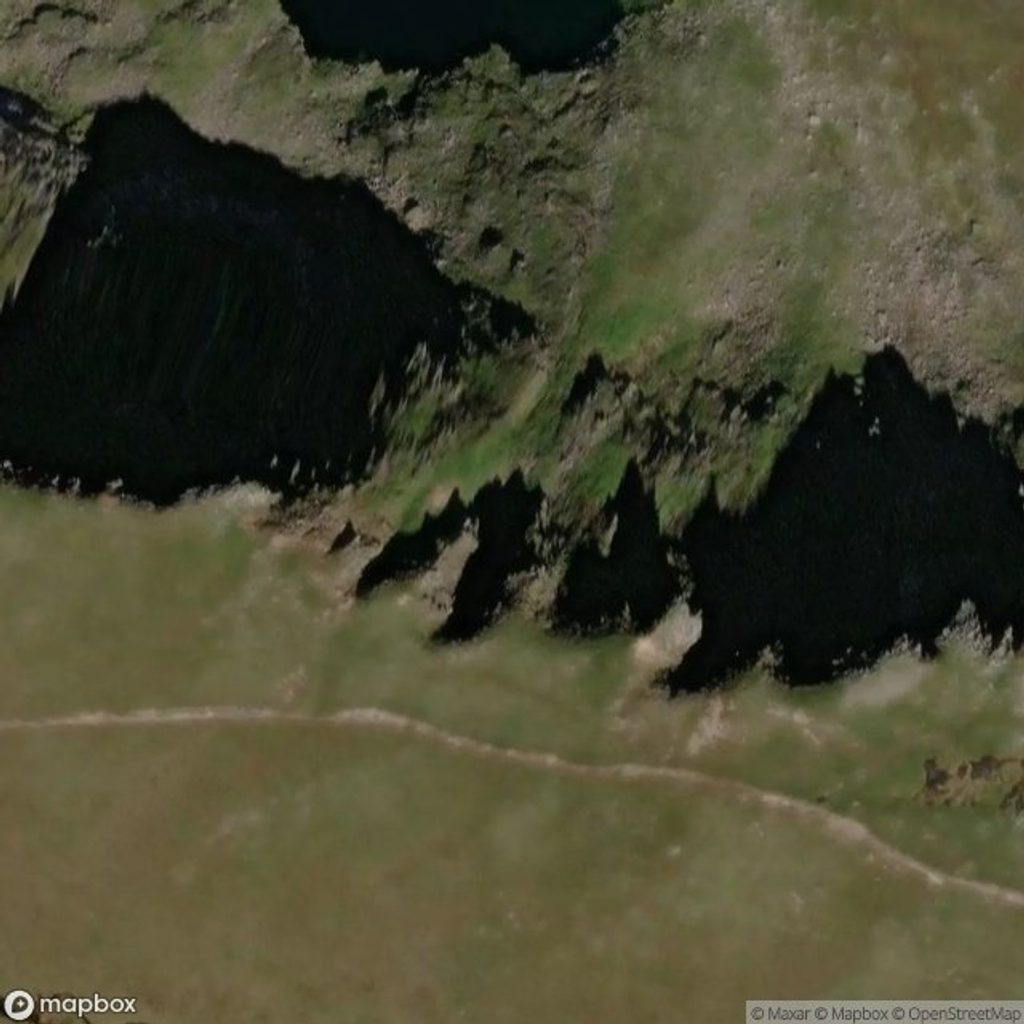
Place
Moderate
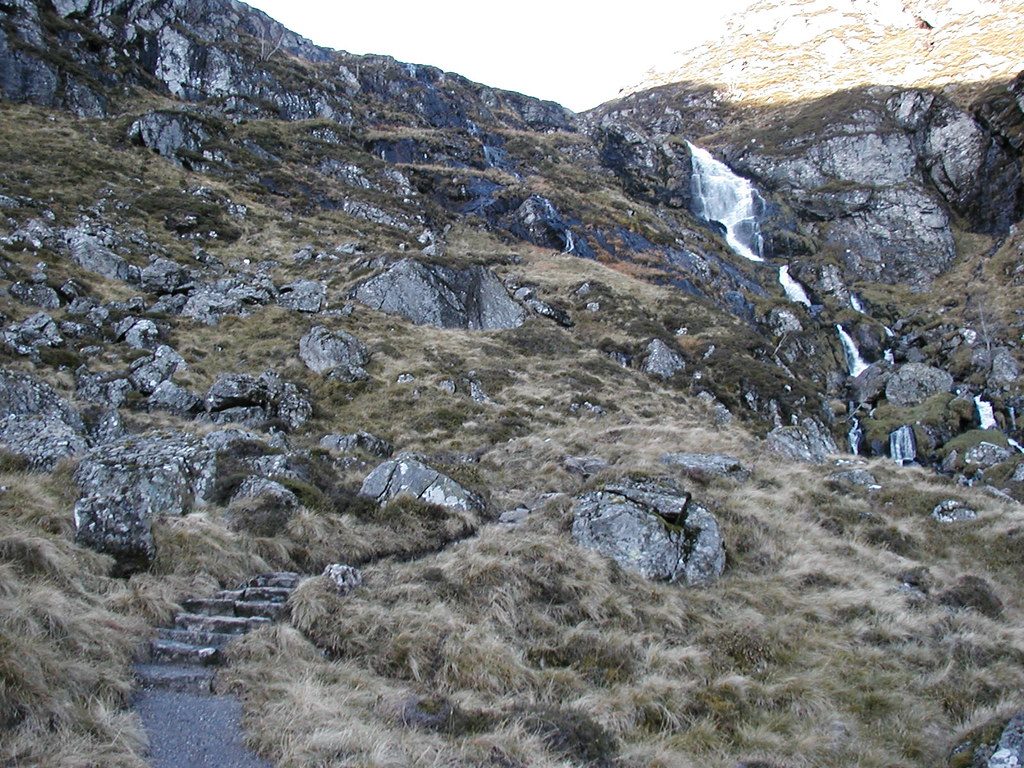
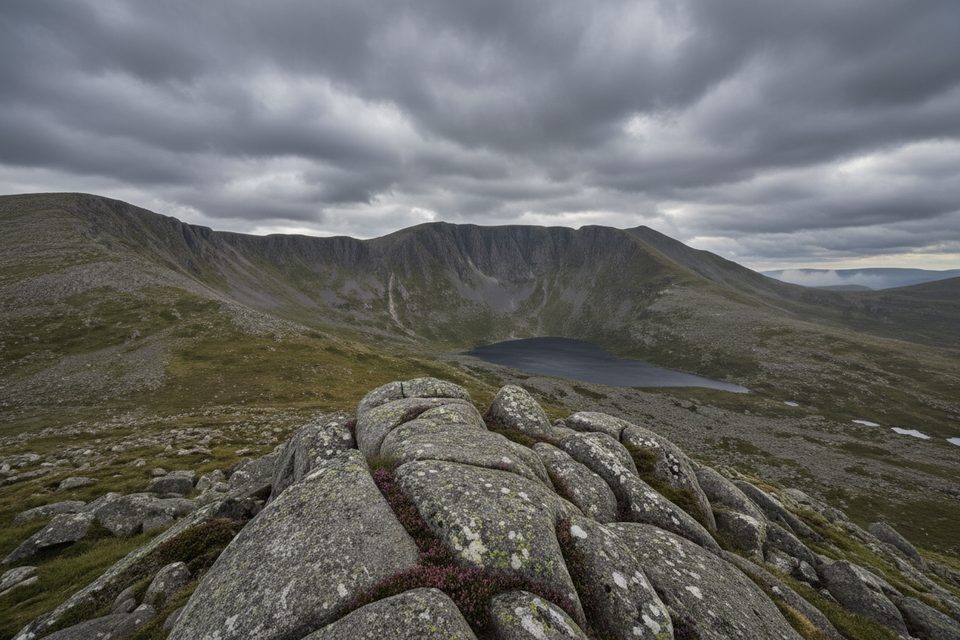
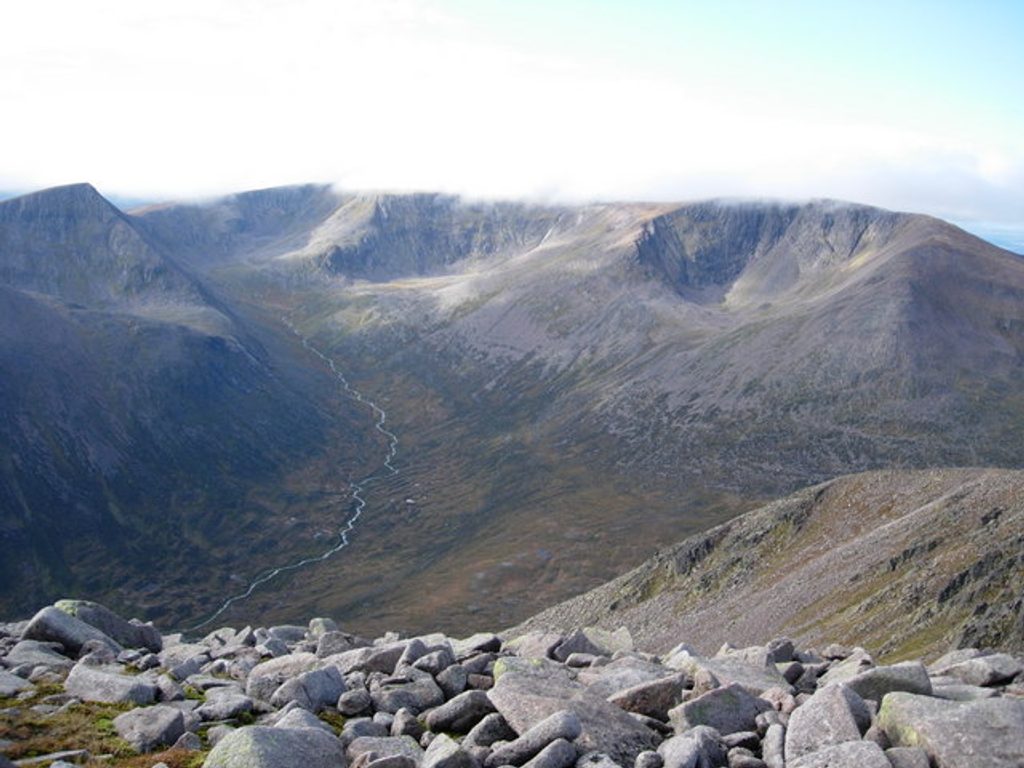
Corrie Fee is a compact, high-reward hike into a textbook glacial corrie—think vast natural amphitheatre, towering cliffs, and a sense of wilderness that hits fast. It starts at the Glen Doll car park and follows a good path into Corrie Fee National Nature Reserve. Expect sweeping scenery, a lively waterfall at the back of the bowl, and a surprisingly rich botany story for such a short outing.
From Glen Doll, an excellent forest track climbs gently beside the Fee Burn before the trees part and the corrie reveals itself—steep rock walls circling a scooped floor. The main viewpoint at the corrie edge is the natural turnaround for many. If you continue deeper toward the waterfall, the path gets steeper and rougher. The full out-and-back to the back/top of the corrie is about 6.2 miles total; turning around at the corrie edge makes it roughly 4.4 miles total.
This reserve is renowned for rare arctic–alpine plants—look for montane willow scrub, orchids, and the famously local purple colt’s-foot (found here in Britain). Summer brings a flush of blooms across moraines and crags. Overhead, you might spot golden eagles or peregrines; in the woods, red squirrels, roe deer, and siskins keep things lively.
To the viewpoint it’s a steady, moderate walk on a well-made path. Pushing up toward the waterfall is a different feel—steeper, rockier, and sometimes slippery with short boardwalks and cross drains. Outside summer, expect mud, ice, or snow patches and rapidly changing mountain weather. Good boots and layers aren’t optional here.
Late spring to early autumn is the sweet spot: wildflowers are at their best, ground conditions are friendlier, and the waterfall often surges with snowmelt in late spring. Autumn brings big color and typically fewer people, but be ready for cold snaps. Winter transforms the crags into a mountaineer’s playground—beautiful, but only for well-equipped, experienced walkers. For wildlife spotting, early or late in the day improves your odds.
Park at Glen Doll car park; facilities (including toilets) are by the Glen Doll Ranger Base nearby, and car park charges apply. The route is signed and includes interpretive posts that explain the corrie’s geology and ecology—worth pausing for. Dogs are welcome but must be under close control (especially around livestock and ground-nesting birds). Stick to paths to protect fragile habitats.
If you’ve got legs left, you can continue above the waterfall toward the plateau for bigger views, or connect with longer routes in this corner of the southern Cairngorms (Jock’s Road passes nearby). Just treat the step-up in terrain and weather exposure with respect.
Glen Doll car park in Glen Clova; toilets and the Ranger Base are nearby and car park charges apply.
Beyond the forest, the path steepens and includes rocky steps, cross drains, and short boardwalks that can be slippery; expect rapid weather changes year-round and ice/snow outside summer. Keep to paths to protect fragile alpine habitats; dogs under close control.
Place
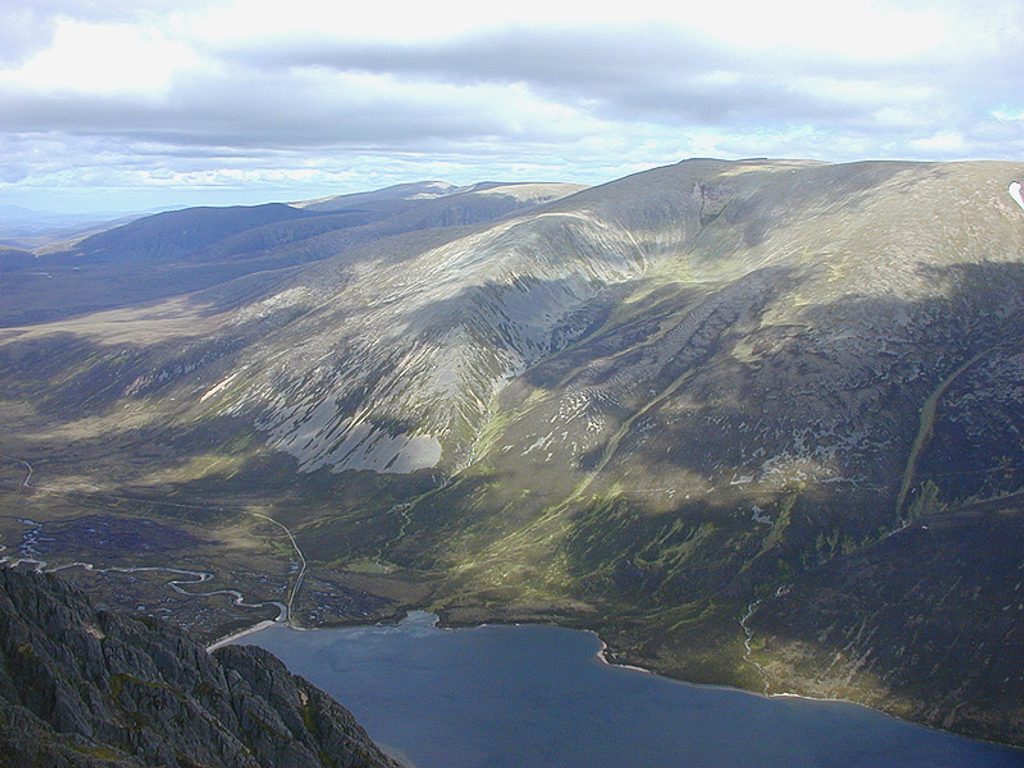
Place
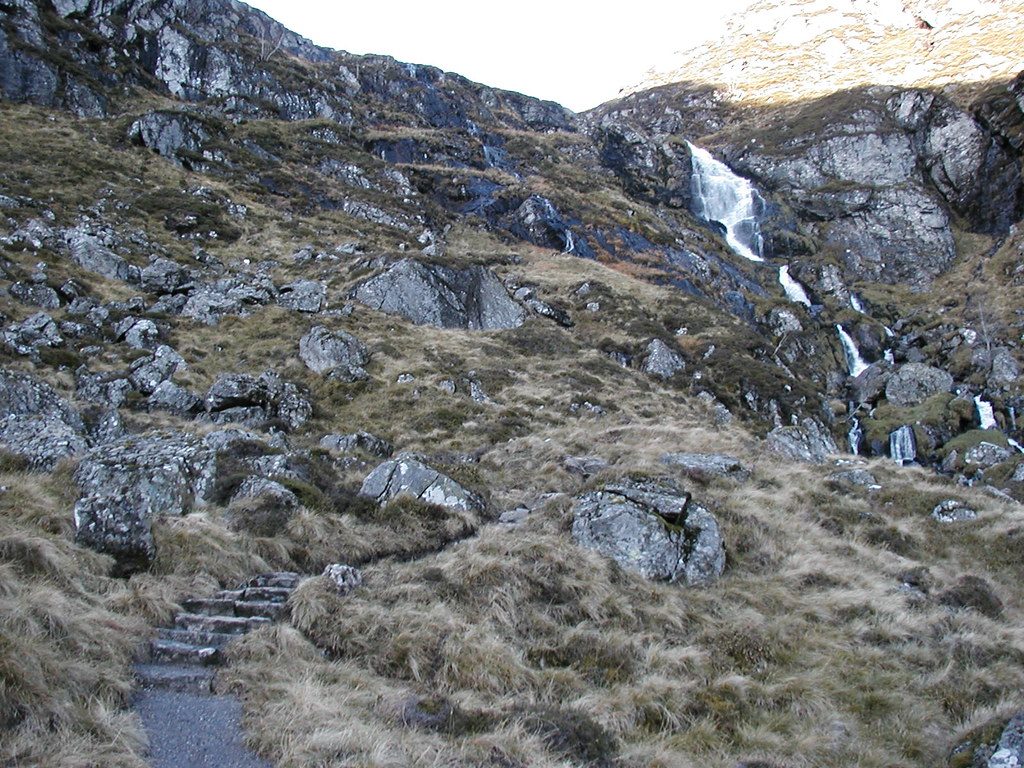
Place
Place
Challenging
Challenging
Challenging
Challenging

Parkwolf Tour Guide
