
Place
Moderate
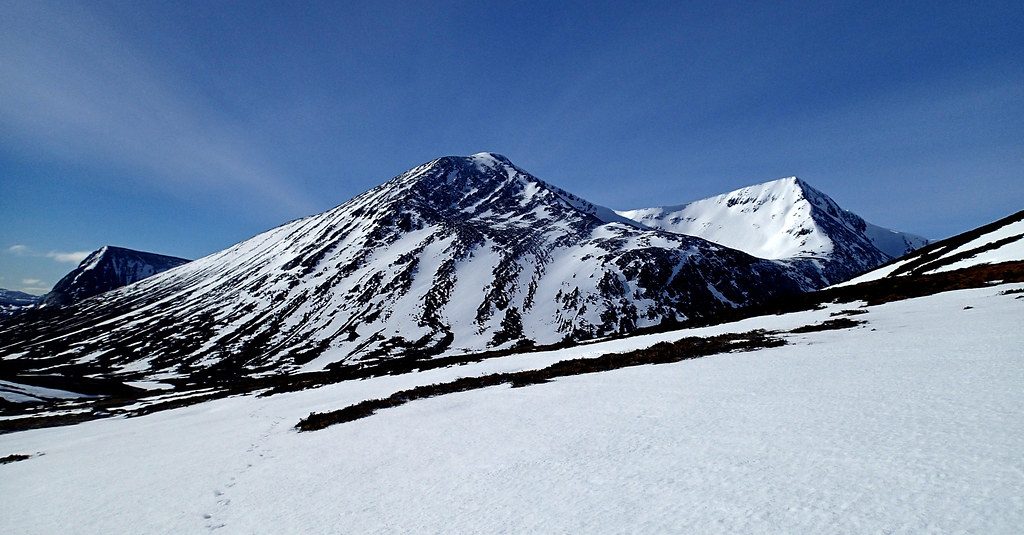
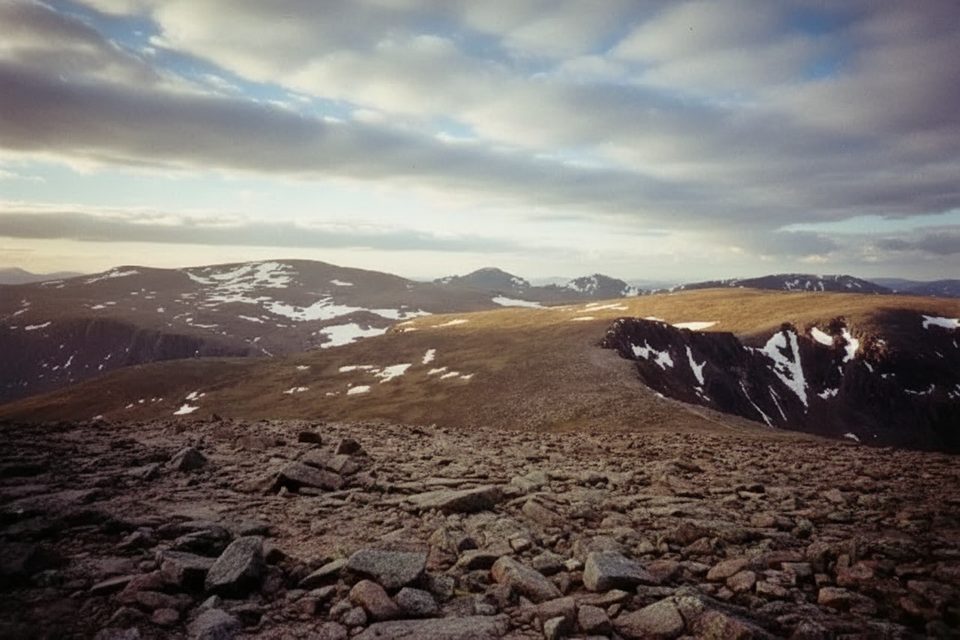
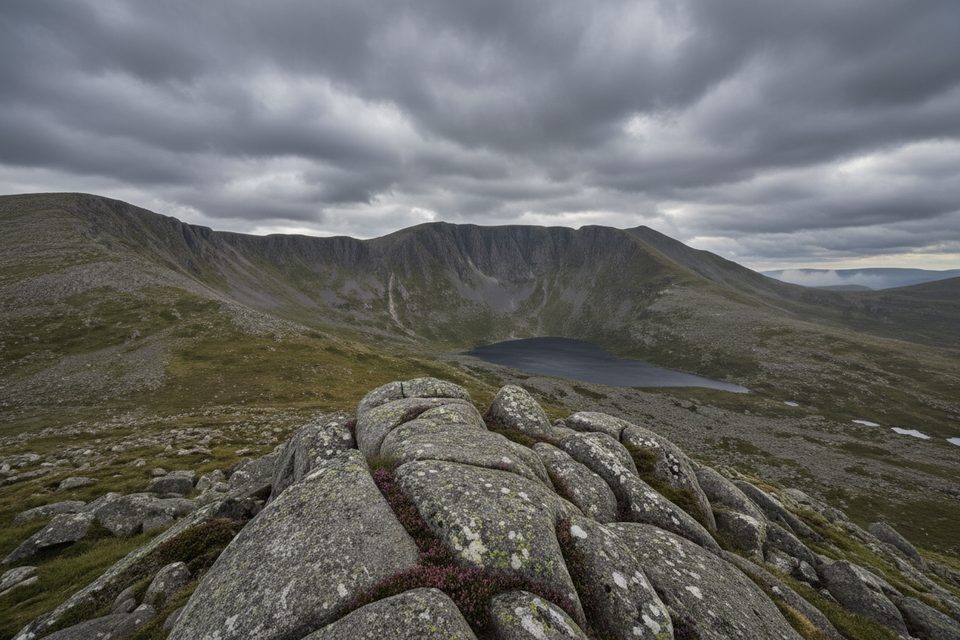
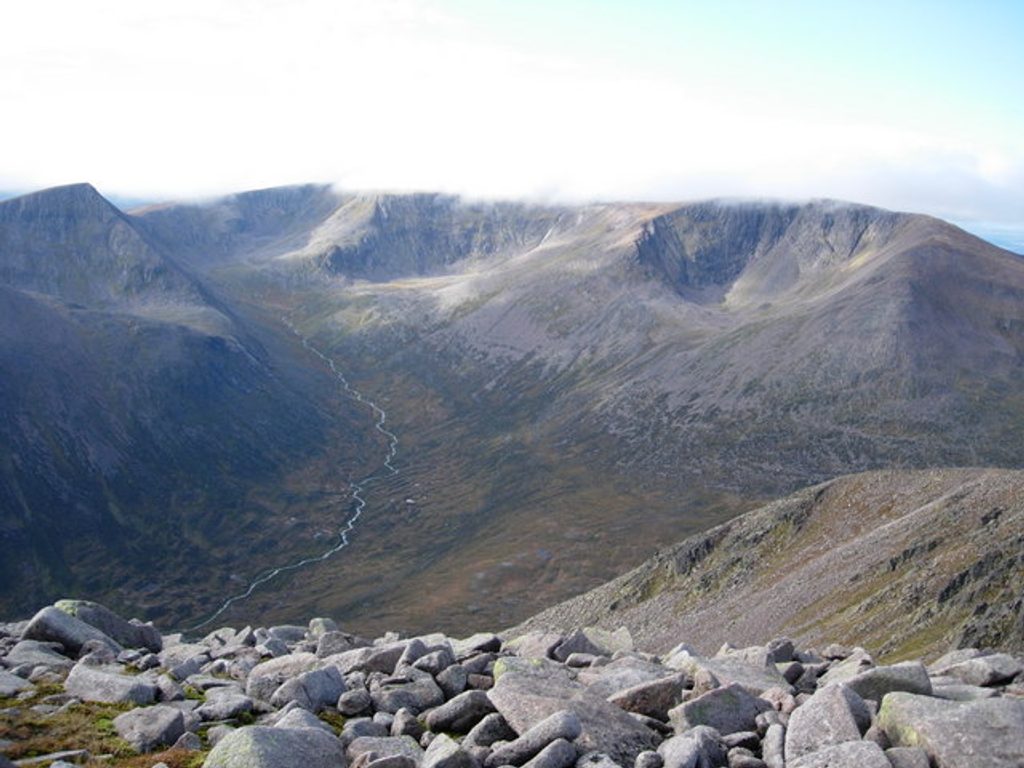
This is a low‑level Highland classic: a gentle wander up the floor of Glen Feshie through magnificent Scots pinewoods to the beautifully set Ruigh Aiteachain bothy. Expect big scenery without big elevation, a wild feel despite easy navigation, and the option to go farther if the day is treating you well.
Most walkers head to the bothy and turn back, which is roughly 7–8 miles total (out‑and‑back). If you’ve got more in the legs, continue a little farther to the landslip at An Cagàin and you’ll stretch it to about 9–10 miles total. Give yourself 3–4 hours to the bothy and back at a steady pace, or 4–5 hours if continuing to the landslip.
The glen is famed for some of the finest remaining Caledonian pinewoods, part of a much‑praised rewilding story that’s visible in the recovering woodland. Keep an eye on the skies for golden eagles and ospreys; on the ground, you’re in the realm of elusive wildcats and high‑country birds like ptarmigan. The bothy is a highlight in its own right—fabulously sited and a perfect lunch stop or base if you’re staying over.
Underfoot it’s mostly good estate track and path, but this is a living glen shaped by river and weather. Two unbridged burn crossings can become impassable after heavy rain or snowmelt, and riverside sections have seen washouts that may require small detours. Higher up the glen grows steeper‑sided and rougher; if you go beyond the usual turnarounds, expect a more committing feel.
It’s walkable year‑round, but spring through autumn is the sweet spot: safer water levels, long light, and the forest at its greenest. Winter can be special too, though short daylight, snow, and high water can block progress—plan conservative turnarounds. Weekends can fill the small car park; arrive early for an easier start.
Glen Feshie car park about 1 km from Achlean at the end of the public road; small and fills early—no public transport to the trailhead.
Two burn crossings can be impassable in spate; sections of riverside path have been washed out, requiring detours. In winter, short daylight, snow, and high water can block progress.
Place
Place
Place
Place
Challenging
Challenging
Challenging
Challenging

Parkwolf Tour Guide
