
Place · 2.6 mi away
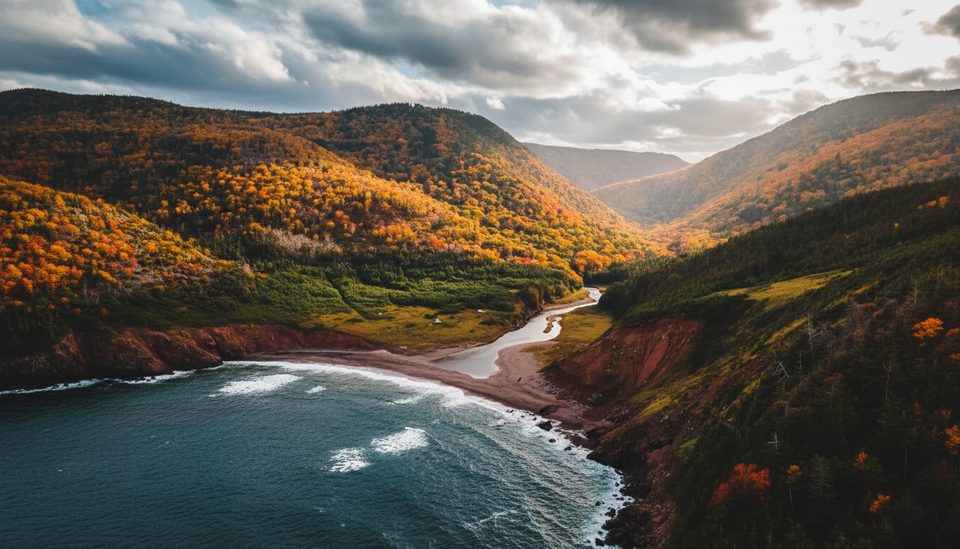
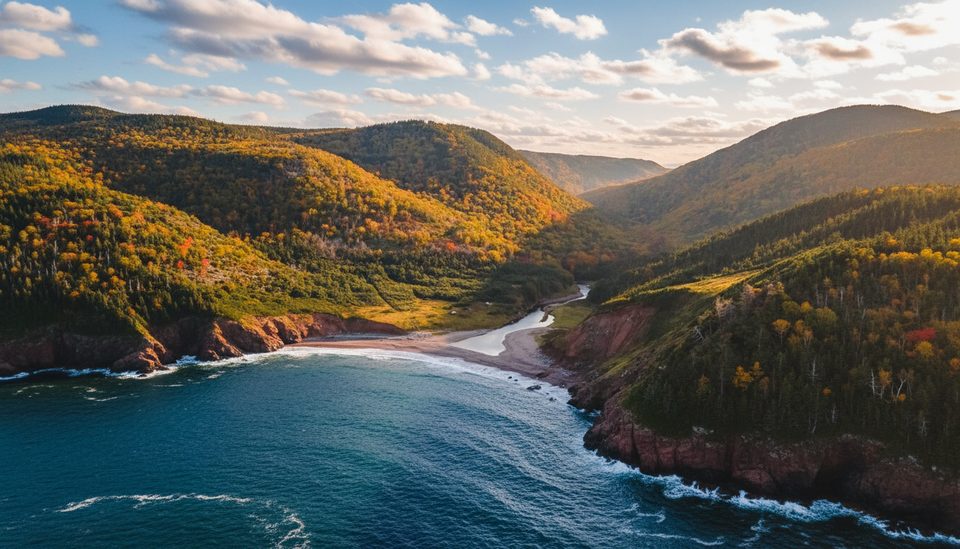
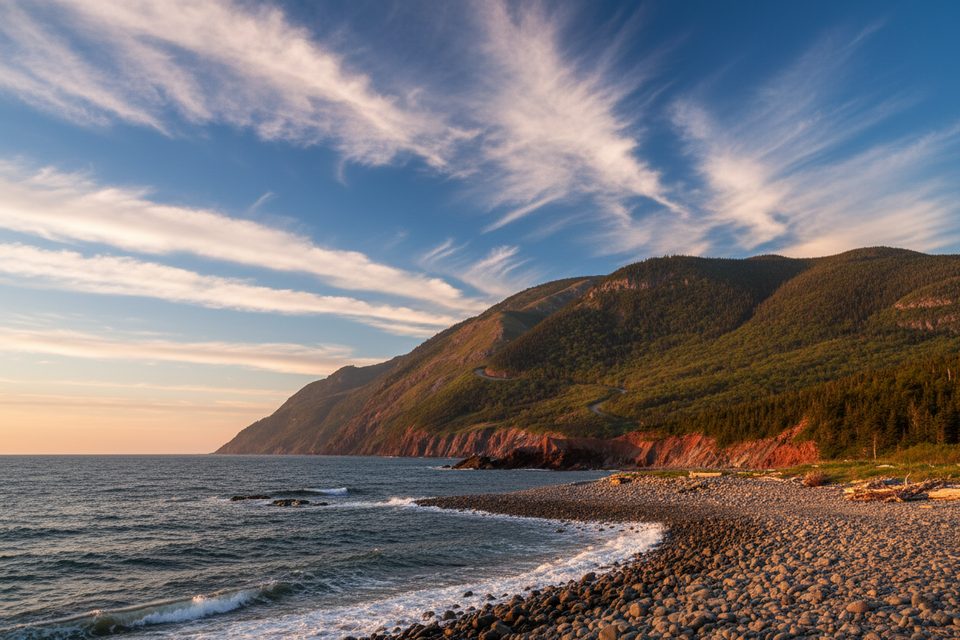
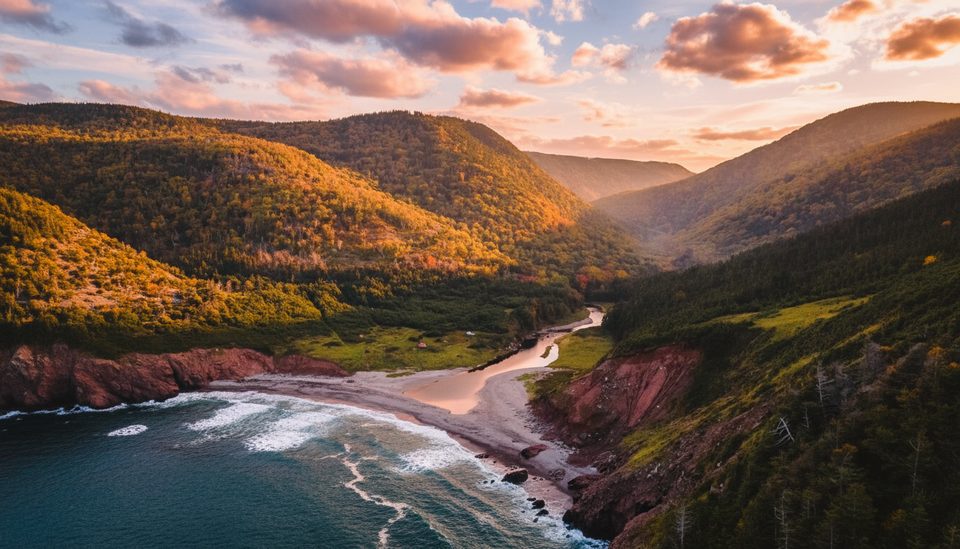
Tucked at the base of MacKenzie Mountain, Fishing Cove delivers a true wilderness sleepover: waves on one side, a river on the other, and just eight sites tucked into the grass above a cobblestone shore. It’s the park’s lone backcountry campground, so the vibe is quiet and unplugged—exactly what you come here for.
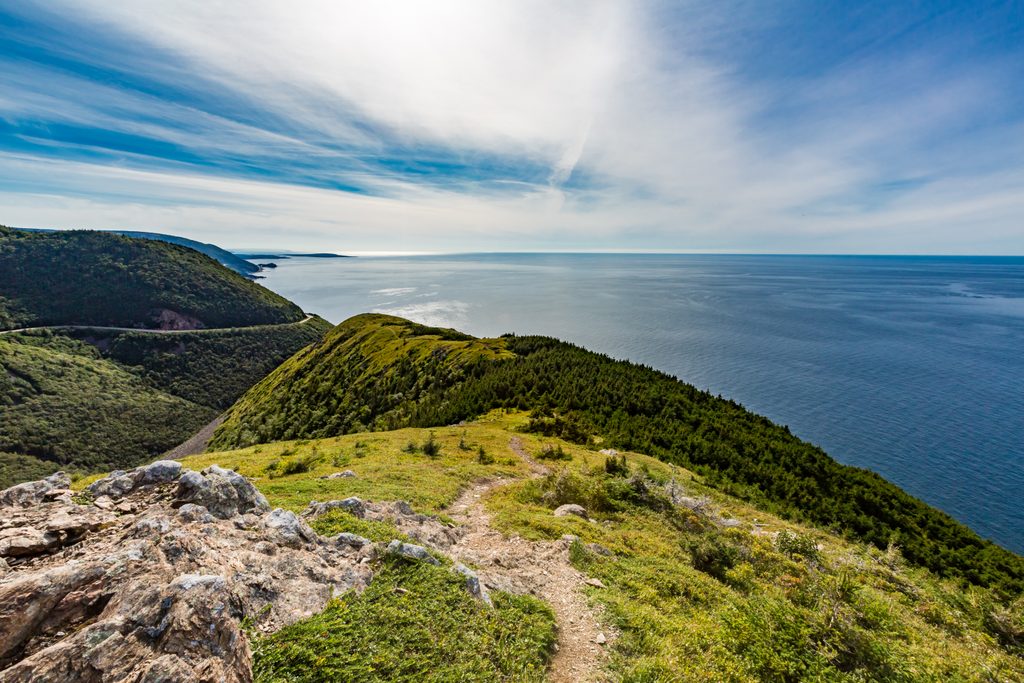
The trail is 12 km out-and-back with about 355 m of total gain. Expect a steady descent to the coast and a corresponding climb on the way out. After rain, sections turn muddy, but the route is well marked and starts from a paved, signed parking area off the west side of the Cabot Trail. Leashed dogs are allowed.
Each site has a wooden tent platform; there’s a pit privy, a bear pole for food storage, and a nearby freshwater source you’ll need to treat. There’s no potable water on site and open fires are not permitted—bring a stove. Pack out all your garbage. Reservations and a backcountry permit are required; permits are picked up at the Chéticamp or Ingonish Visitor Centres. Typical operating season runs mid‑May to late October; for 2025 the campground operates May 16–October 26.
Few places let you fall asleep to Atlantic swells after such a manageable hike. The cove’s mix of river, beach, and open meadow gives you room to spread out, explore tide lines, and watch changing light on the cliffs. It’s a perfect one‑night backpack if you’re driving the Cabot Trail and want a wilderness interlude.
This serene spot once held a small Scottish fishing community that traded with the French; by 1915, residents had dispersed to other towns. Walking the cove today, you’re camping where that coastal story unfolded.
You’re in prime habitat for moose, black bears, and coyotes. Use the bear pole for all food and scented items, keep a clean camp, and consider carrying bear spray. Maritime garter snakes are commonly seen along the trail. In summer, hardy swimmers dip in the river or ocean—brace for chilly water.
October is the sweet spot: cooler temps, vibrant foliage, and fewer visitors. Aim for a midweek start for extra solitude. The cove faces the open Gulf, making late‑day light and sunset especially beautiful on calm evenings.
Place · 2.6 mi away
Place · 2.7 mi away
Place · 3.5 mi away
Place · 4.4 mi away
Challenging · 2.6 mi away
Easy · 3.7 mi away
Easy · 4.3 mi away
Easy · 4.5 mi away

Parkwolf Tour Guide
