
Place · 0 mi away
Challenging
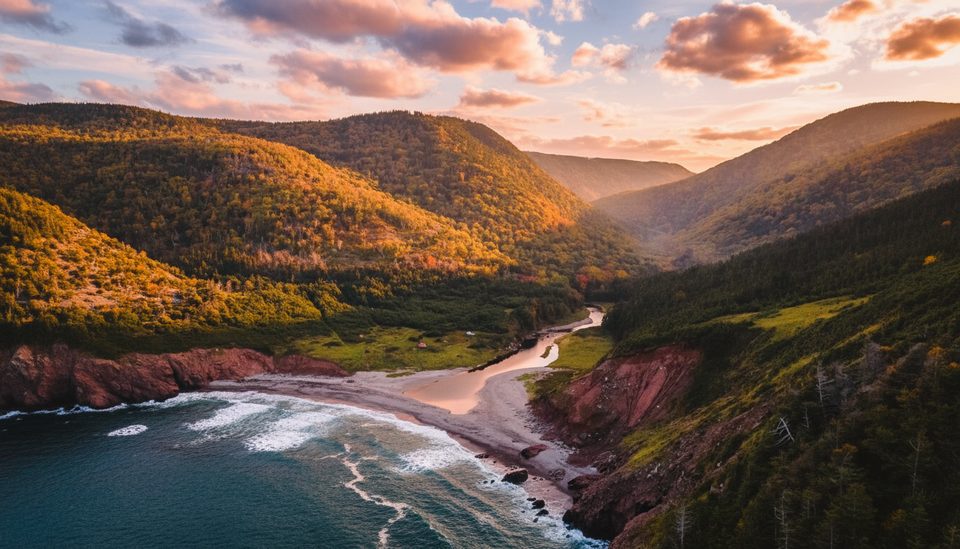
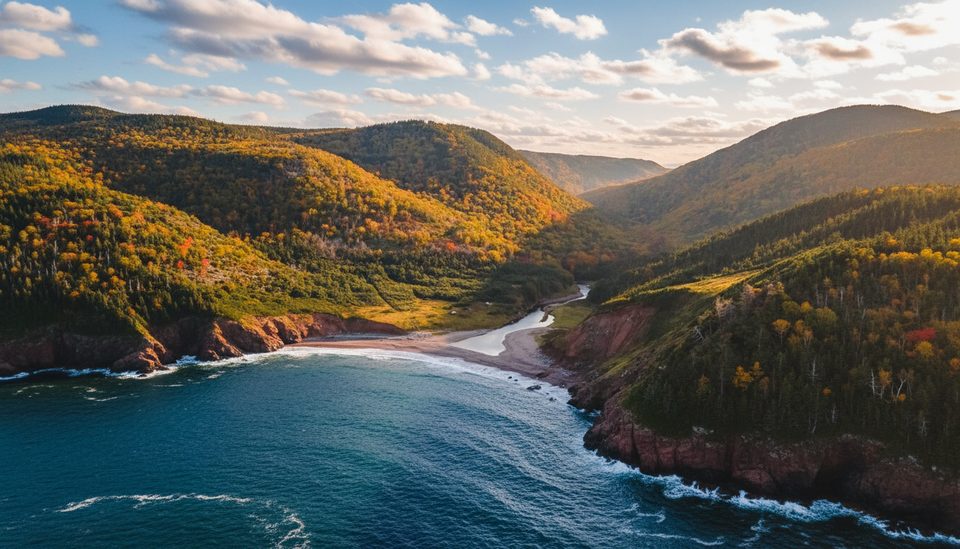
A true top-to-sea journey, this 12 km/7.5 mi out‑and‑back drops roughly 355 m (1,165 ft) from the plateau atop MacKenzie Mountain to a sheltered ocean cove. Plan on 5–6 hours total. The path winds through Acadian forest, follows the Fishing Cove River, then spills out onto a rocky beach and grassy hillside. It’s gorgeous—and the climb back is sustained and sweaty. Officially rated difficult, mainly for the elevation loss (and regain) and sections that turn muddy after rain.
From the signed trailhead along the Cabot Trail, you’ll descend steadily on a narrow, rooty tread with occasional muddy stretches. The soundtrack is river and surf. Near the cove, expect a cobblestone beach, headland views, and a broad lawn where a small Scottish fishing community once lived and traded. On warm days you can swim in the river or brave the ocean. Budget time and energy for the return: it’s all uphill, and it feels longer with a pack.
This is the park’s only designated wilderness/backcountry campground: eight reservable wooden tent platforms tucked above the cove, with an outhouse, a bear pole, and river water nearby (treat it). Fires aren’t allowed—bring a stove. You need a park pass and must register for a backcountry permit at a visitor centre before camping. Reservations typically open in February; in 2025 they opened on February 10 at 8:00 a.m. Atlantic Time.
There’s no cell service. Weather shifts quickly between plateau and coast—pack layers and rain gear year‑round. Summer brings black flies and mosquitoes; repellent and long sleeves help. Keep dogs leashed, secure all food and scented items, and expect wildlife. Recreational drones aren’t permitted. There’s no potable water on site; filter or boil from the river and pack out all trash.
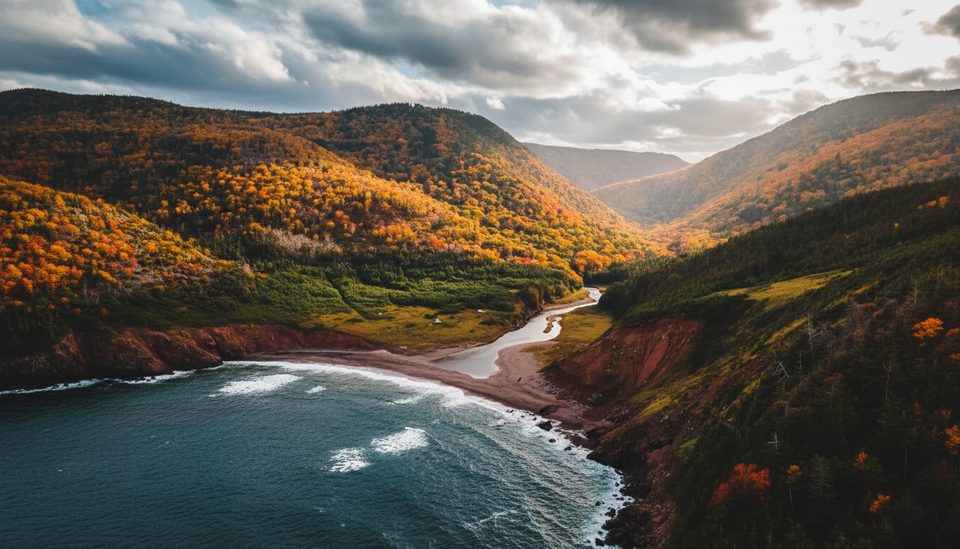
Late spring through October is prime. Full visitor services typically run mid‑May to mid‑October. For cool temps and fewer people, target shoulder seasons; October can be spectacular with fall color but nights get cold. Start early for cooler shade on the descent and to give yourself daylight for the climb out. Weekdays are quieter.
There’s a shorter, roughly 6 km return route used as an emergency/service access. It’s moderately challenging with similar elevation change. It’s practical if you’re short on time, but the main trail delivers the fuller forest‑to‑ocean experience.
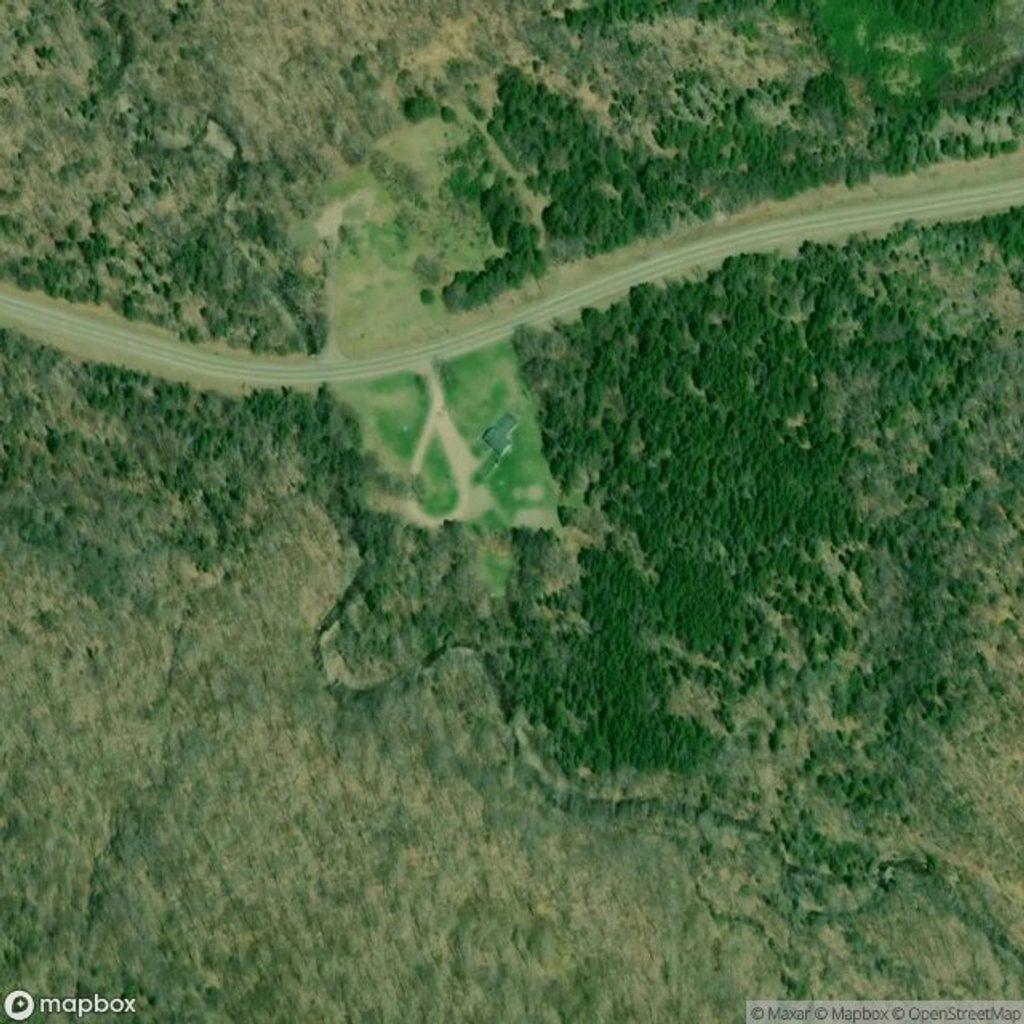
Park at the signed trailhead along the Cabot Trail atop MacKenzie Mountain.
Steep return climb, muddy sections, no cell service, no fires, treat river water, bugs in summer, and dogs must be leashed; drones not permitted.
Place · 0 mi away
Place · 2.6 mi away
Place · 2.6 mi away
Place · 3.3 mi away
Easy · 1.8 mi away
Easy · 2.1 mi away
Easy · 2.8 mi away
Easy · 4.3 mi away

Parkwolf Tour Guide
